
Primavera Sound 2025: Pop’s Crowning, Queer Joy and the New Frontier of Cool
Photography - Nicholas Andrews
Words - Taj Hayer
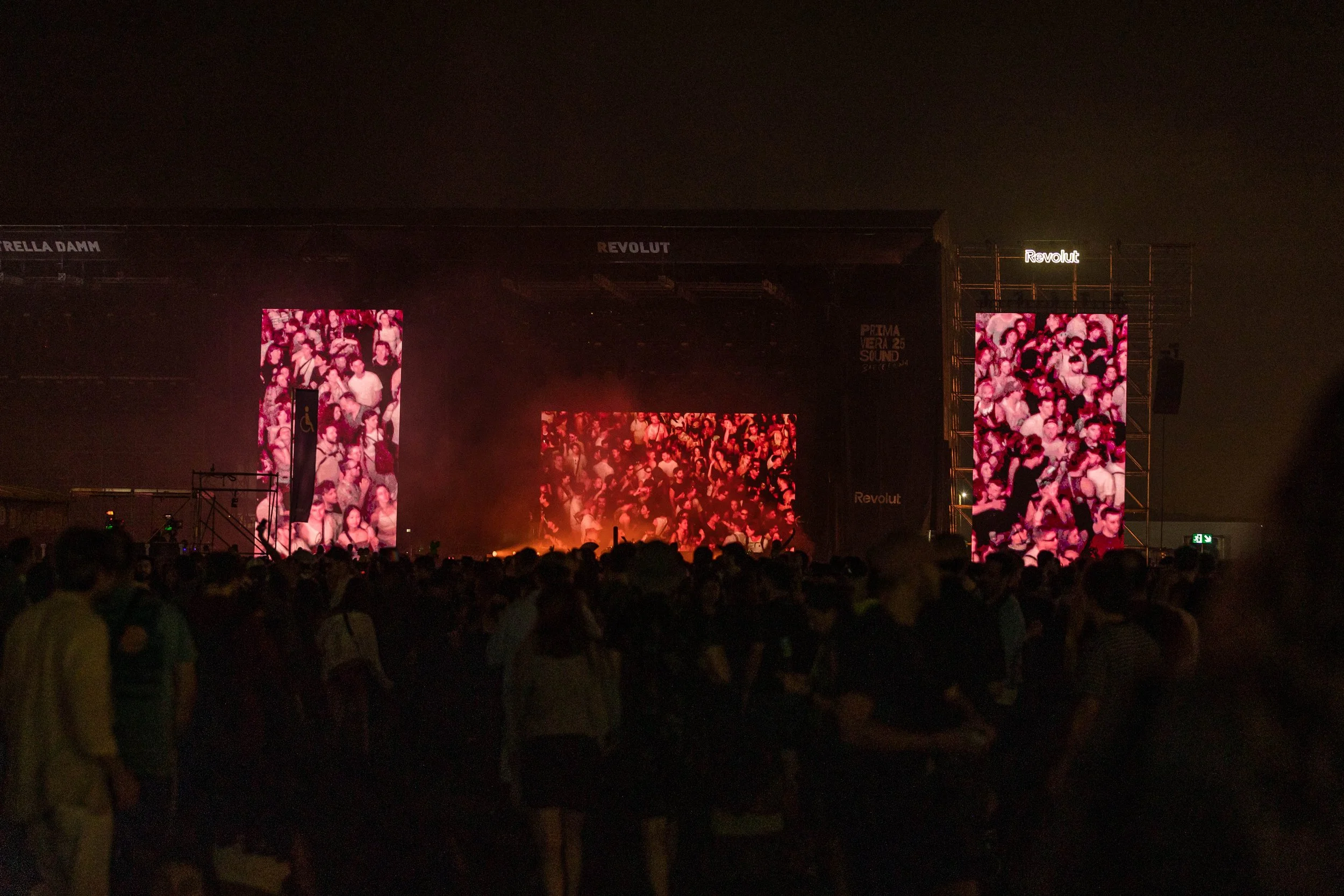
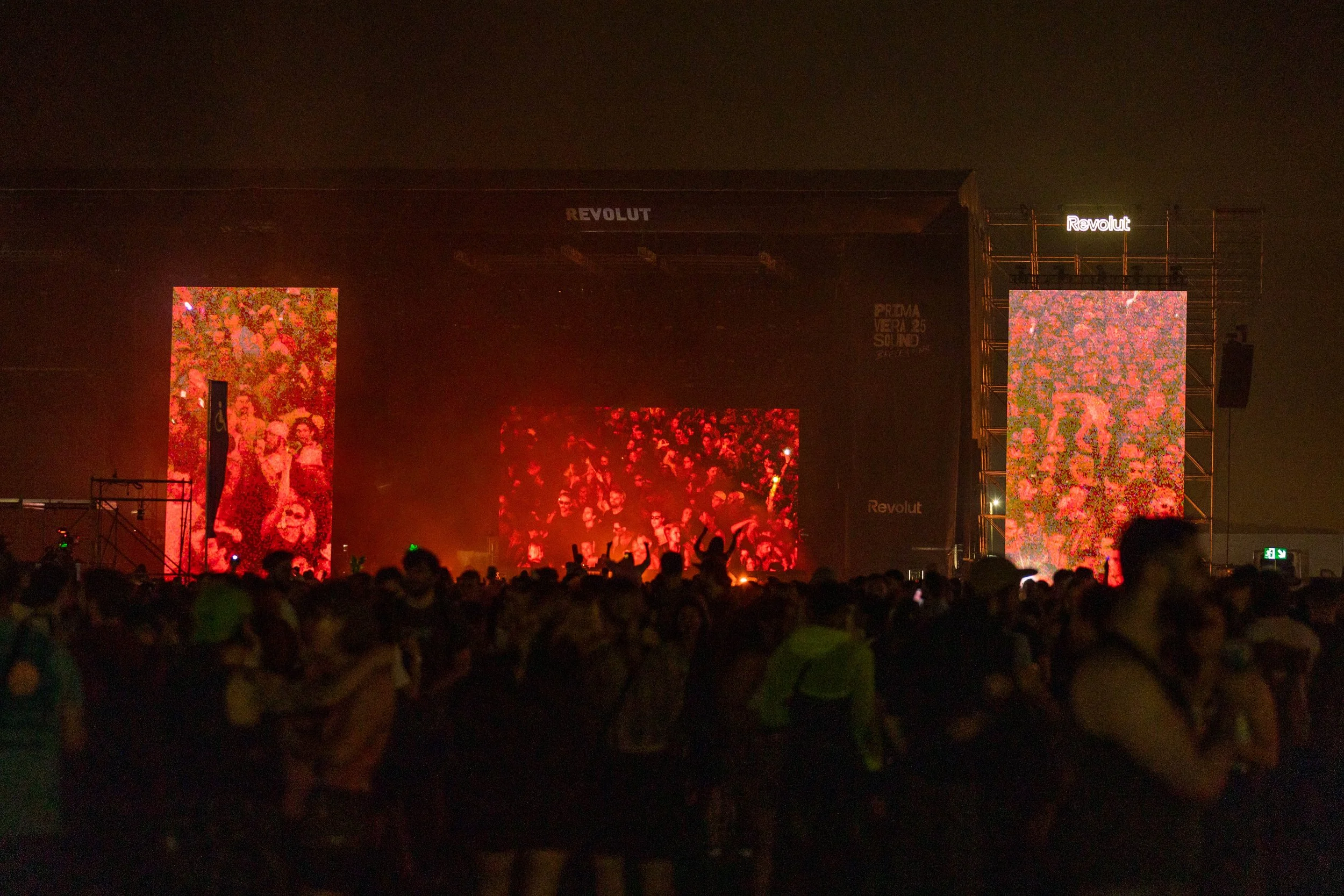
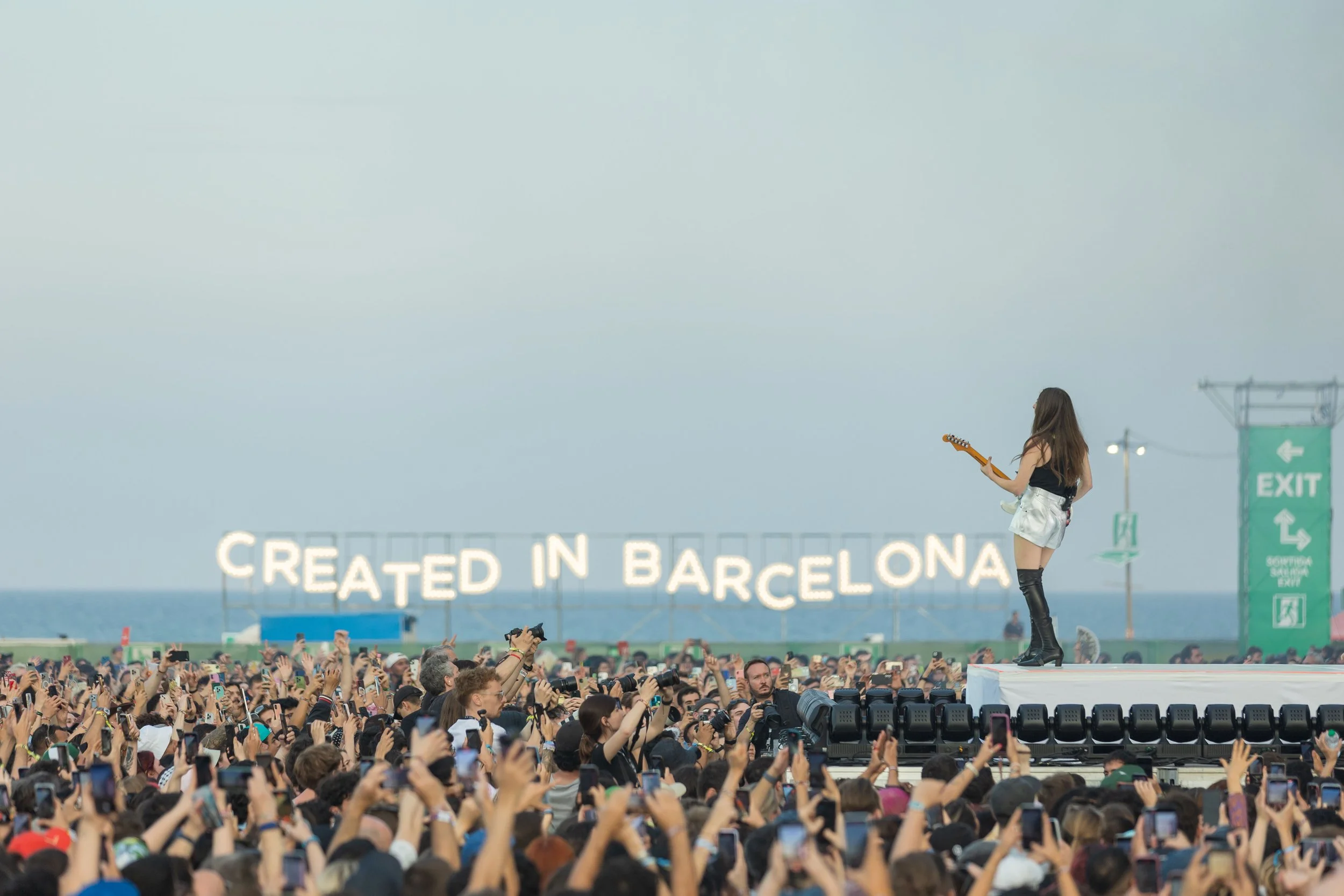
Barcelona, in early June, performs a kind of alchemy. The sun is bright, the air is salt-sweet with Mediterranean breeze, and the energy on the streets shifts almost imperceptibly into something weightless, sparkling — ready for revelry. But when nearly 300,000 music lovers descended upon the city for Primavera Sound 2025, the alchemy became a technicolour fever dream. Parc del Fòrum, the festival’s brutalist playground by the sea, transformed into a playground of synths, sequins, and serotonin. This was not just a festival. It was a statement. And The Rakish Gent was on the ground, stitched into the crowd, capturing the new rules of music, style and expression.
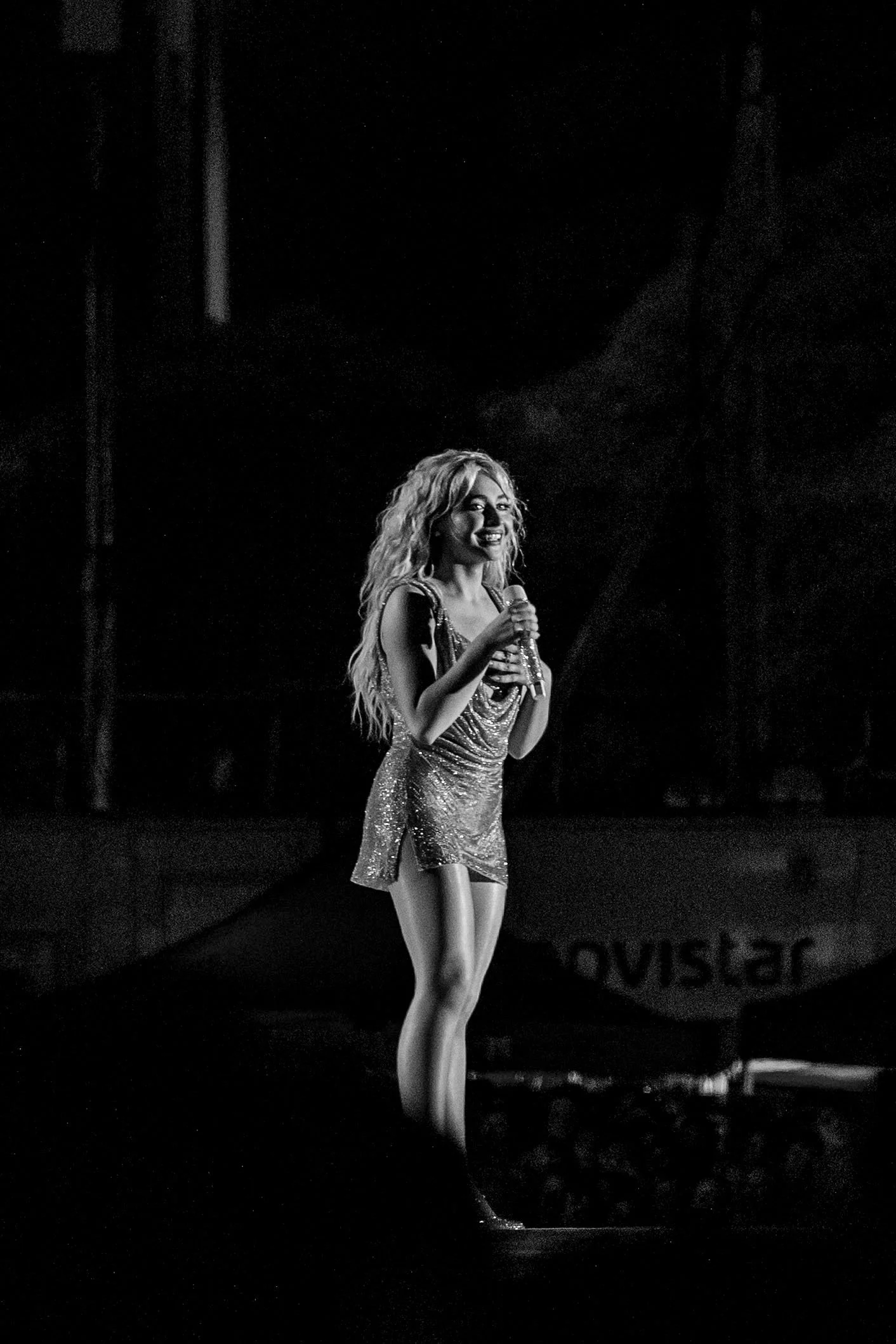
This year, Primavera did something quietly radical: it placed three female pop acts at its apex. Not indie-turned-icon by accident, nor token chart-toppers wedged between guitar bands. Charli XCX, Sabrina Carpenter, and Chappell Roan weren’t there to fill a quota — they were the pulse. Nicknamed the “Powerpuff Girls” of the lineup, they didn't just headline; they redrew the architecture of the modern festival. They brought queer joy, bratty bombast, and choreography that dared to wink and sweat in the same breath.
And the crowd responded. With looks. With love. With something close to devotion.
Thursday opened with heat.
There’s a kind of collective thrill that pulses through Primavera in the late afternoon. Shirt buttons loosen, sunglasses shift higher on noses, and the pace between stages slows just slightly — the festival’s unmistakable rhythm kicking in.
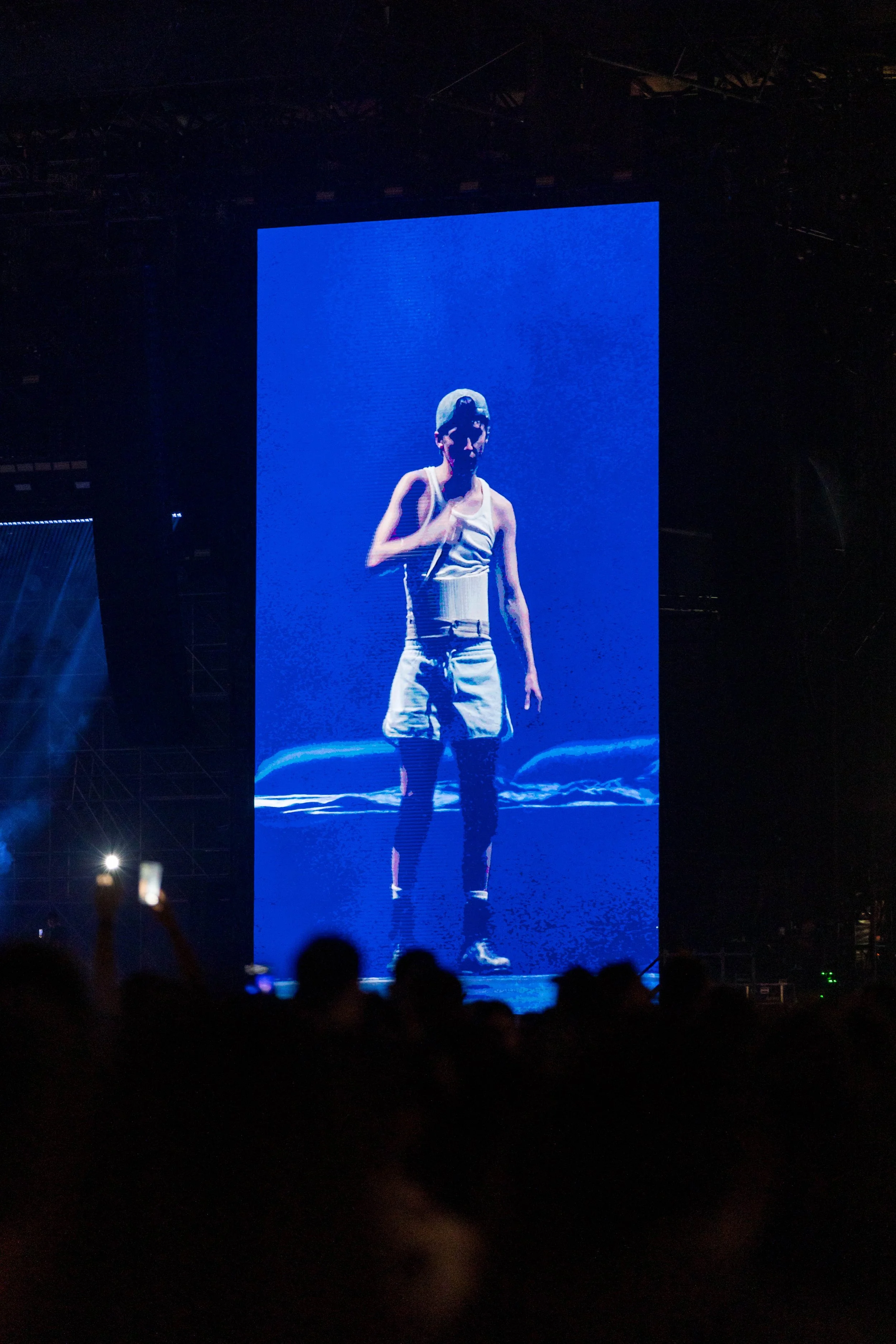
Troye Sivan, pastel-clad and sculpted like a Renaissance angel with a disco heart, arrived first. His set was an emotional high-gloss showstopper, complete with choreographed flares and crooning vocals that bent around the humid air like a sigh. “Rush” and “My! My! My!” felt lifted straight from a 3 a.m. dancefloor, yet perfectly timed for golden hour.
But the stage belonged to Charli XCX the moment she touched it.
Dressed in shredded black mesh and acid-green latex, she didn’t perform so much as detonate. From “Von Dutch” to “360” to the snarling joy of “Unlock It,” Charli ushered in the era of BRAT — an anti-pop masterpiece born from chaos and confidence. A crowd of thousands raged like it was a subterranean club. It was loud, bratty, feminine, uncontainable.
Jamie XX had played beforehand — a set full of glistening transitions and rhythmically rich beats — but the programming choice drew murmurs. Jamie was excellent, but did he belong before a nuclear Charli XCX? Perhaps not. His subtle precision was a sonic mezcal; Charli was the tequila shot with the lime in your eye. You don't sip Charli. You scream her.
One unexpected delight? A cameo from Chappell Roan, perched in the VIP zone, performing her now-viral “Apple” dance while the crowd below erupted. It was the soft launch of what would become Primavera’s most fan-beloved set.
Friday gave us production, pop, and cheek.
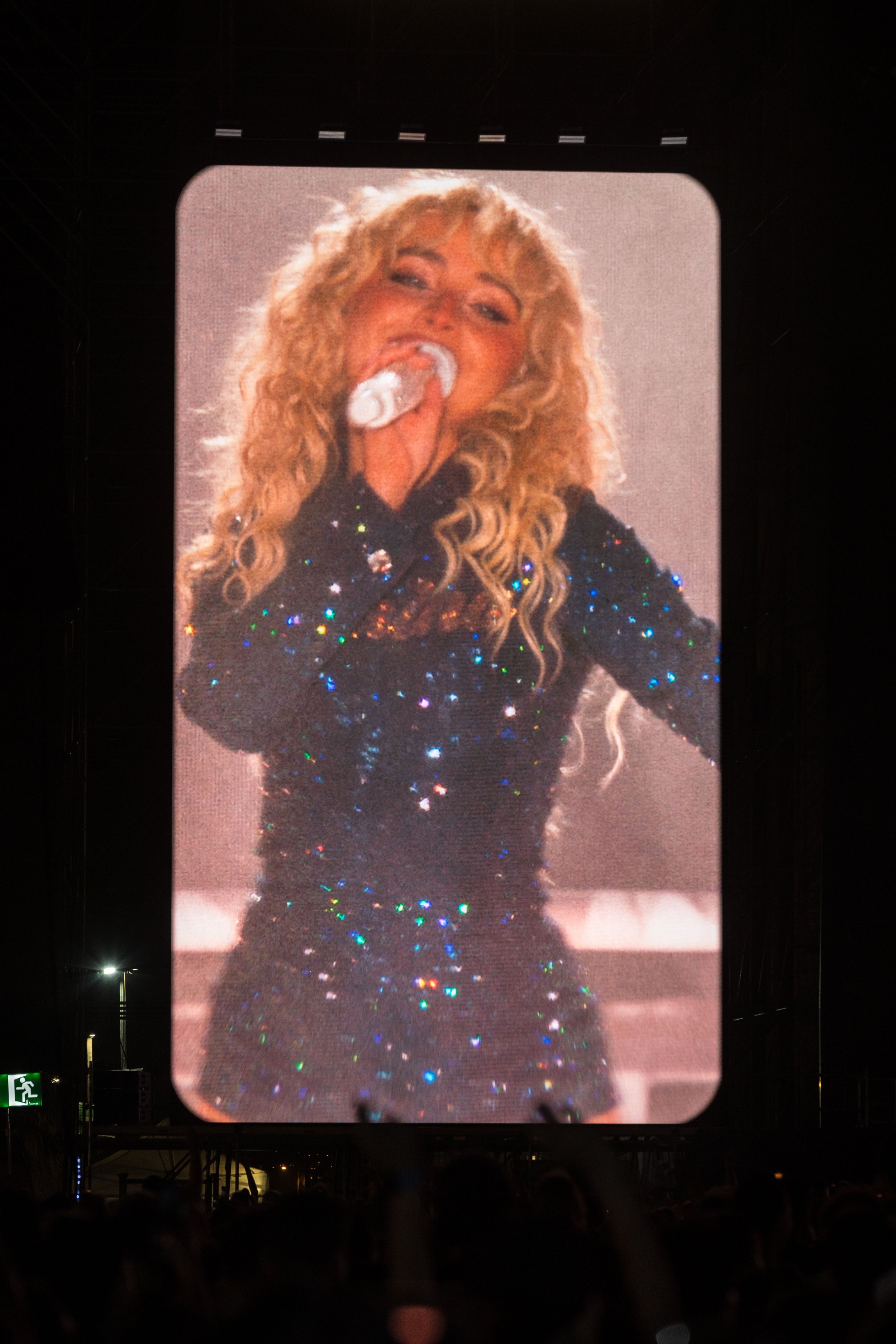
Sabrina Carpenter — part Disney, part disco — proved herself as more than a viral chart darling. This was her first show in Spain, and her set shimmered with charm. The stage was a dream: heart-shaped bed, pink LED flourishes, rhinestone corsets that wouldn’t look out of place at a Miu Miu afterparty.
“Espresso” hit like a jolt of joy. “Nonsense” was the crowd’s karaoke moment. And a cheeky, vamped-up cover of “It’s Raining Men” turned the plaza into Studio 54 under the stars.
There were technical hitches — minor audio delays and dead zones depending on where you stood — but none of it fazed Sabrina. Her off-the-cuff quips, precise vocals, and stage-swagger made her feel like a hybrid of Britney, Betty Boop, and the most popular girl from your sixth-form’s theatre club (the one who actually made it). She wasn’t just performing. She was arriving.
And then came Chappell Roan.
Saturday’s crowd buzzed hours before her set. Flower crowns gave way to butterfly wings, cowboy hats in Barbie pink, skirts made of fringe and fantasy. There was a sense something was happening — something bigger than just a pop set.
And they were right.
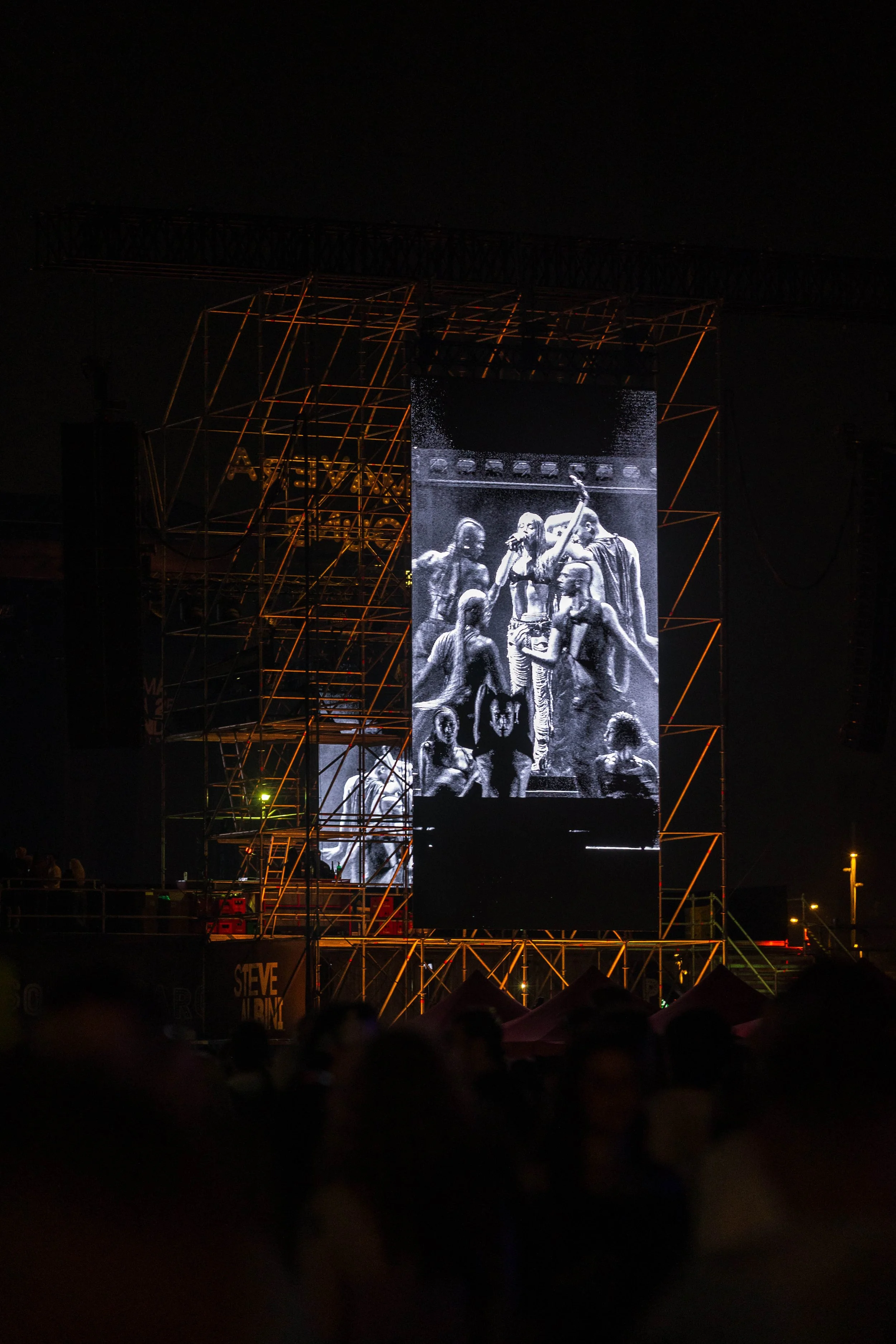
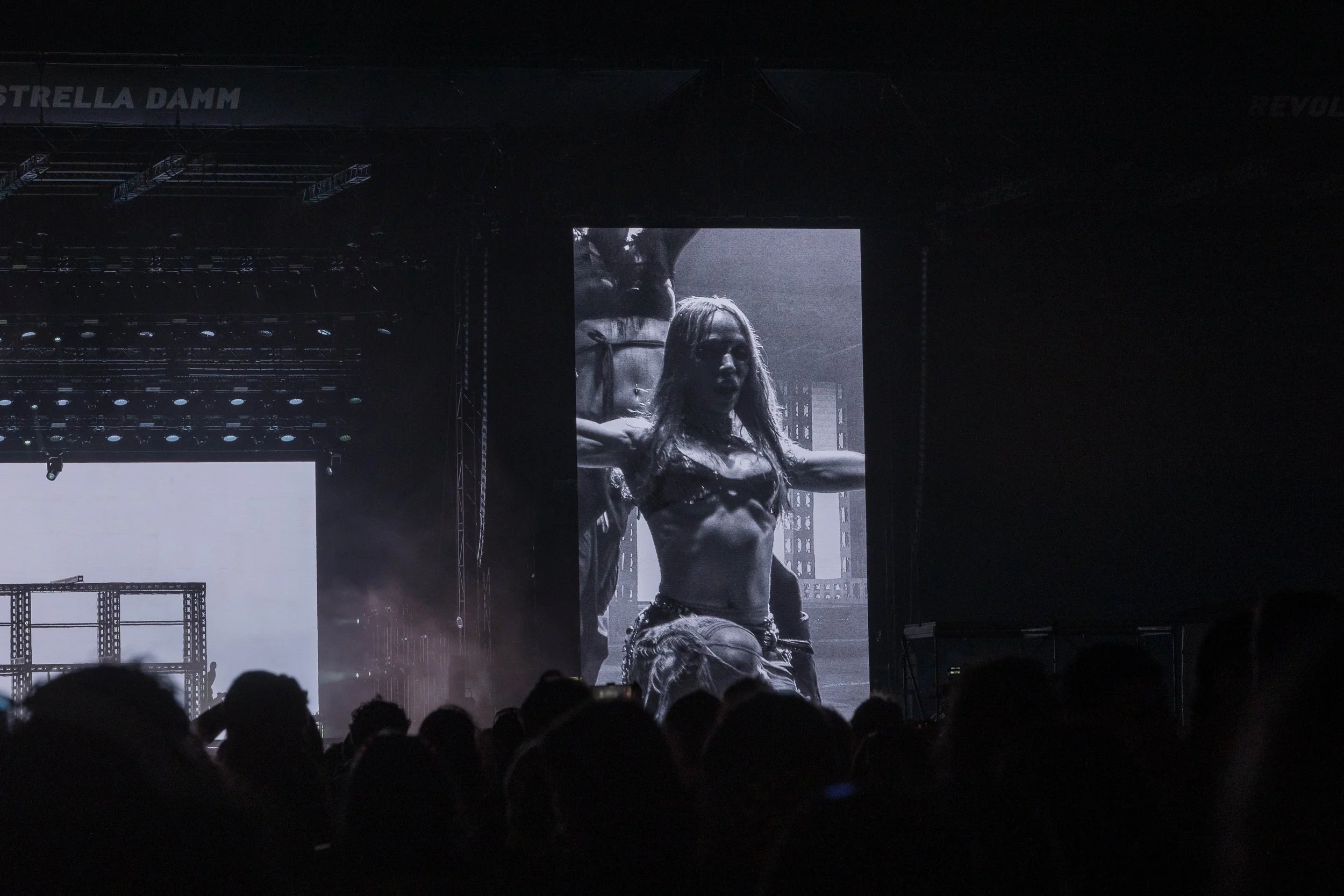
Chappell emerged from behind a gothic castle set, in assless chaps and a headpiece that defied gravity, like a queer Lady Liberty of the new American West. Her entrance? On a throne. Pulled by two backup dancers. Because why not?
What followed was the most theatrical, emotionally explosive, and politically thrilling set of the weekend. She paused during “The Giver” to read fans' confessions — scrawled heartbreaks about ex-boyfriends, missed chances, self-discovery. She covered “Barracuda” with righteous ferocity. And when she reached “Pink Pony Club,” the anthem of queer joy and longing, she saw her own mother in the crowd. She broke down. We all did.
This wasn’t pop as escapism. This was pop as resistance. As freedom. As therapy. Chappell Roan is a star not in the making, but in full-blown, glitter-smeared bloom.
Late nights belonged to the rave.
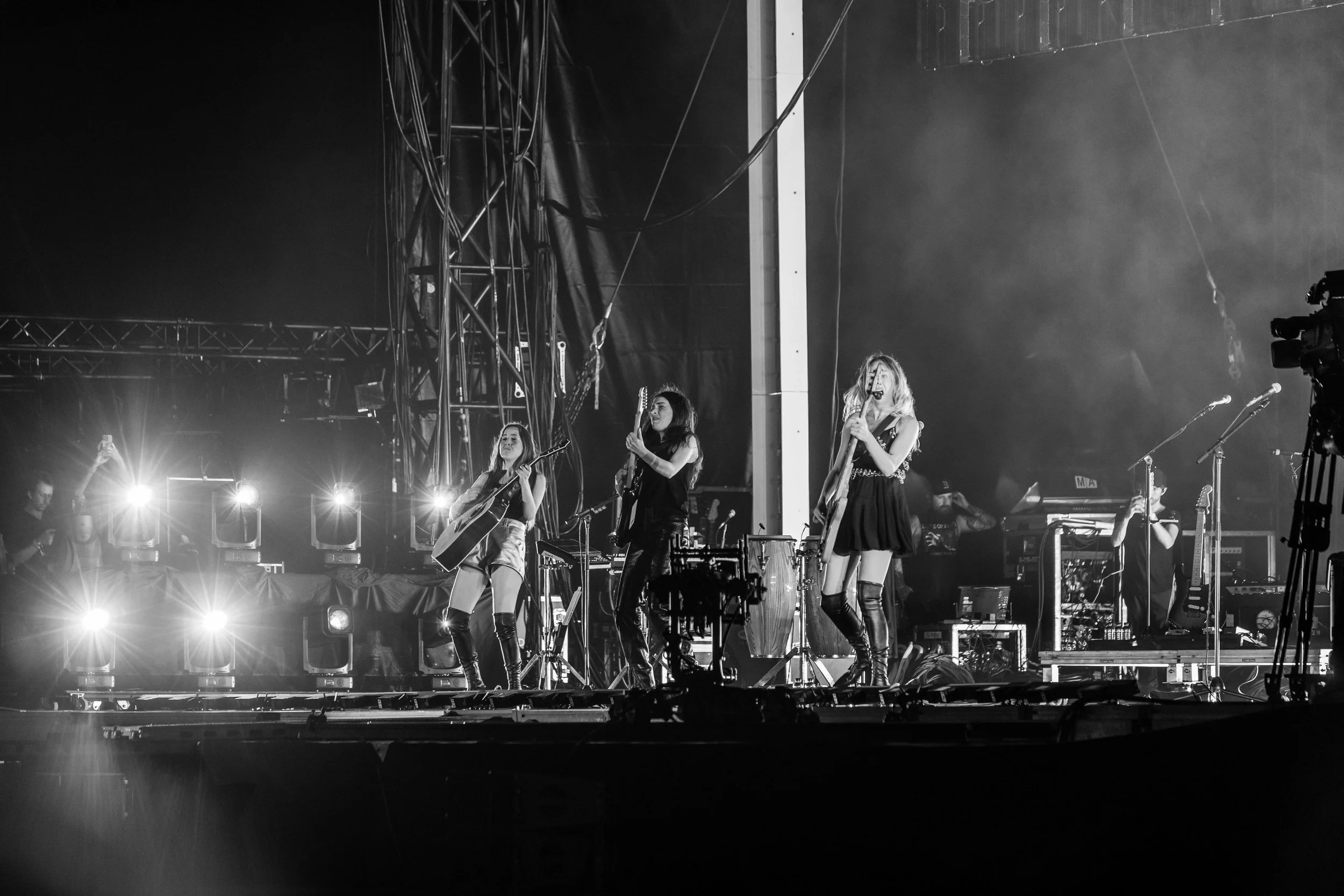
At Primavera, the music doesn’t sleep. Between midnight and sunrise, stages like Cupra Pulse and Dice Club transformed into concrete dance cathedrals. Amelie Lens, DJ Koze, Brutalismus 3000, The Dare, and a brilliant set by Danny L Harle pulsed through the Parc with techno, acid, and rave maximalism. There was no hierarchy. You might walk from hyperpop to hardcore to a sitar drone session in 15 minutes.
Even with occasional crowd flow issues and overpriced water (€4.50 for a paper cup remains criminal), Primavera never felt frustrating. Queues were slick, staff attentive, and the layout — long criticised — now seemed curated for rhythm, rather than marathon sprints.
Fashion, naturally, was a feast.
If fashion week had a flirtation with rebellion, Primavera had a full-blown affair. Think: mesh tanks with pearl necklaces. Vintage Vivienne with 2000s Prada slingbacks. Fans of Charli in all-black rave gear and safety pins; Sabrina devotees in lemon pastels and heart-shaped sunglasses; Chappell acolytes in pink tulle, wild lashes, cowboy boots, glittered everything.
We asked festival-goers what style meant to them, and got answers ranging from “pop resurrection” to “my inner queer finally outside.” It was clear: Primavera wasn’t a music festival that tolerated fashion. It was one that inspired it.
So why does this matter for The Rakish Gent?
Because Primavera Sound 2025 didn’t just showcase artists. It showcased culture. It gave us pop that bites back, crowds that dress with intention, and nightlife that collapses genre and gender. It proved that the cutting edge of style is not reserved for red carpets and lookbooks. It’s in the wild. In the heat. On the dance floor.
We went to Barcelona for the music, but found ourselves covering something much broader — an evolution of taste, identity, aesthetic and attitude. The new rakish gent isn’t defined by tailoring alone, but by expression. Queer, straight, indie, pop, wild, silent, curated or chaotic. Primavera understood that.
So yes, we want to go again. We need to.
For the people. For the performance. For the perfectly imperfect fashion. For Charli’s snarl and Sabrina’s twirl. For Chappell’s tears. For the future.
We’ll see you next year — front row, boots laced, sunglasses on, heart open.