
Shallipopi Is Building a Universe — And AURACLE Is the Portal
Words - Tajinder Hayer
Photography - Ian Kobylanski
There’s a moment in every artist’s rise when momentum gives way to intention. For Shallipopi, that moment sounds like AURACLE.
The Nigerian rapper and songwriter has never lacked energy. From the jump, his music has carried a volatile, almost mischievous charge—beats that lurch and glide, lyrics that feel coded yet instantly memorable, delivered with an esoteric confidence that refuses translation. But AURACLE, his new 22-track album, isn’t just louder or bigger. It’s clearer. It’s the sound of an artist who knows exactly who he is, and no longer feels the need to explain it.
“I wanted it to feel like growth you can hear,” he says. “I understand myself more now. My sound, my presence, my reach. This album is me stepping into that fully—no second-guessing.”
That self-assurance runs through the entire project. AURACLE is expansive without being scattered, ambitious without losing its nerve. Afrobeats forms the spine, but it bends easily—towards rap, melody, global pop instincts, and something harder to define. It’s music that moves fast but thinks long.
“I’m not boxed in anymore,” Shallipopi continues. “I see how big this can go. AURACLE is me opening that door.”
Part of Shallipopi’s appeal has always been unpredictability. His sound feels volatile, even reckless at times—high-voltage rhythms colliding with off-kilter phrasing, hooks that land sideways. But what AURACLE makes clear is that none of this is accidental.
“I let myself go crazy first,” he explains. “That part is important. I don’t go in trying to be clean or perfect. I chase whatever feeling hits me.”
Only after that initial release does the discipline arrive. “I listen back and refine it. I know when something is too much and when it’s exactly right. Even if it sounds wild, there’s control behind it.”
That balance—instinct sharpened by self-awareness—is what gives AURACLE its confidence. The album doesn’t chase cohesion for its own sake. Instead, it trusts Shallipopi’s perspective to hold everything together. The chaos is planned. “100,” as he puts it.
If AURACLE feels like a statement, its feature list reads like a roll call of modern global music: Wizkid, Burna Boy, Gunna, Swae Lee, Pa Salieu, Rauw Alejandro, Young Jonn, Ruger, and more. On paper, it’s one of the most internationally stacked Afrobeats albums of the year. In practice, it never feels like a checklist.
What connects these collaborations isn’t sound, geography, or even genre—it’s instinct.
“Energy and understanding,” Shallipopi says. “That’s it. I don’t need you to sound like me. I need you to get the vibe.”
Each collaborator arrives fully themselves, and that’s the point. Nobody is bending to a preset Shallipopi mould. The album works because it allows difference rather than smoothing it out. It’s a conversation, not a compromise.
Nowhere is that clearer than on Like That, his new single with Wizkid. Where Shallipopi’s energy can often feel explosive, Wizkid brings a cool gravity—measured, unhurried, magnetic.
“He slowed me down in a really good way,” Shallipopi says. “Less talking, more feeling. The song doesn’t need to shout. It just pulls you in.”
It’s a lesson in restraint, and one that subtly expands Shallipopi’s range without diluting his identity.
If AURACLE represents growth, then “Laho” represents ignition. The track—and its sequels featuring Burna Boy and Rauw Alejandro—has amassed over 100 million global streams, but numbers only tell part of the story.
“There was a point when it stopped feeling like mine,” Shallipopi says. “Once I saw people using it in their own way—on the street, online, everywhere—I knew it crossed over.”
That’s when a hit becomes something else entirely. “It became a signal,” he adds. “People hear it and instantly know the energy.”
This is the distinction Shallipopi seems most attuned to: the difference between consumption and culture. Streams matter, but movement matters more. AURACLE repeatedly aims for the latter.
Despite his global ascent—over 440 million streams in the past year alone—Shallipopi remains anchored to Benin City. Not as branding, but as foundation.
“I don’t change myself,” he says simply. “My accent, my slang, my confidence—that’s Benin City. I don’t try to clean it up for anybody.”
It’s a philosophy that runs counter to the old idea of “crossover”. There’s no smoothing of edges here, no softening of identity for wider palatability. The bet is simple: authenticity travels.
“If the world connects to it, they connect to it,” he shrugs.
So far, they are. Ranked among Spotify Africa’s Top 10 artists in their 2024 Wrapped, named a Radar artist, and tapped as a VEVO DSCVR Ones To Watch, Shallipopi’s reach continues to expand without dilution.
Live performance has become a crucial part of that expansion. From headlining Electric Brixton to sharing sold-out O2 stages with Central Cee and Asake, Shallipopi has learned how to command rooms far from home.
“Back home, it’s automatic,” he says. “The crowd already understands me—my language, my mannerisms.”
Abroad, the equation changes. “I focus more on energy and presence. Even if they don’t catch every word, they feel it.”
That physicality—the way he occupies space—has become central to his performances. It’s less about explanation, more about transmission. Meaning travels through movement, cadence, attitude.
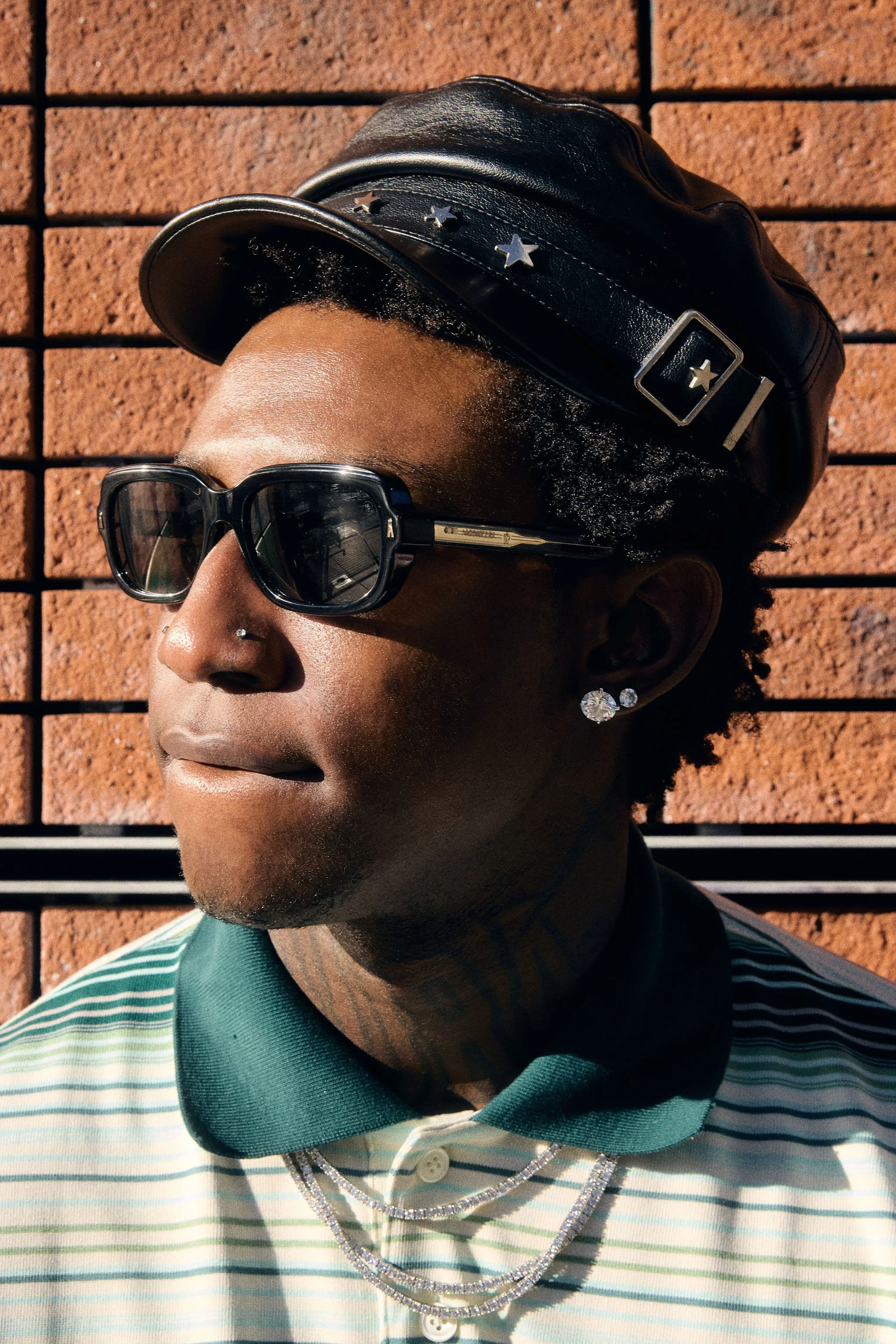
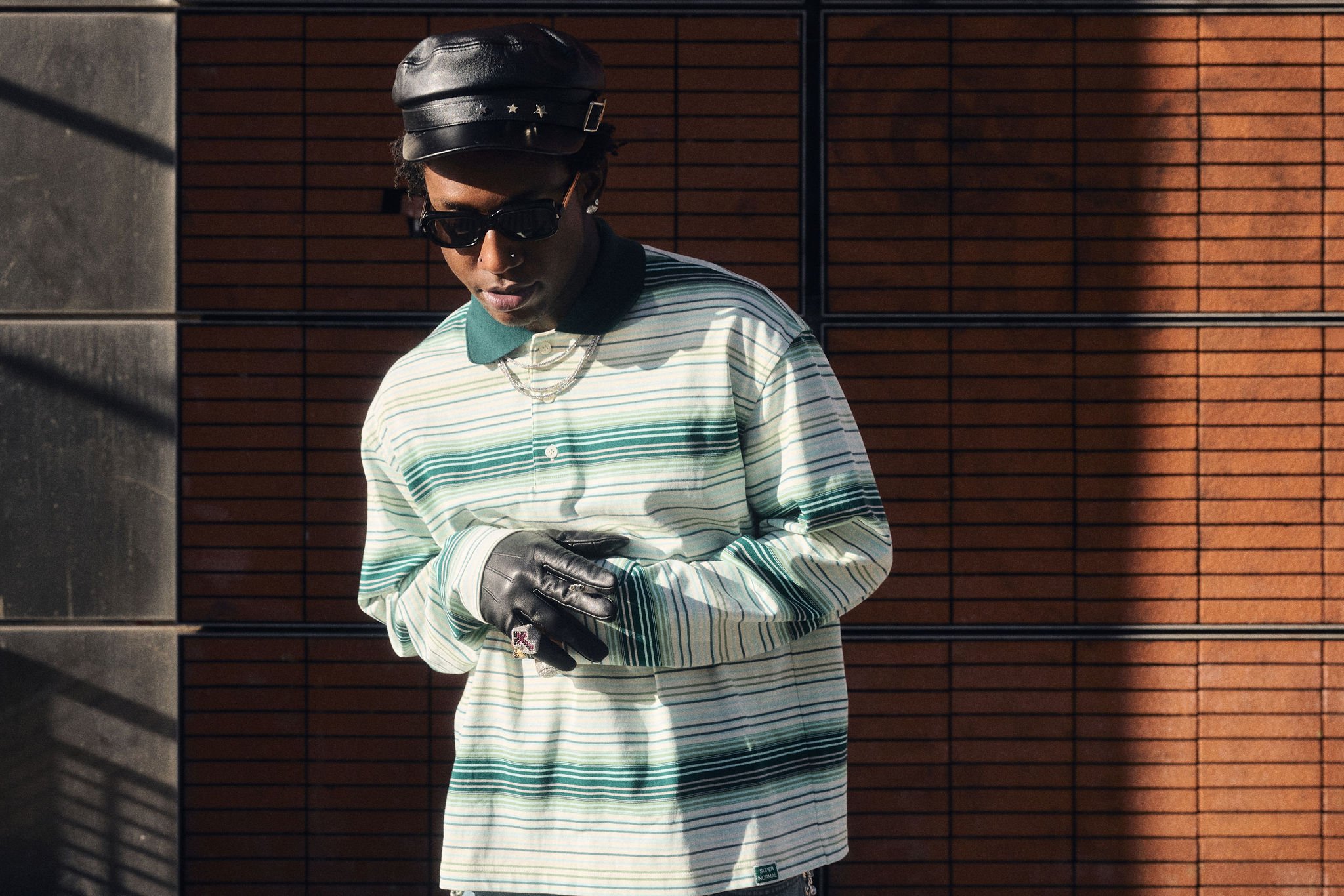
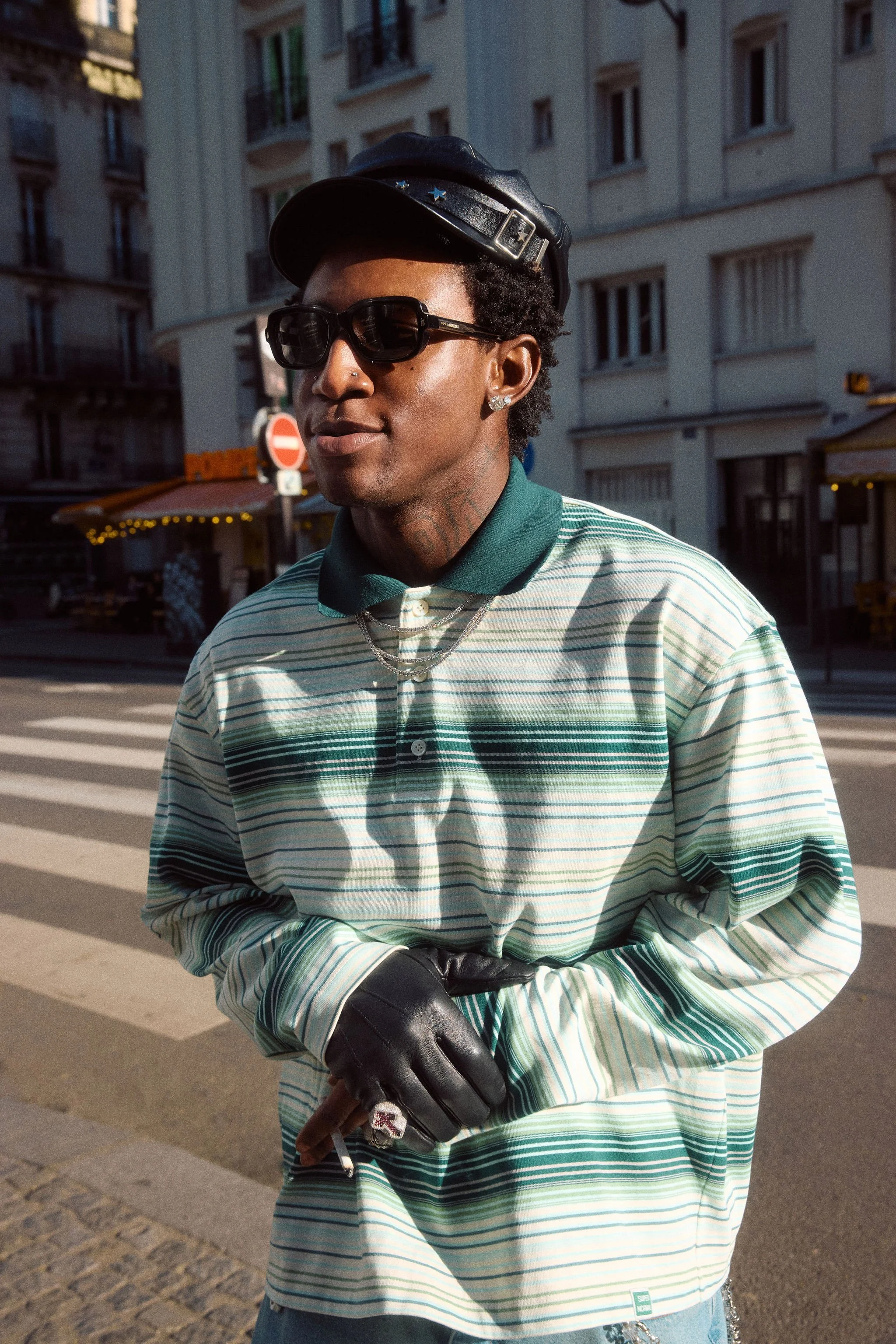
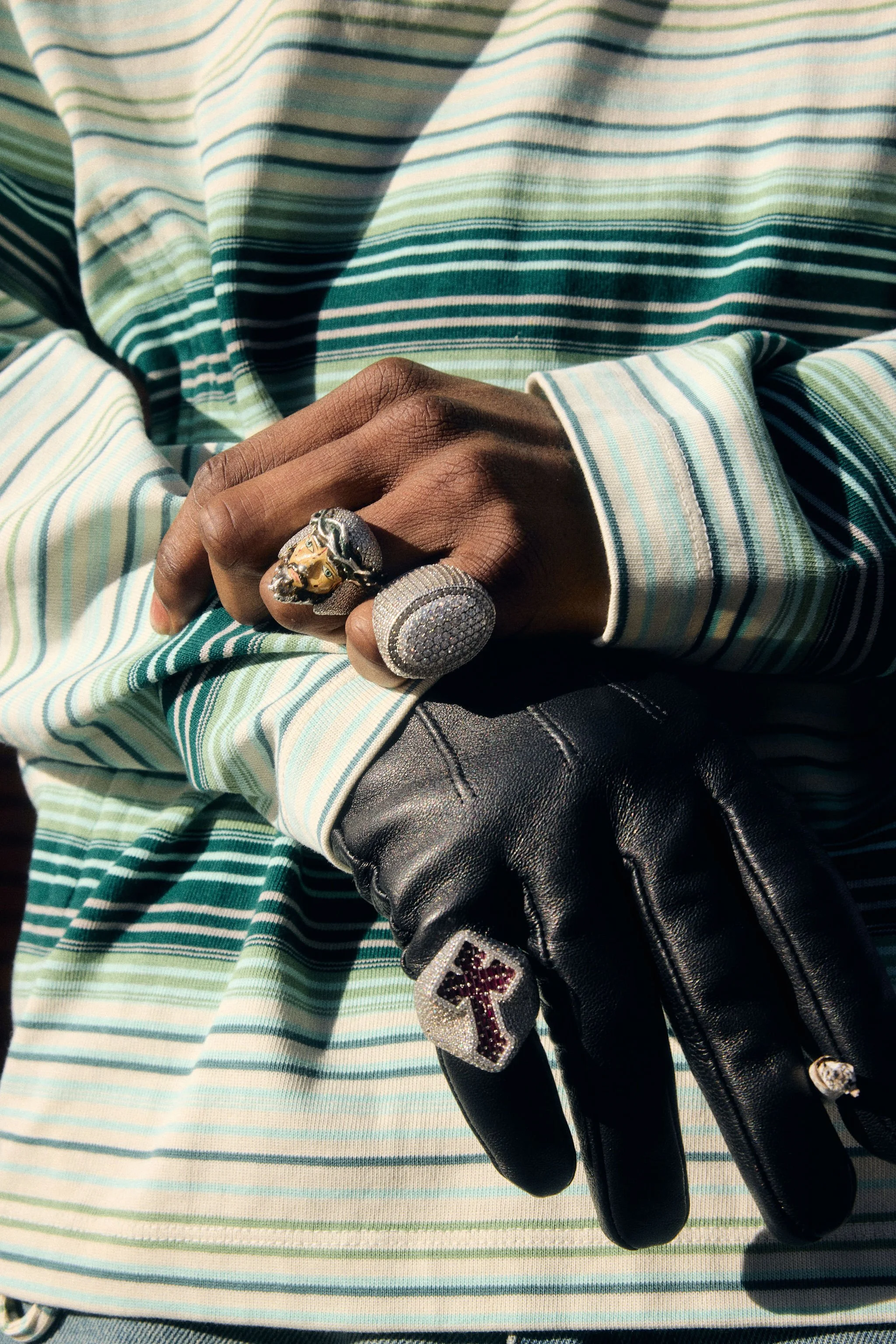
Fashion plays a similar role. Shallipopi’s style doesn’t follow a fixed template; it shifts with mood and moment.
“I dress how I feel,” he says. “Some days it’s loud, some days it’s sharp, some days it’s just confidence.”
What’s consistent is intention. Clothes aren’t decoration—they’re prelude. “They help me tell my story before the music even starts.”
In that sense, fashion becomes another layer of the Shallipopi universe: a visual language that signals energy, ambition, and self-belief before a beat ever drops.
As Afrobeats continues its global ascent, Shallipopi is clear about what still gets lost in translation.
“People think it’s one sound,” he says. “But it’s not. Afrobeats is culture. Lifestyle. There’s freedom in it.”
That freedom, he insists, is generative rather than derivative. “We’re not copying anything. We’re creating—and the world is catching up.”
AURACLE embodies that mindset. It doesn’t chase global relevance; it assumes it. The album feels less like an export and more like an invitation into a self-contained world.
Ask Shallipopi whether he’s more excited about pushing his sound or expanding his image, and he doesn’t separate the two.
“The sound opens the door for something that lasts,” he says. “I’m not just recording songs and releasing them. I’m building a whole universe.”
He has a name for it already: Plutomanias.
It’s a telling word—suggesting obsession, orbit, gravity. Shallipopi doesn’t just want listeners; he wants believers. And with AURACLE, he’s made a compelling case.
Follow Shallipopi on Instagram.