
At The Pass: José Pizarro on 15 Years of Pizarro, the Evolution of Spanish Food and Staying True to His Roots
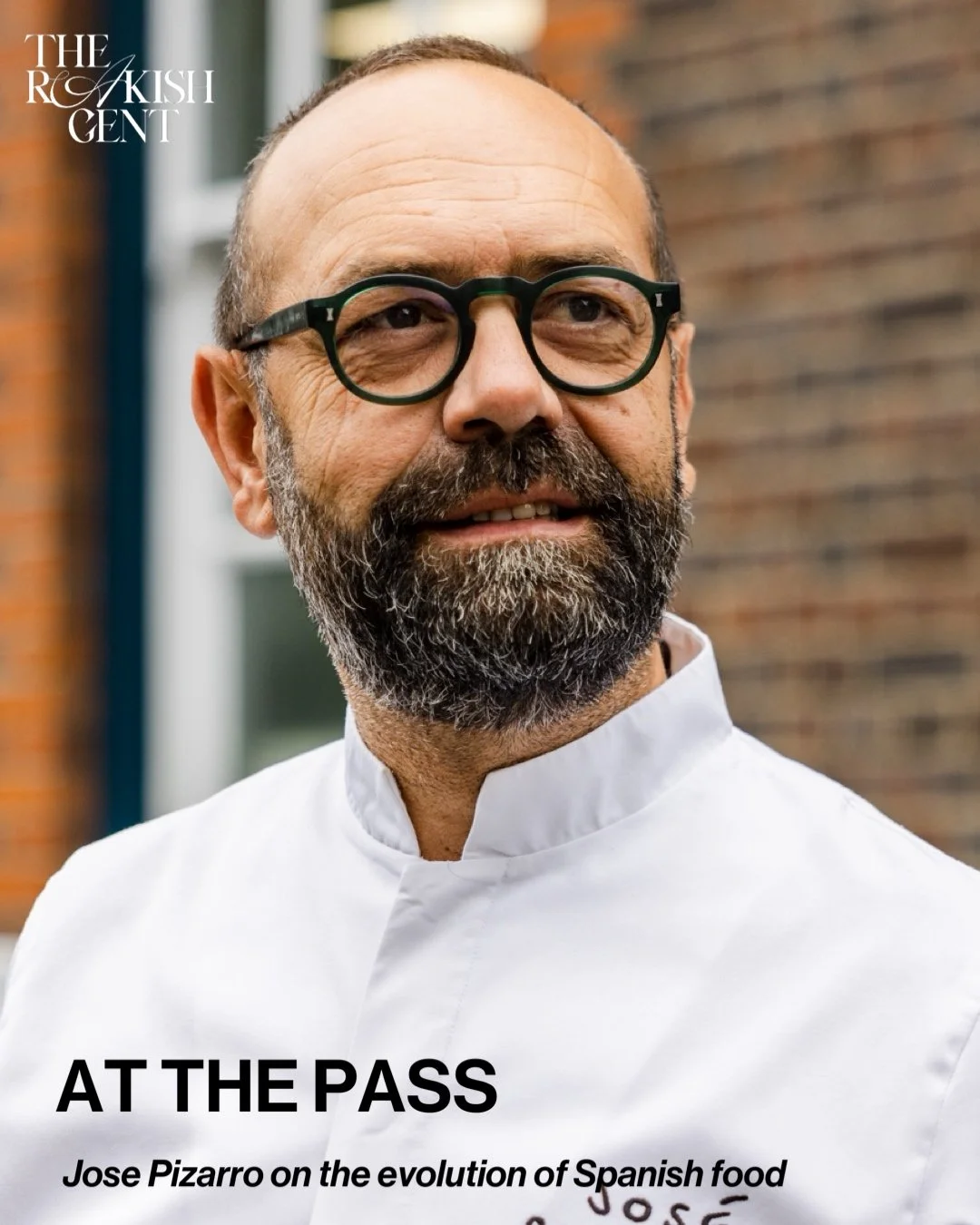
Fifteen years after opening his Bermondsey restaurant, José Pizarro has built a hospitality group spanning London, Surrey, Abu Dhabi and southern Spain. Yet, amid the newer ventures, cookbooks and accolades, his philosophy remains remarkably straightforward: good ingredients, proper cooking and food that brings people together.
Fifteen years after opening his Bermondsey restaurant, José Pizarro has built a hospitality group spanning London, Surrey, Abu Dhabi and southern Spain. Yet, amid the newer ventures, cookbooks and accolades, his philosophy remains remarkably straightforward: good ingredients, proper cooking and food that brings people together.
When José Pizarro opened his first restaurant on Bermondsey Street in 2011, he wanted to recreate something of the tapas bars he had grown up with in Spain: informal, characterful places where the food was taken seriously but the atmosphere never felt overly so. José, the 20-cover restaurant that started it all, was followed later that year by Pizarro, a larger space with an open kitchen and room for a broader expression of his cooking. Fifteen years on, both remain central to his London operation.
The anniversary offers an opportunity to take stock of a career that has extended well beyond those original premises. Pizarro now operates seven hospitality venues across London, Surrey, Abu Dhabi and southern Spain, with projects ranging from the all-day Mediterranean-inflected cooking of Lolo (his third Bermondsey Street restaurant, which opened in 2024) to Keeper’s House at the Royal Academy of Arts. There are cookbooks, an online Spanish food emporium, cruise-ship menus and Iris Zahara, a clifftop Andalusian villa available for curated culinary stays.
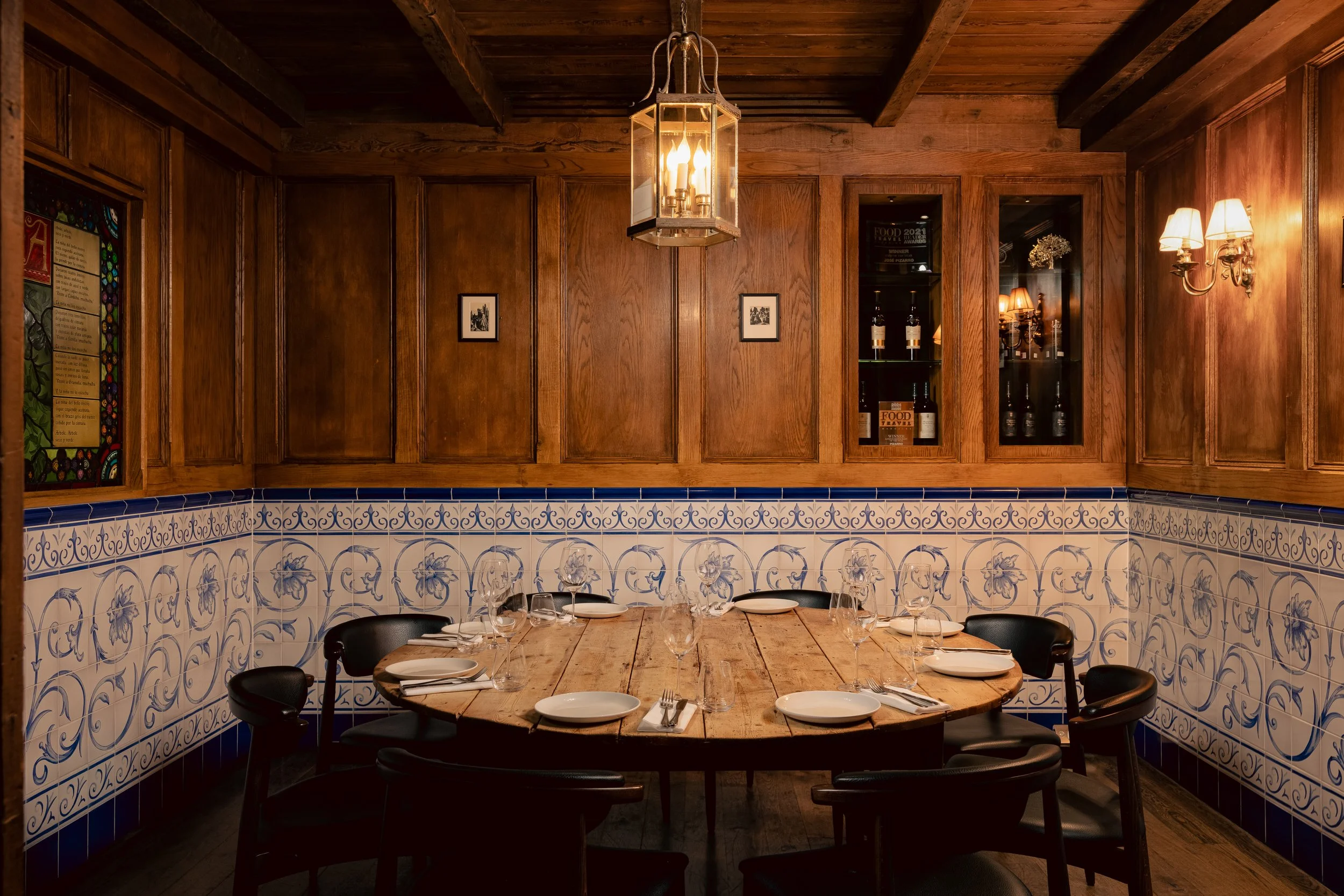
For all that expansion, Pizarro is not particularly interested in reinvention for its own sake. “I don't think I've changed very much, to be honest,” he says. “I've always stayed true to my roots and the food I believe in.” Some dishes have remained on the menu since the restaurant first opened, a continuity he takes considerable pride in. Evolution, certainly; abandoning the principles that got him here, not so much.
That conviction was formed long before Bermondsey. Originally from Cáceres, in Extremadura, western Spain, Pizarro began his career in kitchens close to home before moving to Madrid to work at El Mesón de Doña Filo. He arrived in London in 1999, taking positions at Gaudi in Clerkenwell and Eyre Brothers in Shoreditch before co-founding Brindisa, where he spent seven years as executive chef. By the time he opened his own restaurants, he had a clear idea of the food he wanted to cook and the kind of experience he wanted to offer.
His early experience in Britain also challenged assumptions about how receptive diners would be to Spanish cuisine. “I learnt very quickly that people were genuinely interested in discovering Spanish cuisine,” he says. “British diners were much more adventurous than perhaps people expected.” That appetite gave him the confidence to introduce more of Spain's culinary breadth, beyond the familiar dishes that had long defined its food in the British imagination.
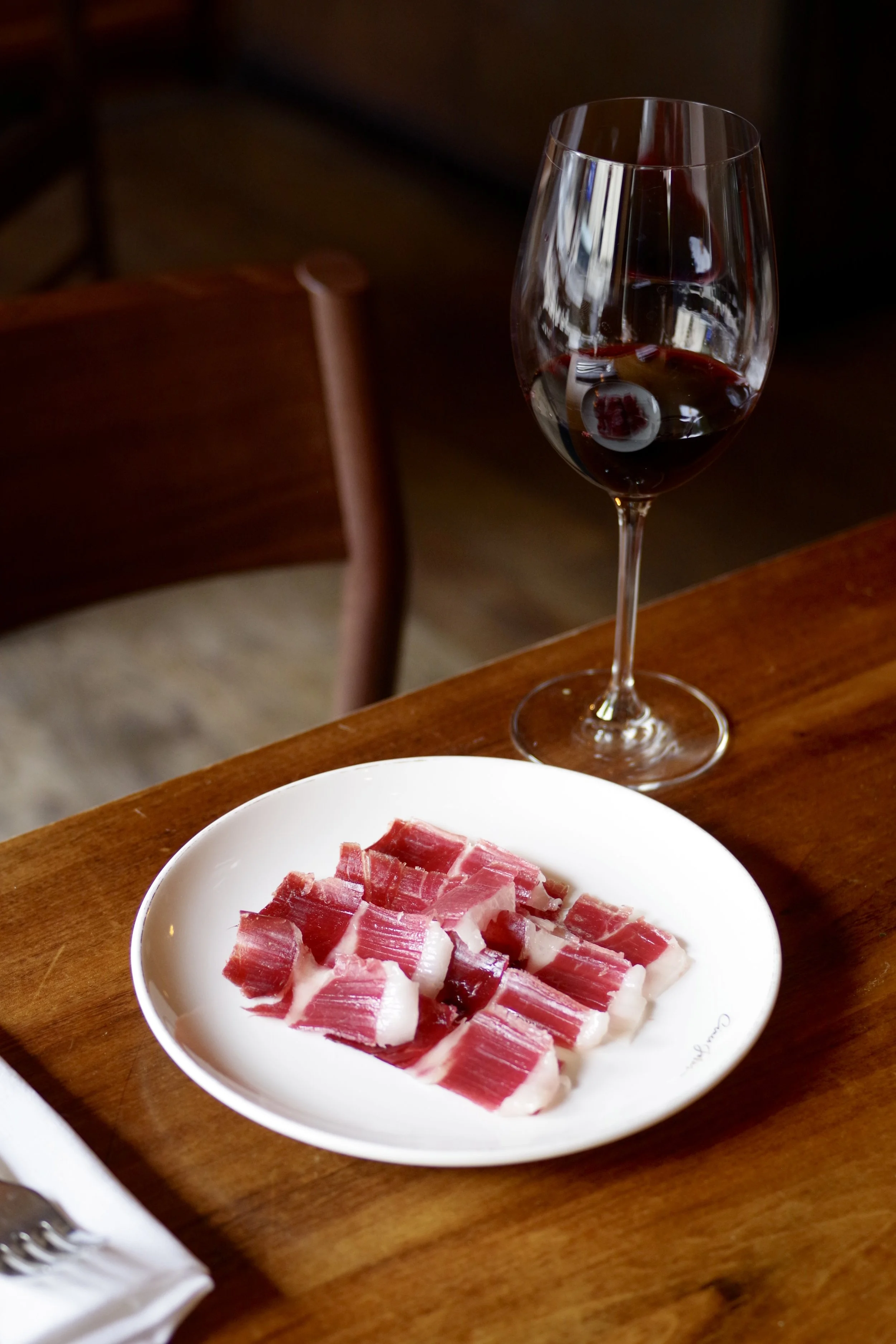
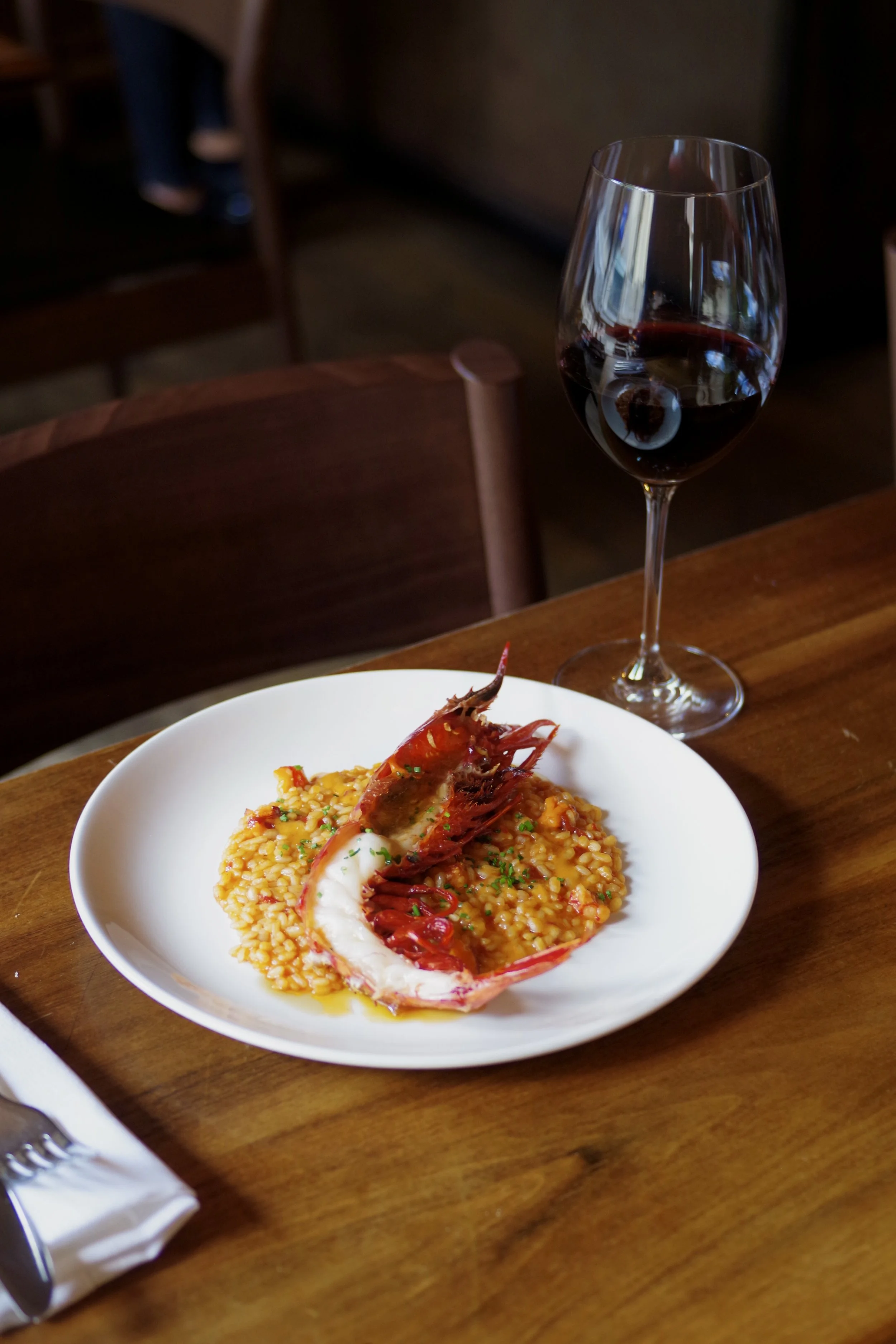
“When I first arrived, people mainly knew Spanish food through things like sangria, paella and patatas bravas,” he says. Today, he sees a far greater interest in ingredients such as jamón Ibérico, pimentón and Spanish olive oils, alongside the regions, producers and traditions behind them. The shift matters because Spanish cooking is not a single, easily packaged cuisine. Its ingredients, techniques and dishes reflect a country of distinct regional identities, and Pizarro has spent much of his career encouraging British diners to look beyond the obvious.
Living in London has only strengthened that connection to home. He regularly returns to Spain to visit producers, discover ingredients and keep abreast of developments in its different regions. The distance, he suggests, makes the importance of those roots more apparent rather than less. His cooking may be served thousands of miles from where he grew up, but its reference points remain firmly Spanish.
At Pizarro, that relationship between tradition and the present is embodied in a menu built around Spanish produce, generous sharing and dishes that favour flavour over unnecessary complication. The open kitchen was part of the original plan, not a design flourish added to make the restaurant feel contemporary. Pizarro wanted it to resemble his own kitchen at home, with a direct connection between the people cooking and those eating.
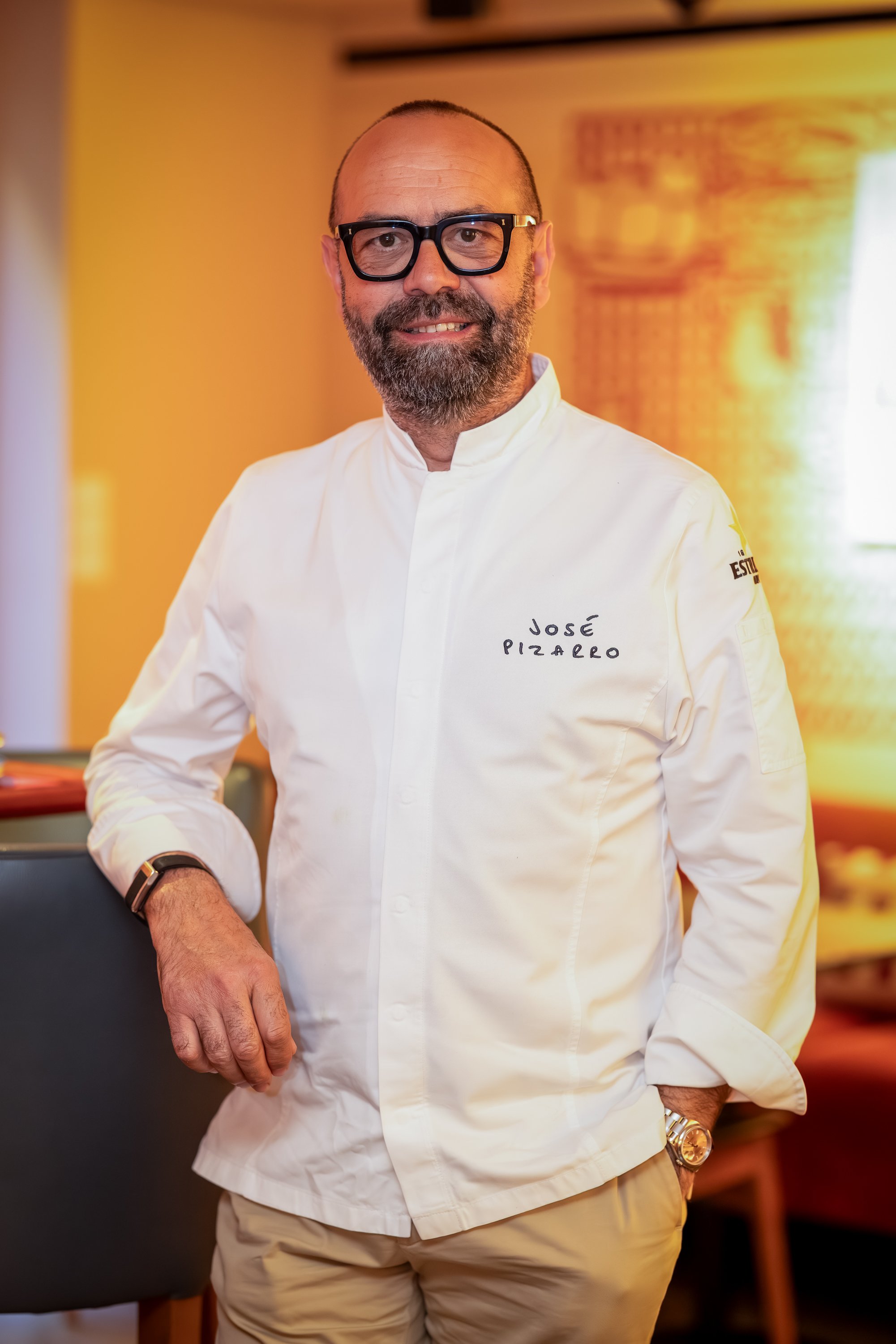
“I love being able to see the guests enjoying themselves, watching their reactions and feeling that connection between the kitchen and the dining room,” he says. The arrangement has a practical advantage, too: the team can spot a problem and respond immediately. Fifteen years on, that openness remains central to the restaurant's character.
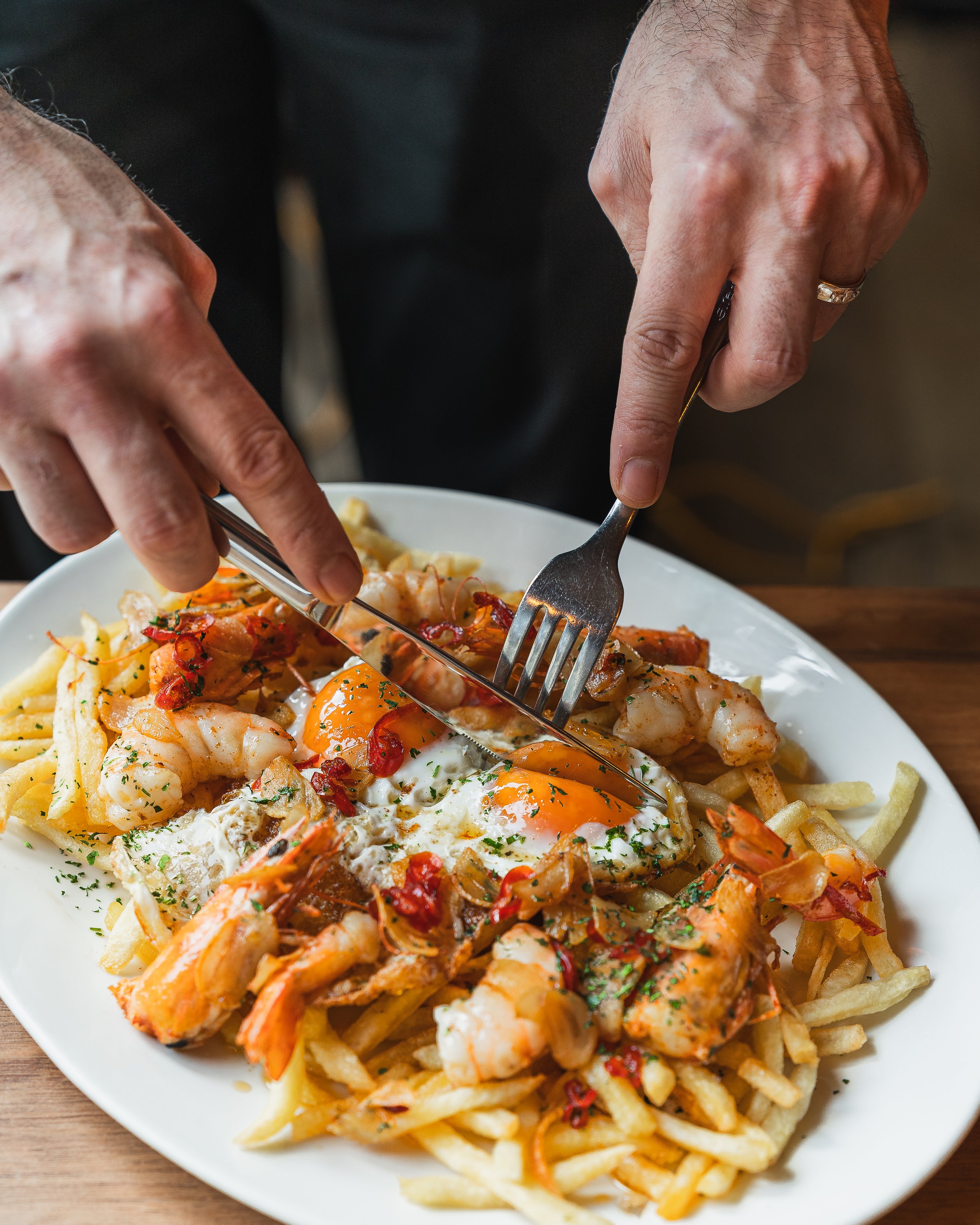
The food follows a similar logic. At Pizarro, a plate of wild white prawns cooked in garlic oil arrives with fried eggs and triple-cooked chips; the roasted baby chicken rice dish combines onion, chicken liver and alioli. The menu also makes room for the Tarta de Santiago de Peter, an almond cake based on his husband Peter's recipe for the traditional Galician dessert. These are dishes with a clear sense of place, but they are not presented as exercises in culinary heritage. They are there to be eaten, shared and enjoyed.
Ask Pizarro what separates a great tortilla, croqueta or plate of prawns from a forgettable one, and his answer begins with the raw materials. “You cannot make a fantastic dish with poor ingredients and expect a miracle.”
Technique and attention follow, but the principle is uncomplicated: the simpler the dish, the less room there is to disguise a mistake. Restraint, in this context, is not the absence of skill. It is knowing exactly where that skill needs to be applied.
That same refusal to be confined to one formula helps explain Lolo, which opened on Bermondsey Street in 2024. Taking its name from Pizarro's childhood nickname, it is the more relaxed sibling to José and Pizarro, drawing on Mediterranean influences, the food he enjoys cooking at home and things he encounters while travelling. The all-day format moves from weekend breakfast to leisurely lunches and evening drinks, with a menu that gives him room to experiment without abandoning the flavours that underpin his cooking.
“I wanted it to be somewhere that reflects how I actually like to eat,” he says. “It's a little more playful, and I love that. I don't want to put myself in a box and say I can only cook one way. Food should be fun.”
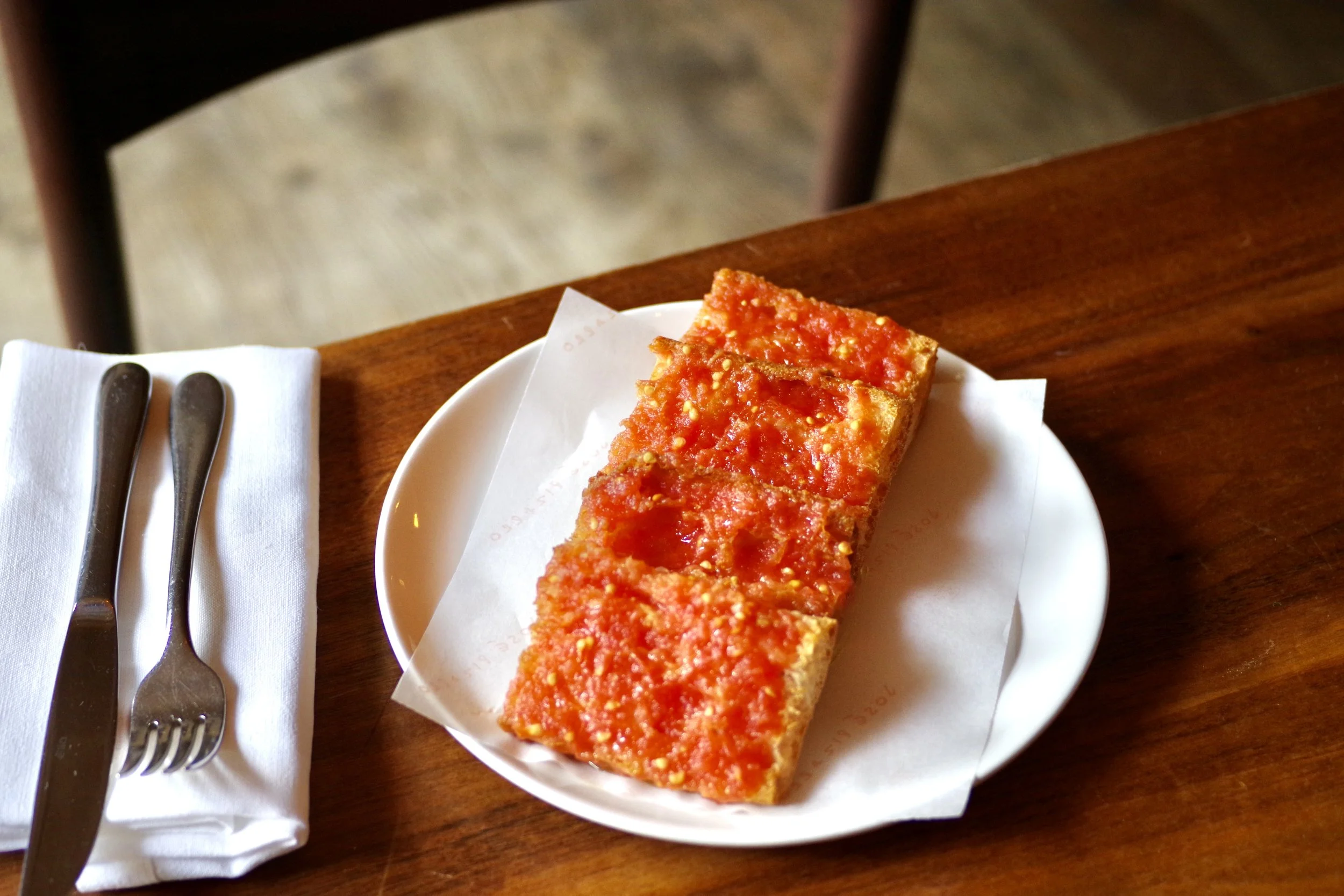
It is a useful distinction. Remaining true to your roots does not mean repeating yourself indefinitely. Pizarro is as interested in refining familiar dishes as he is in discovering new ones, and inspiration can come from almost anywhere: a market, a producer's farm, a meal at a friend's house or a trip somewhere unfamiliar. The excitement of finding an exceptional ingredient, he says, has never worn off.
Beyond Bermondsey, his projects have taken Spanish cooking into different settings. The Swan Inn in Esher brought his food into a traditional British pub; José by Pizarro opened at Conrad Abu Dhabi Etihad Towers in 2023; and since late 2025, his contemporary Spanish cuisine has been served at Keeper's House, the Royal Academy of Arts' restaurant and lounge for members and their guests. In southern Spain, Iris Zahara offers a different way to experience the food and landscape that have shaped his career, with guests able to arrange culinary stays at the five-bedroom villa he owns with Peter.
His cookbooks and José's Pantry extend that ambition into people's homes, while his work with P&O Cruises introduces Spanish flavours to diners at sea. The formats differ, but Pizarro sees a common purpose: making the food and ingredients he loves accessible to more people. Yet when asked where he feels most like a chef, the answer is immediate. “In the kitchen, of course!”
There is a personal dimension to that commitment, too. Pizarro has received significant recognition in Spain, including the Medal of Extremadura in 2024 and the Gran Maestre de la Orden de Isabel la Católica, awarded by King Felipe VI. For someone who left home as a young chef looking to learn, the honours carry particular weight. “Extremadura will always be home to me, and being recognised by the place where I grew up means so much,” he says.
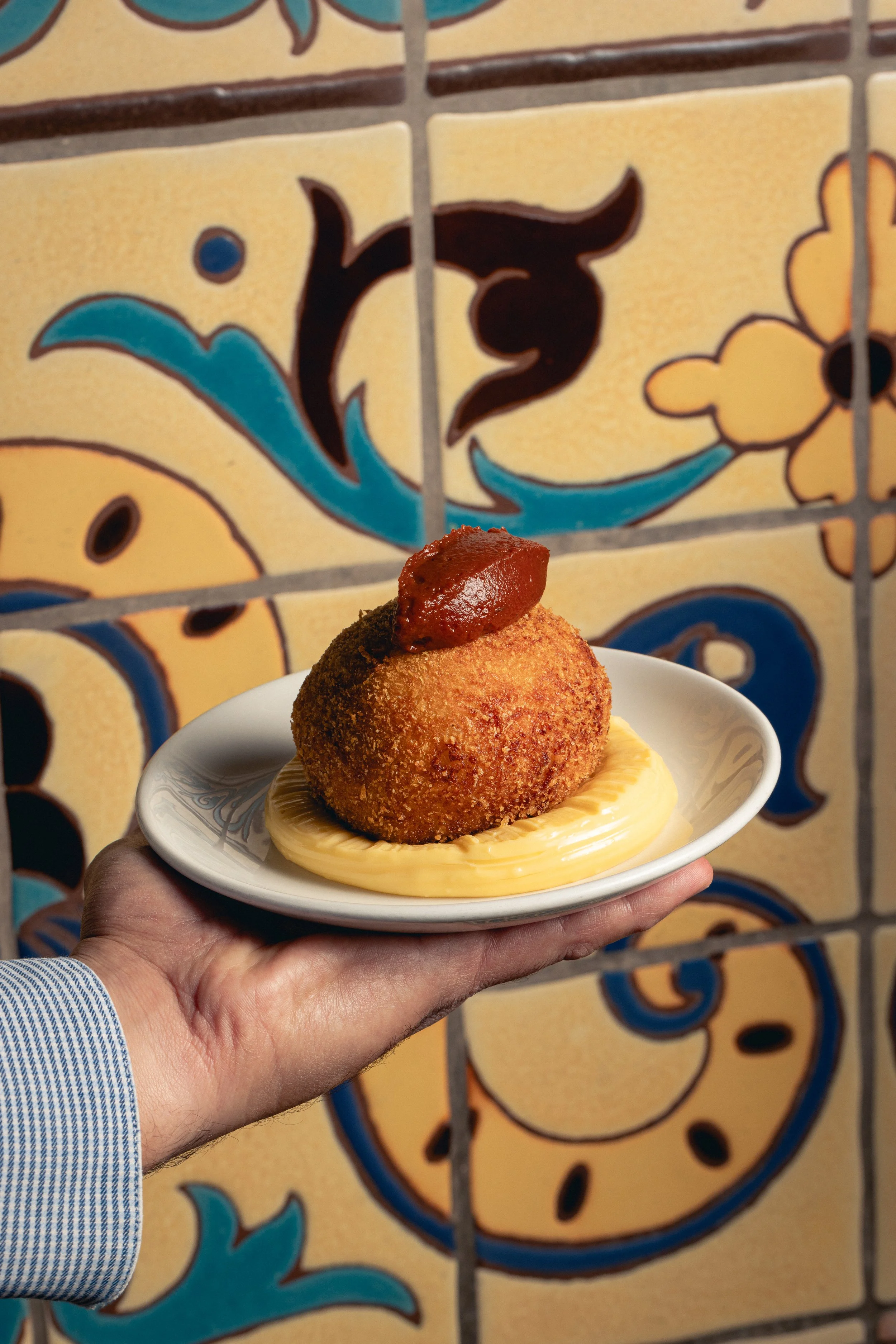
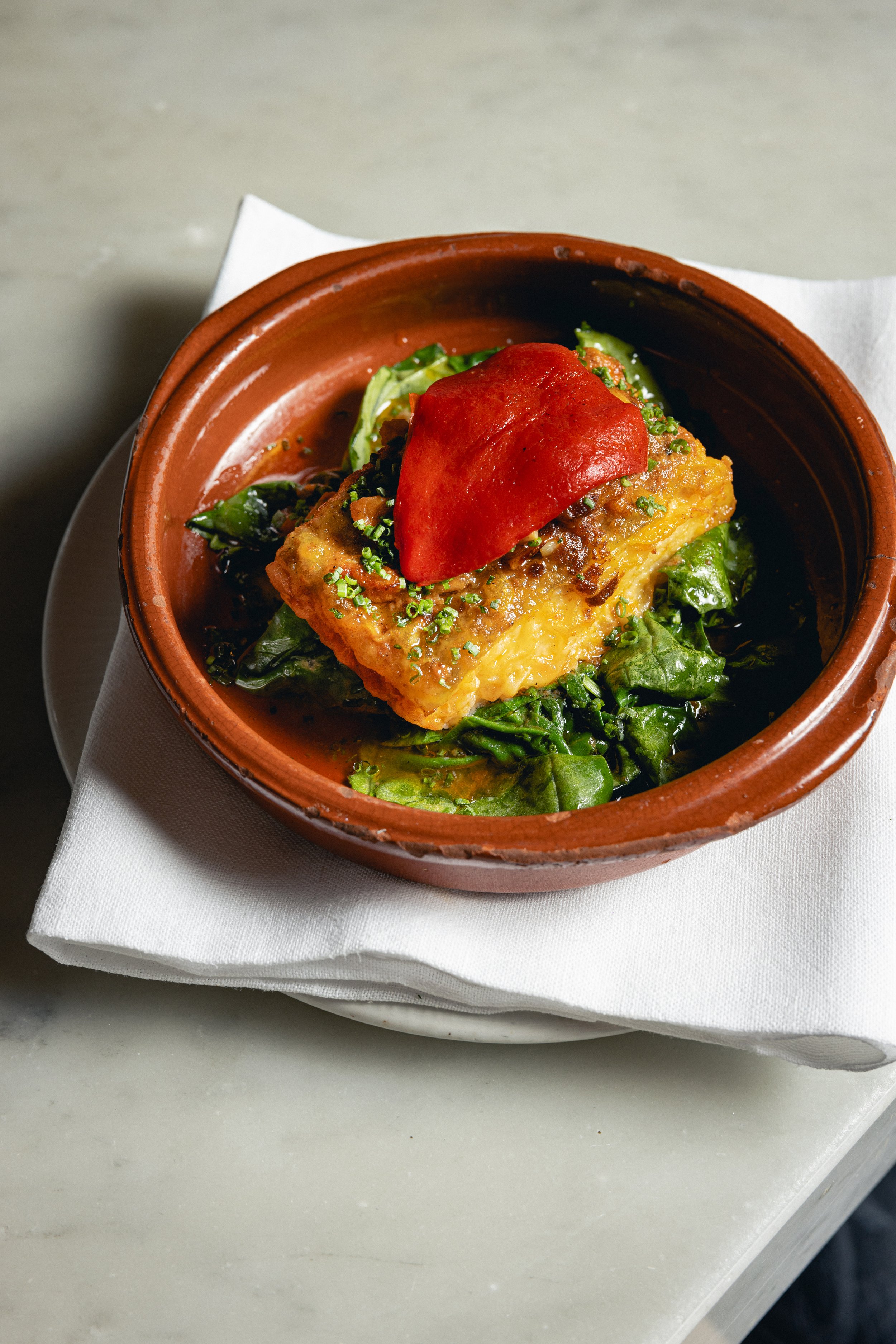
The awards have not altered the way he cooks, but they have sharpened his sense of responsibility towards the producers, traditions and gastronomy he represents. It is an obligation he seems to regard less as a burden than as a natural extension of the work.
Fifteen years is a significant milestone for any restaurant, particularly in a business where consistency is hard-won and expansion can easily dilute the original idea. Pizarro's response is characteristically unsentimental. Asked what he would tell his younger self on the eve of opening in Bermondsey, he would advise him to trust his instincts, surround himself with good people and worry less about what others think.
“Enjoy the journey, because it goes so quickly,” he says. “Fifteen years! I honestly can't believe it.”
For all the new addresses and projects, the measure of success remains close to the one he started with: the team, the guests, the producers and the pleasure of putting good food in front of people. The restaurants may have multiplied, but the principle has not needed much adjustment.
Book a table at Pizarro.