
At The Pass: Kostas Papathanasiou, Lita
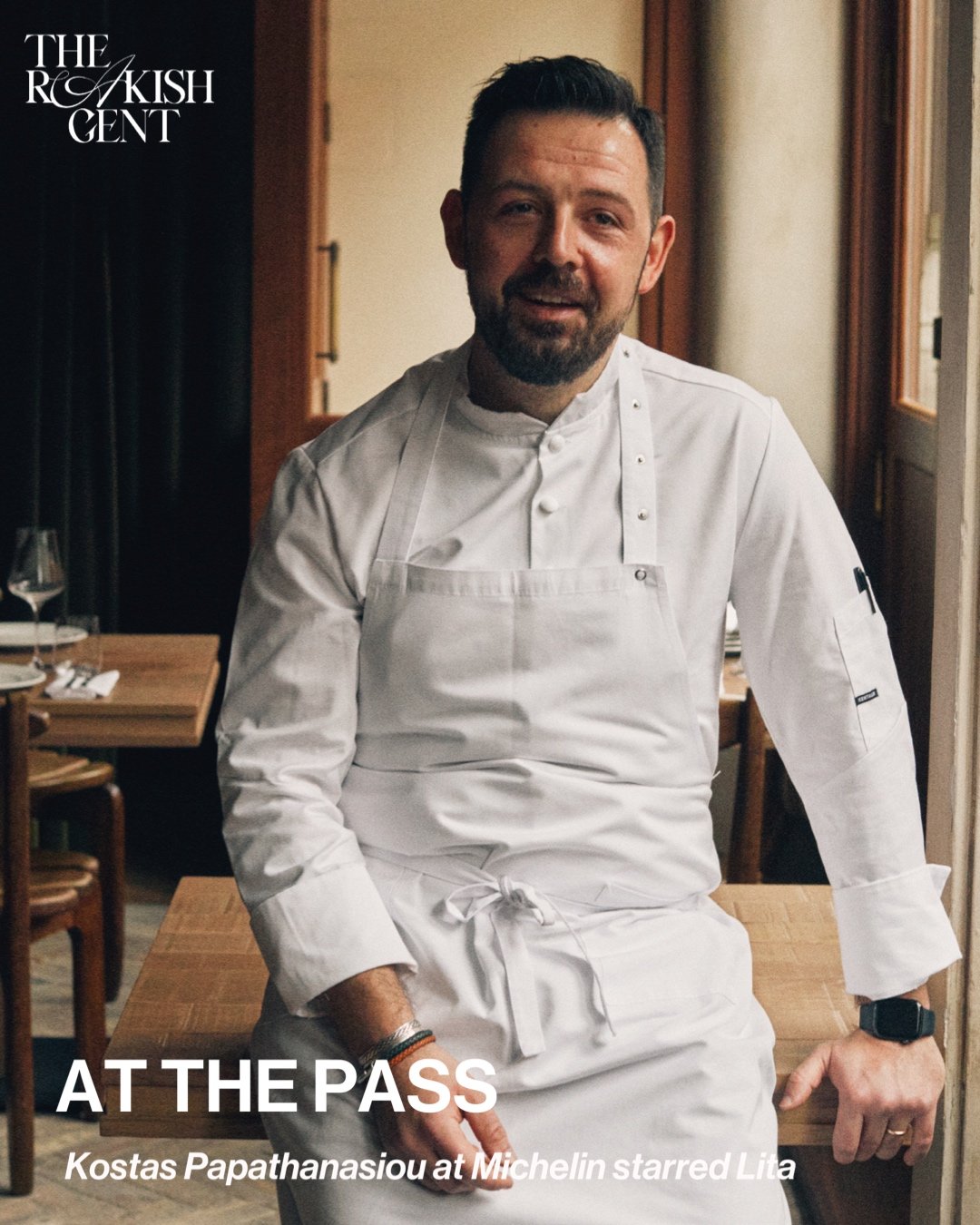
The route to a Michelin-starred kitchen is rarely straightforward. Few, however, begin with a teenage chef from a small Greek city turning up unannounced at one of the world's most famous restaurants and asking for a job.
For Kostas Papathanasiou, now Culinary Director at Lita in Marylebone, that moment at The Fat Duck would become one of several defining decisions in a career built as much on instinct as ambition. More than a decade later, the Greek chef has worked under some of the industry's most influential figures, from Heston Blumenthal and Brett Graham to Jason Atherton and Björn Frantzén. Along the way, he has cooked in Ireland, Switzerland, Singapore, Sweden and London, collecting techniques, perspectives and philosophies that now inform one of the capital's most compelling Michelin-starred dining rooms.
Yet despite the globetrotting career and the pedigree of the kitchens on his CV, Papathanasiou's cooking remains rooted in something far simpler: the lessons learned growing up in Lamia, a coastal city in Central Greece, where food was inseparable from family, agriculture and seasonality.
"I learned early that everything starts with the ingredient and respecting the work behind the product," he says. "That connection to the land and agricultural traditions never leaves you; it's the foundation of my cooking."
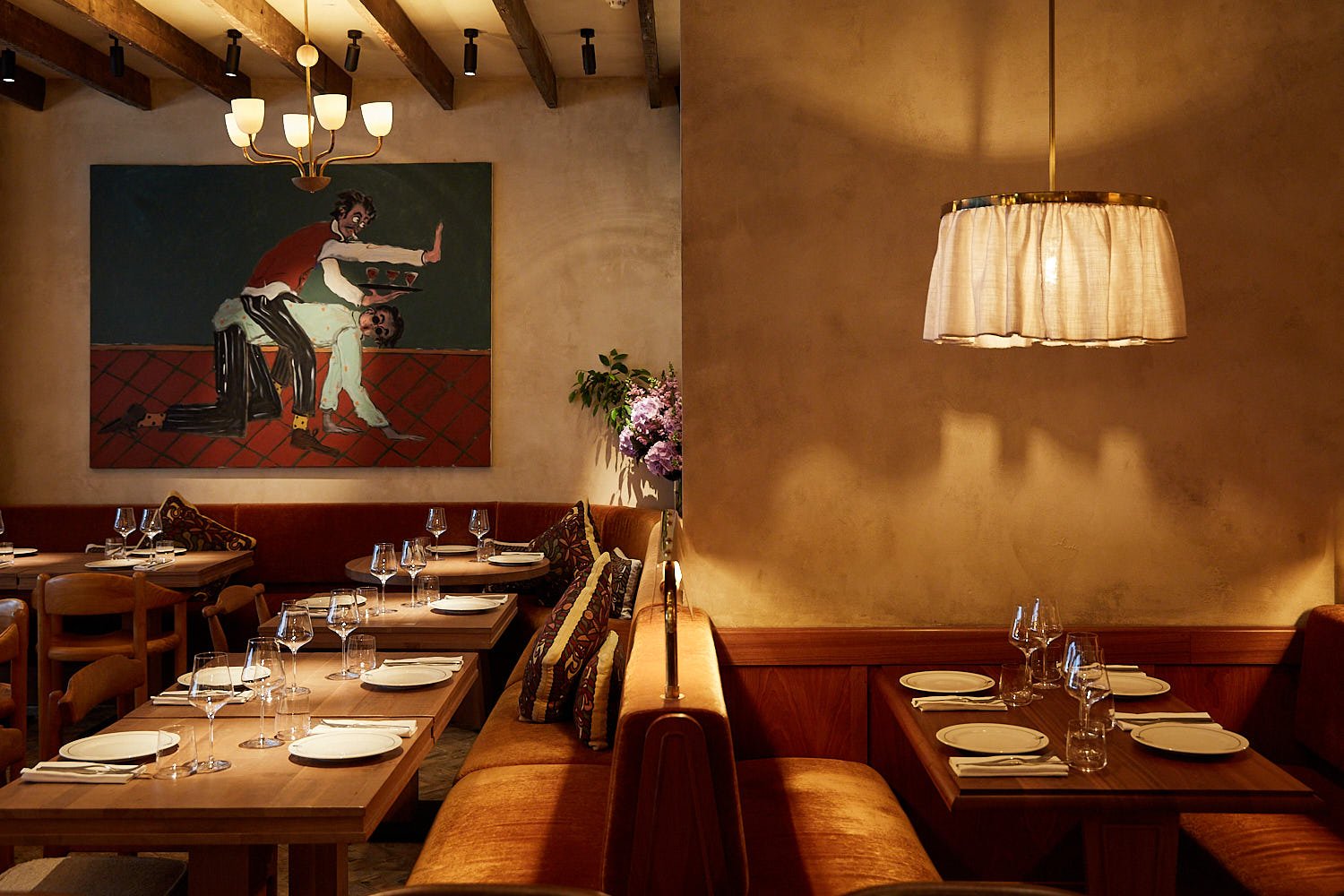
It is a philosophy that feels particularly suited to Lita, the Marylebone restaurant that has quickly established itself as one of London's most sought-after tables since opening in 2024. Named after a family abbreviation of abuelita – Spanish for grandmother – the restaurant has always traded on warmth rather than formality. Its appeal lies in creating the feeling of a Mediterranean family gathering rather than a hushed temple of gastronomy.
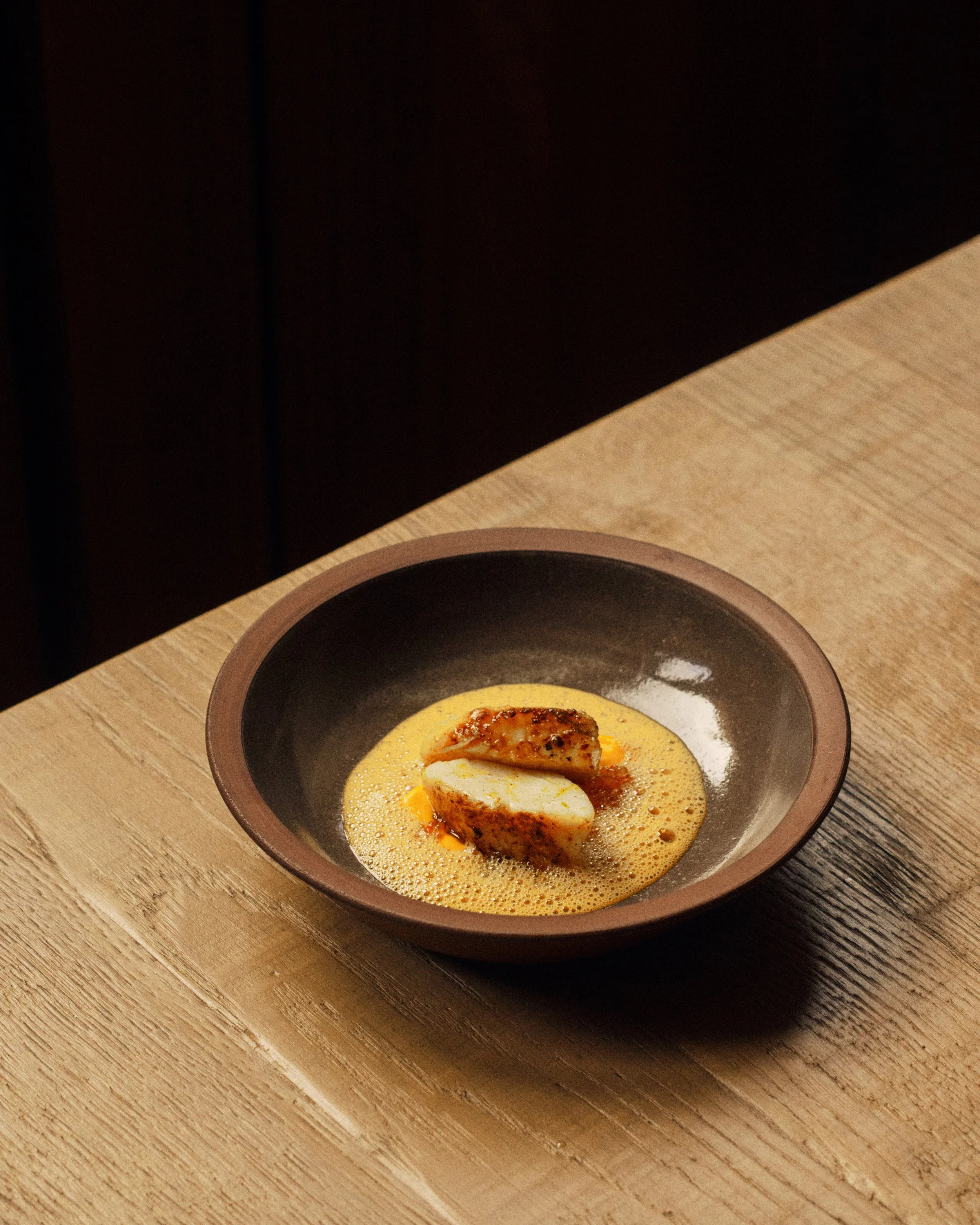
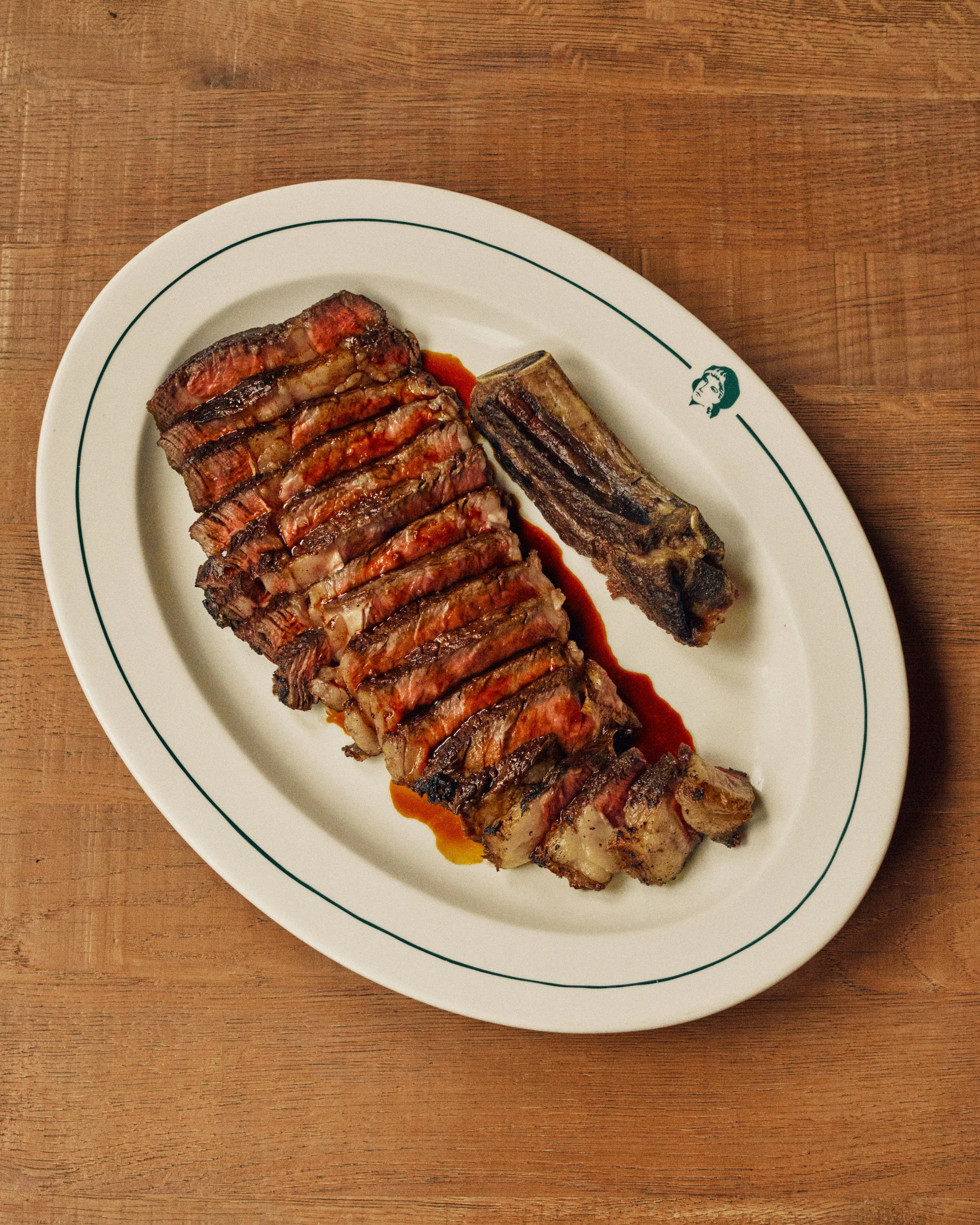
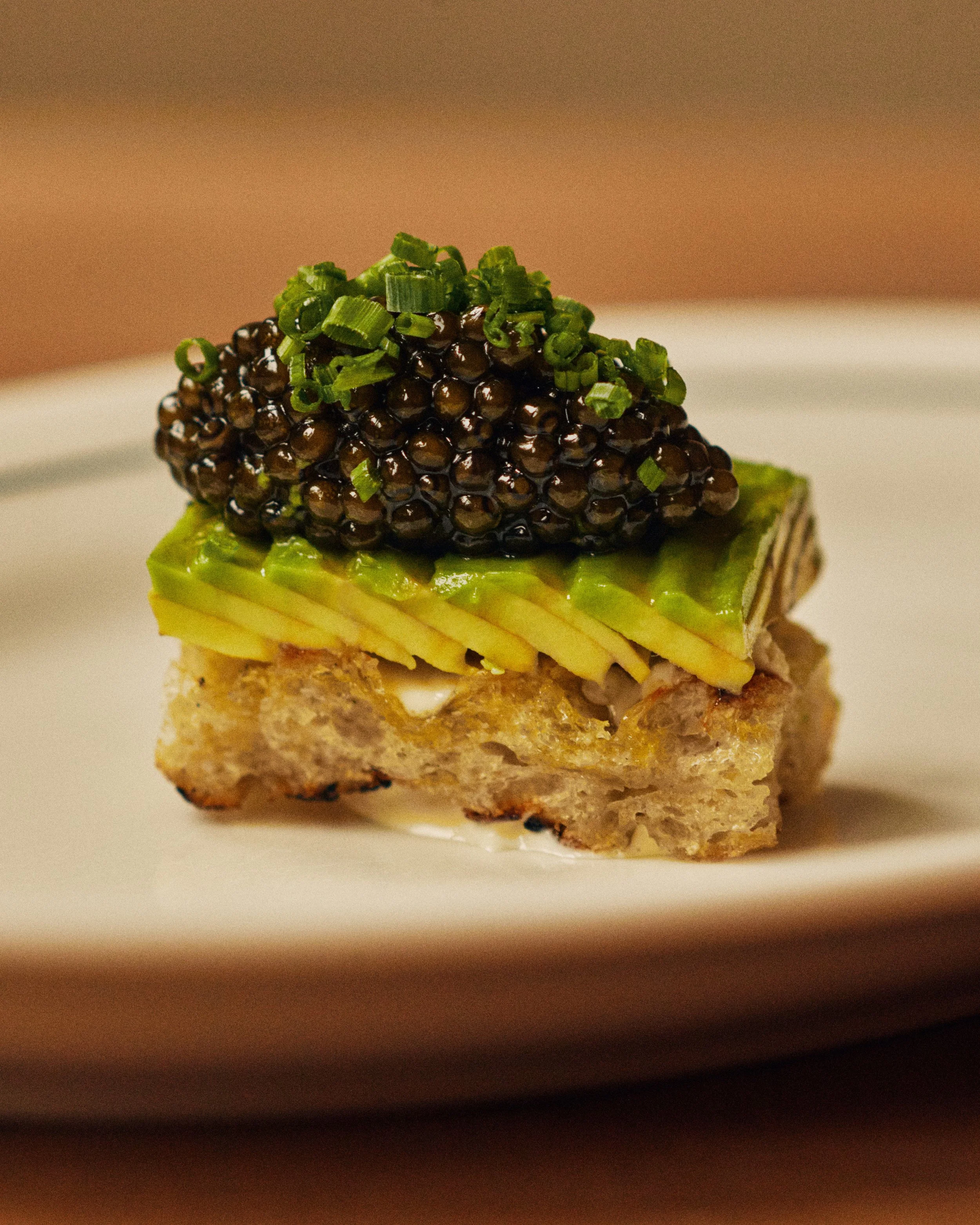
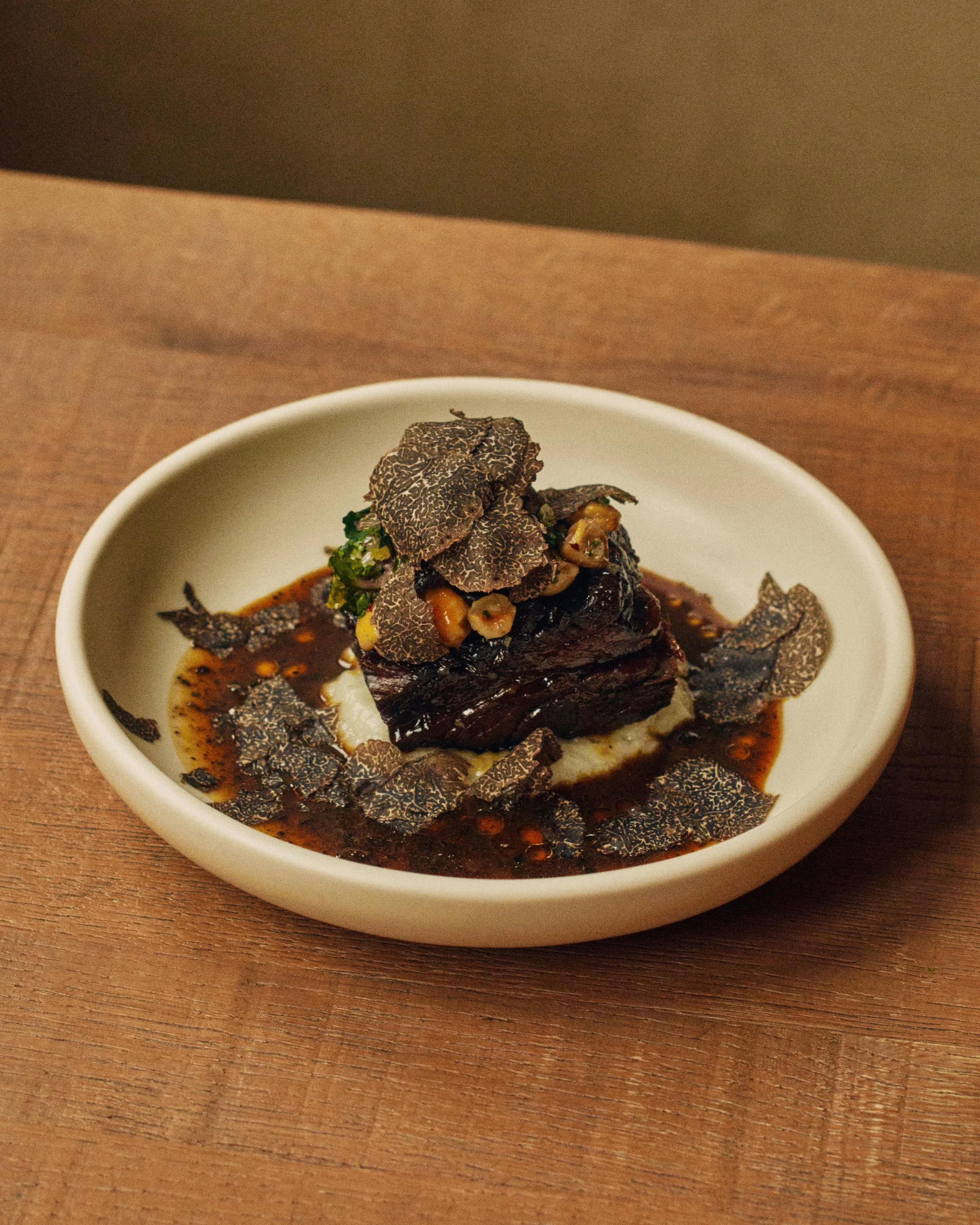
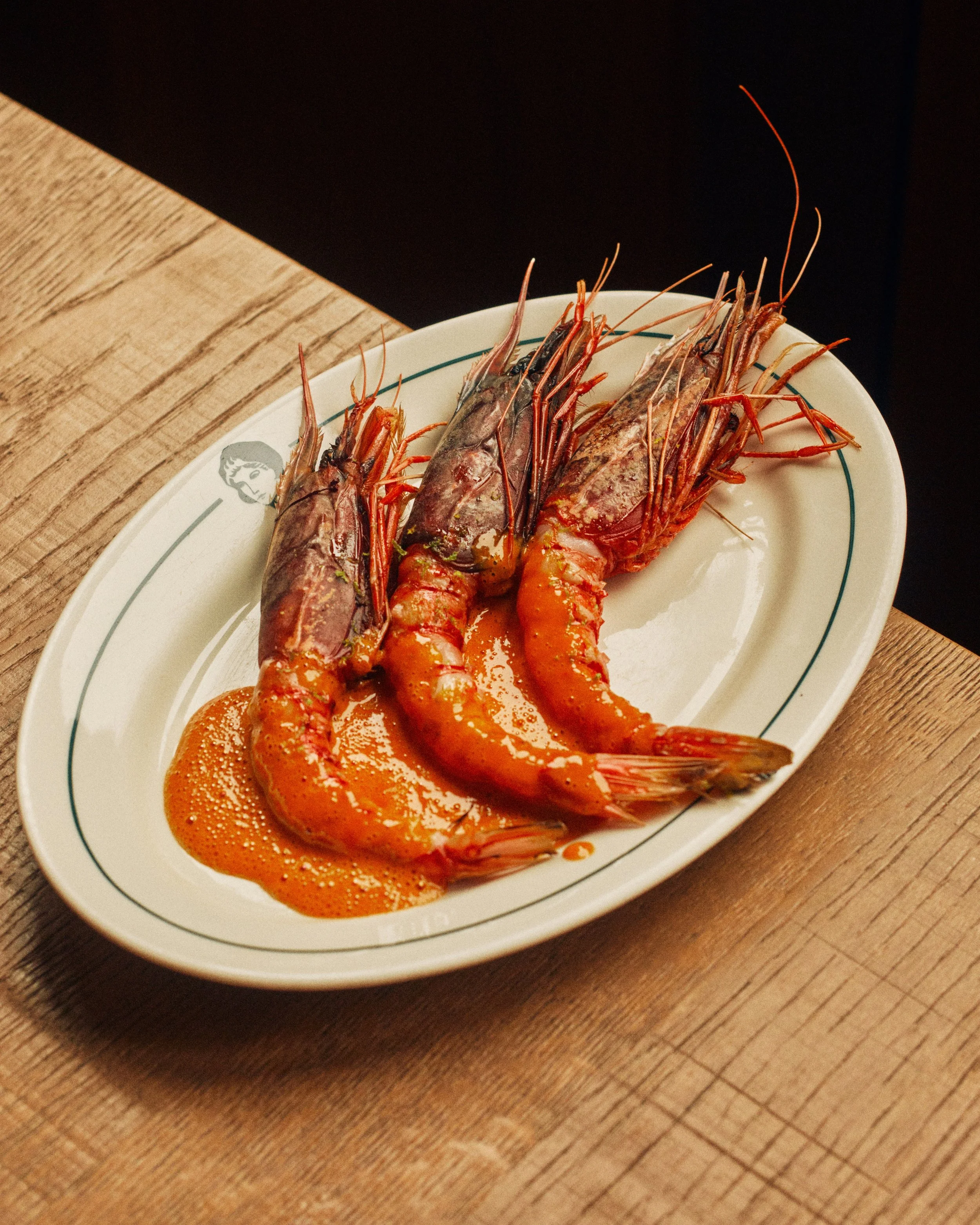
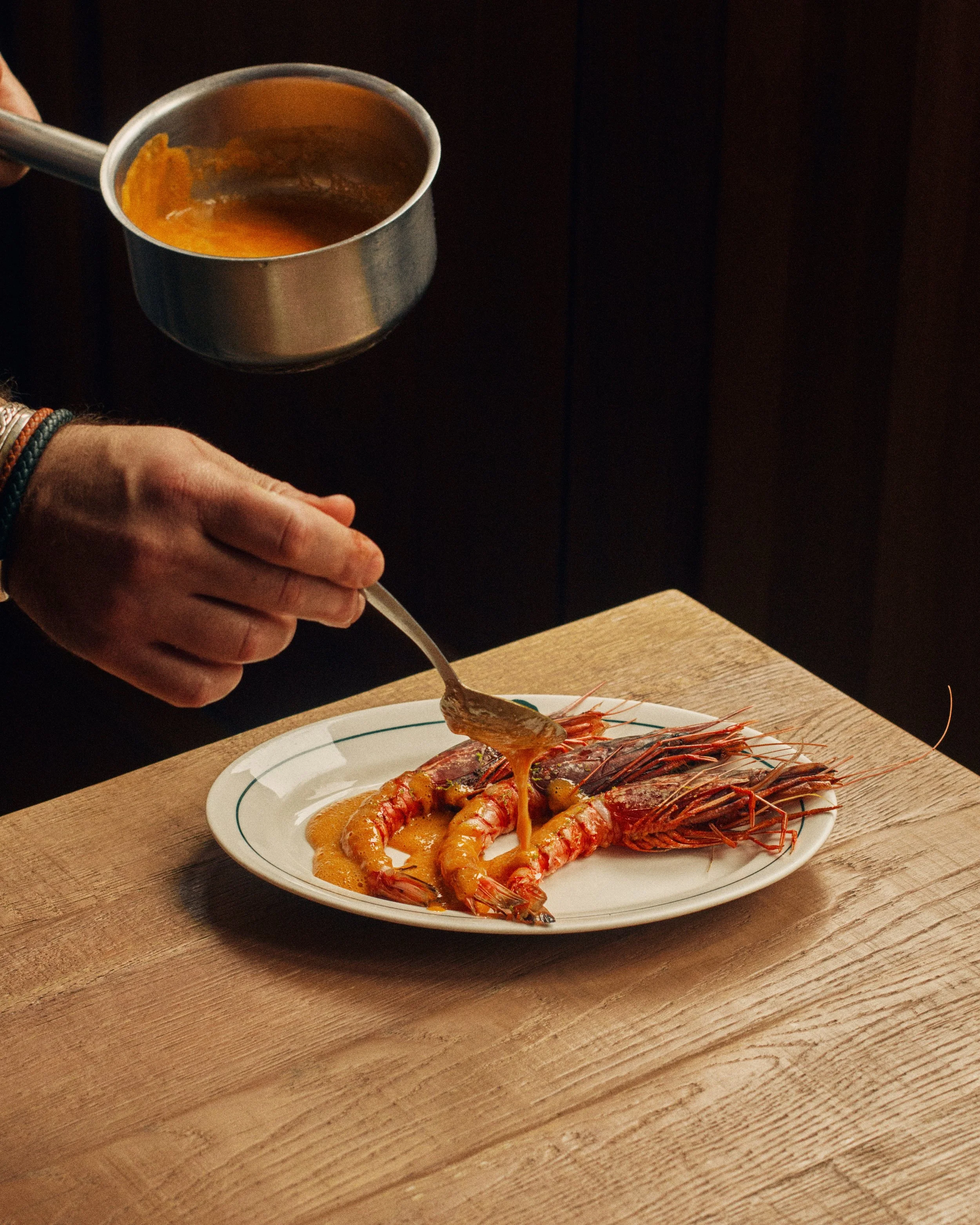
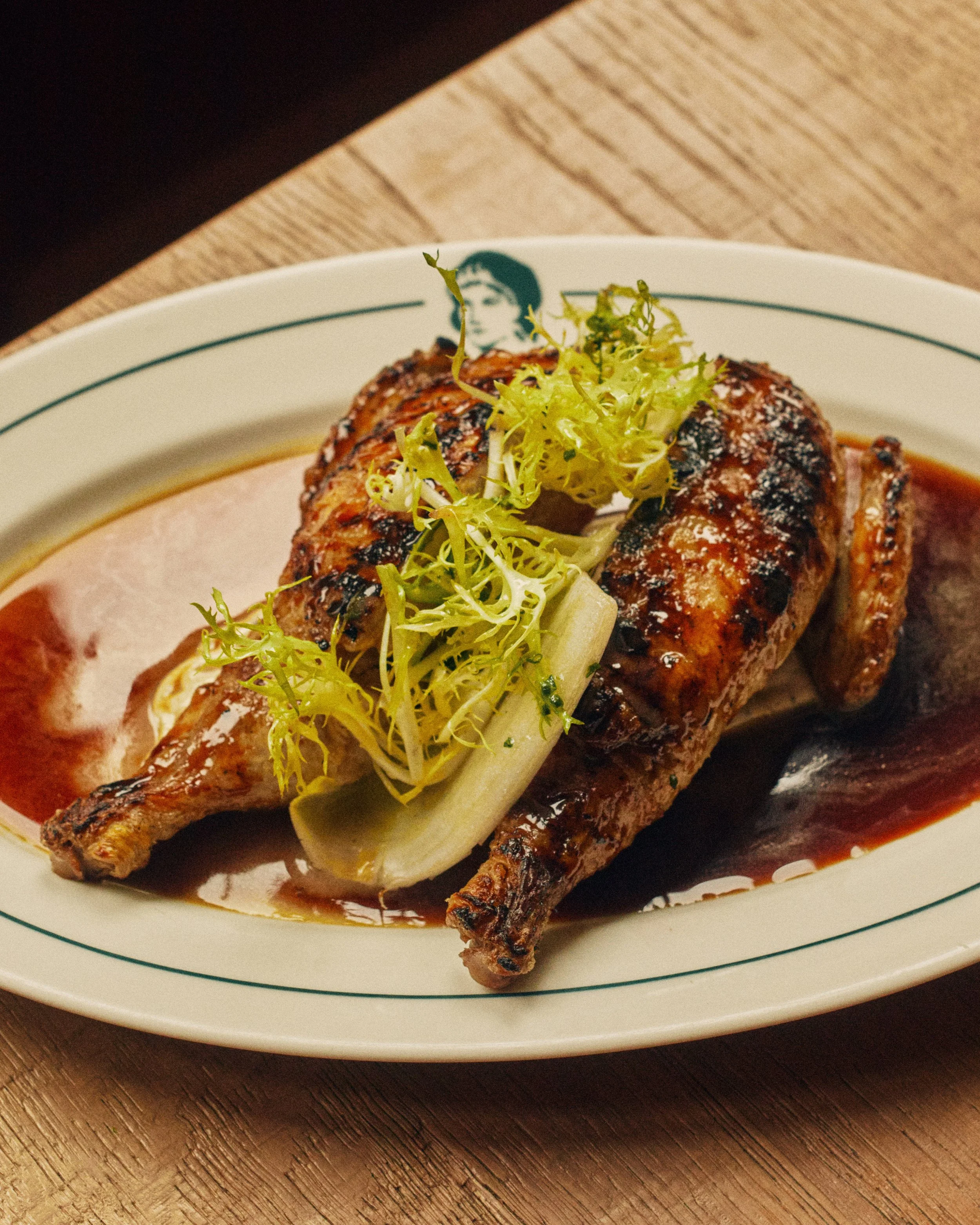
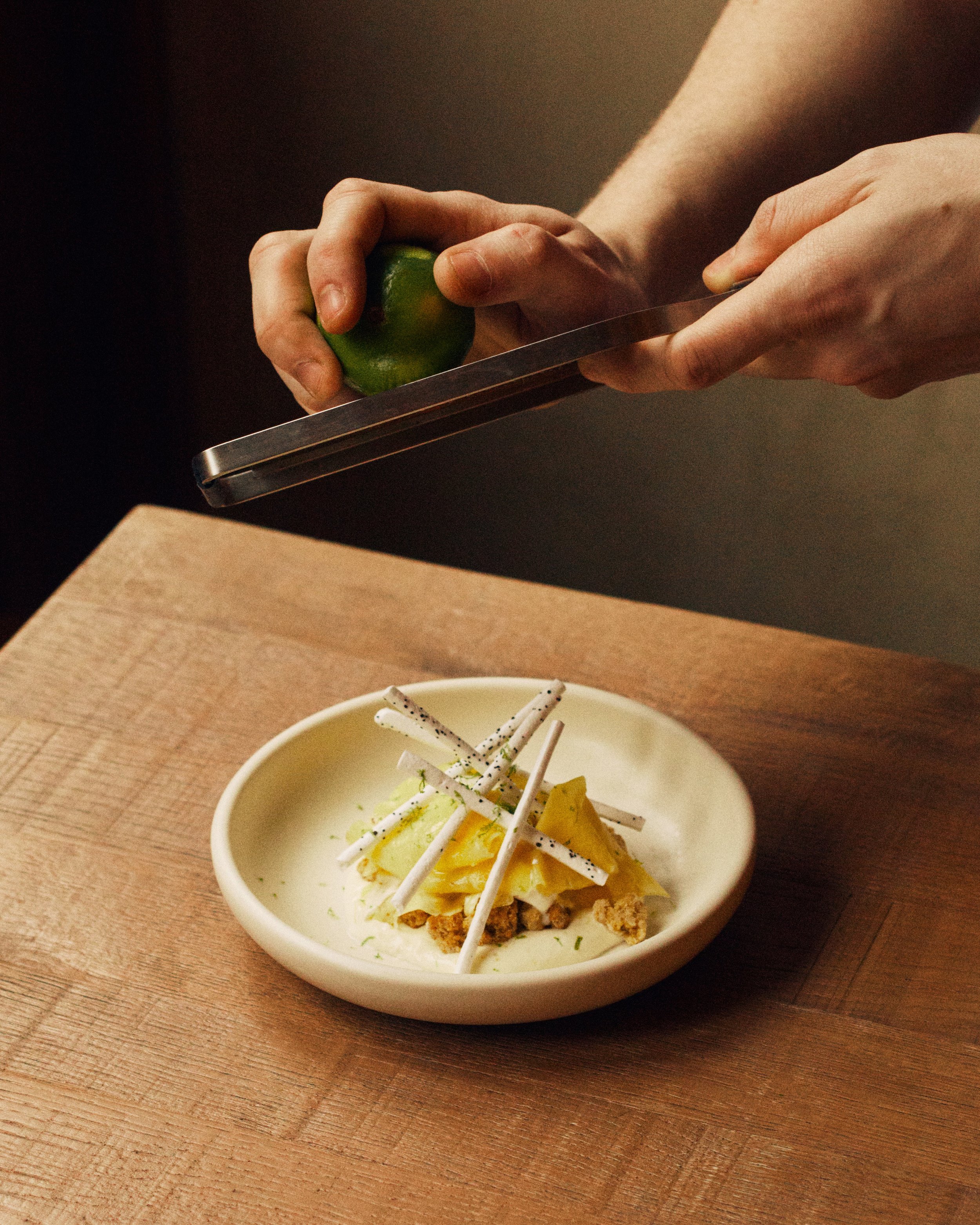
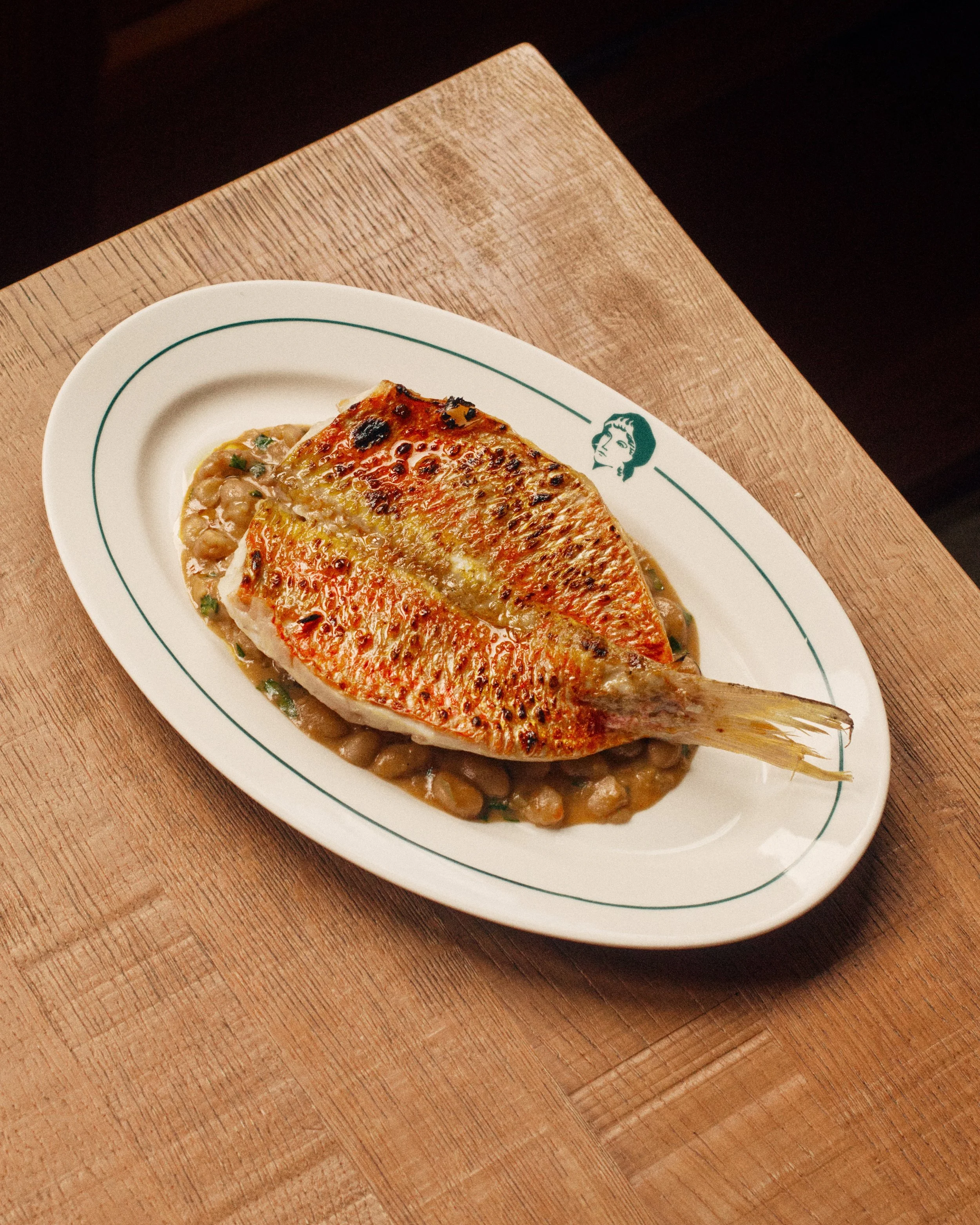
When Papathanasiou arrived in November 2025, replacing neither the restaurant's identity nor its Michelin ambitions but instead inheriting both, he understood the challenge immediately.
The temptation when stepping into a Michelin-starred kitchen is often to impose yourself. Reinvention can be seductive. Papathanasiou chose another route.
"Lita has a clear identity as a neighbourhood restaurant with warmth and spirit," he explains. "My goal is to refine that without changing it completely."
That measured approach paid off. In February 2026, Lita retained its Michelin star, confirming that continuity can be just as valuable as disruption.
His respect for ingredients and restraint stems directly from his upbringing. His grandfather farmed in the Roumeli region of Greece, an area known for its agricultural traditions and increasingly celebrated for sustainable farming practices. Family meals were daily rituals rather than special occasions, prepared by parents and grandparents who understood instinctively what was in season and what belonged on the table.
Those lessons continue to shape how he thinks about food today.
"The hardest part of cooking is restraint; knowing when the ingredient says enough," he says. "If the balance is right, adding more often takes away from the dish."
It's a perspective that feels increasingly relevant in modern fine dining, where technical capability can sometimes overshadow flavour. Papathanasiou's benchmark for a great ingredient remains disarmingly simple.
"A great seasonal tomato only needs olive oil and salt."
That clarity wasn't necessarily the dominant lesson in every kitchen he worked in. At The Fat Duck, where he progressed from stagiaire to sous chef over four and a half years, he was immersed in one of the most innovative culinary environments on the planet. Yet looking back, it is not the technical wizardry that remains most significant.
Instead, he reflects on how his understanding of leadership has evolved.
"I probably used to believe that intensity and pressure were the only way to achieve excellence," he says. "Now I think high standards and discipline are essential, but culture and leadership matter just as much."

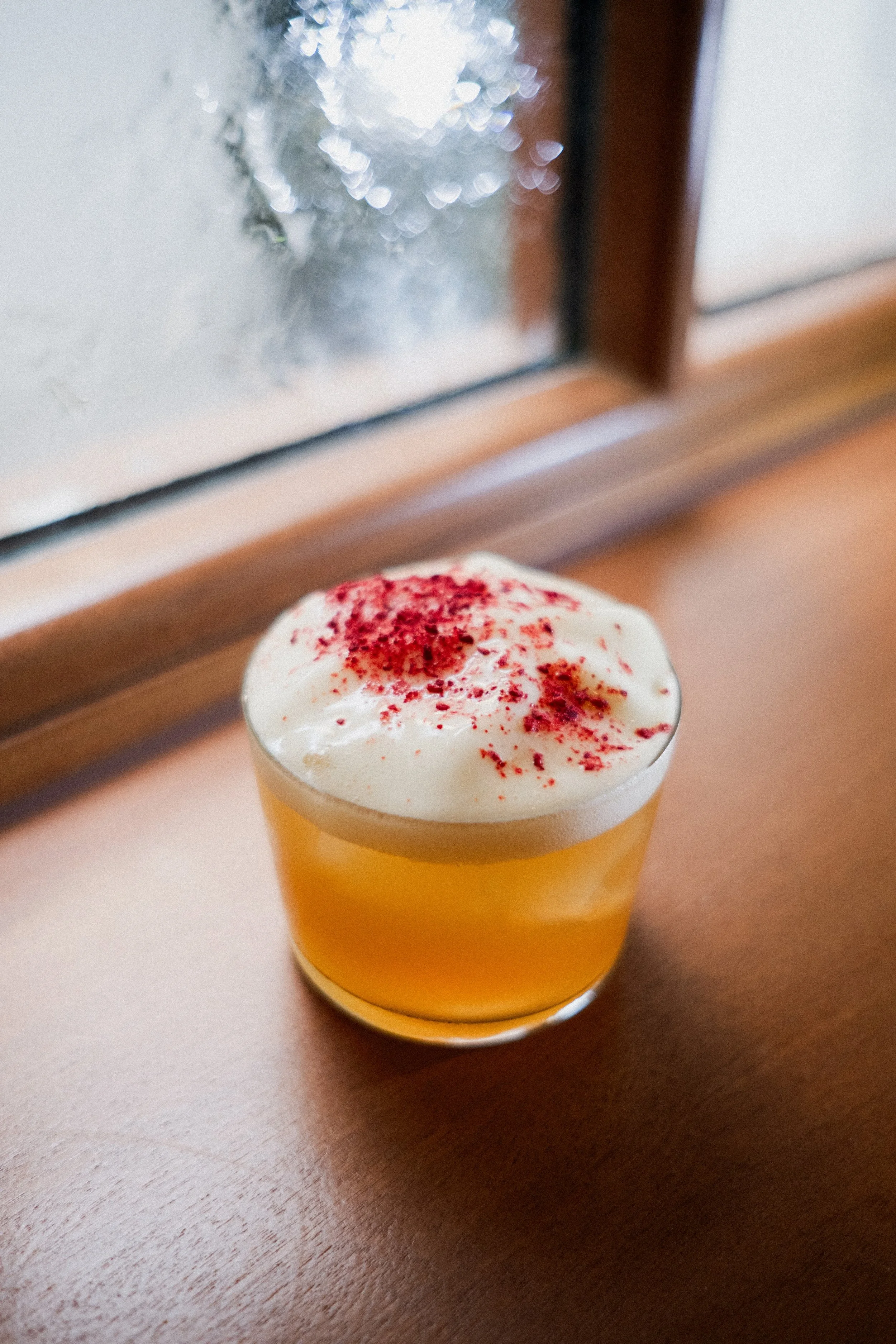
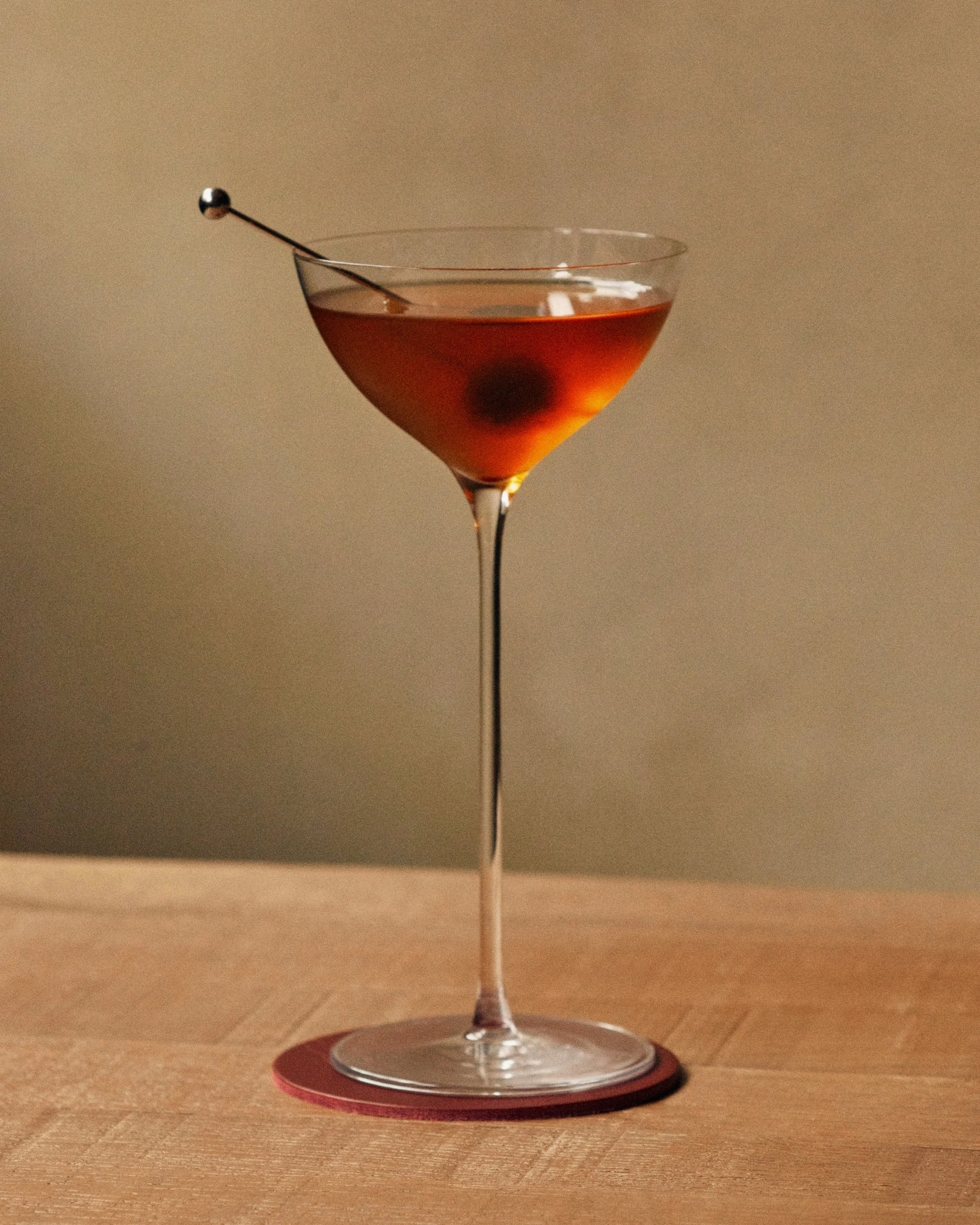

The comment feels telling. Many chefs who came through elite kitchens of the 2000s and early 2010s emerged carrying scars alongside skills. Papathanasiou belongs to a generation that experienced those demanding environments first-hand but increasingly recognises that excellence and empathy are not mutually exclusive.
The young chef who arrived at The Fat Duck with a CV and little understanding of professional etiquette was driven by something else entirely.
"I was too young to overthink things," he laughs. "I think it was a mix of being instinctive and having the determination of a young chef who knew exactly what he wanted."
That willingness to embrace uncertainty would become a recurring theme. It took him to Singapore alongside fellow Fat Duck alumnus Ivan Brehm, where exposure to Southeast Asian ingredients dramatically expanded his understanding of flavour. It later brought him back to London to work under Brett Graham at The Ledbury, where seasonality became less a concept and more a daily reality.
At The Ledbury, hyper-seasonal produce frequently arrived unannounced, forcing chefs to adapt menus in real time. It was a very different education from the meticulous planning associated with molecular gastronomy.
The experience sharpened his creative instincts while reinforcing an appreciation for flexibility.
Years later, working with Jason Atherton would broaden his understanding again. The focus shifted beyond cooking and towards the broader mechanics of hospitality: restaurant operations, guest experience, commercial realities and brand building.
"I learned a lot about the business and the guest experience beyond the plate," he says. "It taught me how to create restaurants that feel alive and the importance of the dining room's rhythm."
The distinction matters. Great restaurants are rarely defined solely by food. They are ecosystems where atmosphere, service, pace and personality work together.
It is perhaps why Lita feels like such a natural fit.
The restaurant sits in an increasingly competitive London dining landscape where diners are often seeking excellence without ceremony. Michelin recognition remains important, but today's guests are less interested in formality than they are in authenticity.
Papathanasiou understands this balance intuitively.
"We keep that balance by maintaining high standards of precision and discipline in the kitchen, while having humility and a relaxed, genuine atmosphere in the dining room."
That duality is evident throughout his career. While many chefs move between styles, few have experienced such distinct culinary philosophies. From the innovation of The Fat Duck to the ingredient-led cooking of The Ledbury, the hospitality-focused culture of Atherton's restaurants and the precision of Frantzén, each chapter has contributed something different.
His period as Executive Chef at Frantzén in Stockholm may have been particularly influential.
"As soon as I arrived, I felt at home again," he says.
Working at three-Michelin-star level once more brought a renewed appreciation for consistency.
"When you work in an environment like Frantzén, you realise that excellence is not built on occasional great moments. It comes from discipline, systems, attention to detail and showing up every day with the same mindset."
Yet perhaps surprisingly, the lesson he carried away was not simply about perfection.
"What stayed with me most was the structure and culture behind it all. Not just how to cook at that level, but how to lead, maintain standards consistently and most importantly, do all of that while still having fun."
Today, menu development at Lita begins not with concepts but with ingredients. Seasonal produce drives the conversation.
"When I'm building a dish, the idea or the ingredient usually comes first," he explains. "I enjoy constantly exploring what's available and letting the ingredients lead the menu rather than forcing creativity onto the plate."
As summer arrives, ingredients such as strawberries and apricots naturally begin shaping new ideas. Tomorrow, something else will capture his attention.
That constant evolution reflects a broader truth about Papathanasiou's cooking. While his Greek heritage remains foundational, he resists defining himself through a single culinary identity.
"My Greek heritage is my foundation, and it shapes how I see food in a very natural way," he says. "But I don't see my professional work as a fixed cuisine."
Singapore introduced him to different forms of acidity, spice and freshness. Sweden reinforced precision. London taught adaptability. Together, they have created a style that is difficult to categorise but easy to recognise.
"It's more about using those honest, seasonal foundations and expressing them in a refined, modern way."
For a chef who has spent two decades chasing opportunity across continents, the move to Lita also arrived at a different stage of life. Now married with a young child, ambition has become tempered by perspective.
Leadership, he admits, has changed him.
"I know very clearly what I want the food to taste like, so in that sense I'm probably more critical and precise than before," he says. "But at the same time, I've become more relaxed in how I guide the team."
The result is a kitchen culture that mirrors his broader philosophy: disciplined but human, ambitious but grounded.
Which brings us back to what constitutes success.
Retaining a Michelin star is an obvious benchmark, but Papathanasiou's answer is notably less concerned with accolades than experience.
"For me, a good service is reflected in the result of the dishes and how the team operates together," he says. "It's about delivering the same high standard every single day without compromise."
Then he pauses before arriving at the point that matters most.
"Beyond the technical side, a good service is one where the guests feel genuinely looked after, comfortable and satisfied. It's incredibly rewarding to see guests connect with what we're doing and leave feeling like they genuinely want to come back."
In an industry often obsessed with novelty, complexity and constant reinvention, it is a surprisingly simple ambition.
Then again, simplicity has always been at the heart of Kostas Papathanasiou's cooking. From family meals in Lamia to Michelin-starred dining rooms in London, the principle remains unchanged: start with great ingredients, treat them with respect, and know when enough is enough.
Book a table at Lita.