
DINING OUT: LUPA
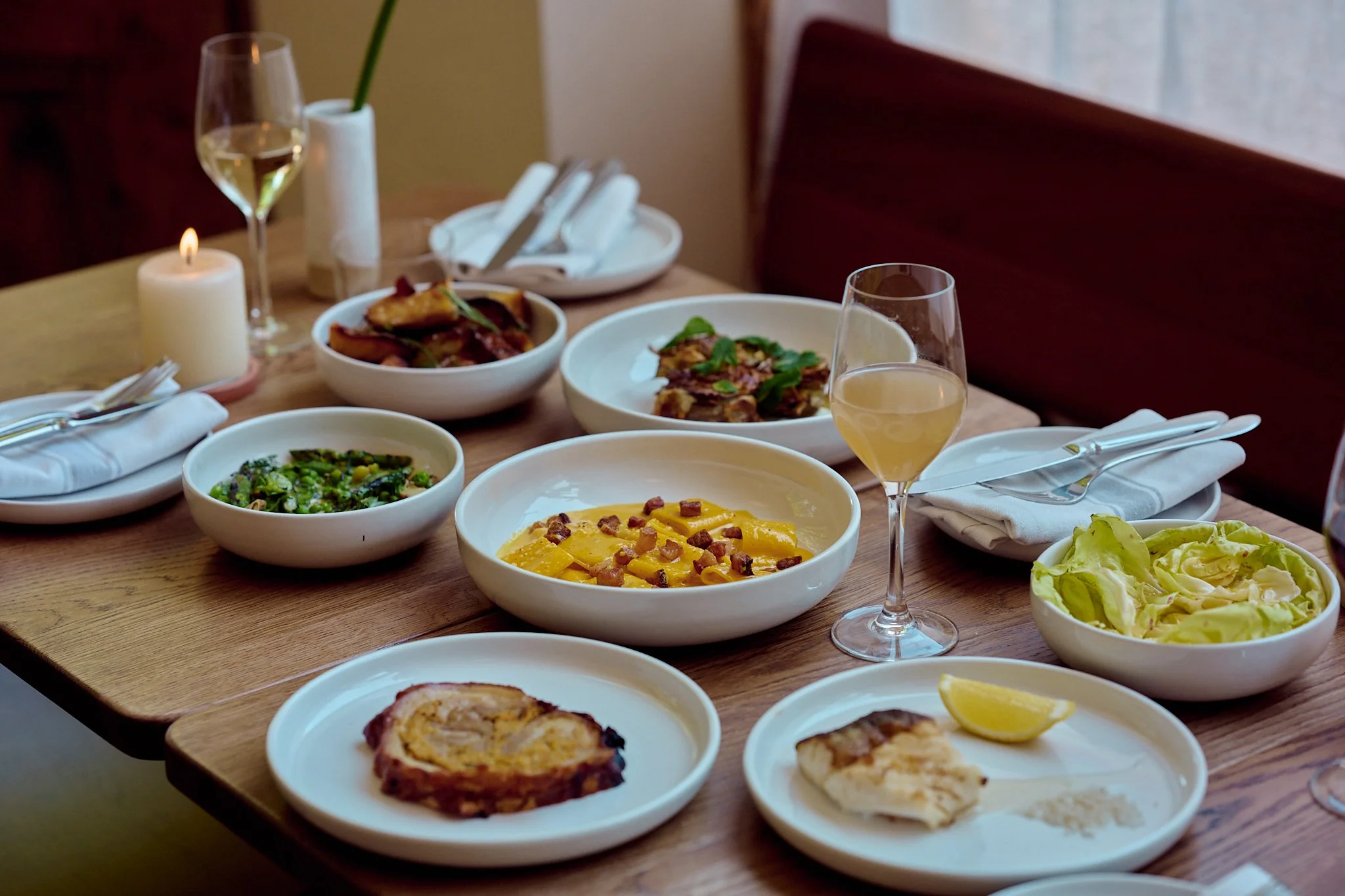
There’s something very reassuring about a neighbourhood restaurant that knows exactly what it is. No theatrics, no overreaching — just good food, done properly, in a room that feels like it belongs. Lupa, on a quiet corner of Highbury Park, leans into that idea with confidence. It’s small, just 28 covers, tightly packed tables and low lighting, but that’s the point. This is Roman comfort food, delivered with the kind of ease that suggests it was always meant to be here.
Opened by locals Ed Templeton and Theo James, with Head Chef Naz Hassan leading the kitchen, Lupa draws from the traditions of Roman osterias while keeping one foot firmly in London. The result is a menu that feels familiar but not tired — rooted in Lazio’s greatest hits, but sharpened by good produce and a clear understanding of what people actually want to eat.
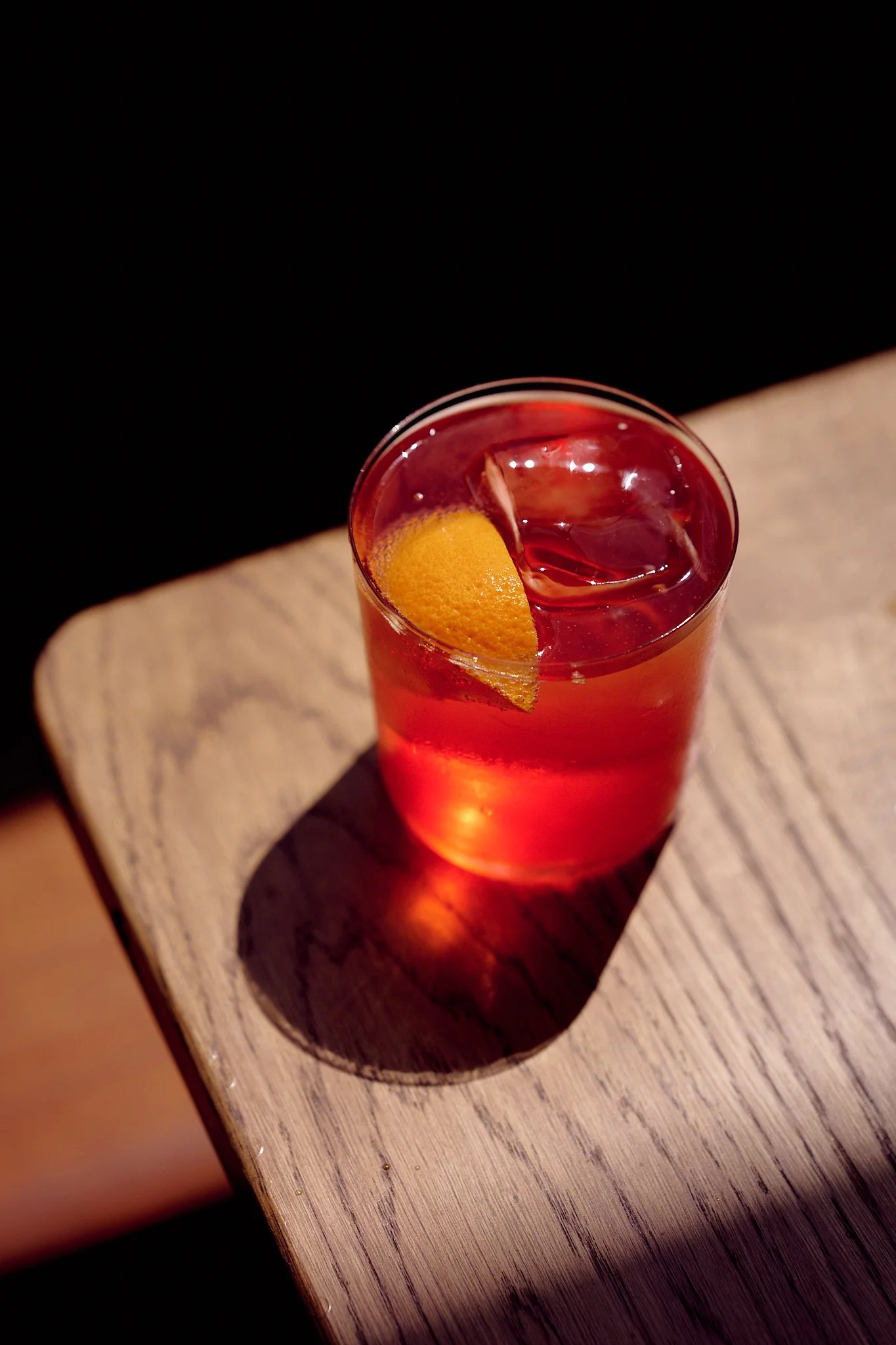
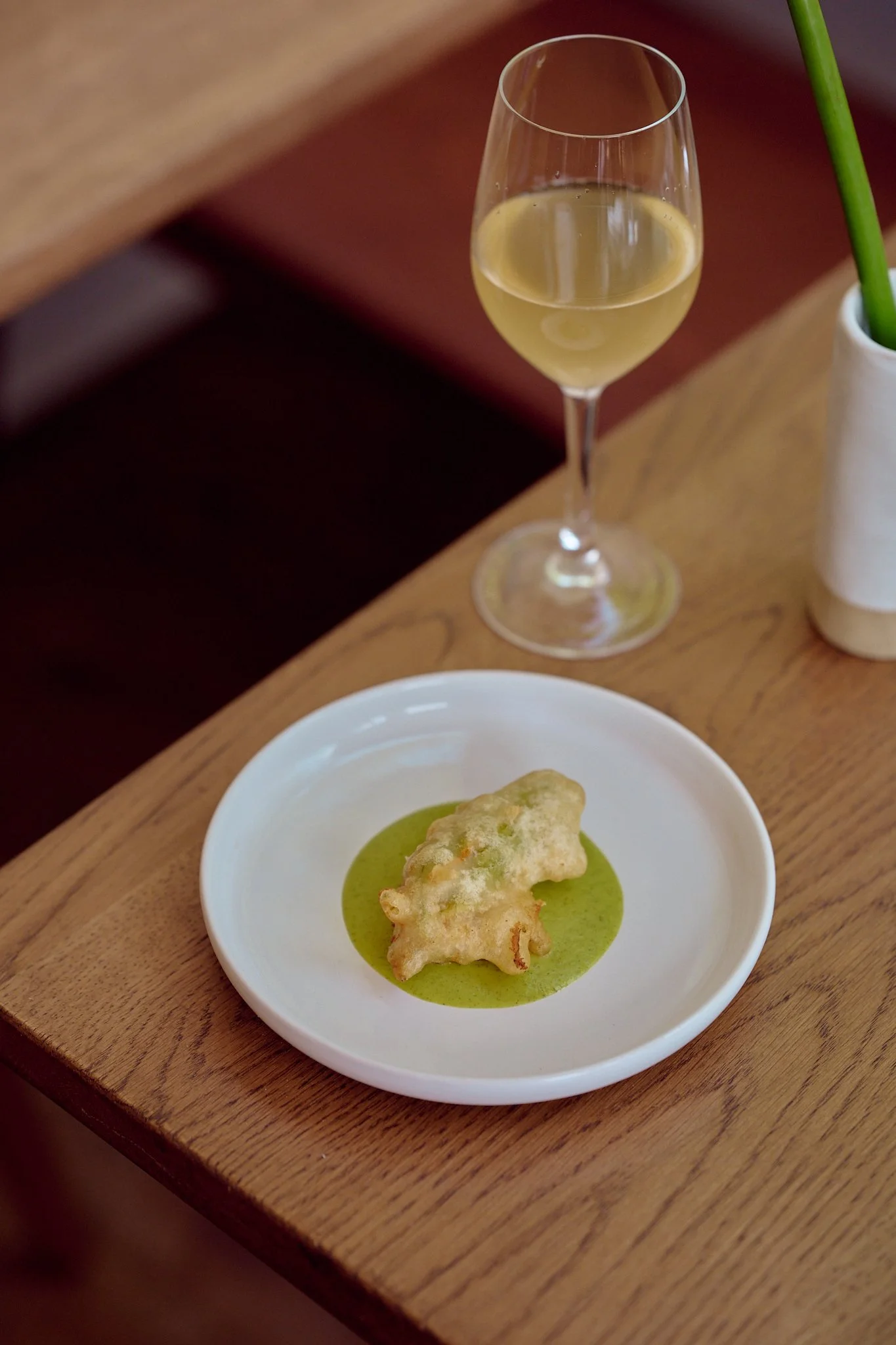
Lunch here is a relaxed affair. The room hums rather than buzzes, with sunlight cutting through the front windows and catching on lime-washed walls and simple wooden tables. There’s music, but it sits quietly in the background, giving way to conversation. Service is unhurried but attentive — the kind that encourages you to order another glass of wine without feeling like you’re being nudged out the door.
The menu is concise, which is always a good sign. It opens with antipasti that lean into Rome’s love of fried food and bold flavours, but we start simply. Pizza bianca arrives first — more focaccia than pizza, warm, salted and served with olive oil. It’s the kind of dish that disappears without much thought, setting the tone for what follows.
Alongside it, winter tomatoes are lifted with capers, lemon zest and pangrattato, offering brightness and texture in equal measure. It’s a reminder that even the simplest combinations, when done well, can hold their own against more indulgent plates.
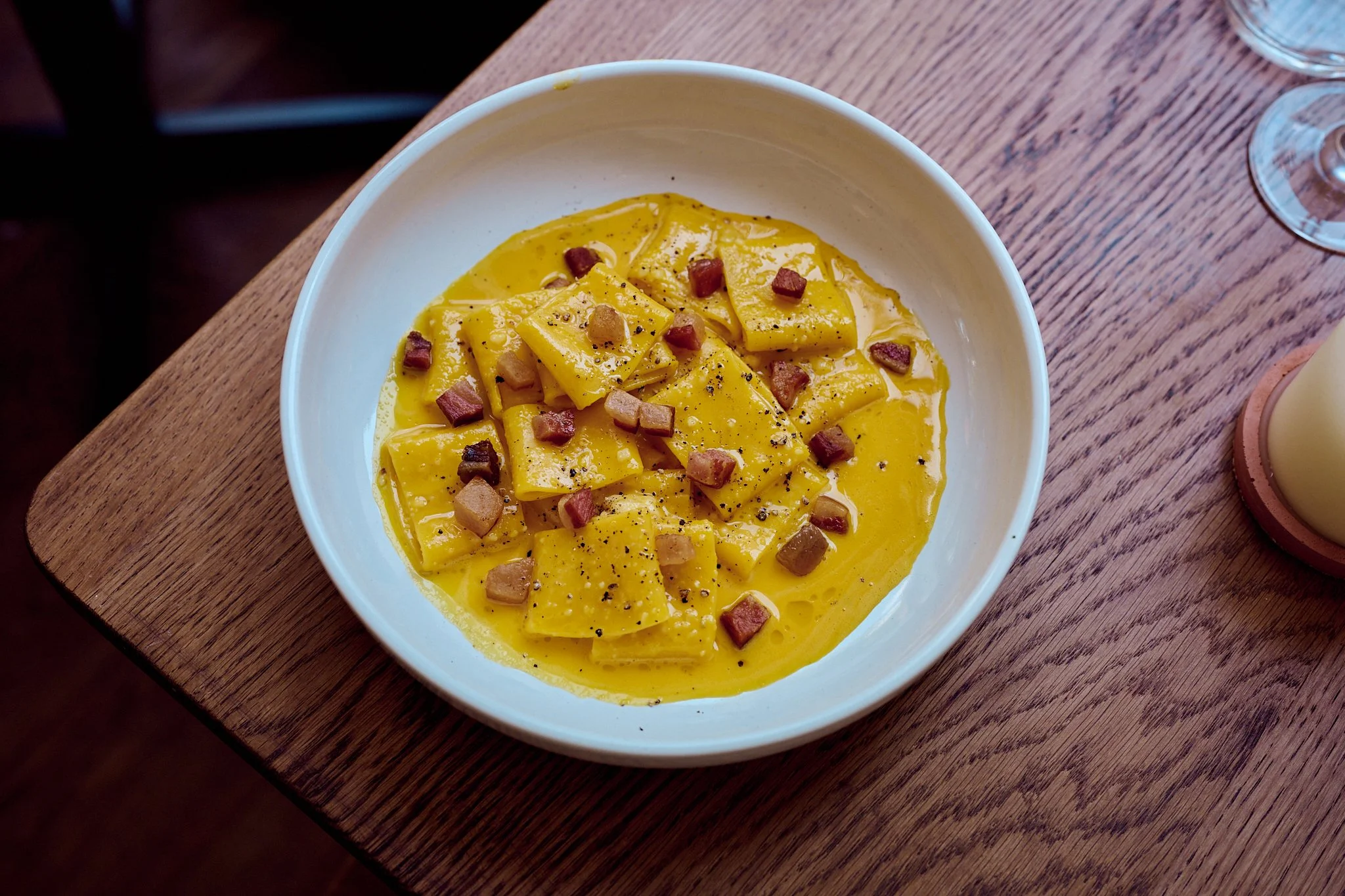
Pasta, as expected, is the main event. Lupa doesn’t try to reinvent the Roman canon; instead, it focuses on getting it right. The paccheri alla carbonara is exactly what you want it to be — rich, glossy and unapologetically indulgent. Egg yolk, pecorino and guanciale come together in a sauce that clings to each piece of pasta without tipping into heaviness. It’s confident cooking, the kind that doesn’t need explaining.
If the carbonara is about precision, the fusilli con ragù di cortile leans into depth. A slow-cooked mix of duck, rabbit and guinea fowl delivers a ragù that feels layered and quietly complex, coating the pasta with a richness that builds with each bite. It’s a dish that rewards attention, but it’s just as easy to get lost in it without overthinking.
For secondi, the porchetta is hard to ignore. Rolled roast pork, stuffed with herbs and apricot, arrives with crisp edges and a soft, flavourful centre. It’s generous without being overwhelming, and exactly the sort of dish that defines Lupa’s approach — comforting, but considered.
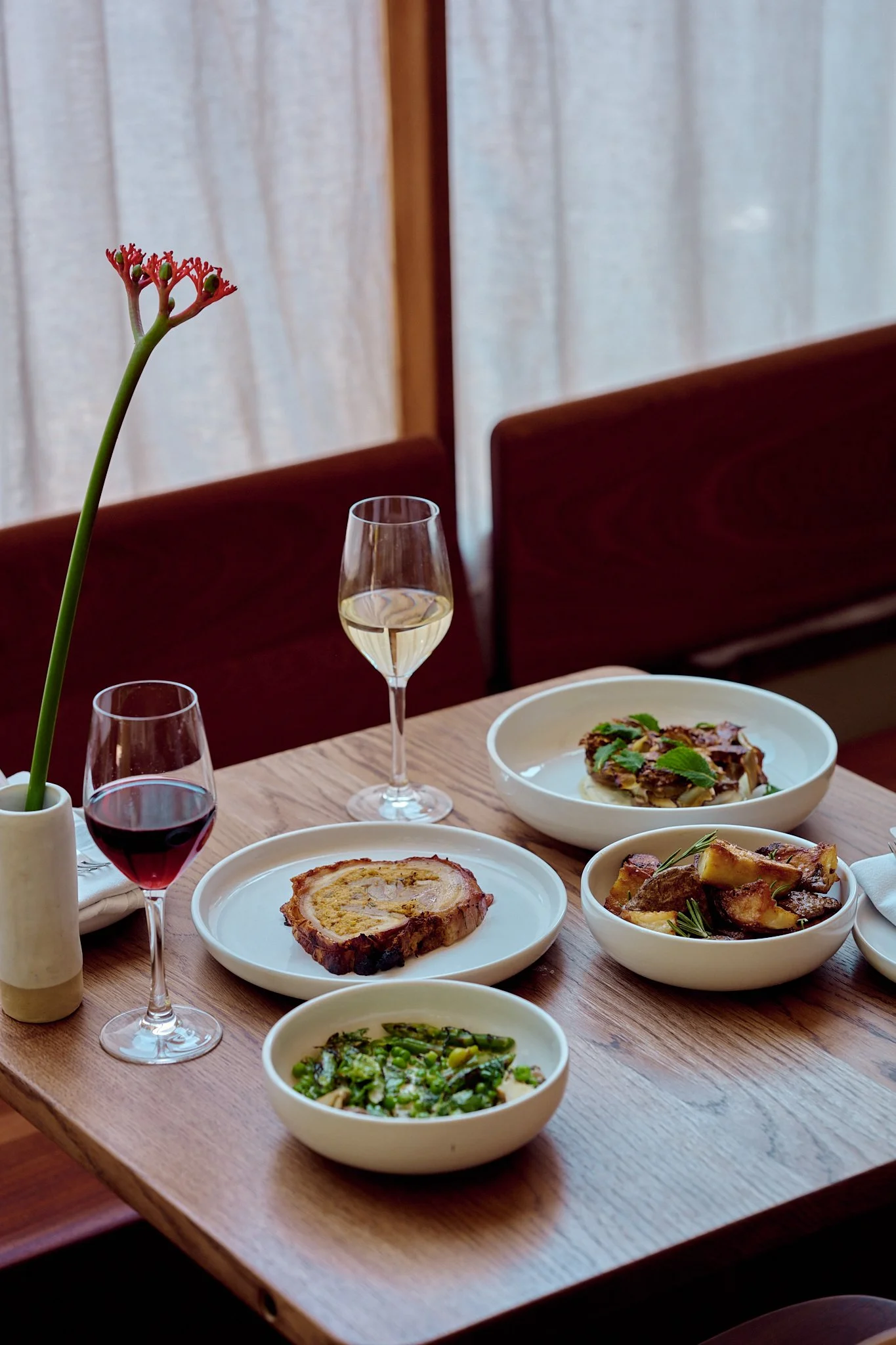
On the side, patate al forno are non-negotiable. Roasted with olive oil and rosemary until golden and crisp, they deliver that familiar, deeply satisfying combination of crunch and softness. A seasonal salad of mixed leaves, lightly dressed, cuts through the richness of the rest of the table without trying to steal focus.
What makes Lupa work isn’t just the food, though that’s clearly the main draw. It’s the way everything comes together. The scale of the restaurant, the warmth of the service, the clarity of the menu — it all feels aligned. There’s no sense of this being designed for Instagram or chasing a particular crowd. Instead, it feels like a place built for repeat visits, where locals drop in for a long lunch or an easy dinner and know exactly what they’re going to get.
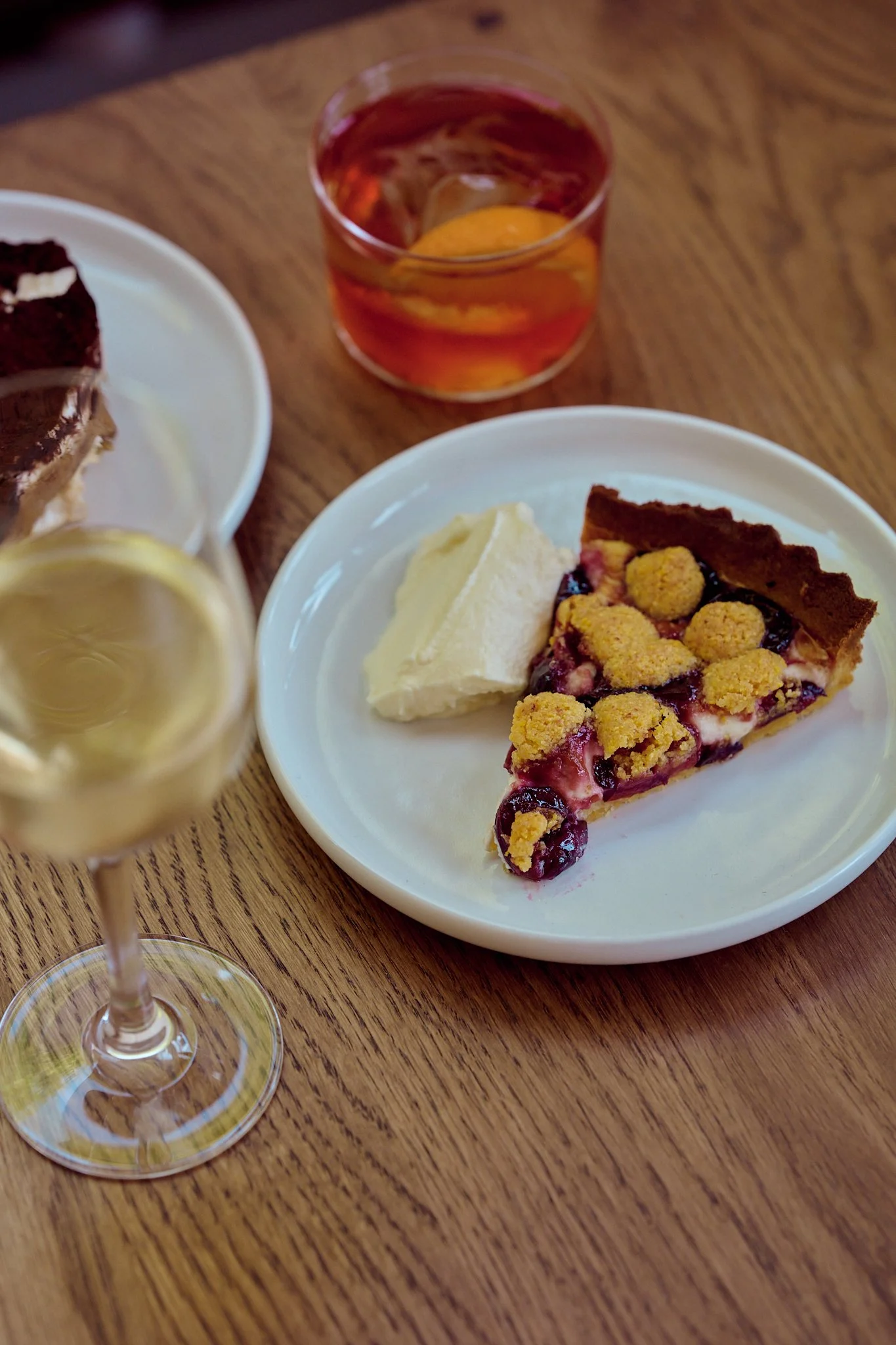
The drinks list follows the same philosophy. Aperitivo-style cocktails and spritzes lead the way, alongside a tightly edited selection of Italian wines from independent producers. Nothing feels overcomplicated, and everything is priced in a way that encourages you to order another glass rather than hesitate.
There’s also a sense that Lupa will evolve with the seasons. Specials come and go, ingredients shift, and Sundays bring a slightly different rhythm with larger, more indulgent dishes. It’s the kind of flexibility that keeps a neighbourhood restaurant interesting without losing its identity.
For The Rakish Gent reader, Lupa offers something that’s increasingly hard to find in London: a restaurant that feels both considered and effortless. It’s stylish without trying too hard, confident without being showy, and built around food that people genuinely want to eat.
Book a table at Lupa.