
EXCLUSIVE: The Guest List: Something Real in a World That Isn’t
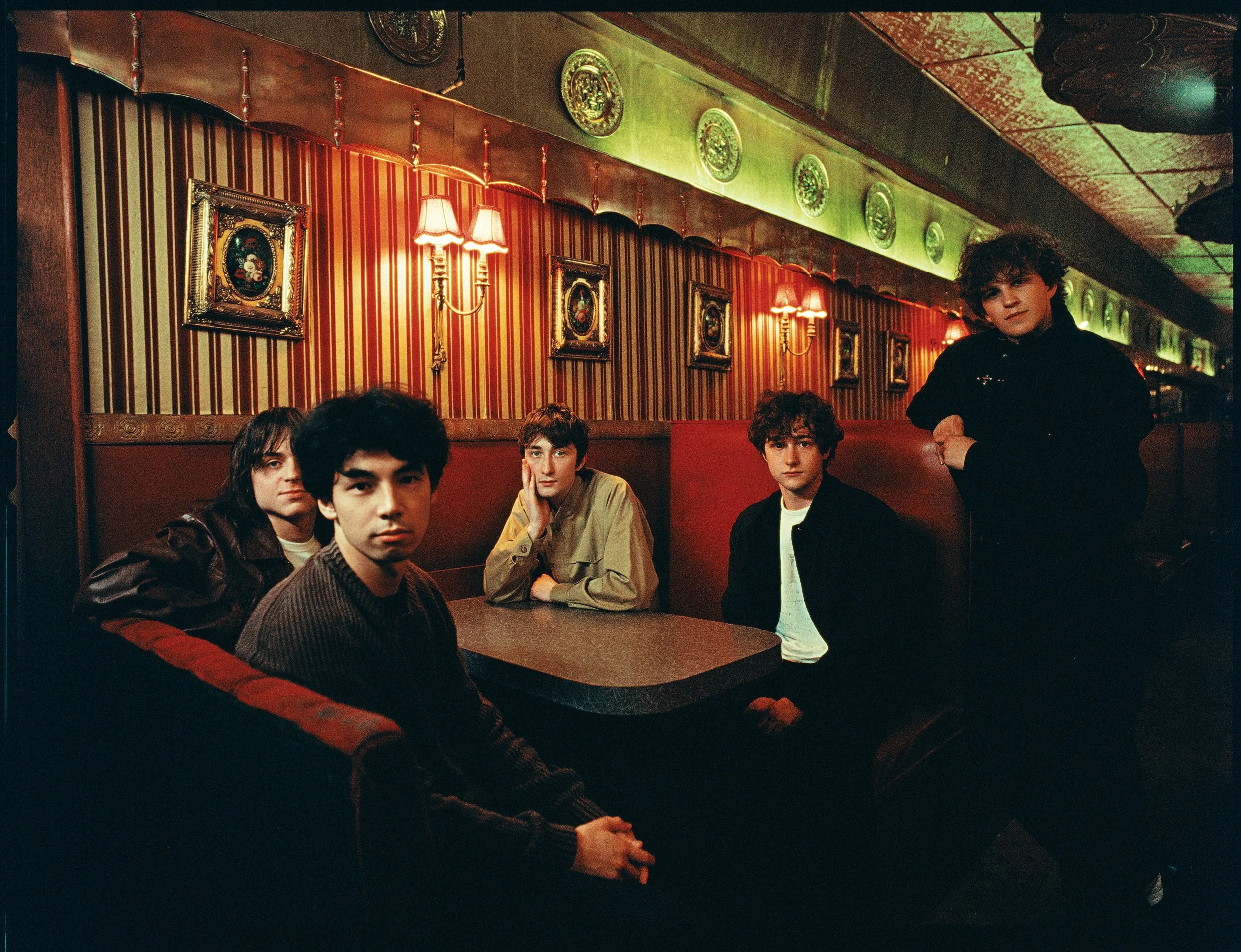
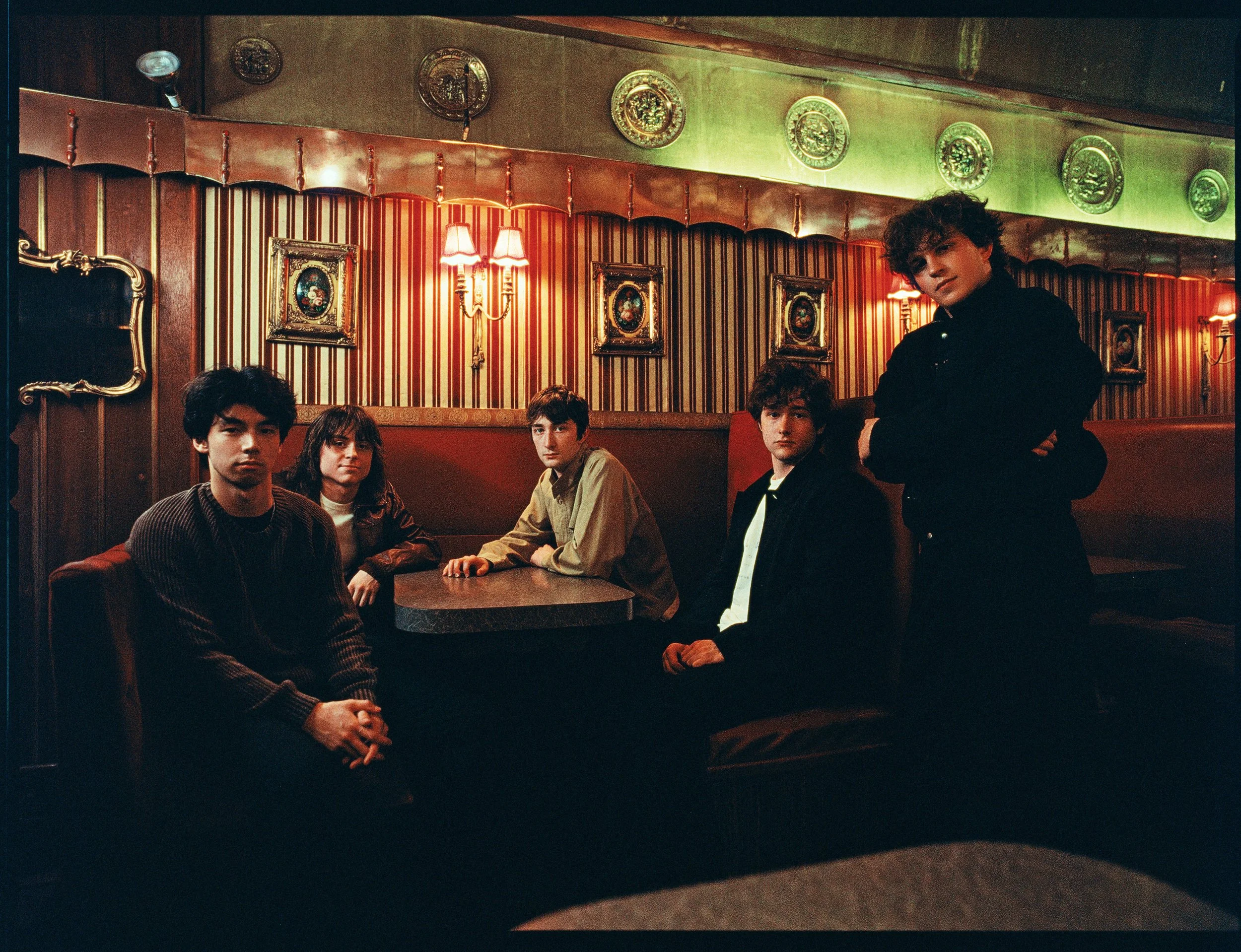
Manchester five-piece The Guest List have spent the past 18 months turning online attention into something far more tangible: a fiercely engaged live following, a growing reputation and now a debut album willing to look directly at the mess of modern life. With Something Real, they are making sense of the world without pretending to have all the answers.
There is something slightly contradictory about The Guest List.
They are, after all, a young guitar band who first found an audience online, accumulating followers and millions of likes through high-energy indie covers on TikTok. Yet their debut album is, in part, a rejection of the culture that helped put them in front of that audience. Something Real takes aim at algorithmic outrage, digital division and the pressure musicians feel to turn themselves into content. Its songs deal with mental health, male suicide, domestic violence, climate anxiety and social division.
It is an album about trying to make sense of the world while existing inside one of its most confusing contradictions: everything is connected, everything is accessible, and yet genuine connection can feel increasingly difficult to find.
For The Guest List, that tension is captured in the album's title.
“Something Real” could easily have become an empty slogan, particularly in an era in which authenticity has itself become a marketing strategy. Instead, the title works because the album doesn't attempt to manufacture a single narrative. The songs were written across three years, and range from the politically charged to the intensely personal.
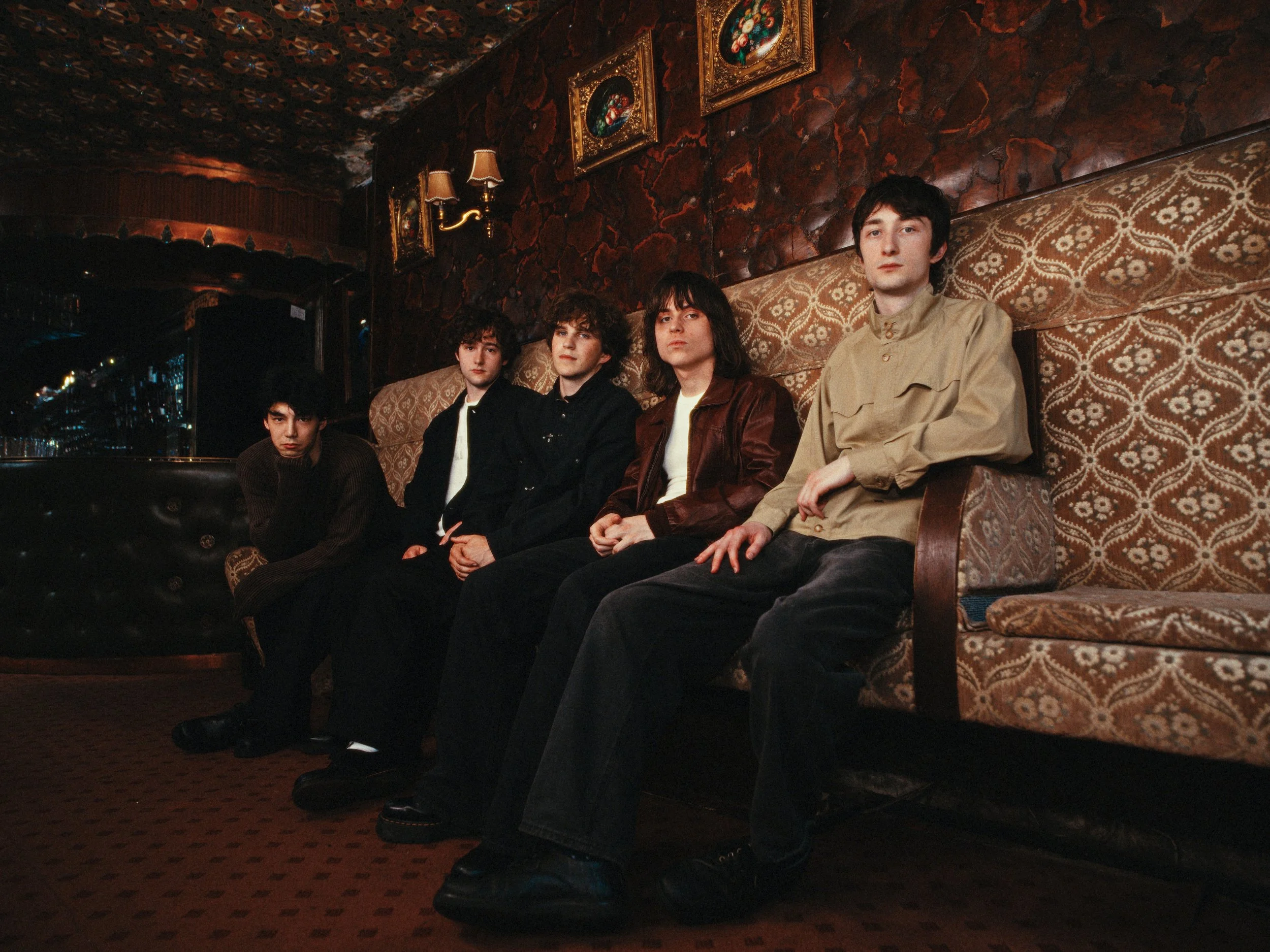
“It can be hard finding a thread that connects the songs on a debut album as they're usually a compilation of everything up to that point,” the band explains. “We felt as though Something Real was the best title to do this, as although the songs span three years of writing, they are all connected by a similar directness and honesty which makes them ours.”
That directness is perhaps what distinguishes The Guest List from the increasingly crowded field of British guitar bands. The Manchester five-piece — Cai Alty, Tom Quigley, Leio Hunter, Sid Wallace and Angus Gilchrist — aren't interested in pretending they have reinvented the guitar. Their ambition is more considered: to write songs that feel relevant to the people hearing them now.
The result is a record that can be socially conscious without becoming a manifesto.
“I think with people reading less and less music is becoming our main source of artistic interpretations of the world,” they say. “We don't see ourselves as a political band but we won't shy away from writing about things we think are important either.”
That distinction matters. There is a tendency for young bands who write about contemporary issues to be immediately categorised as political or socially conscious, as though addressing the world around you requires adopting a particular identity. The Guest List resist that idea. Their songs aren't lectures; they are observations.
Mary, perhaps the album's most emotionally difficult track, demonstrates why. The song explores domestic violence and its generational impact, but it took years to move from its initial idea to its eventual release.
“Mary took several years to go from the initial idea to the release because we were wary of the sensitive handling the song needed,” they explain. “When you write about something that specific and raw you make yourself vulnerable to a lot of criticism, but seeing our fans have a meaningful connection to the song makes it worth it.”
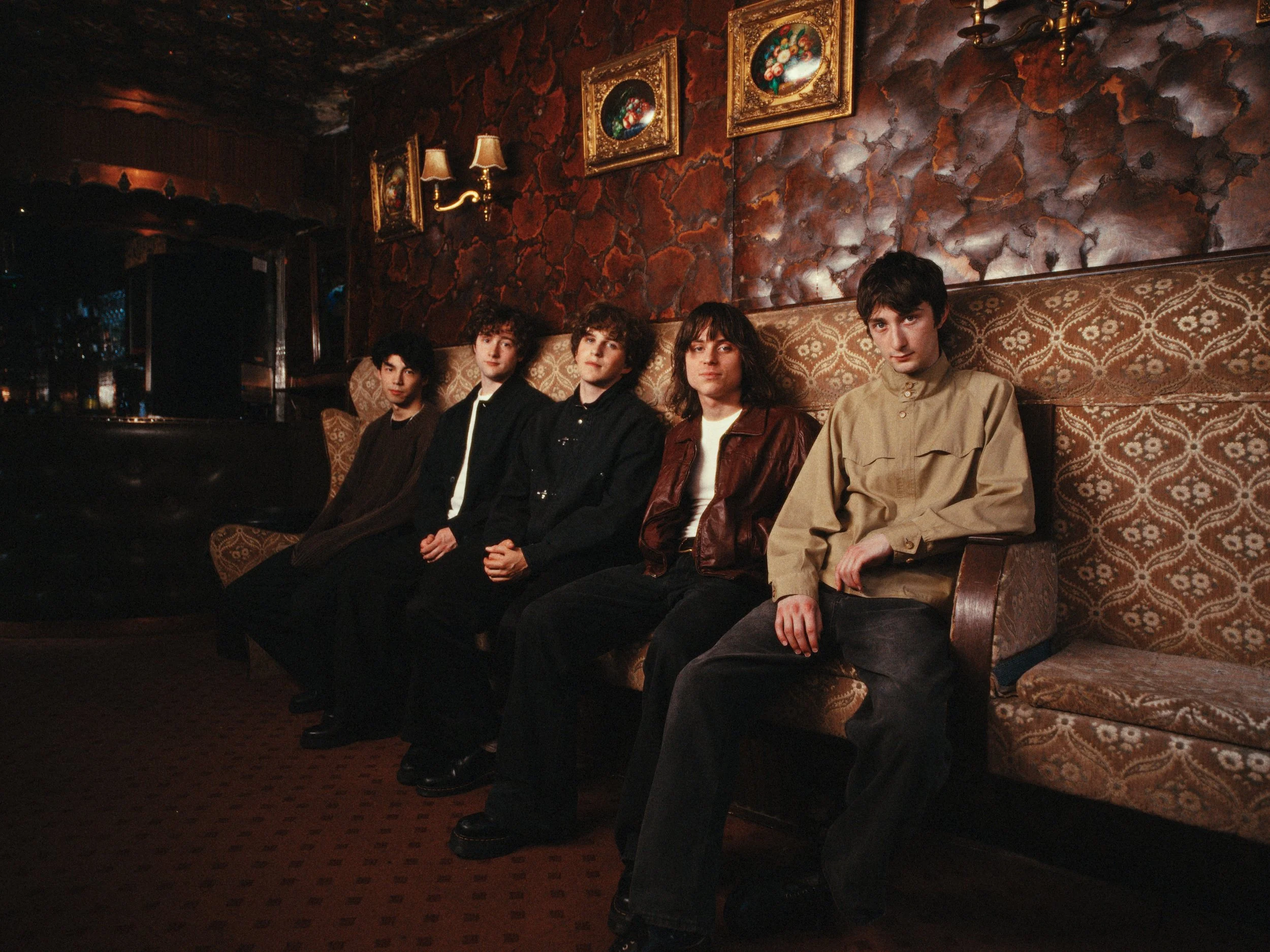
That connection is increasingly central to The Guest List's story. Their rise hasn't been confined to streams or social media metrics. They have played Glastonbury and TRNSMT, supported Blossoms, Inhaler and DMA'S, and built their reputation through packed headline shows. Their November 2025 tour included a 1,300-capacity Manchester show and three sold-out London dates. The next step is their biggest headline run yet, including London's Scala.
It is a trajectory that suggests their online audience is converting into something more valuable: people who actually want to turn up.
The irony isn't lost on them.
The title track takes direct aim at the mechanics of online outrage, with the line “the algorithm rewards hate” summing up its central idea. The band know exactly how powerful those algorithms can be because they have benefited from them.
“There's definitely an irony in taking aim at the algorithm that gave us a platform and we tried to poke fun at that with the visuals on Something Real,” they say. “Musicians constantly feel like they have to lower themselves to compete with trends and get their music heard and we're no strangers to that.”
That conflict is particularly relevant to a band whose original online success came from playing covers. The Guest List understood how to give an audience something instantly recognisable. But the covers were never the destination. Their ambition was always to establish an identity beyond the feed.
That has meant developing a sound influenced by the past without becoming trapped by it.
Manchester is an unavoidable part of the band's story. The city has given them a thriving live scene and a musical lineage that stretches from The Stone Roses and Joy Division to The Smiths and beyond. Those influences are present on Something Real, but the band are wary of being reduced to their postcode.
“We don't want people to take it as snobbery when we've said that,” they insist. “There are clear influences from The Stone Roses, Joy Division and The Smiths on our album, and we've had the privilege of coming up through a live scene that is still alive and well in Manchester.”
The problem, they suggest, is the shorthand that comes with being labelled a “Manchester band”.
“There is sometimes a laziness in pigeon-holing us as a Manchester band and projecting a certain sound and attitude onto us. We take influence from bands all round the world and have a sound that is our own.”
That sense of independence extends to the album's creation. Rather than recording entirely within the familiar surroundings of home, The Guest List decamped to Bergen, Norway, to work with producer Matias Tellez. The change of environment gave the sessions a different sense of purpose.
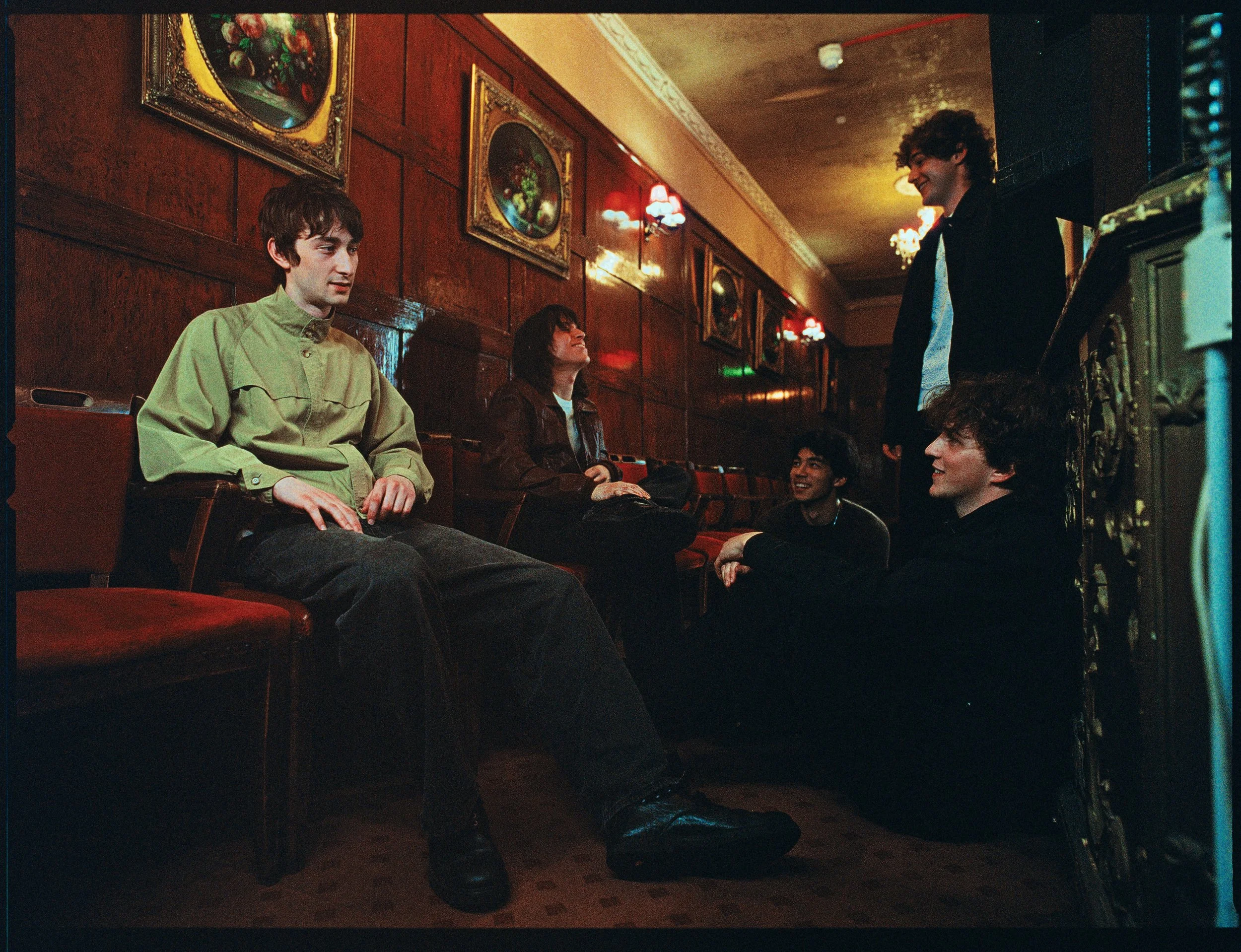
“Going to Bergen gave the recording process an importance it was missing at home, as well as creating a more chill environment to make clear-headed creative decisions in.”
The dreamier qualities of the album, however, aren't simply a product of Norwegian geography. Much of that comes from Tellez's production style, helping the band push beyond the straightforward guitar-band template.
And then there is You Should Care.
Placed alongside songs about suicide, domestic violence, climate collapse and social division, a song about love, jealousy and a long-distance relationship could appear almost frivolous. For The Guest List, it was essential.
“We're a young band ultimately so I think it would've felt disingenuous to have no love songs on the album,” they say.
More importantly, they don't want their identity to become defined by seriousness.
“There's also a temptation from the industry to label us as a socially conscious, political band which I think we wanted to shake off. We want to have the freedom to be dark and serious when it feels right without feeling a pressure to always write that way.”
That freedom is important because Something Real isn't intended as a concept album. There is no single argument to accept or political position to endorse. Instead, it reflects the band's own experience of being young and attempting to understand a world that often seems to make less sense the more closely you examine it.
“I see it as an attempt to make sense of everything that's affected us from our personal lives and in the wider world,” they say. “We don't want to be seen as the town crier, if people want to engage with what we write that's up to them.”
The songs aren't designed to provide answers. They document questions.
That approach also explains why the band's greatest ambition may ultimately be found in the live environment rather than the streaming numbers. Their favourite moments onstage are not necessarily the most chaotic ones, but those when an entire room becomes part of the song.
“My favourite moments on stage are when I feel as though everyone is singing the songs together, especially on You Should Care and Weatherman.”
There is a revealing line that follows: “I don't have much interest in being a mosh pit band.”
It says something about where The Guest List see their future. The goal isn't simply physical intensity. It is collective experience. The songs are becoming communal rather than merely performative, and the growing audience is beginning to turn the band's observations into its own soundtrack.
That may be the most meaningful evolution of all.
The Guest List began as five school friends and music students who wanted to make some noise, initially bonding over bands such as The Strokes. The covers brought attention. The original songs created the identity. Now Something Real has taken that identity into considerably bigger territory, debuting at number one on the Indie Album Breakers Chart.
Yet the biggest change isn't necessarily professional.
“As a five we feel closer than ever,” they say. “It was inevitable in chasing this career at our age that friends, family, and relationships would change around us, so it's become more and more important to have each other as a constant.”
There is more confidence now, too. The imposter syndrome is beginning to disappear. The stages are getting bigger. The audience is getting louder. The expectations are changing.
But the five friends remain.
At a time when music can be reduced to a clip, a trend or an algorithmically optimised moment, The Guest List are attempting something considerably harder: building a body of work and an audience that exists beyond the screen.
Something Real doesn't claim to have solved the problems it examines. It doesn't pretend that five young musicians can explain mental health, climate collapse, social division or human cruelty. What it does is look at those subjects without flinching, then leave enough room for love songs, guitars, melody and the uncomplicated pleasure of a great chorus.
Perhaps that is what makes the record feel genuine.
The Guest List aren't trying to tell their audience what to think. They are trying to figure out what they think themselves — together, in public, one song at a time.
Debut album Something Real is out now.