
Spotlight: Gordon Smart
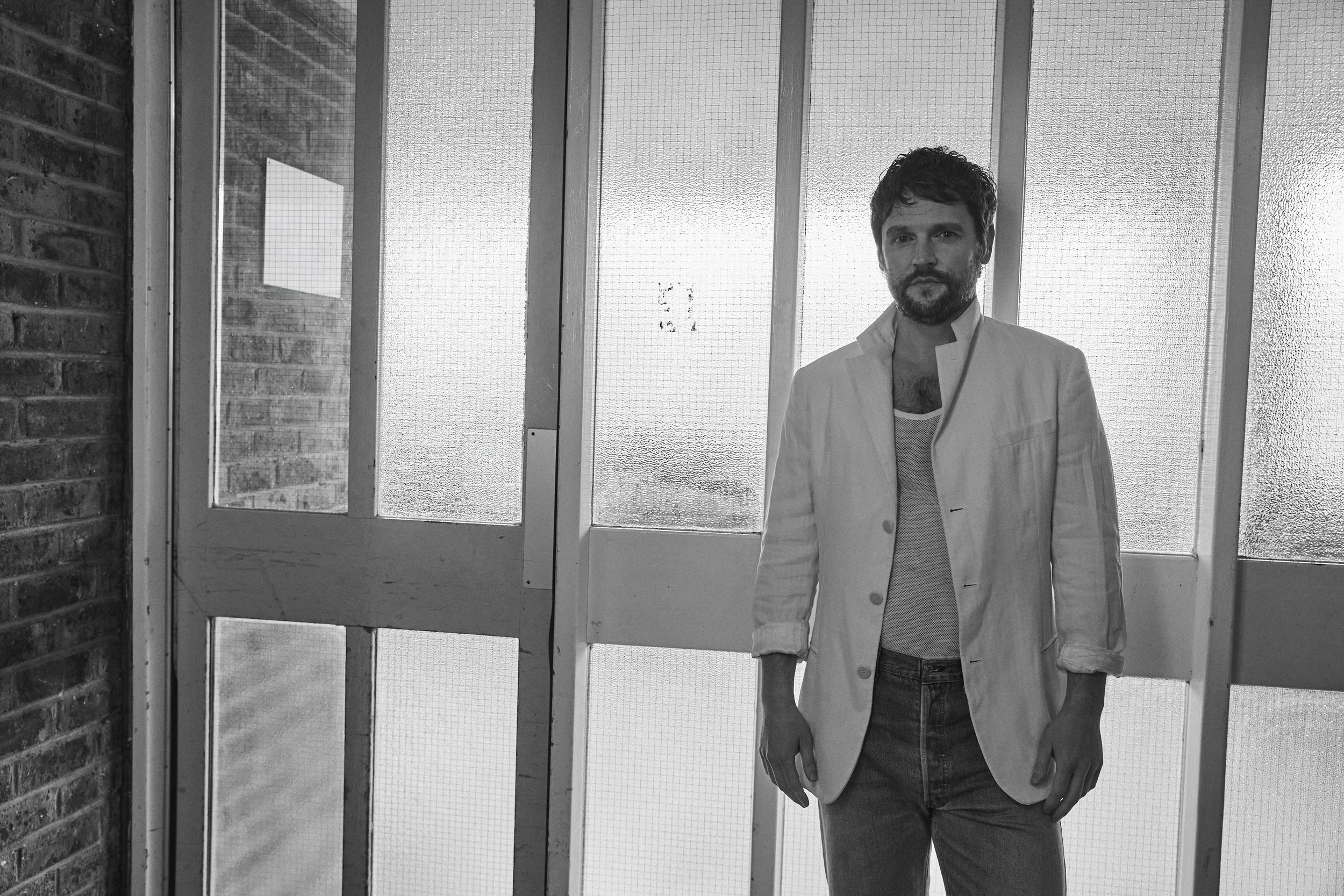
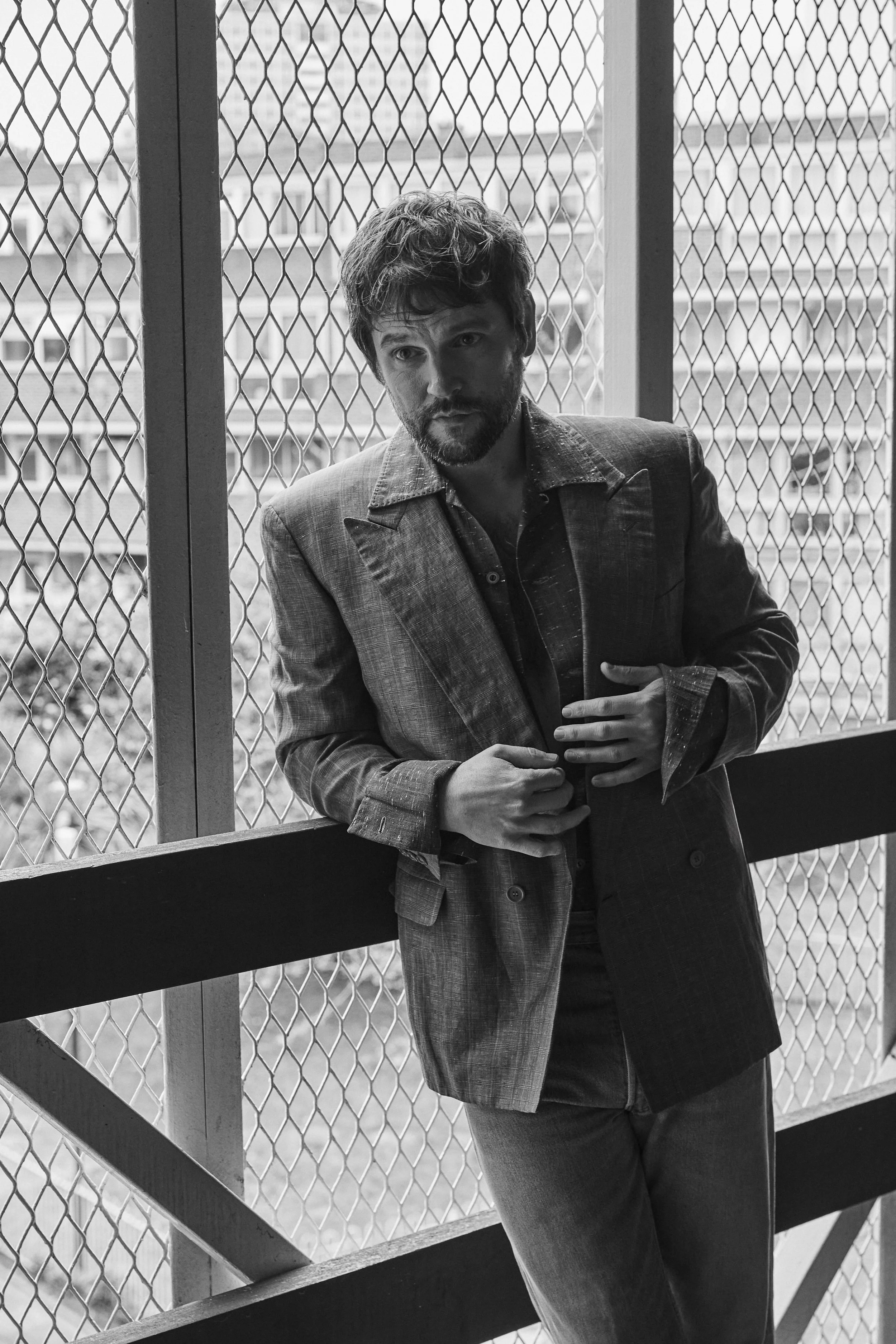
Blazer - Emporio Armani, Vest - Marks & Spencer, Denim - Levi’s
Award-winning broadcaster, journalist and entrepreneur Gordon Smart speaks to The Rakish Gent about his journey from local newspapers to national television and radio, adapting to the digital media revolution, building successful businesses, balancing fatherhood with ambition and why integrity still matters in modern journalism.
Creative Direction, Words & Grooming using Y Code - Michael Gray
Photography - Paul Farrell
Styling - Annie Swain
Styling Assistance - Benjamin Carnall
Hair - Tim Pateman
Few careers in British media have traversed as many corners of the industry as Gordon Smart's. Journalist, editor, broadcaster, podcaster and entrepreneur, he has spent the best part of three decades adapting to a profession that rarely stands still.
From cutting his teeth on local newspapers in Dundee to becoming the youngest Showbiz Editor of The Sun, editing The Scottish Sun, fronting programmes on television and radio, and more recently building a cult podcast alongside actor Martin Compston, Smart has never been content to stand in one lane. Journalism may have been the foundation, but it has also become the passport to an ever-expanding portfolio of opportunities.
Today, he splits his time between London, Manchester and Scotland, balancing broadcasting with business ventures while raising two teenagers. If there's a common thread running through it all, it's curiosity—and an appetite for saying yes.
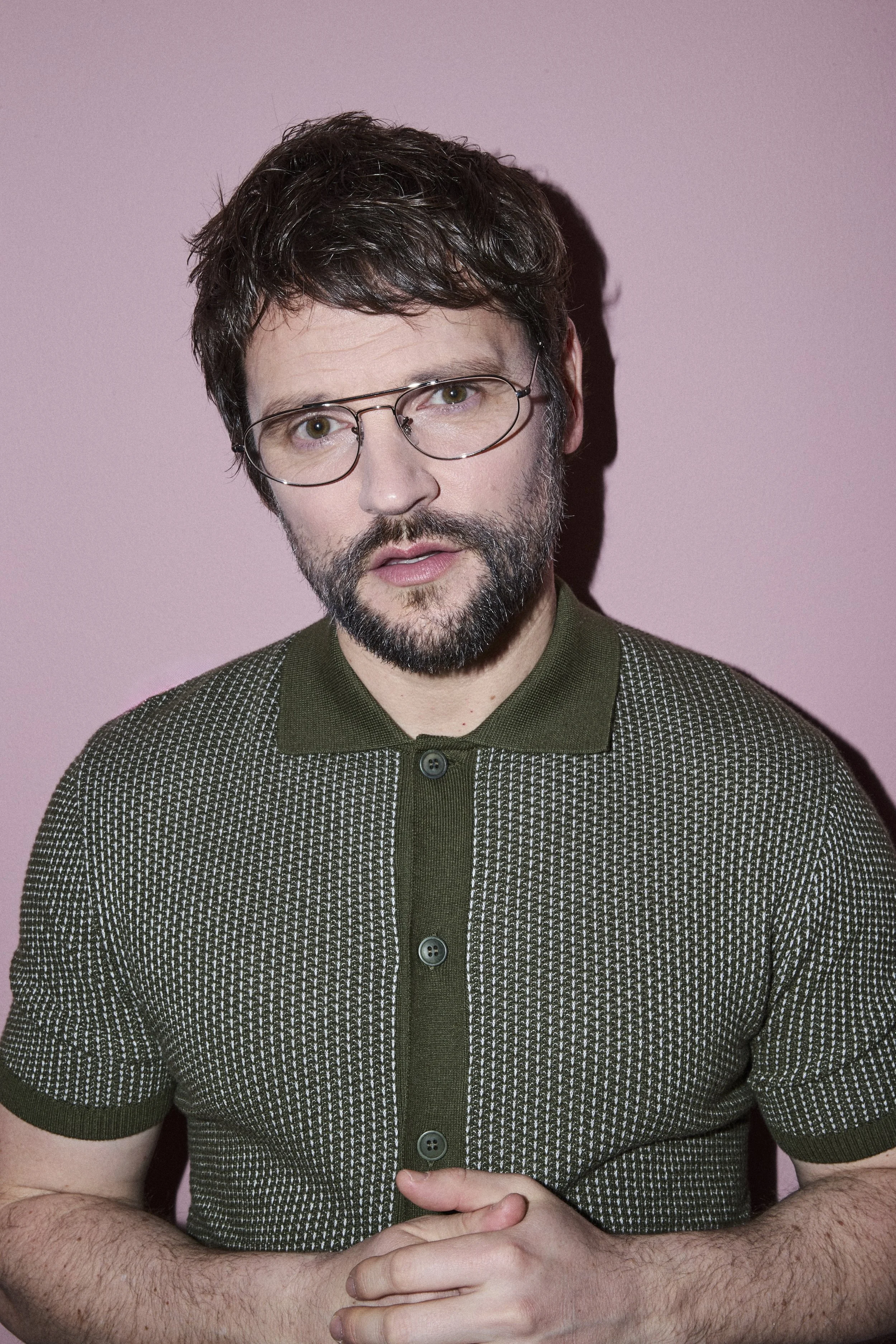
Polo - Wear London, Glasses - Ray-Ban
"I’m a journalist by trade," he tells The Rakish Gent, "which has opened up a world of other interests. I earn a crust presenting TV and radio programmes across news, sport and entertainment. Having met so many fascinating and capable people through journalism, those contacts have encouraged me to be entrepreneurial in business too."
It's an approach that feels increasingly essential in modern media, where versatility has become just as valuable as talent.
Smart entered journalism at a time when newspapers were booming commercially, long before algorithms dictated audiences and breaking news arrived through smartphones.
"The industry has changed massively," he says. "I worked in tabloids when circulation was huge and newspapers were cash rich. It’s incredible to think I started when we called stories into copytakers from phone boxes."
Despite the seismic changes, he's never been someone to lament the past.
"I always felt five doors opened for every one that shut," he reflects. "The media has always been fiercely competitive, but I’ve never felt the pressure more than now when it comes to landing a job and remaining relevant—and solvent." That resilience has been learned rather than inherited from the industry itself. Ask Smart where his work ethic comes from and the answer arrives without hesitation.
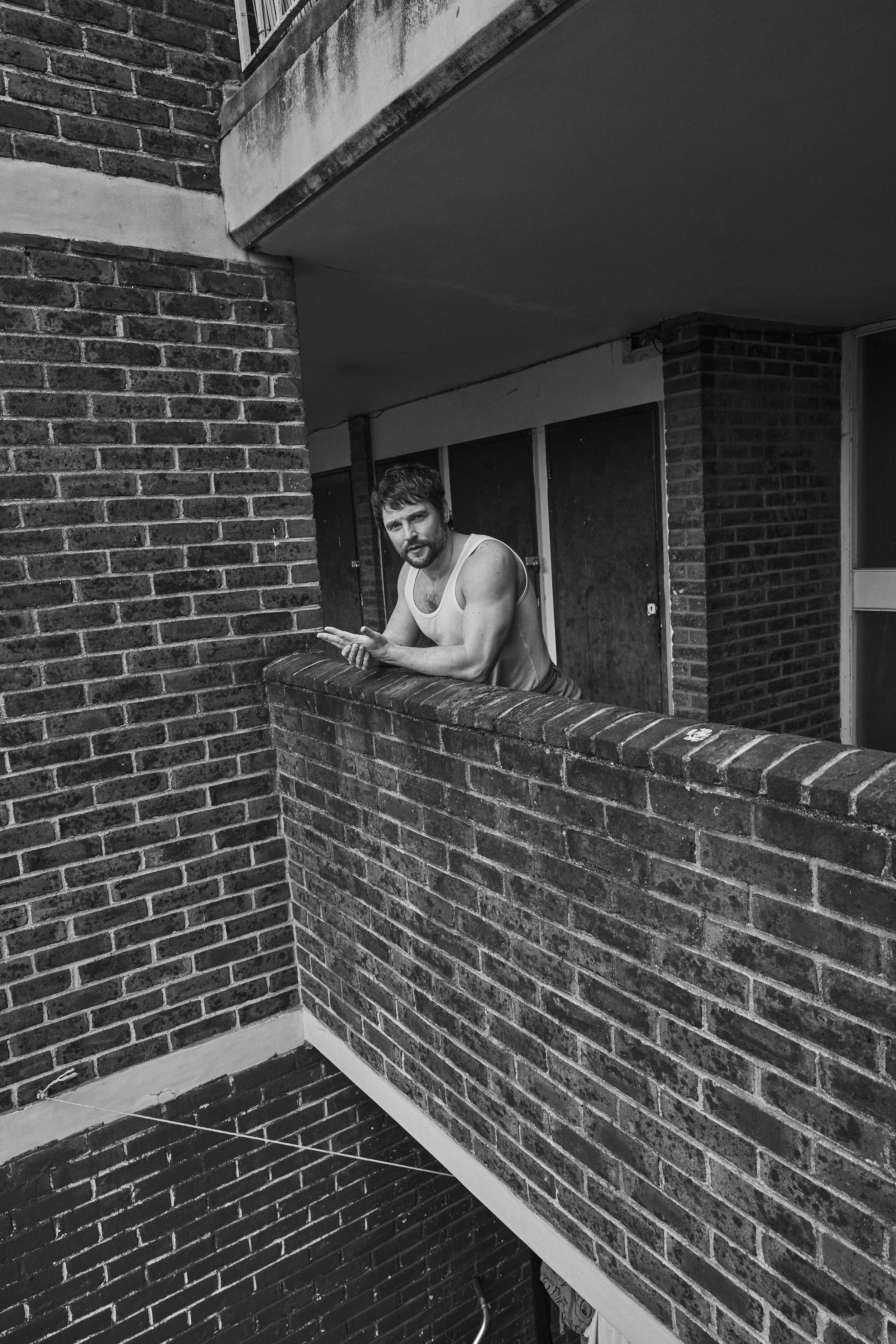
Vest - The White Briefs
"I come from a family of really hard-working people."
His father worked as a GP, putting in relentless hours while still finding time to be present as a parent. His mother raised three boys before returning to teaching to ensure her sons could all attend university. Earlier generations set equally powerful examples.
"My mum’s dad was a coal miner before working in the pit laboratory. My dad’s dad was a soldier, engineer, entrepreneur and newsagent. He showed me what hard work could bring you."
Perhaps that's why Smart has often thrown himself entirely into every role he's taken on. "I've probably blurred the lines too much between working to live and living to work," he admits. Being Showbiz Editor of The Sun was all-consuming. So too was becoming an editor, followed by senior broadcasting roles at Radio X and BBC Radio 5 Live.
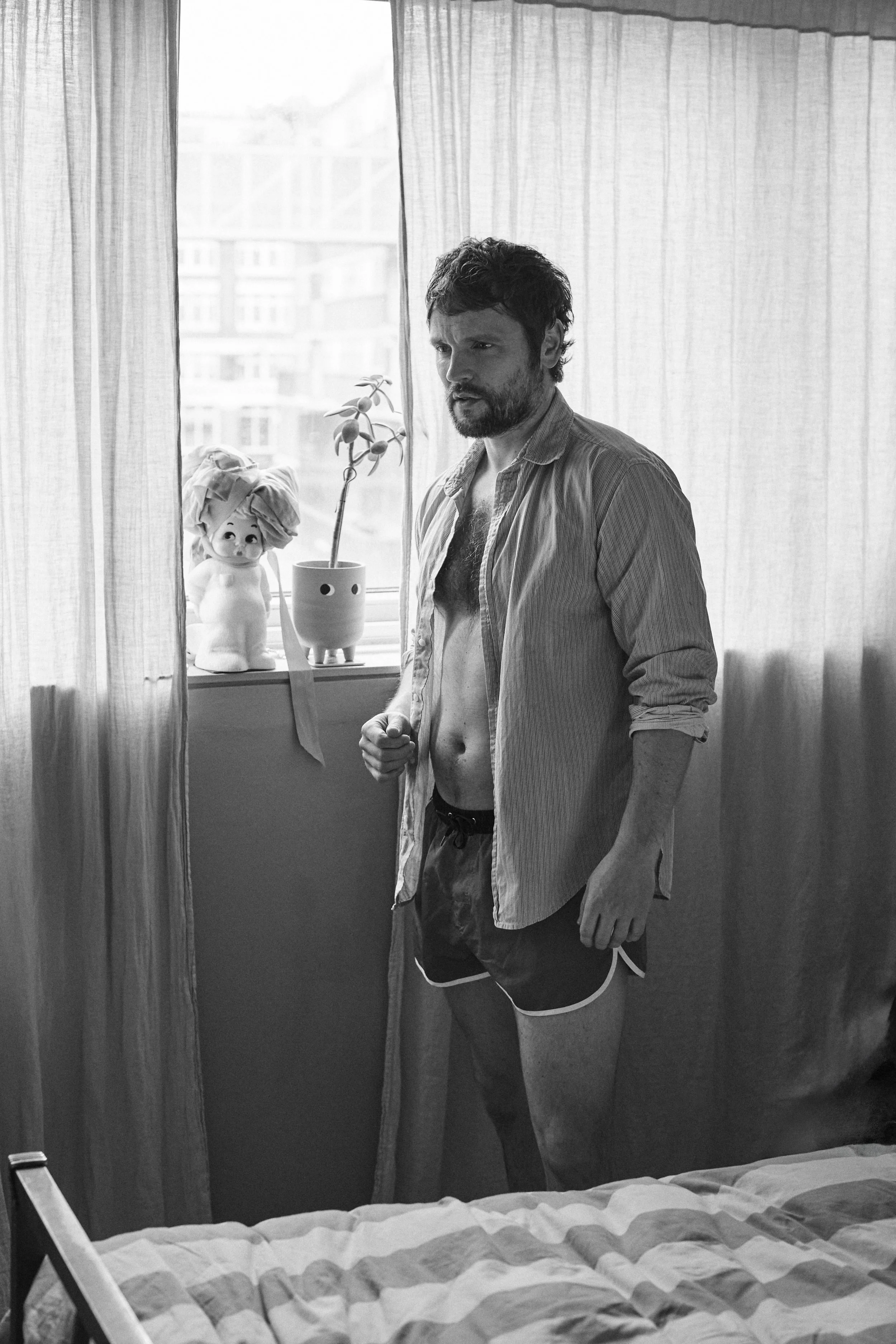
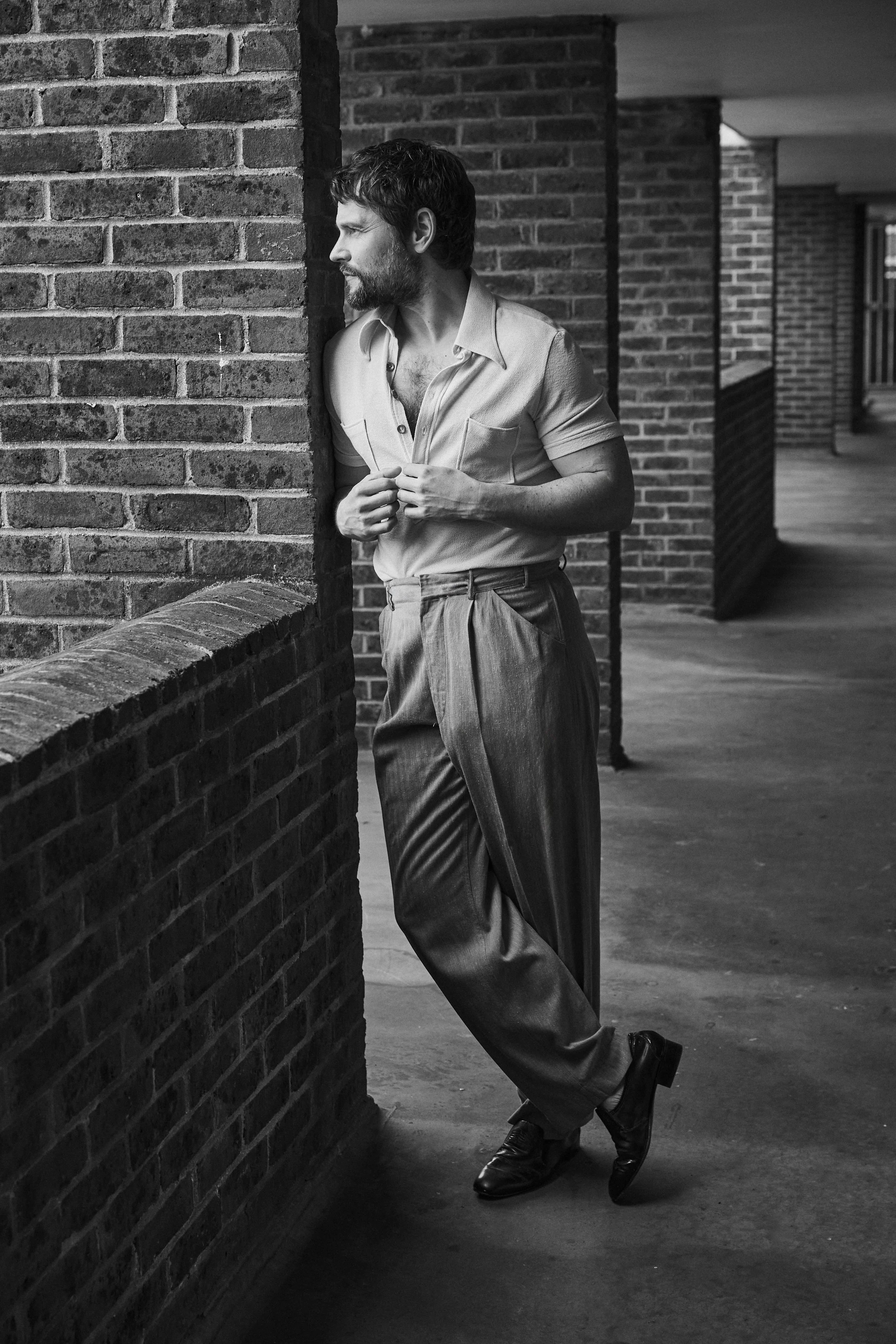
Shirt - Levi’s, Shorts - Calzedonia
"I really throw myself into things."
Yet when asked which achievement makes him proudest, it's not necessarily one of the high-profile editorial positions. Instead, he points to Restless Natives, the podcast he launched with actor Martin Compston. "We started from nothing and ended up with hundreds of thousands of listeners, two sold-out shows at the Edinburgh Fringe and a loyal following who still say our stupid catchphrases and wear our merch."
He smiles when recalling those years. "They were special times. I'm so proud of what we did together." Like many people, the years following lockdown demanded a reset. "Rebuilding my life afterwards is another story," he says. "But everyone had to do that, so I'll save that sob story for another day."
For someone who has already enjoyed several successful careers inside one profession, Smart remains remarkably ambitious. "I’d love to land a really big TV or radio job," he says. "I think I could be the new Ken Bruce on Radio 2." He isn't lacking confidence—or humour. "I’d love to present a game show and anchor huge football matches. In other words, I'd like to eat Gary Lineker’s lunch when he retires... but there’s no sign of that happening."
Outside broadcasting, another ambition looms even larger. "The dream is to build hugely successful businesses so I can spend more time exploring the world and making memories with my children and friends." Unlike many journalists who struggled with the shift into digital publishing, Smart embraced it. "I loved the excitement of MySpace, then Twitter, Facebook and Instagram. It’s brilliant being part of new media trends." The platform currently capturing his imagination? "Substack is really tickling me at the moment."
Even so, hindsight brings a few frustrations.
"When I was Showbiz Editor between 2007 and 2012, we filmed loads of content that should have become huge on YouTube if we'd persevered. We also created the Bizarre Podcasts and Sessions almost twenty years ago. They could easily have evolved with me after I left." He shrugs. "Ah well..."
Social media has undoubtedly accelerated careers, but Smart has experienced both sides of its influence. "It suddenly gave you massive accountability because you had a direct line to readers, critics and the people you were writing about." It also allowed journalists to become personalities in their own right. "It became somewhere to show your humour—or your lack of it." He pauses. "They're dangerous amplifiers to plug into, but brilliant when it clicks."
Lately, however, he's found himself reassessing that relationship. "Comparison is the thief of joy," he says. "And I'm being robbed." Long before any of that existed, journalism began in much simpler fashion.
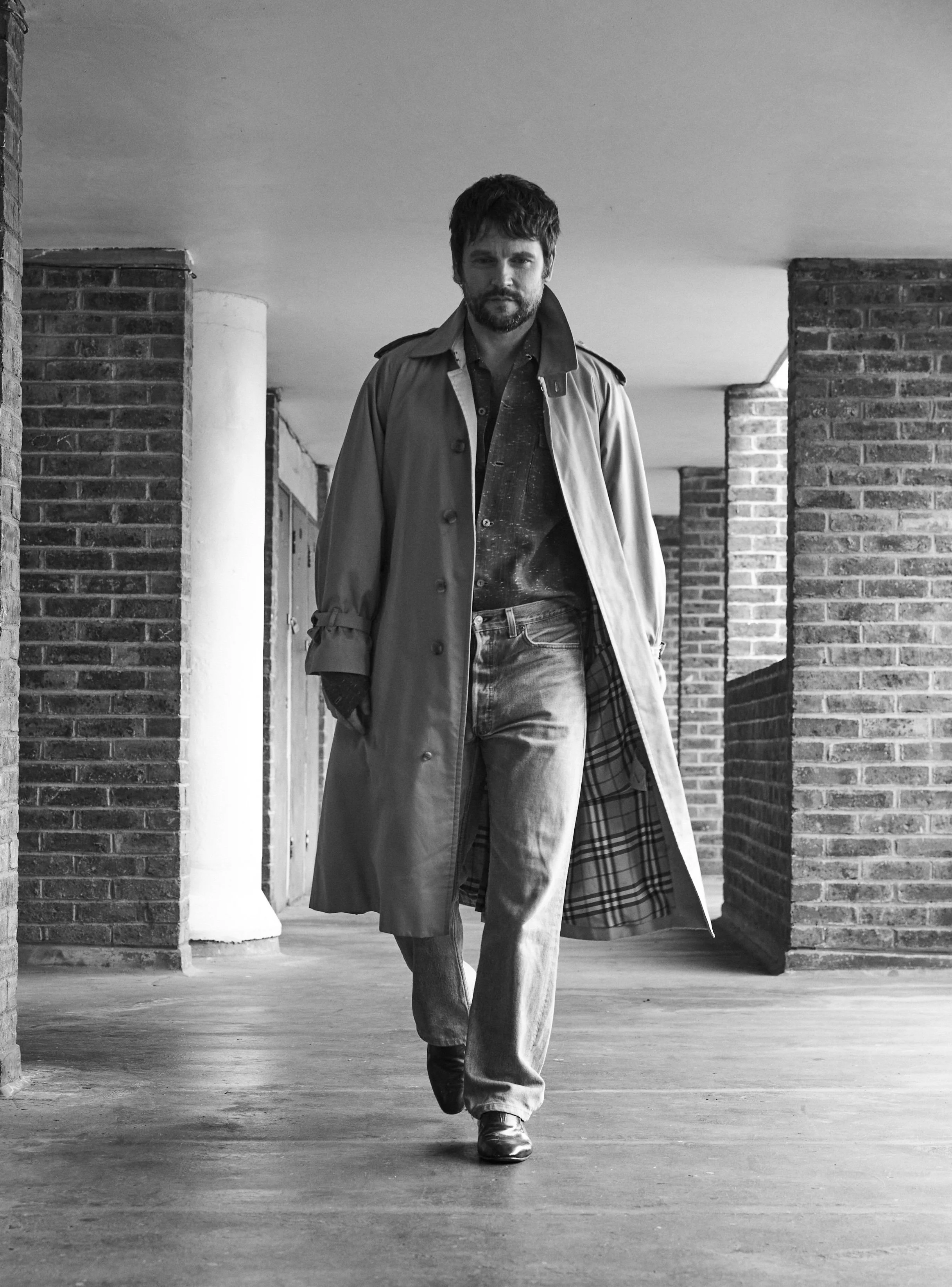
Coat - Burberry, Denim - Levi’s , Shirt - Beyond Retro
"I started the school newspaper with a few friends in 1997." Their first exclusive? "Our front page revealed that our art teacher had been in the original line-up of Wet Wet Wet."
From there came a placement at DC Thomson before joining the Evening Telegraph and Courier in Dundee. "I was eighteen and soaking it all up. Happy, happy days." Despite decades in newsrooms, it's a headline—not an investigation—that still makes him laugh. "It was about a jockey who celebrated winning a race a furlong before the finish." The headline simply read: PREMATURE JOCKEY ELATION.
"It still makes me laugh."
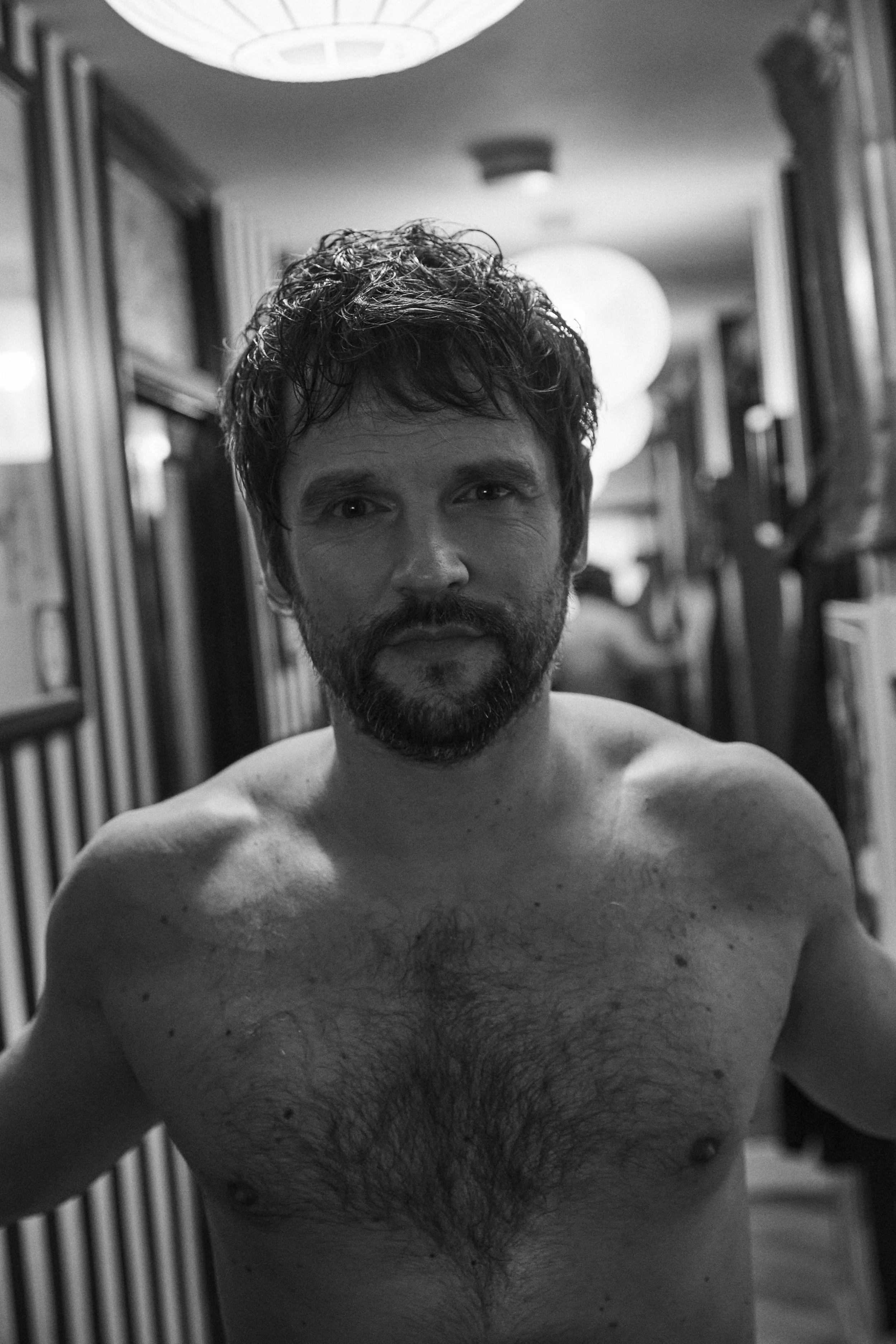
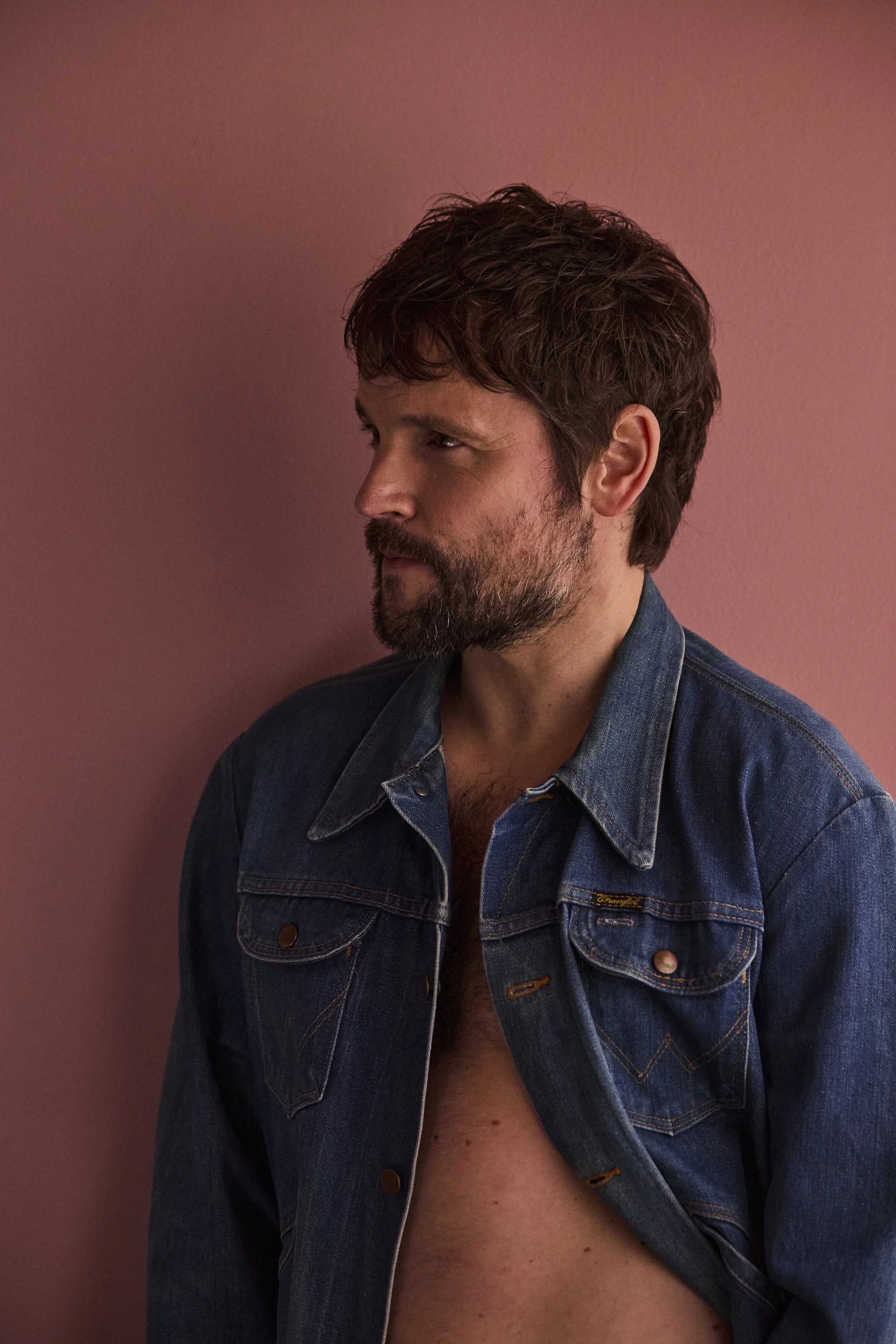
Jacket - Wrangler
For all the changes in technology, platforms and business models, Smart's philosophy remains surprisingly straightforward. "Live with integrity. Be kind. Respect your elders. Work hard. Play harder." He also believes life should be measured by memories rather than money. "Never scrimp on holidays."
And as a father, there's one guiding principle above all else. "Make your kids feel safe and have as much fun as possible before they realise you’re a walloper."
It's difficult to imagine Gordon Smart slowing down any time soon. Broadcasting ambitions remain, businesses continue to grow and journalism still sits at the centre of everything he does. When asked how he'd ultimately like to be remembered, the answer feels remarkably free of ego. "I'd love to be remembered as someone who championed talent and told great stories." Then he adds what perhaps matters most.
"A great colleague. A mentor. A reliable leader."
He grins.
"But ideally? A great laugh, a good pal, someone who connected people, sensational craic on a social—and the last man standing."