
Spotlight - Adam Pearson
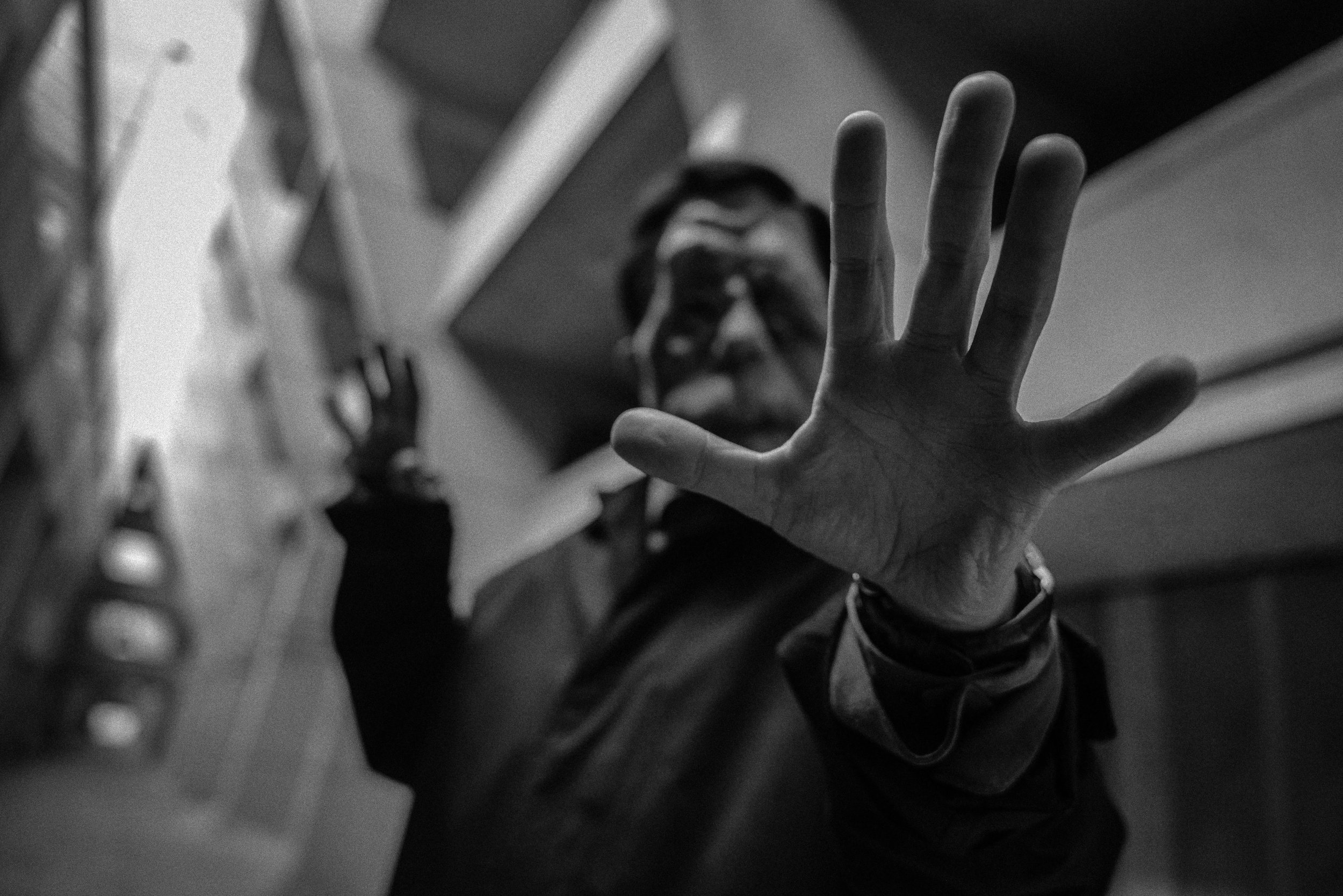
Full look - Margaret Howell, Watch - Montblanc
Words - Tajinder Hayer
Photography - Kirk Truman
Photography Assistance - Awais Nouman
Styling - Mekel Bailey
Grooming - Beth Long
There’s something quietly radical about Adam Pearson. Not radical in a slogan-bearing, flag-waving way, but in how he approaches the work: with care, candour, and the kind of unshakeable calm that only comes from knowing exactly who you are — and refusing to apologise for it. When Pearson first stepped into the cinematic spotlight in Jonathan Glazer’s 2013 sci-fi masterpiece Under the Skin, opposite Scarlett Johansson, it wasn’t just a striking moment of casting. It was a cultural jolt — an assertion of presence. And he hasn’t looked back since.
“Under the Skin was where my acting journey really began,” Pearson tells The Rakish Gent, reflecting on what was, by all accounts, an unconventional entry point. At the time, he was working behind the camera in TV production. “I got an email from the charity Changing Faces… they wanted a man with a disfigurement to be in a film.” Pearson sent in a self-tape on a whim, and within weeks, he was flying to Scotland. “I was just this unknown 26-year-old kid from Croydon who arrived on set with a bizarre mix of self-belief and a nice little undertone of imposter syndrome.” It’s typical of Pearson — the dry humour, the groundedness, the unflinching honesty.
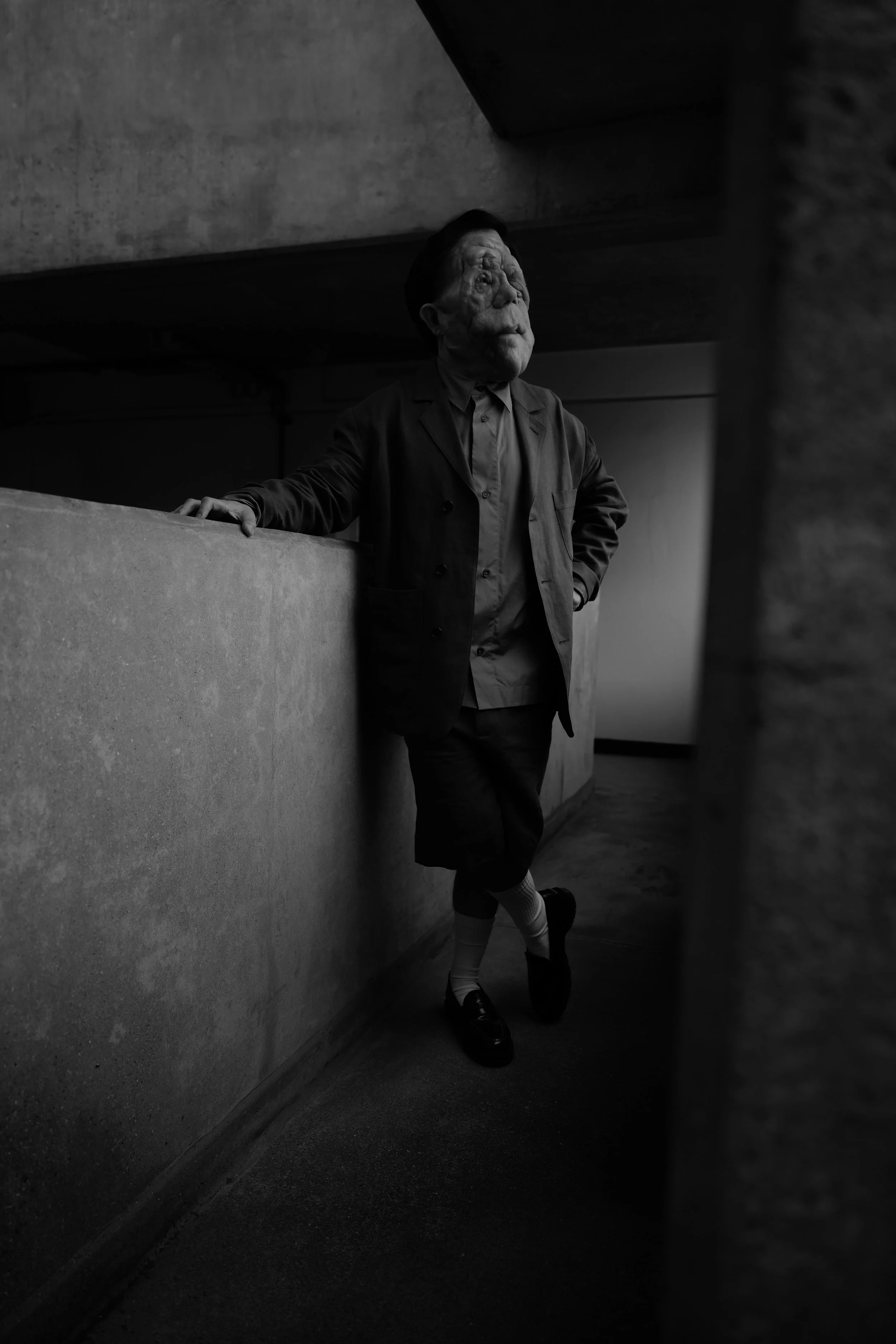
Blazer, short & socks - Margaret Howell, Watch - Montblanc, Socks - Arket, Shoes - Oliver Spencer
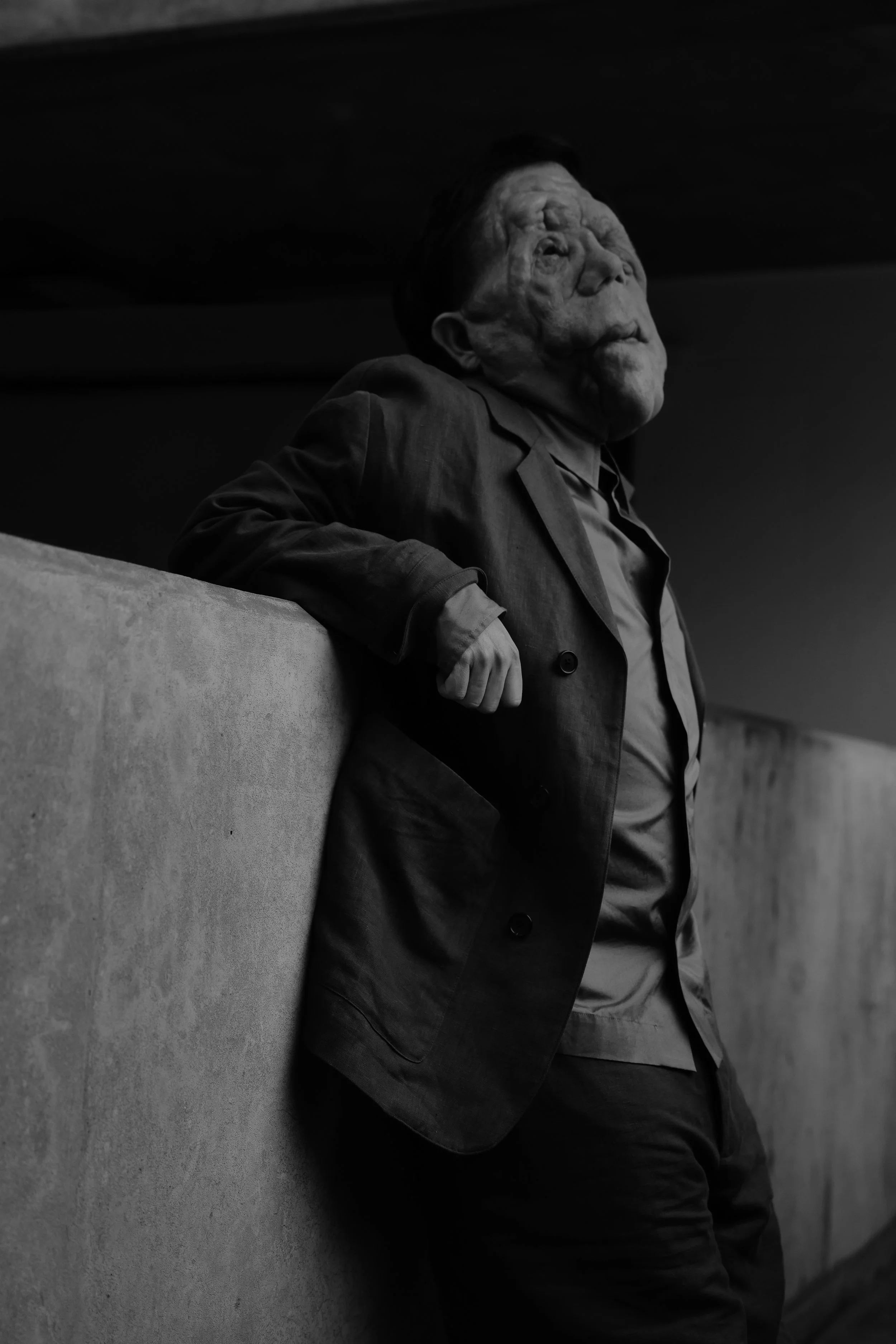
Blazer, short & socks - Margaret Howell, Watch - Montblanc, Socks - Arket, Shoes - Oliver Spencer
Since that breakout role, Pearson has continued to choose projects that challenge traditional ideas about beauty, narrative, and representation. In Chained for Life, he took centre stage in a surreal, subversive meditation on the ethics of casting and storytelling. And through it all, he’s remained one of the most vocal and visible advocates for meaningful representation of people with disabilities and visible differences in film and media. But for Pearson, advocacy isn’t a box to tick — it’s a lens through which he lives and works. “Unless I’m willing to turn up and bare my soul, I have no right to ask an audience to do the same,” he says. “Audiences are smarter than they’re given credit for.”
That belief in the intelligence of the audience, in their capacity to sit with discomfort and complexity, is what gives Pearson’s screen presence such weight. He never flinches. And yet, he’s the first to admit he’s learning, evolving, adjusting — finding new ways to protect his own energy in a hyper-accelerated industry. “I've found, as I’ve gotten older, the importance of self-care,” he says. “For one hour, three times a day, I’ll just turn my phone off. No doom scrolling. No social media nonsense.” It’s a radical little rebellion in its own right.
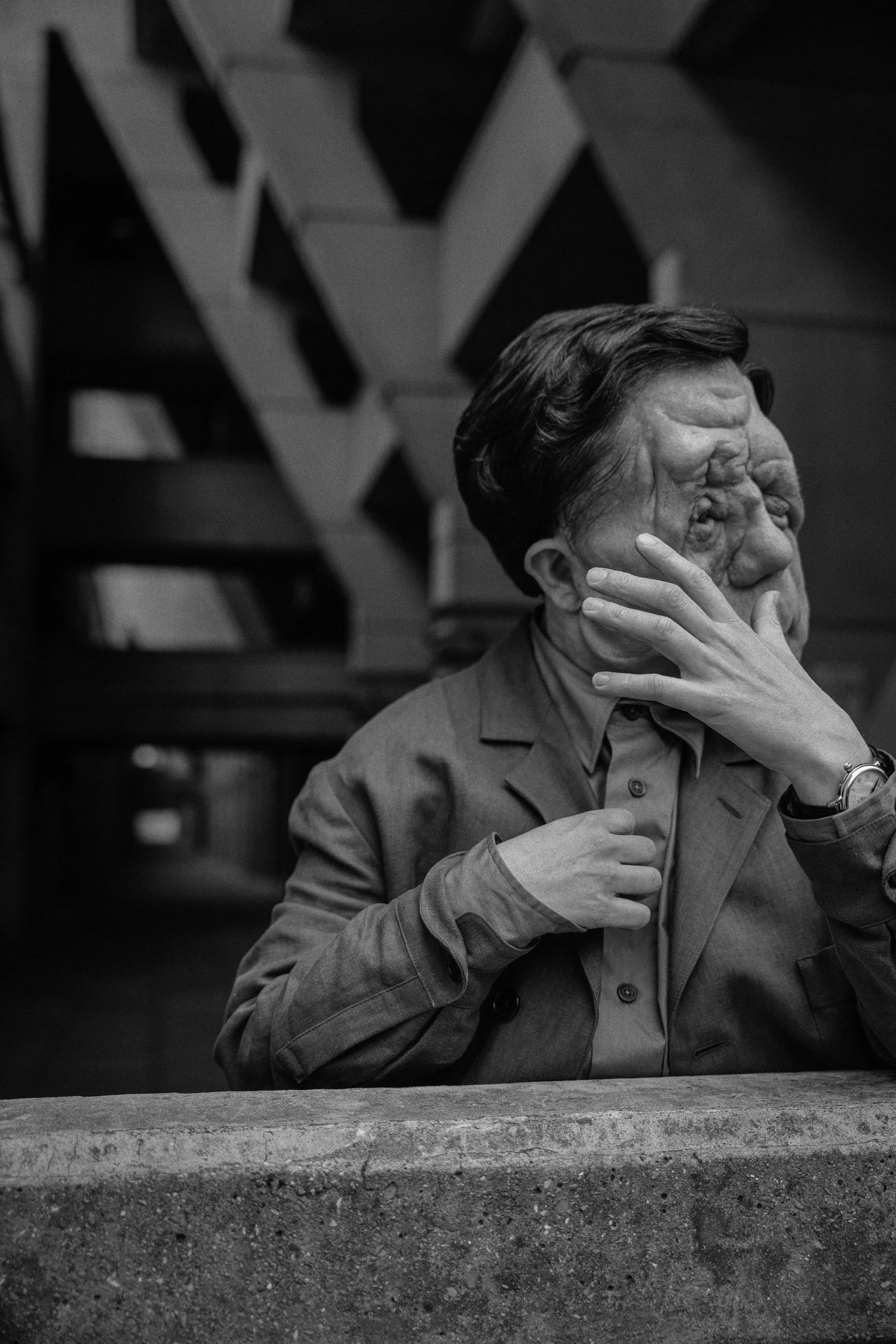
Full look - Margaret Howell, Watch - Montblanc
And now, Pearson’s priorities are shifting too. He’s not interested in being the poster child for representation for representation’s sake. “Everything I’m doing now needs to be good,” he insists. “Representation has come so far and I have no interest in doing anything that reinforces old and damaging stereotypes that I’ve been spending years fighting to disprove.” He’s grateful for the space to say no. Grateful to be in rooms where his ideas are taken seriously. And ready — very ready — for a change of pace. “I’m absolutely itching to do a straight comedy film or series,” he says with a grin. “So Mr. Gervais, Mr. Sandler — if you’re reading this, please know I’m a huge fan. Call my people.”
That sense of fun is central to Pearson’s approach, and it threads through the way he talks about the work. But make no mistake — he takes craft seriously. “The first thing I do is learn the words,” he explains.
“Lock myself away with the script and agonise over it. Then I start to break everything down, scene by scene. You almost need to get in the head of every character in the film. That way, you can bounce off your co-stars better.” But above all? “Don’t be a dick,” he deadpans. “Be funny. Be charming. Learn everyone’s names. Say please and thank you. People notice that stuff.”
Pearson is also quick to acknowledge just how much the industry has changed since Under the Skin. “It’s certainly better than it used to be,” he says of authentic casting and representation. “I think the days of ‘cripping up’ and playing disabled as an Oscar grab are thankfully far behind us.” That doesn’t mean rewriting history — Pearson is pragmatic and nuanced in his view. “It’s absolutely possible to enjoy those older films while acknowledging they’d be handled very differently now.” What matters to him now is access. Opportunity. Getting talented disabled actors in front of casting directors, and letting their talent do the talking.
That duality — being both a working actor and a public advocate — has added new weight to every decision he makes. “When you represent a community, your decisions matter more,” he says. “There are consequences beyond simply ‘Adam’s world’. I hate the idea that I might inadvertently cause a child to be bullied at school because of something I’ve said or done.” He chooses his words carefully. Not out of fear — but out of care.
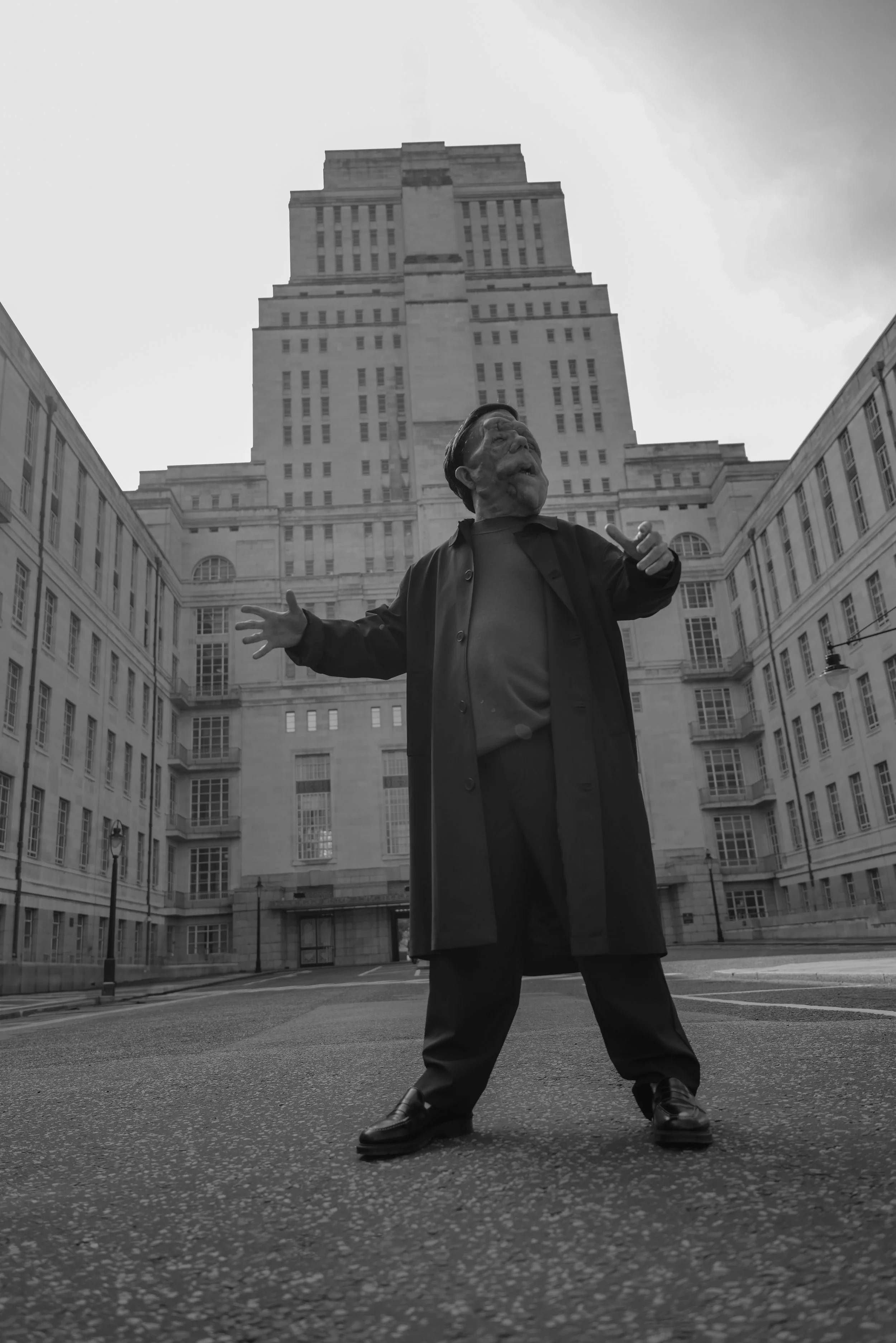
Coat & trousers - American Vintage, Top - Margaret Howell, Watch - Montblanc, Shoes - Oliver Spencer
Pearson’s clarity, you suspect, has been shaped by a patchwork of collaborators over the years. He cites Glazer, of course, but also Chained for Life’s Aaron Schimberg, and his co-star in that film, Sebastian Stan. “I’ve learned so much from so many people,” he says. “You inevitably become a product of your environment, which is why it’s so important to cultivate a good one.”
And when it comes to style? “I like to dress for comfort,” Pearson says, laughing. “If an outfit makes you feel good, it just makes your day better.” That said, he’s no stranger to the sartorial high life. “My stylist Sarah Rose Harrison is an utter legend. We’ve spent many a session at Dior on New Bond Street, getting fitted for the BAFTAs and the Indie Spirit Awards.” For Pearson, style is both armour and joy. “There’s something about putting on a power suit that just makes a man feel like a legend. As long as you’re wearing the clothes — not the other way around — I have no issue nailing a red carpet.”
His views on masculinity are equally nuanced. “I think masculinity has been slightly demonised,” he says. “Toxic masculinity exists and is awful — that’s not what I’m talking about. To me, masculinity means protecting the things and people you love. I don’t need to be an alpha gigachad to feel manly.” He’s a big believer in holding friends accountable, modelling better standards, raising the bar. “We’ve got too many male role models who, frankly, shouldn’t be role models,” he says. “I’m just trying to raise the standard slightly.”
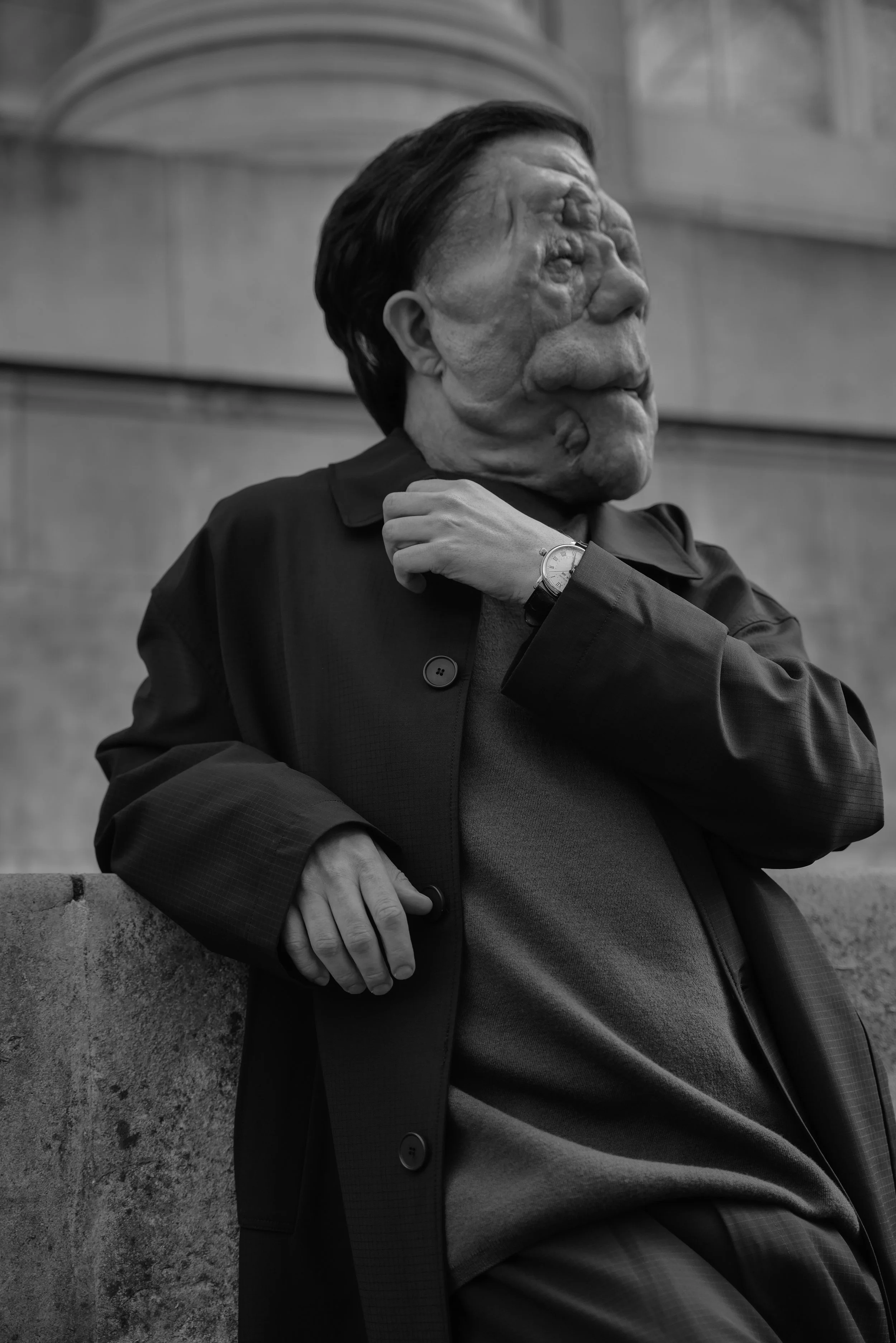
Coat & trousers - American Vintage, Top - Margaret Howell, Watch - Montblanc
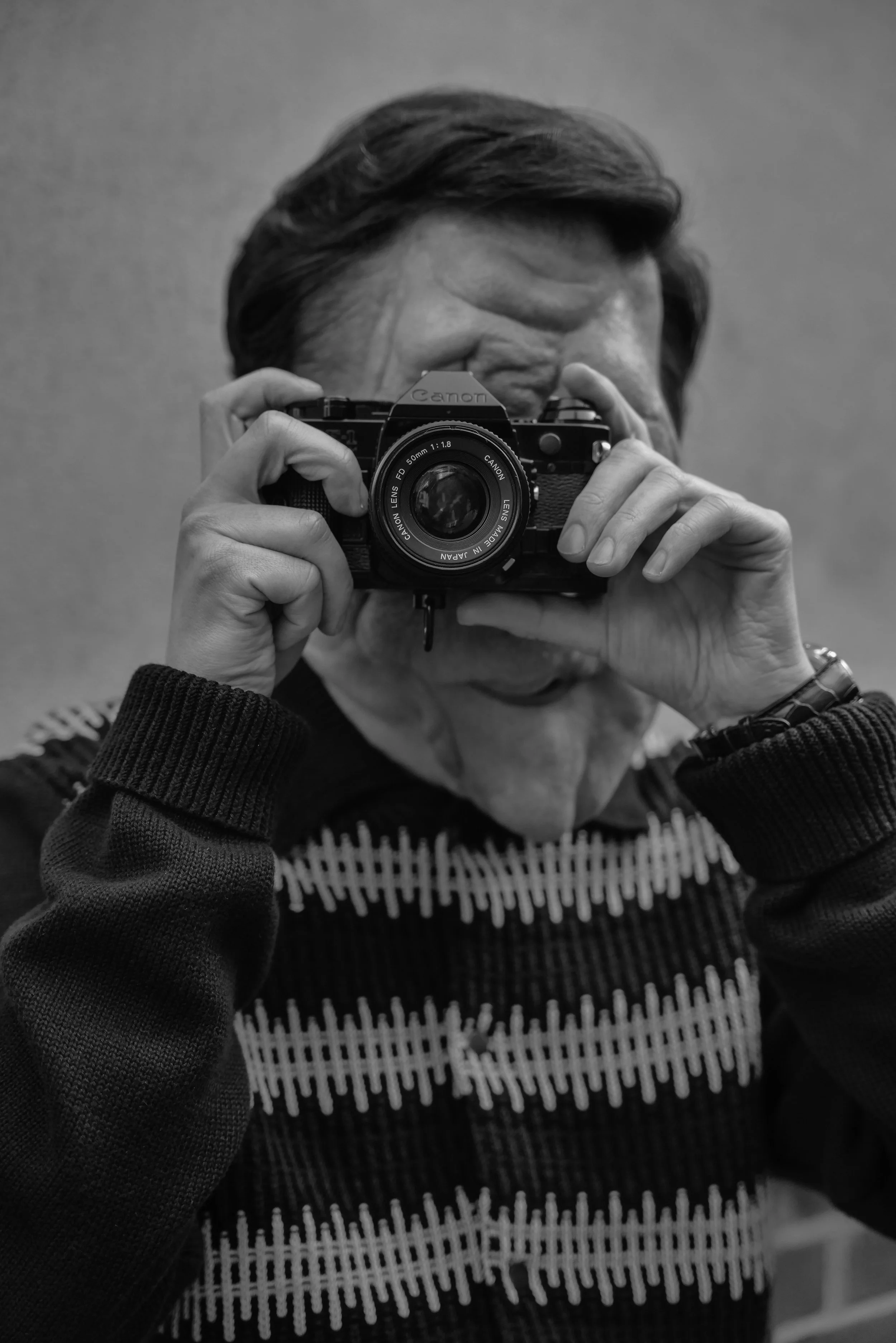
Watch - Montblanc, Full look - Oliver Spencer
This matter-of-fact radicalism — this insistence on care, on clarity, on kindness — it permeates everything Pearson touches. Even his social media, once a place of pain, has become a kind of digital fortress. “Back in the day, trolls would have absolutely destroyed me. Now? I could care less. My social media is where troll comments come to die, cold and lonely.”
If Pearson sounds centred, it’s because he is. But don’t mistake that for being settled. There’s still so much more he wants to do. So much more he wants to say. And yes, that includes bringing his wrestling obsession and encyclopaedic knowledge of Magic: The Gathering to a broader audience. “The fact people think I’m grown up will never cease to amaze me,” he says, only half-joking.
For now, though, the balancing act continues. Presenter, actor, campaigner — Pearson does it all with humour and ease. “I’m always looking for the next big thing,” he says. “Always trying to learn, to upskill.” And when he’s not working? “Nothing brings me greater joy than watching pro wrestling. Sometimes life is messy, and stressful. So to have something you can escape to for a few hours? That can only be a good thing.”
What’s next? He’s tight-lipped — but smiling. “Watch this space,” he says. “You’ll absolutely be seeing me on the silver screen again.”