
Inside Chanel’s Tokyo Takeover: 19M Brings the Art of Craft to Mori Tower
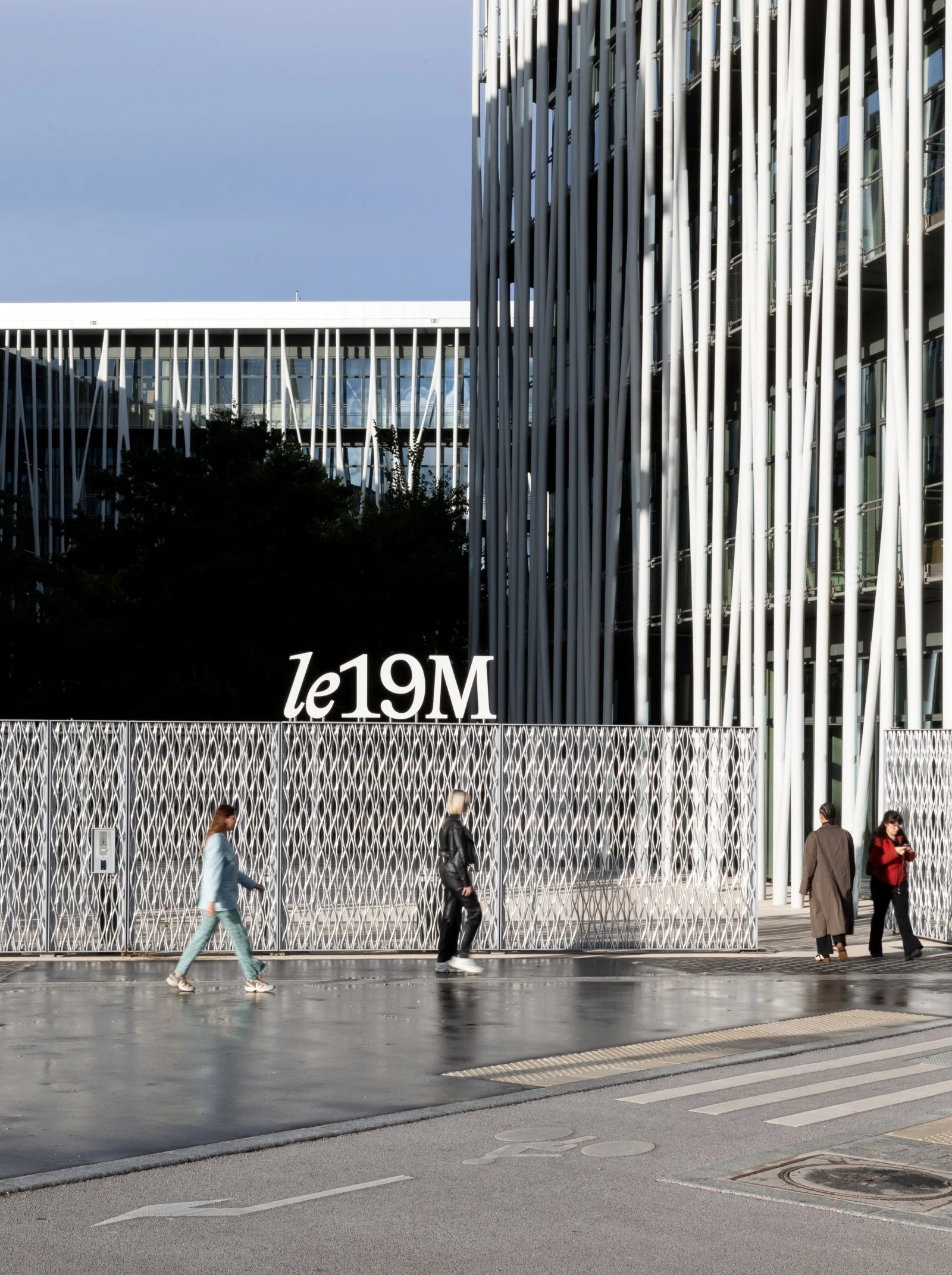
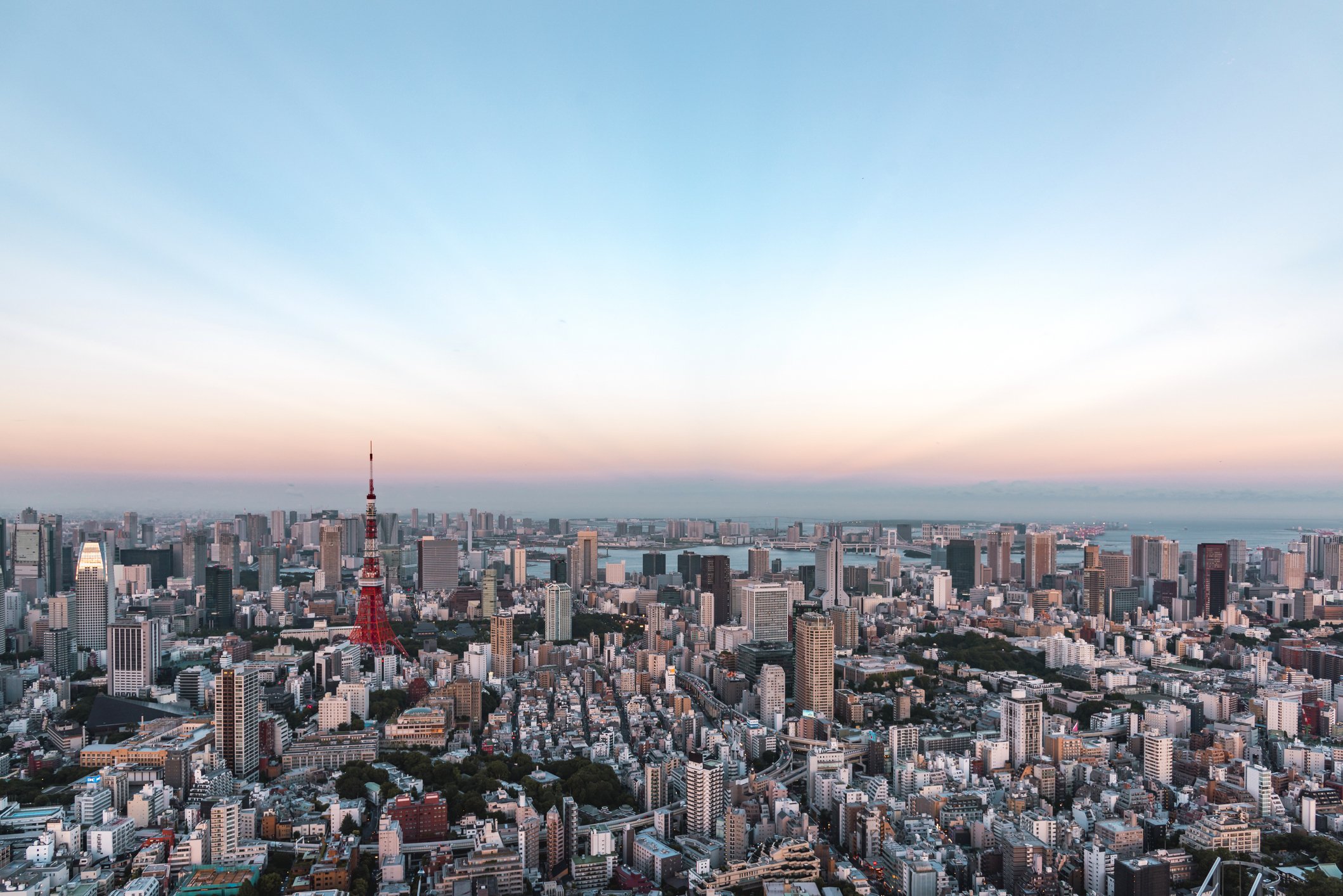
From September 30 to October 20, 2025, the 52nd floor of Tokyo’s Mori Tower won’t just be offering views of the skyline—it’ll be the place to get up close with the most intricate craftsmanship in the fashion industry, courtesy of CHANEL’s 19M.
If you know your ateliers from your artisans, then the significance of the 19M won’t be lost on you. Founded in Paris in 2021, 19M is CHANEL’s purpose-built temple to the Métiers d’art: the masters of embroidery, pleating, featherwork, shoemaking and millinery who bring the house’s most ambitious ideas to life. While these métiers often remain behind the scenes, the Tokyo residency brings them front and centre, and—crucially—lets you get hands-on with the process.
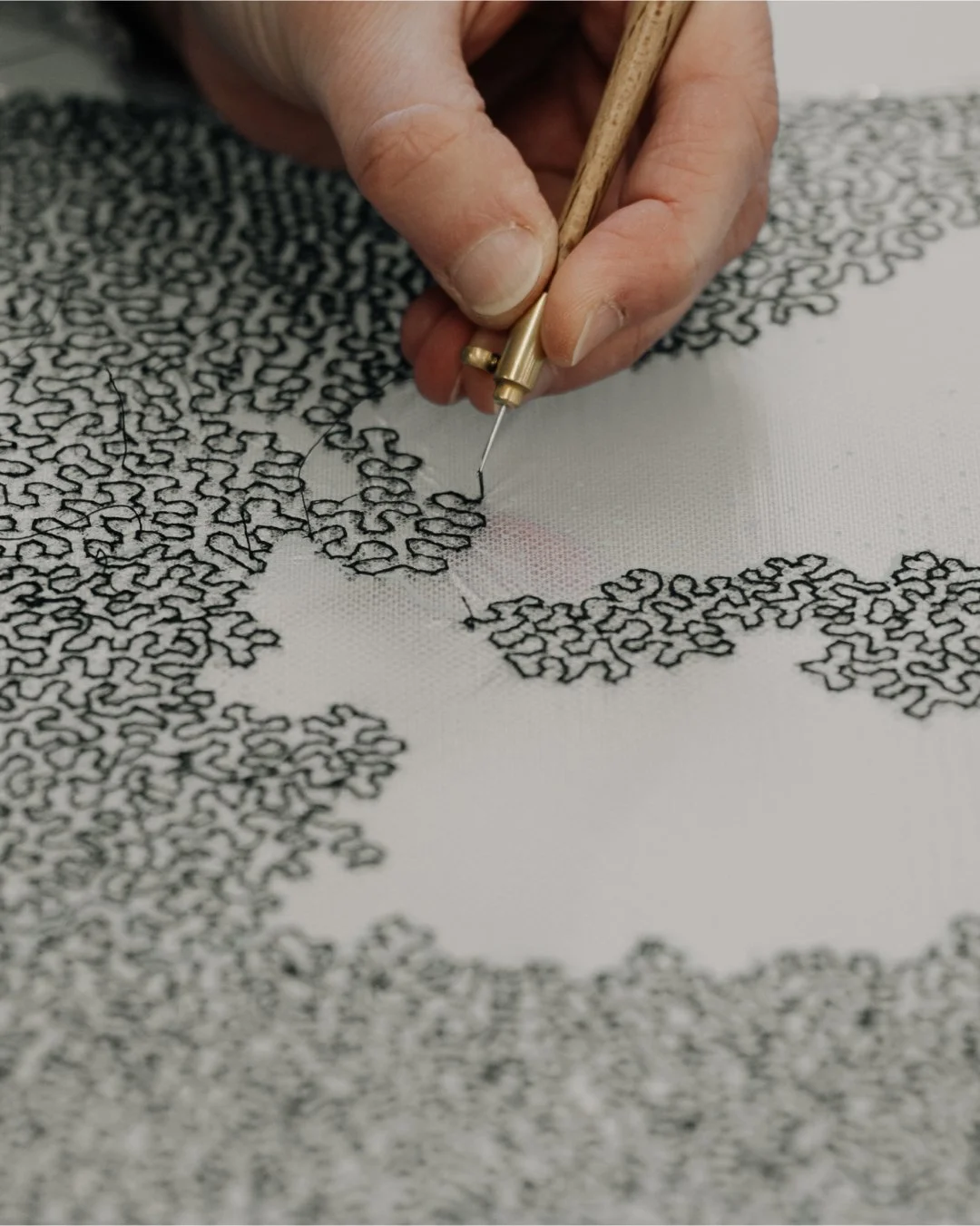
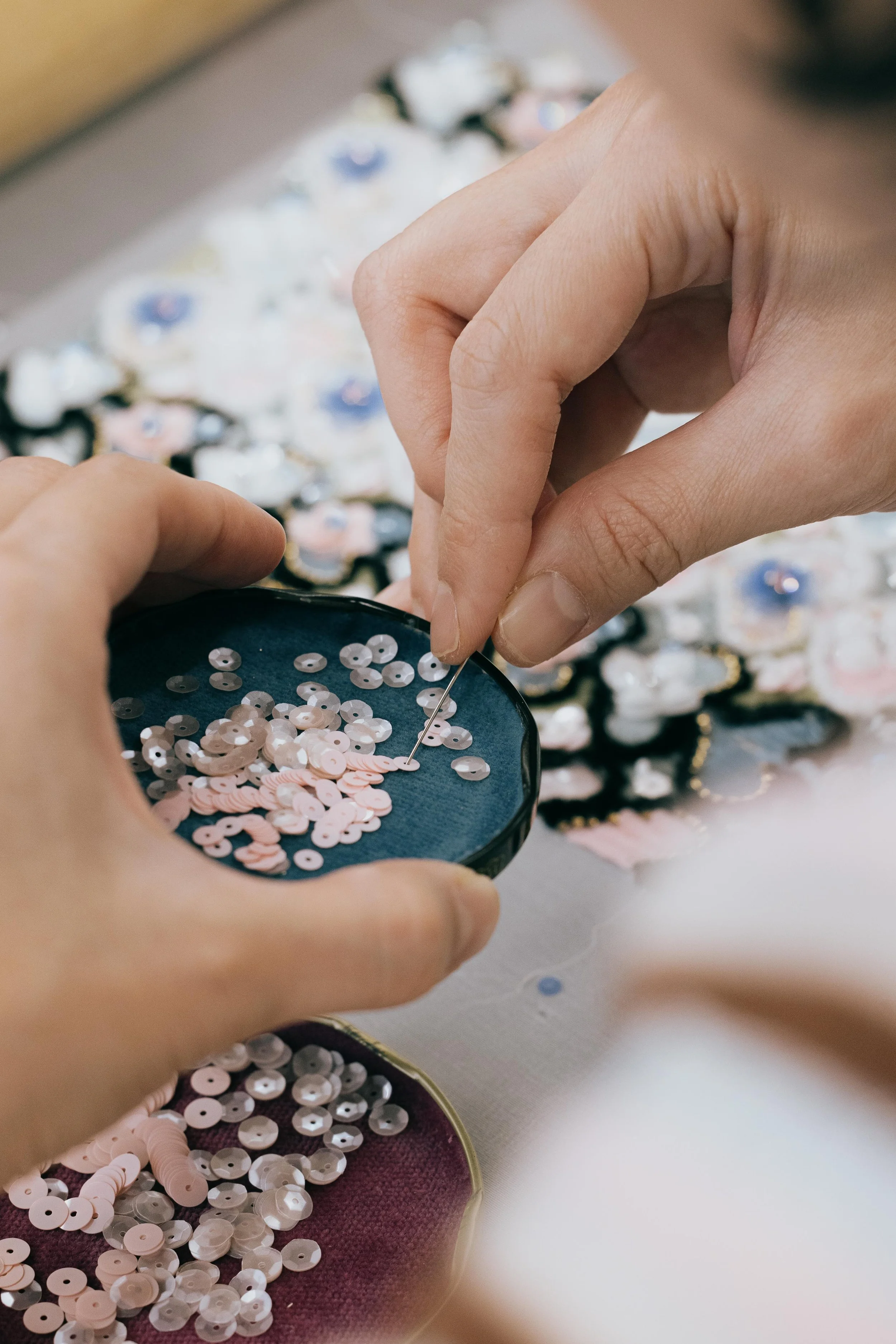
For the menswear-inclined, this is more than just heritage flexing. CHANEL’s 19M craftspeople have long been the quiet force shaping the codes of luxury tailoring and ornamentation that filter into men’s collections across the industry. Think: Lesage embroidery on an evening jacket, Lemarié feathers in a showpiece coat, or Goossens metalwork reinterpreted into bold jewellery for menswear.
In Tokyo, 19M’s pop-up offers a three-part experience that brings these métiers into conversation with Japanese craft and design. The “Festival” installation by architect Tsuyoshi Tane is the architectural draw—dramatic, structural, and steeped in materials that nod to both Parisian and Japanese design languages. But it’s the curated exhibition of over 30 artisans that makes this a must-visit for anyone who obsesses over construction details.
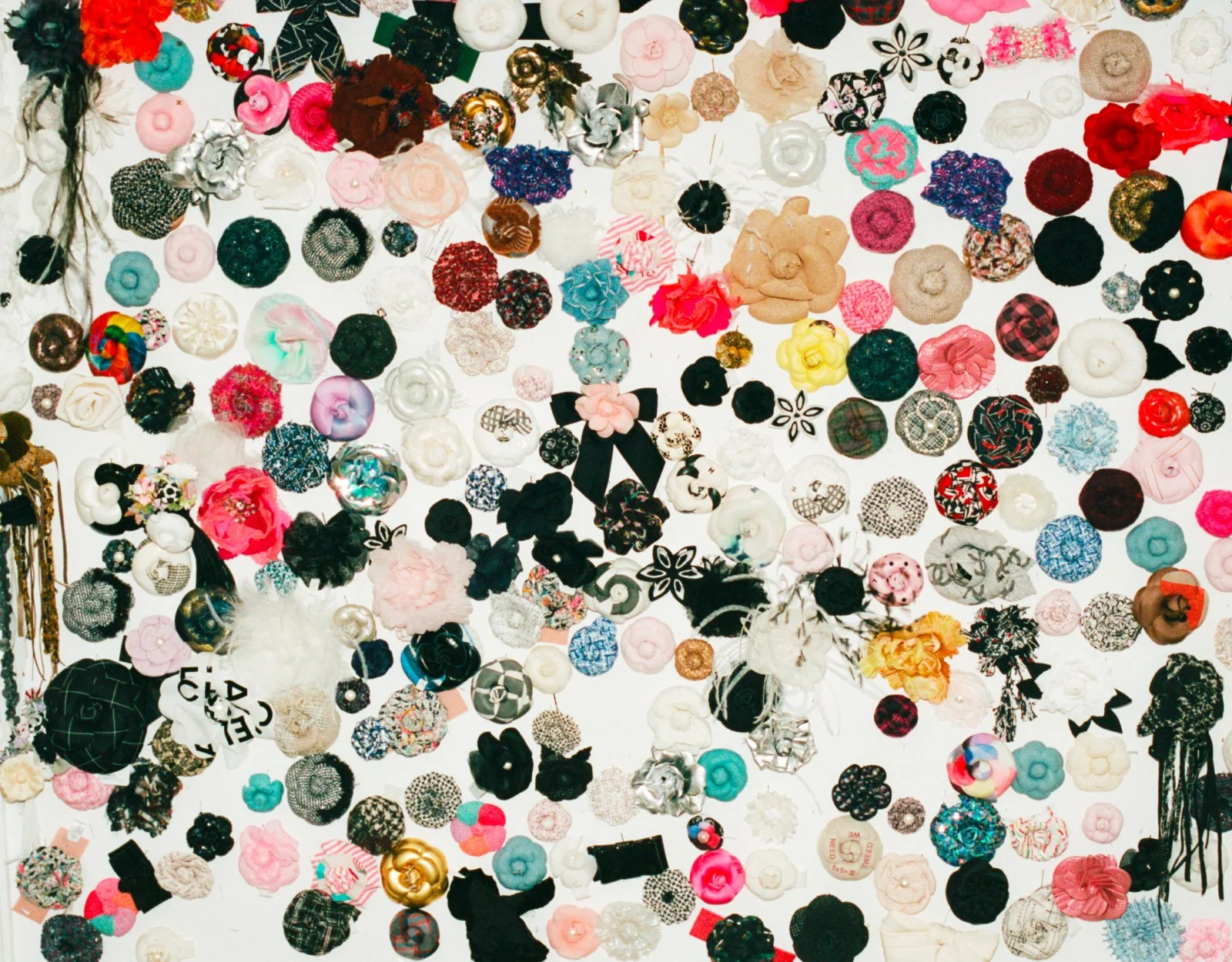
Here, the emphasis is on dialogue—not just between Paris and Tokyo, but between materials and process. Artisans from maisons like Maison Michel (millinery) and Massaro (shoemaking) work alongside Japanese counterparts in textiles, ceramics and lacquer, sharing not just techniques but the kind of tactile language that transcends trend. Expect to see embroidery reimagined in calligraphic forms, tailoring intersecting with traditional dyeing techniques, and the type of embellishment that normally takes hundreds of hours condensed into a moment of live demonstration.
The men’s style angle? It’s everywhere—if you know where to look. At Maison Lognon, pleating takes on new dimension when applied to menswear shirting. At Goossens, jewellery crafted with the kind of heft and geometry that suits a masculine wrist. Even in Lesage’s archives, there’s a growing number of motifs and structures that feel like a blueprint for the kind of gender-fluid statementwear modern menswear is finally catching up to.
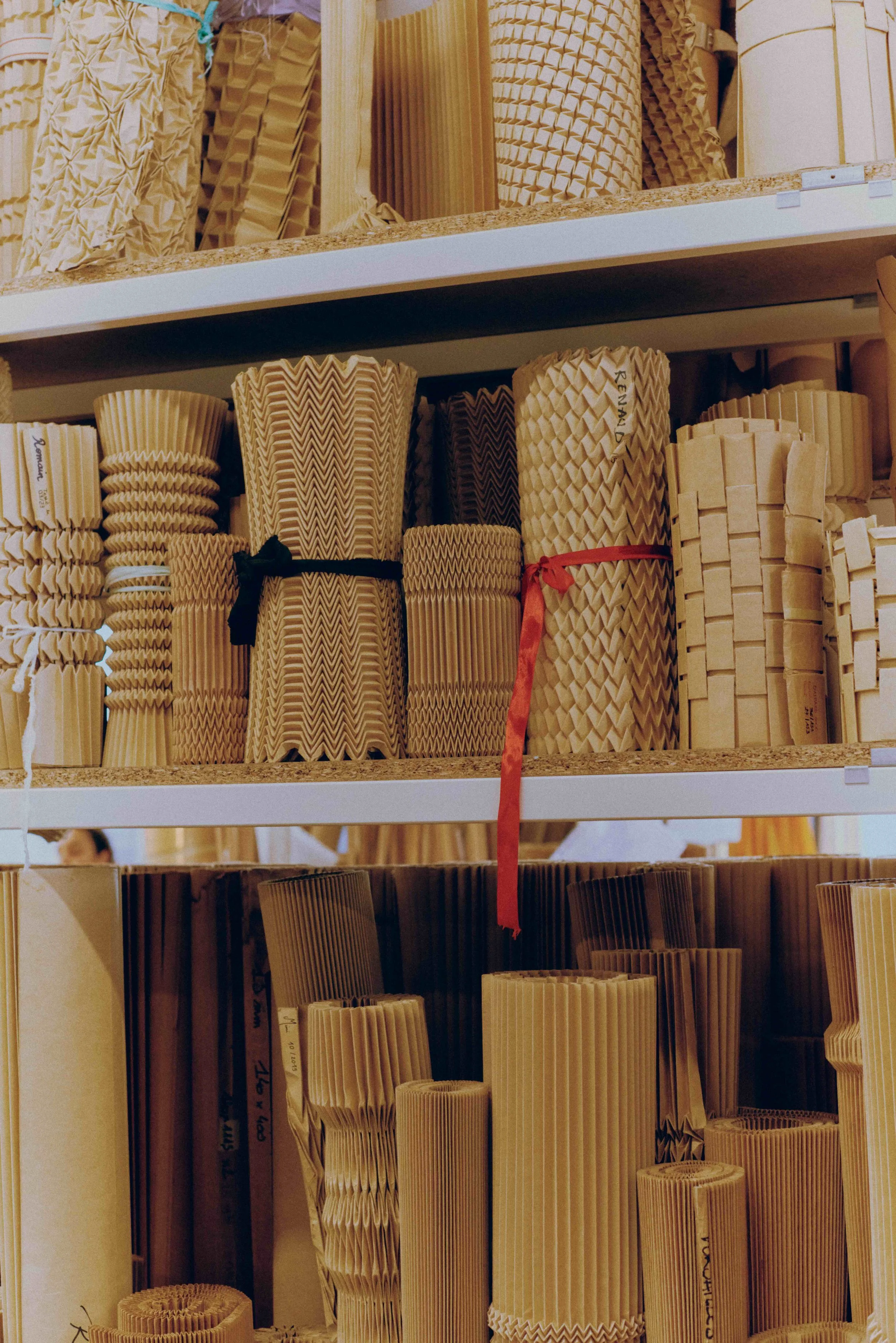

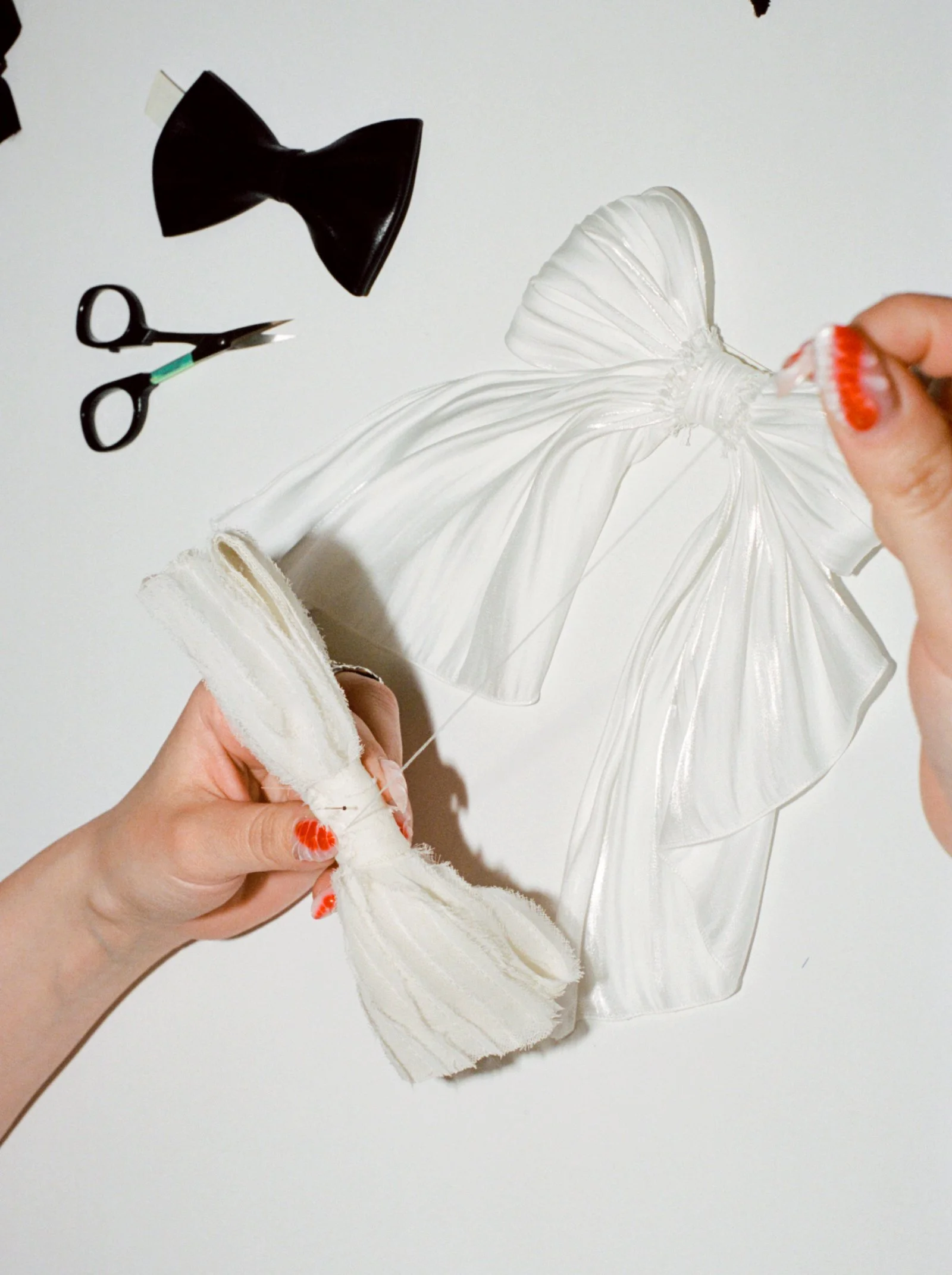
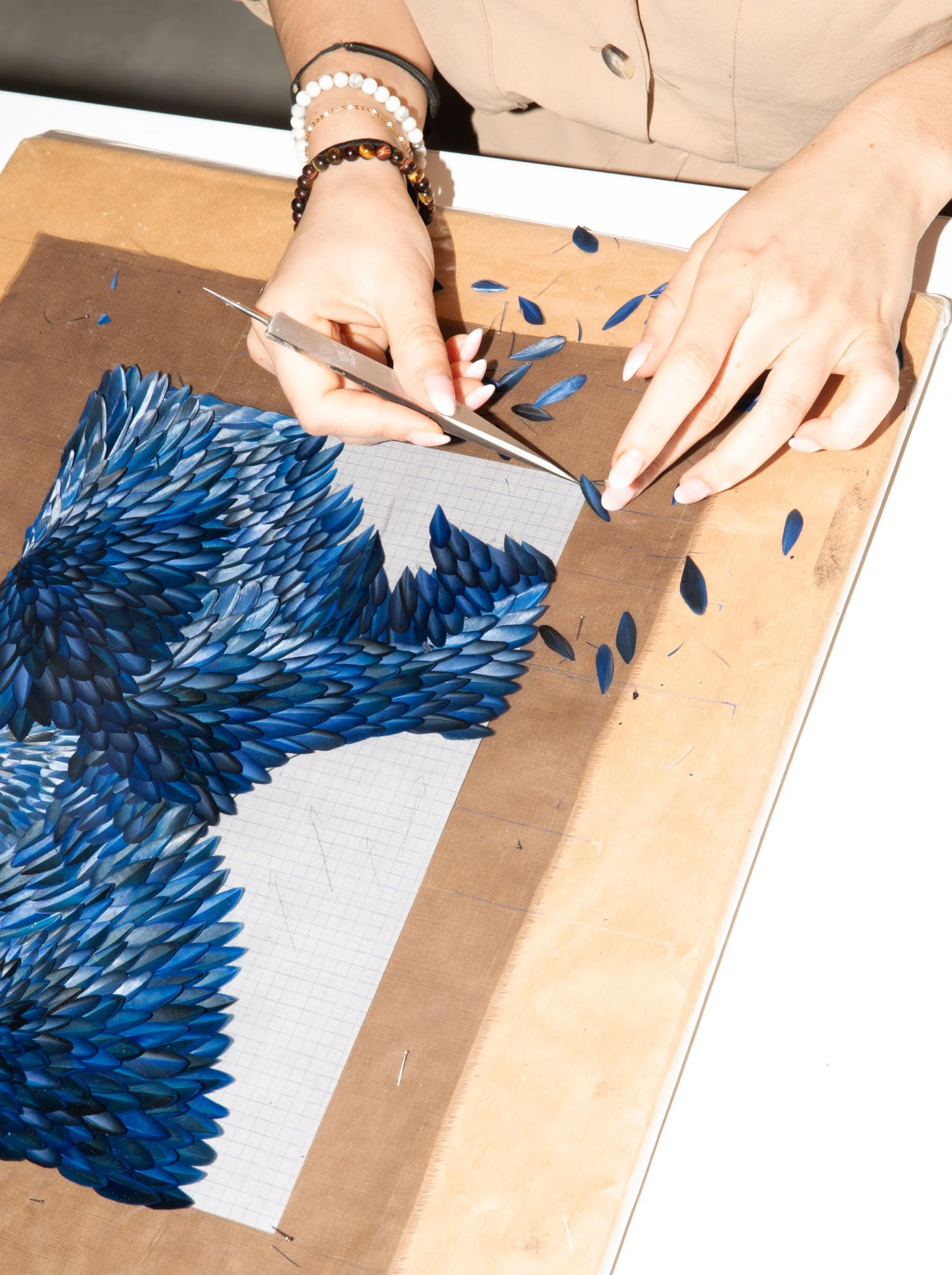
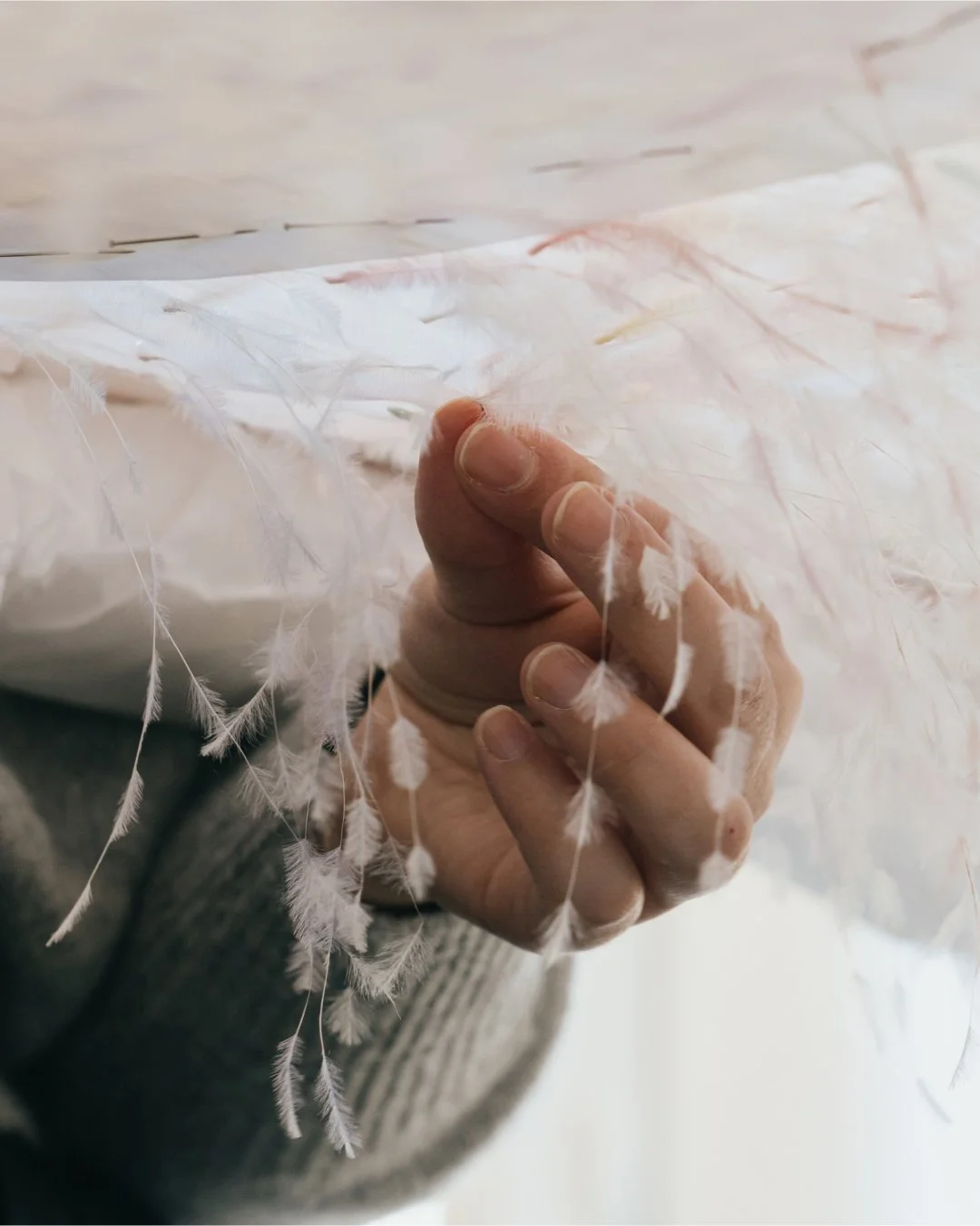
Alongside this, the Galerie is staging a retrospective to mark the 100th anniversary of embroidery house Lesage—a Maison whose influence in menswear has often been overlooked. From embellished band collars to hand-embroidered blazer panels, Lesage’s signatures are present in countless high fashion men’s collections, and this exhibition offers an unfiltered look at what goes into them.
Of course, there’s a wider conversation to be had about sustainability and legacy. In an age of digital fashion and AI-generated collections, there’s something grounding about seeing a piece of threadwork pass from hand to hand. For menswear, which has long leaned on functionality and minimalism as a default, the 19M residency presents a different vision—one where detail is not excess, but narrative.
CHANEL’s Tokyo takeover may sit under the banner of Métiers d’art, but for menswear purists and fashion obsessives alike, it’s a reminder that craftsmanship isn’t a trend. It’s the thing that makes fashion worth watching. And wearing.