
In Conversation With: Diana Cipriano, Programmer at BFI
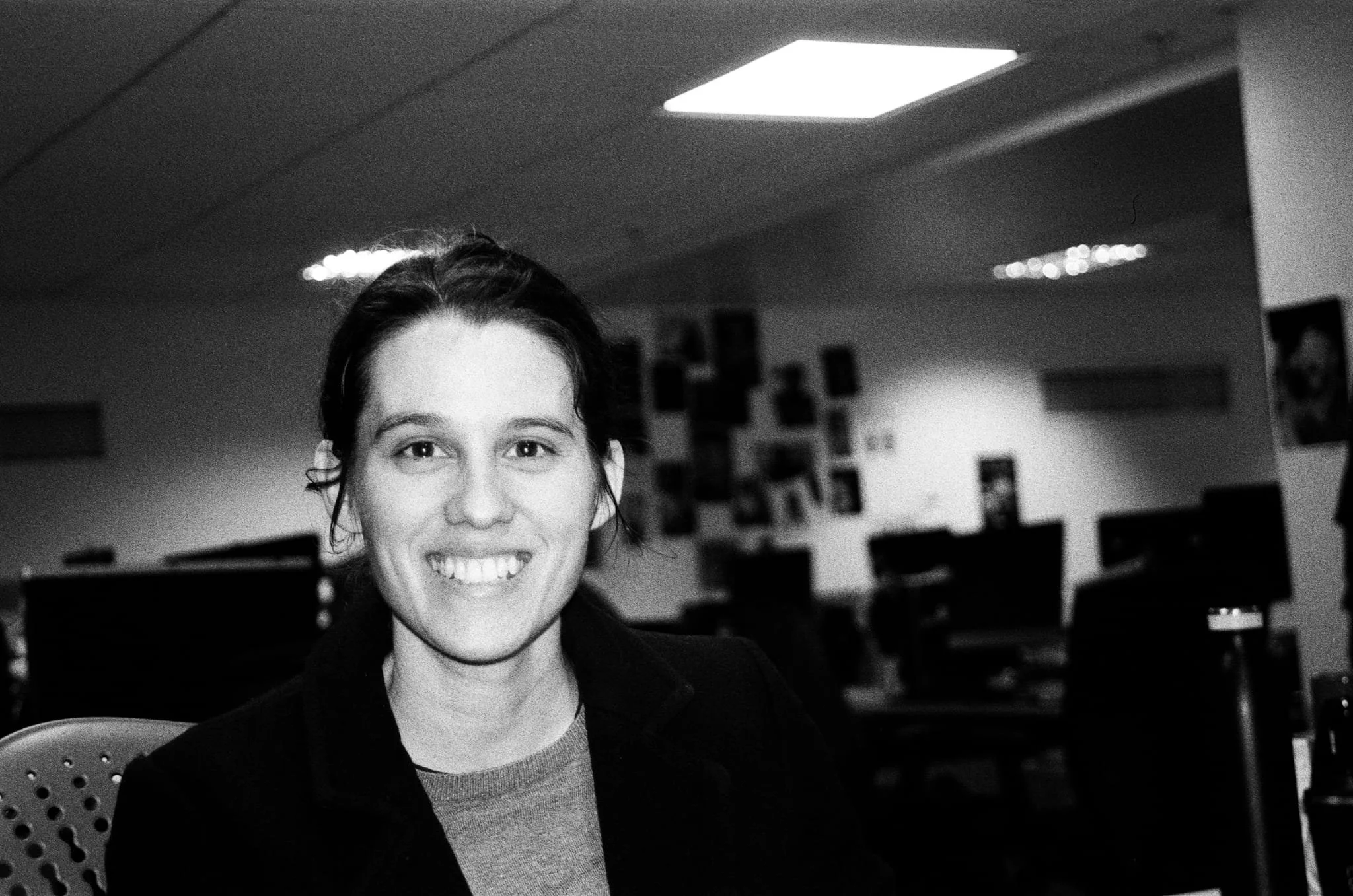
Image credit: Vicky Millington
At the centre of BFI Southbank’s January programme sits Diana Cipriano, part of the institution's programme team and a guiding hand behind Ensemble: The Filmmakers from Richard Linklater’s Nouvelle Vague. Tasked with contextualising the arrival of Linklater’s Nouvelle Vague (2025), Cipriano has co-curated with BFI Lead Programmer Kimberley Sheehan, a season that moves beyond straightforward revival, instead offering audiences an immersive journey into the figures, influences and creative cross-currents that defined the French New Wave. For Cipriano, the season is as much about the personalities and politics behind the films as it is about the films themselves.
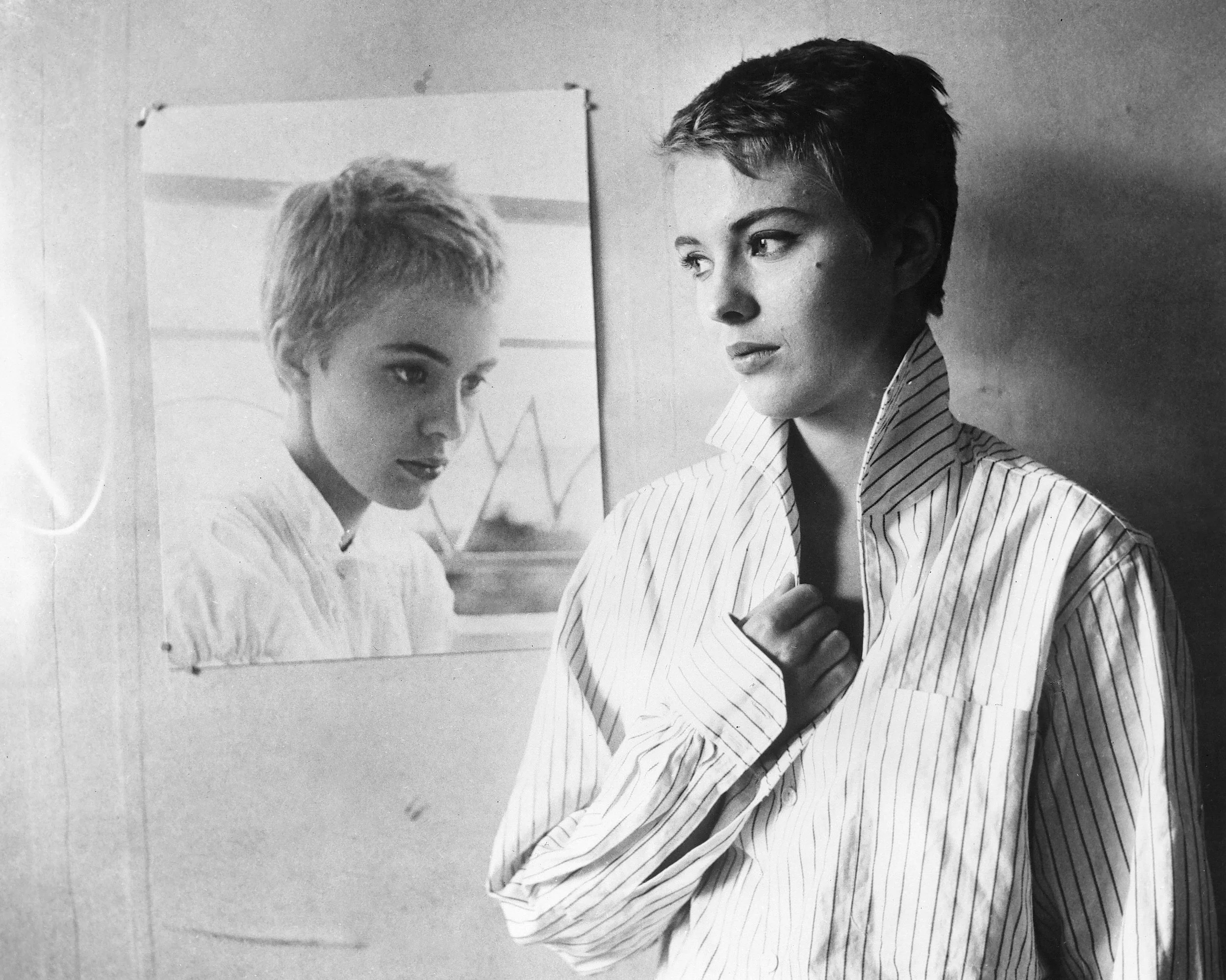
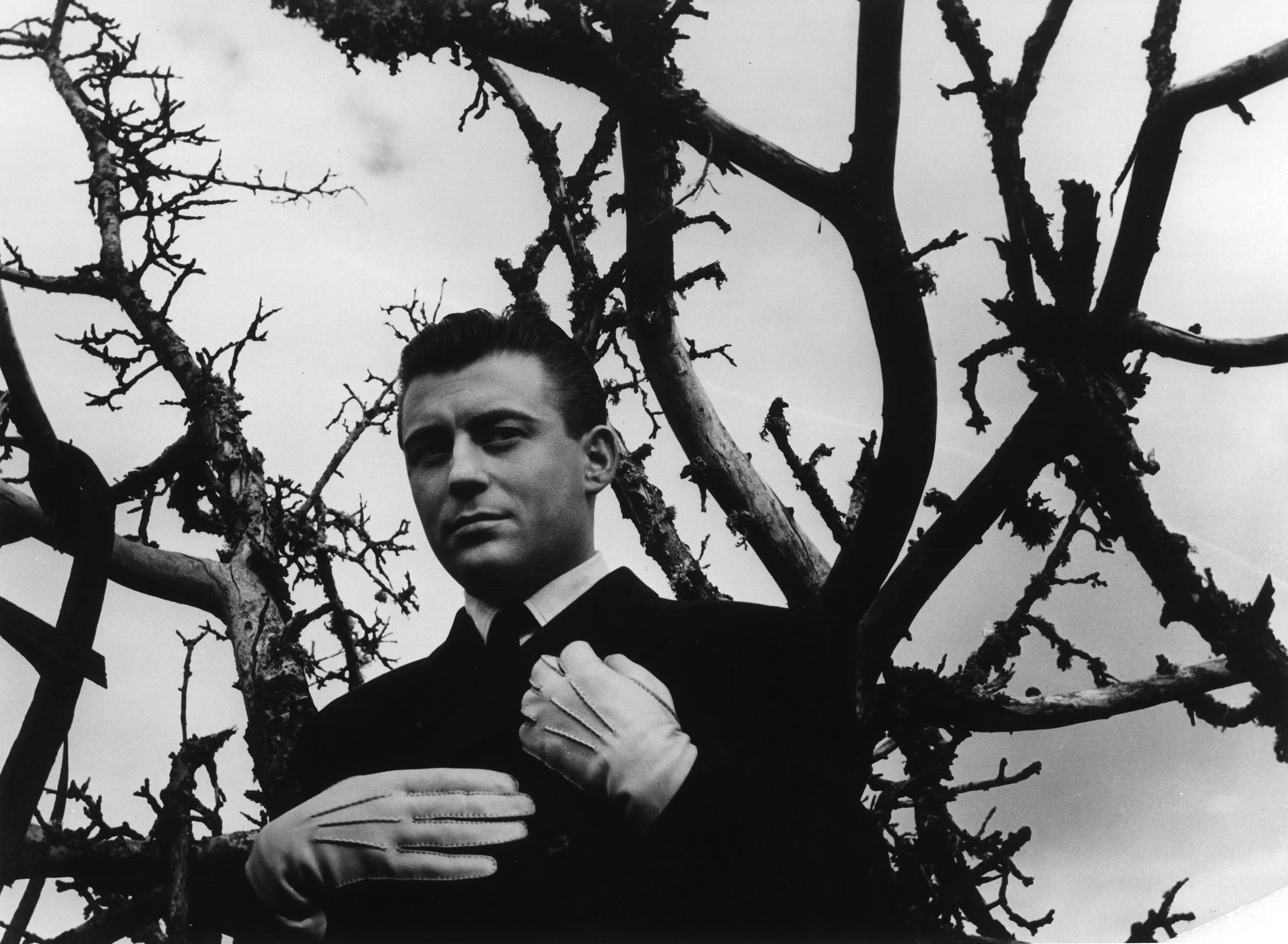
Ensemble which unfolds across the month at BFI Southbank, pairs Linklater’s love letter to the making of Breathless with a rich selection of works by Jean-Luc Godard, François Truffaut, Agnès Varda, Jacques Rivette and their contemporaries, alongside key precursors such as Jean Cocteau and Roberto Rossellini. From The 400 Blows and Pickpocket to Orphée and the epic Out 1: Noli Me Tangere, the programme maps the New Wave not as a sealed moment in film history, but as a living conversation—one that continues to inform how cinema is made, watched and understood today.
Breathless
Les Cousins
TH: As a programmer at BFI, how do you approach shaping a season like Ensemble: The Filmmakers from Richard Linklater’s Nouvelle Vague, where historical cinema and contemporary filmmaking are in direct conversation?
DC: This was almost an ideal situation, to be honest. It’s rare to have a contemporary film that offers so many programming possibilities in itself. Nouvelle Vague isn’t just about the making of a canonical film like Breathless—it’s packed with these wonderful little cinematic “Easter eggs”. Figures keep popping up and, as a programmer but also as a film lover, you can’t help but get excited watching it.
Linklater’s Nouvelle Vague feels like a fever dream for anyone who loves cinema, especially French New Wave. The role of the programmer here was really about balance: thinking about a mix of well-known classics alongside rarer titles, and also considering different audiences. You might have younger viewers coming because of Linklater who aren’t deeply familiar with the New Wave, and long-time BFI members who know these films inside out. The challenge—and pleasure—was creating a programme that could excite both.
Orphee
TH: French New Wave cinema has been dissected and mythologised for decades. What still feels urgent about revisiting these films today, particularly on the big screen?
DC: So much of what the New Wave did has been referenced, imitated and pastiched over the years, but it’s essential to return to the originals. No matter how much you’ve heard about these films, seeing them properly—especially in a cinema—still has an enormous impact.
Take the final shot of The 400 Blows. I’ve seen that film countless times, but when I revisited it while preparing this season, that ending was still just as mysterious and open to interpretation as it was in 1959. The innovation in these films is so intense that there’s always something new to discover, regardless of how familiar they are or how often they’ve been discussed.
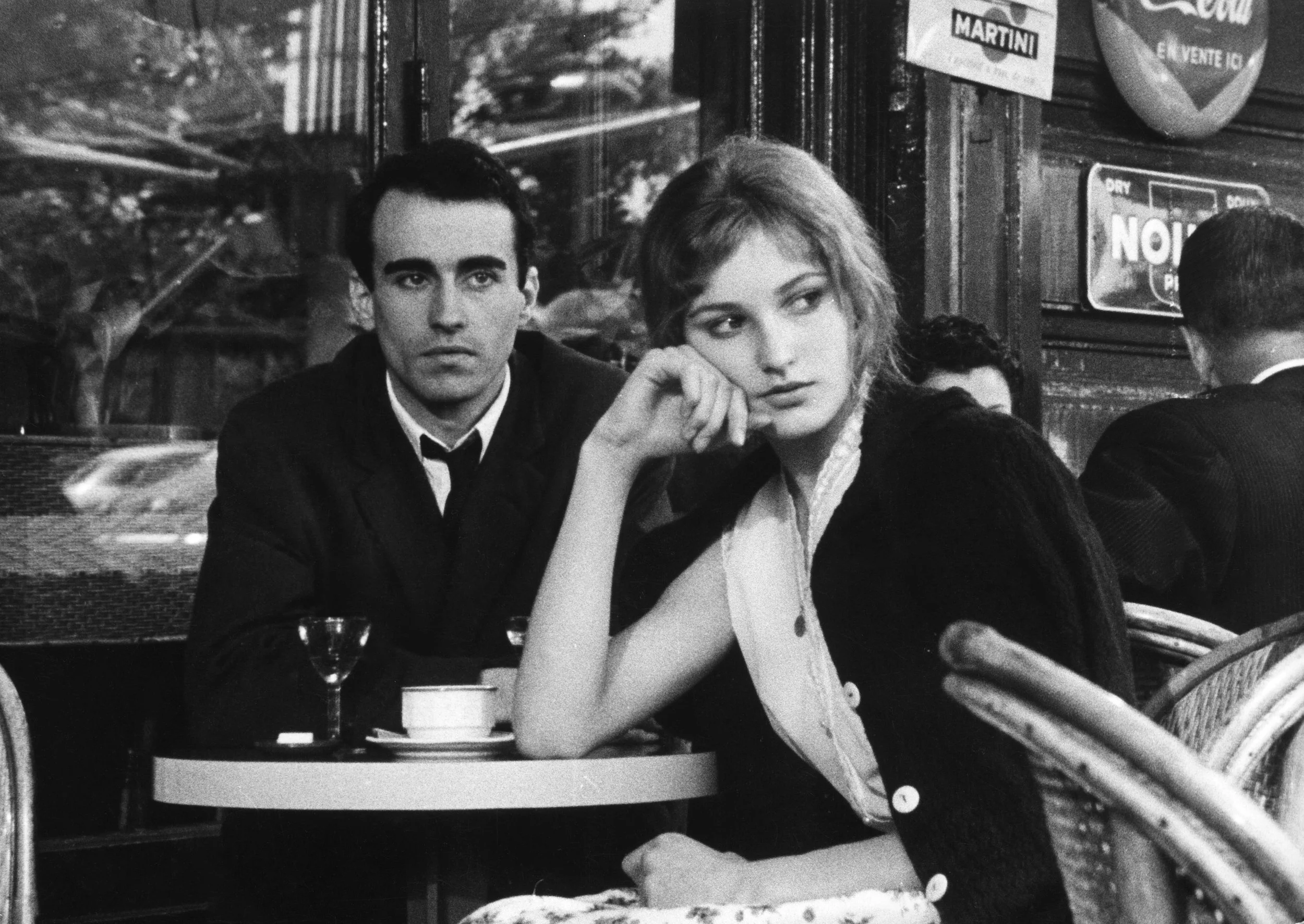
Pickpocket
TH: Richard Linklater’s Nouvelle Vague has been described as a love letter rather than a traditional biopic. How does his perspective as an American filmmaker shape the way we see this distinctly French movement?
DC: There’s something really striking about Linklater’s wide-eyed love for these filmmakers—how cool, stylish, and sometimes obnoxious they were. That distance, being American, gives him a unique perspective. It’s not exoticising the movement, but it is more forgiving, more affectionate.
It reminds me of how Wim Wenders created an America in Paris, Texas that almost felt more American than what an American filmmaker might make. Here, Linklater does something similar in reverse. There’s a fondness and tenderness in how he looks at these figures, perhaps because he encountered them from a very different cultural context, as formative influences rather than as inherited national mythology.
TH: The season invites audiences to ‘hang out’ with figures like Godard, Truffaut and Varda. Why is understanding their personalities and politics so important to understanding the New Wave itself?
DC: It’s crucial to recognise that the New Wave wasn’t just a set of films—it was people, personalities and politics. At the same time, it’s important to contextualise their behaviour. Some of it wouldn’t be acceptable today, and we shouldn’t shy away from that.
That’s partly why it was important for us to highlight figures like Suzanne Schiffman, who was often reduced to the role of “script girl” despite being central to the movement. Including films like Out 1 was a way of acknowledging both the innovation of these filmmakers and the limitations of the time they worked in. They weren’t perfect, but their work helped push cinema—and culture—forward.
TH: Several films in the season, such as Journey to Italy and Orphée, predate the New Wave. Does this suggest that the movement was really a series of conversations across generations and countries?
DC: Absolutely. One of the most important things to remember is that these filmmakers were critics before they were directors. They were professional film lovers. They absorbed cinema from everywhere—Italian neorealism, Hollywood, poetic realism—and then transformed it.
The New Wave came directly out of those conversations. That’s why we were careful not to present this as a straightforward French New Wave season. It’s a programme shaped by the figures and influences that orbit Linklater’s film, showing how ideas travelled, evolved and fed into one another across generations.
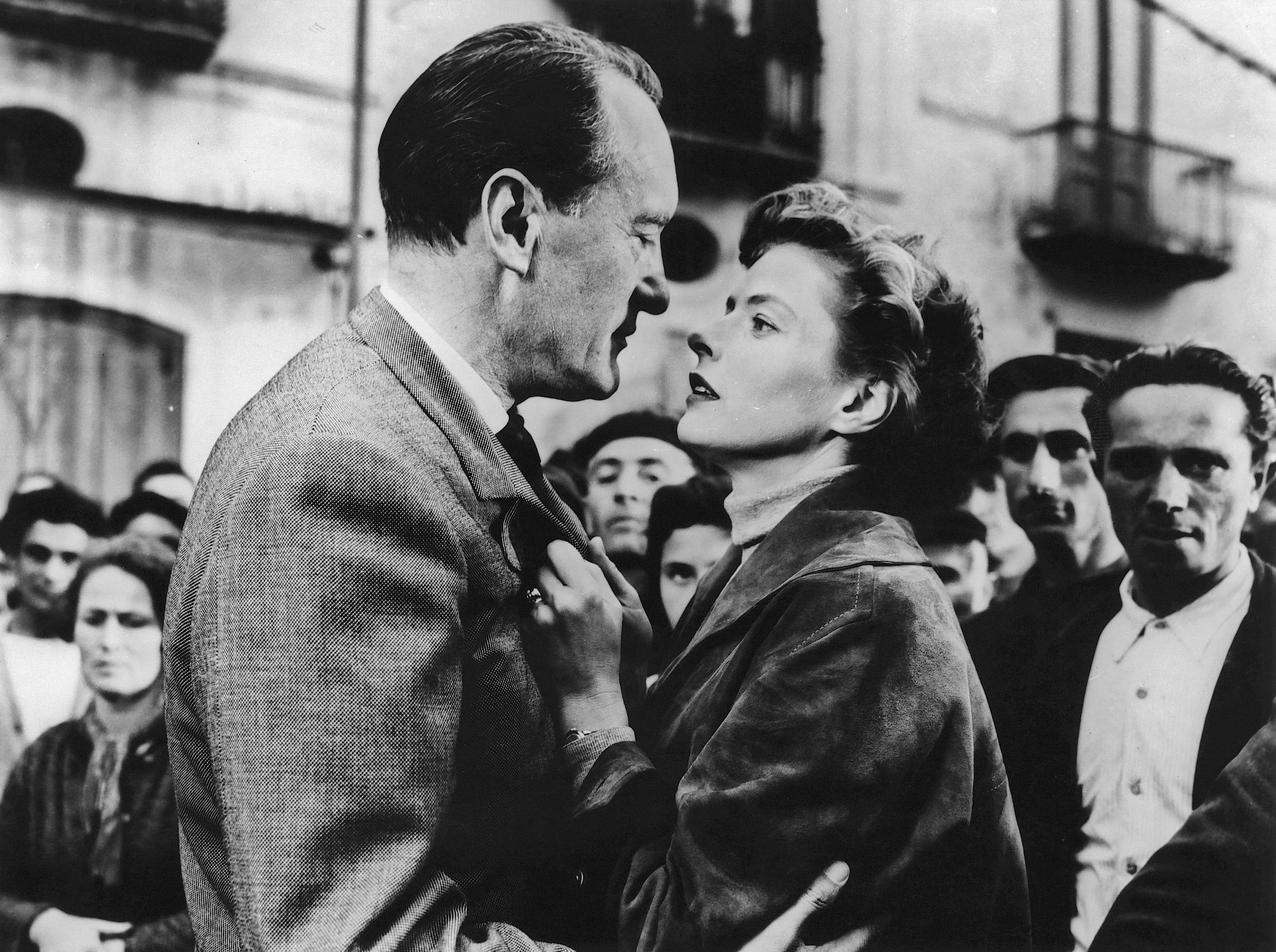
Journey to Italy
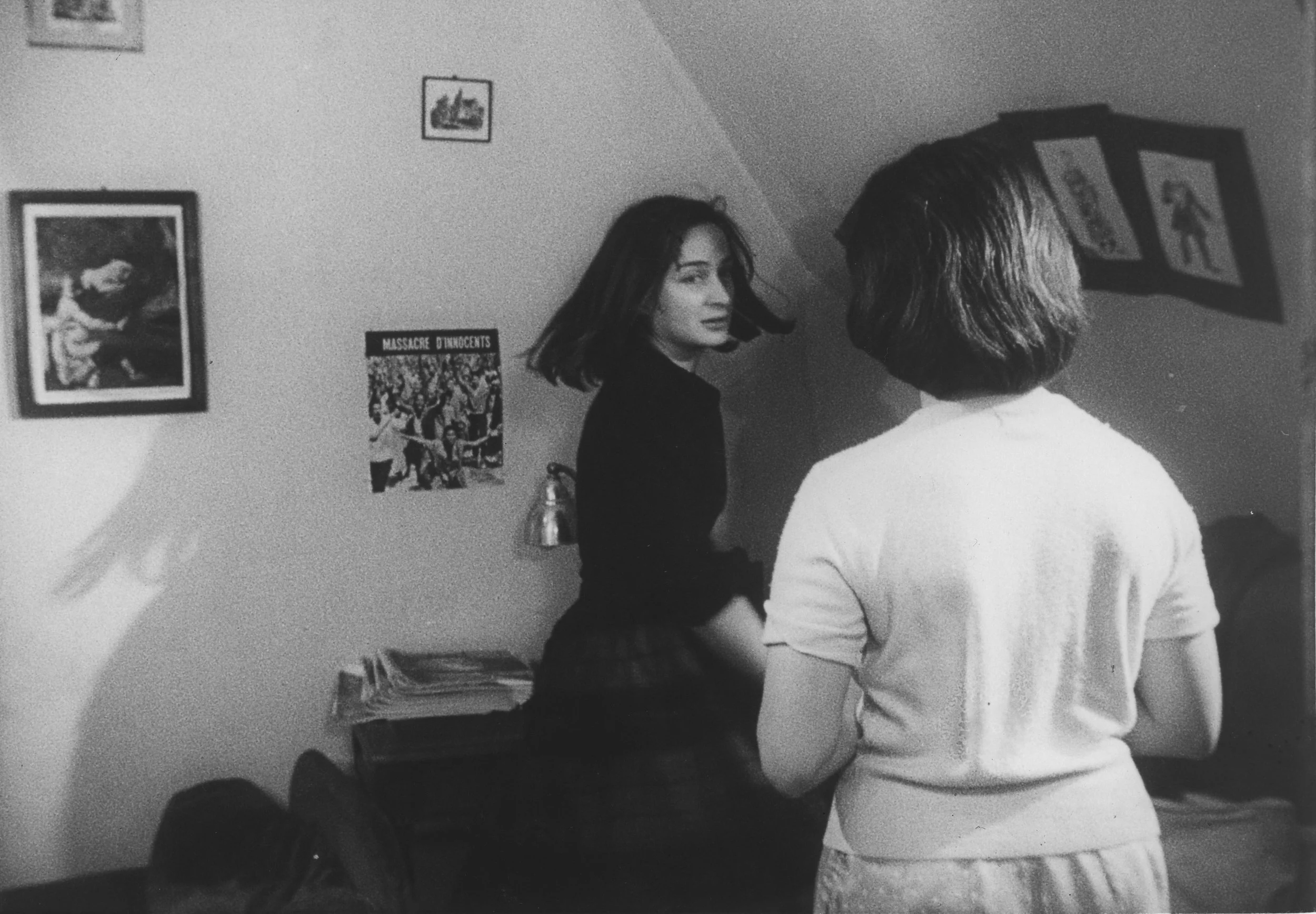
Paris Belongs To Us
TH: Linklater’s Slacker sits intriguingly within the programme. What parallels do you see between the French New Wave’s spirit of rebellion and his own cinematic language?
DC: There’s a shared wandering quality—narratively and philosophically. Slacker was made on a shoestring, with that same “we’ll make it happen somehow” mentality that defined the New Wave.
There’s also a different relationship to time and storytelling. Linklater’s films often drift, allowing conversations and ideas to take precedence over plot. That freedom, that love of language and thought, feels very indebted to the New Wave. Slacker felt like the purest crystallisation of that spirit within his work.
TH: BFI Southbank remains one of the few places where audiences can experience these films as intended. Is the big-screen experience still essential?
DC: One hundred percent. Watching a film in a cinema—with other people, in the dark, fully engulfed by the image—is completely different from watching at home. No matter how good your setup is, it can’t replicate that communal experience.
These films were made to play with the medium, and seeing them properly matters. It’s incredibly heartening to see younger audiences discovering them on the big screen for the first time, and we hope this season encourages that.
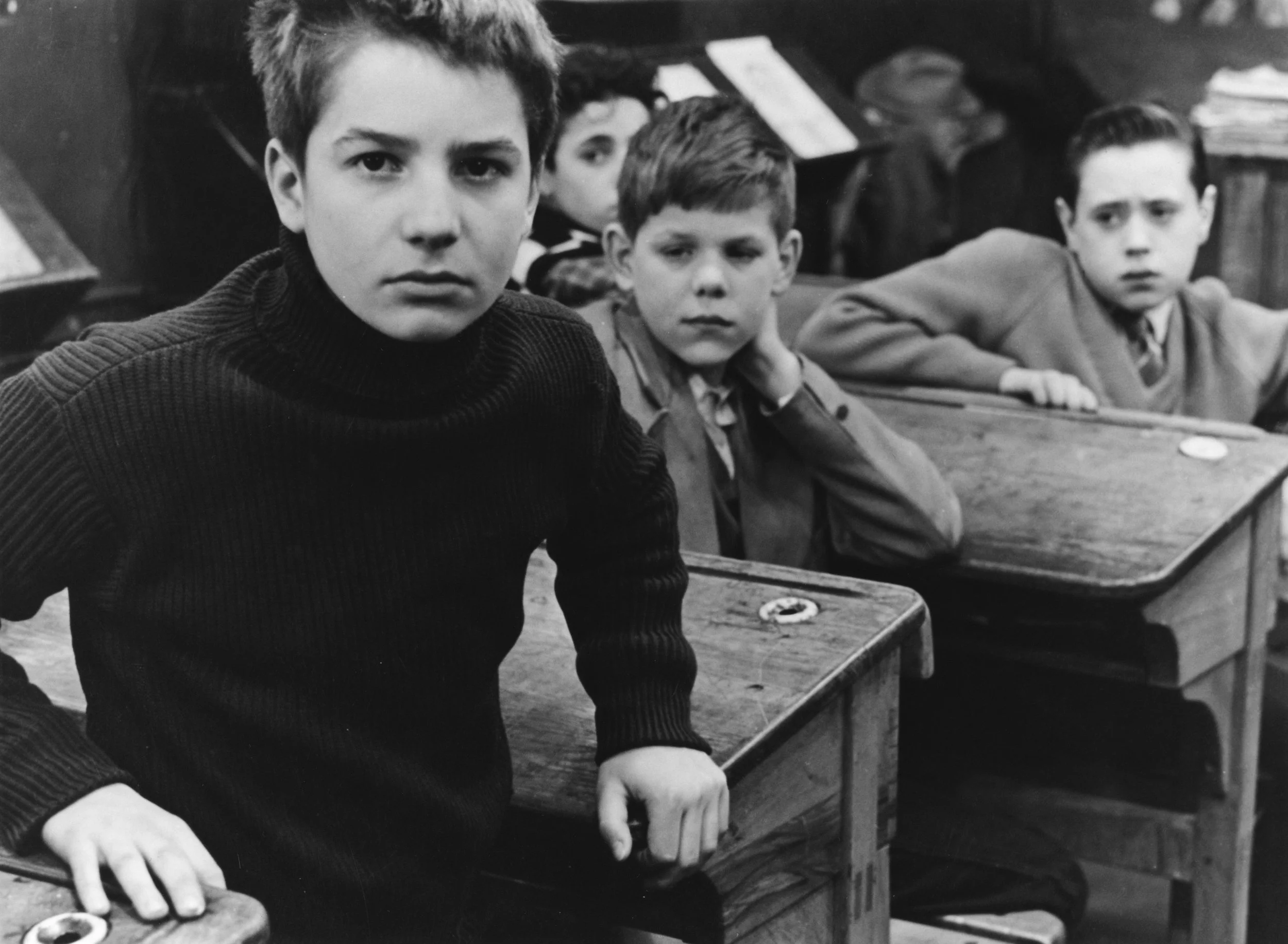
The 400 Blows
TH: Many New Wave filmmakers blurred the lines between criticism, friendship and collaboration. Does that kind of creative ecosystem still exist today?
DC: It does exist, but it’s harder. The current landscape is more risk-averse—driven by algorithms, numbers and safety. The kind of gamble producers took on films like Breathless feels rarer now.
That said, you still see that spirit in smaller hubs and in world cinema, often emerging through festivals. I just hope that risk-taking mentality never disappears entirely. Cinema needs it.
TH: For those attending the season alongside Nouvelle Vague, what do you hope audiences leave with?
DC: I hope they leave inspired—especially younger audiences or film students—with that sense of “they just did it”. They revolutionised the medium, often with very little, and there’s something incredibly powerful about that.
I also hope people feel encouraged to dive deeper into these filmmakers’ work, to explore the breadth of their filmographies, and to carry a bit of that rebellious, inventive spirit with them. That’s the best outcome we could hope for.
Ensemble: The Filmmakers of Richard Linklater’s Nouvelle Vague is at BFI Southbank until 31 January, with preview screenings of Nouvelle Vague starting from Friday 23 January.