
EXCLUSIVE: Sagar Radia breaks the mould
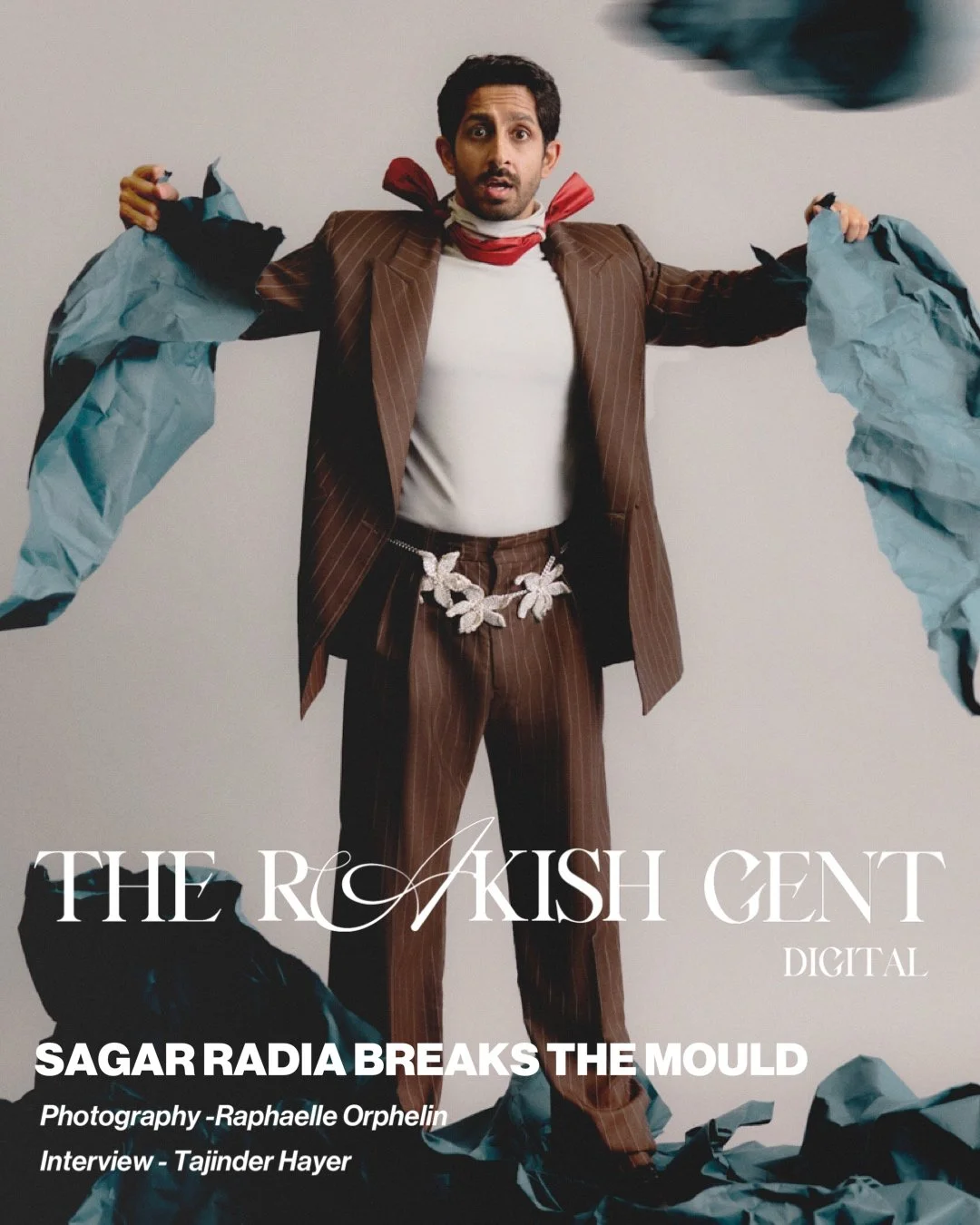
Suit & Belt - David Koma, Top - 8ON8, Shoes - Russell and Bromley
As Industry returns for its most ambitious season yet, the actor behind Rishi Ramdani steps into the emotional fallout.
Words - Tajinder Hayer
Photography - Raphaelle Orphelin
Styling - Ben James Adams
Grooming - Kenny Leung
First Styling Assistant - Sabrina Di Giulio
Second Styling Assistant - Mattia Cilurzo
By the time Industry returns for its fourth season, the rules of the game have shifted. Harper Stern and Yasmin Kara-Hanani are no longer scrapping for relevance on the Pierpoint trading floor; they are players in a far larger, more dangerous arena, drawn into a glossy, globetrotting fintech war where power is fluid, money moves faster than loyalty, and ambition has teeth. The series has always thrived on escalation, but season four feels different. The stakes are higher, the world broader — and the consequences more personal.
For Sagar Radia, whose portrayal of trader Rishi Ramdani has evolved from sharp-tongued comic relief into one of the show’s most psychologically complex performances, the new season begins not with swagger, but with rupture.
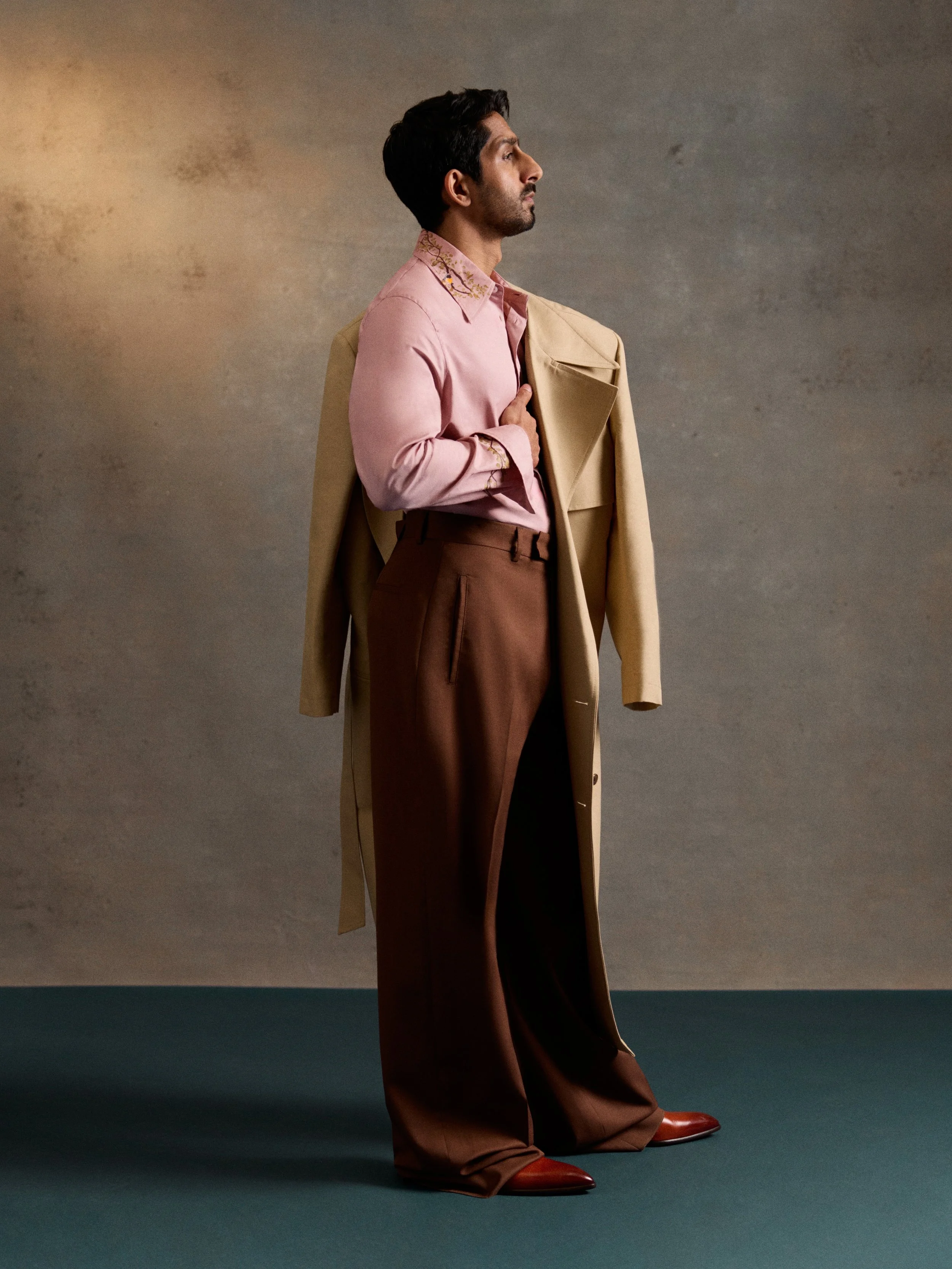
Full look - Amiri, Shoes - Christian Louboutin
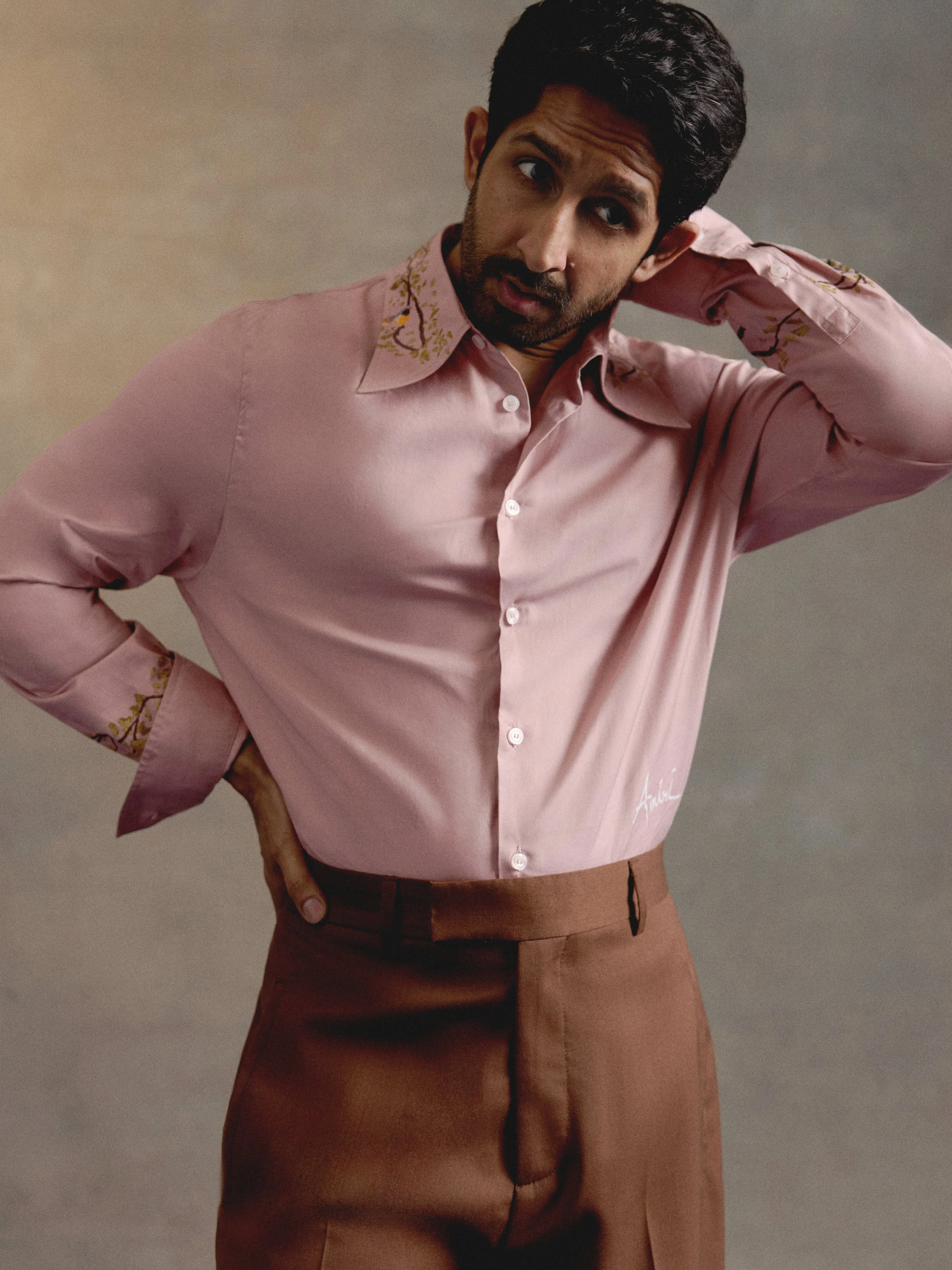
Full look - Amiri
“We find him still suffering with a large amount of guilt, deep shock, and potentially denial,” Radia says. “The emotional fallout is something we explore as we go through the episodes. That being said, Rishi’s a grifter, a survivor. He’ll do what it takes to keep his head above water and keep moving forward.”
Survival has always been Rishi’s defining trait. From season one through three, he embodied what Radia describes as “survivor energy” — fast-talking, cocky, seemingly bulletproof. He was the trader who could out-banter, out-perform, and outlast. But season three stripped that armour away. Debt, professional collapse, and the death of his wife exposed the cost of that momentum, leaving a man haunted by the consequences of his own velocity.
“What happened to him was a full psychological unravelling disguised as a finance story,” Radia says. “The confidence that once defined him felt like a mask he couldn’t wear anymore.”
“The confidence that once defined him felt like a mask he couldn’t wear anymore.”
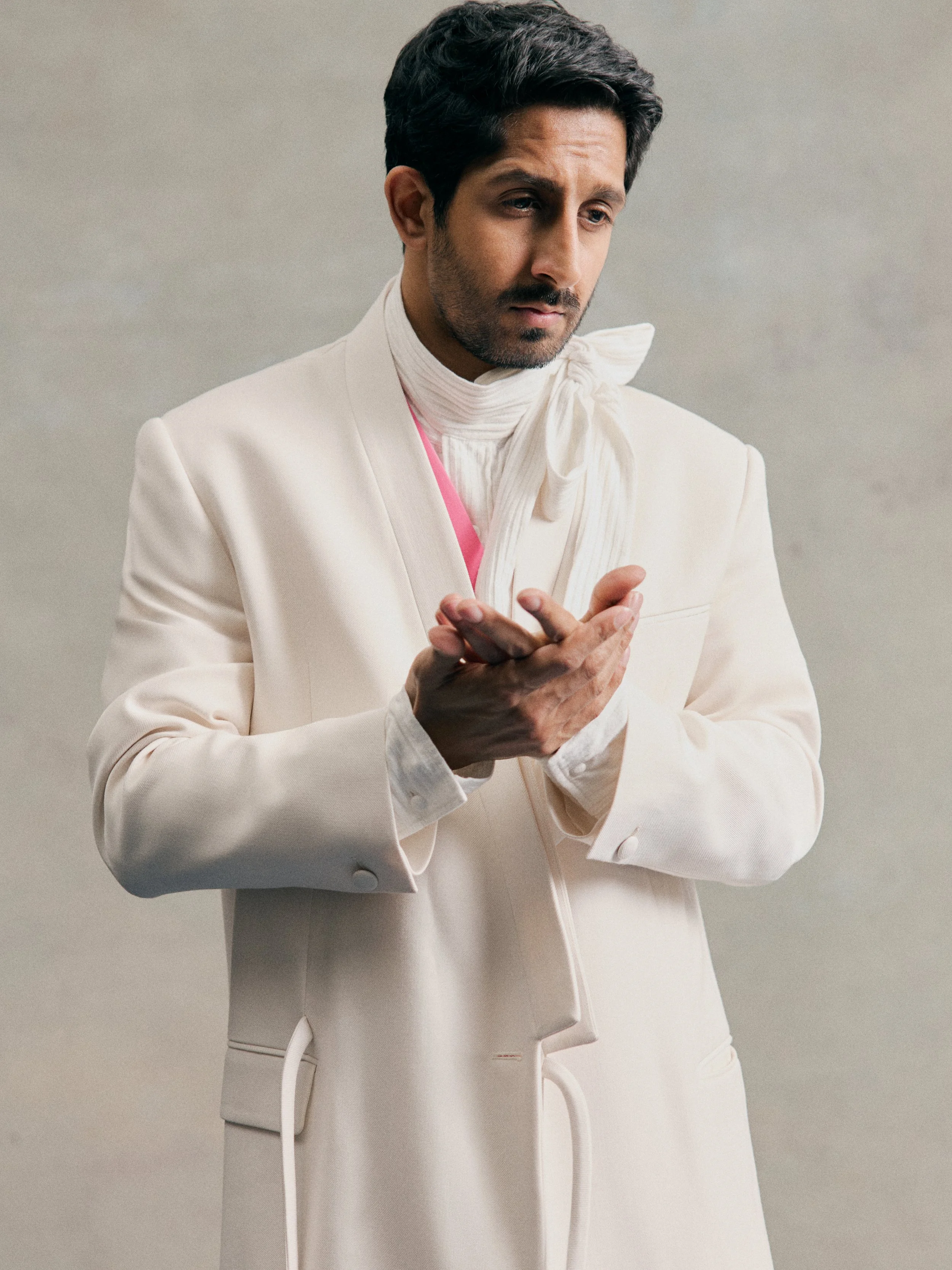
Full look - Kenzo
That unraveling reached its apex in White Mischief, the critically acclaimed bottleneck episode that placed Rishi alone at the centre of the show’s pressure cooker. It was a turning point not just for the character, but for Radia himself. What had once been played for rhythm and speed became something slower, heavier, more human.
“Emotionally demanding,” he says simply. “It was great for me as an actor. I was playing someone initially seen as comic relief, which then evolved into something far more painful. We got to shift the tone into something more real rather than sensational.”
This evolution mirrors Industry’s broader maturation. Written by former bankers Mickey Down and Konrad Kay, the series has always carried an authenticity that separates it from glossy finance dramas of the past. It understands the world it’s depicting — not just the mechanics of money, but the psychology of ambition, class, and power.
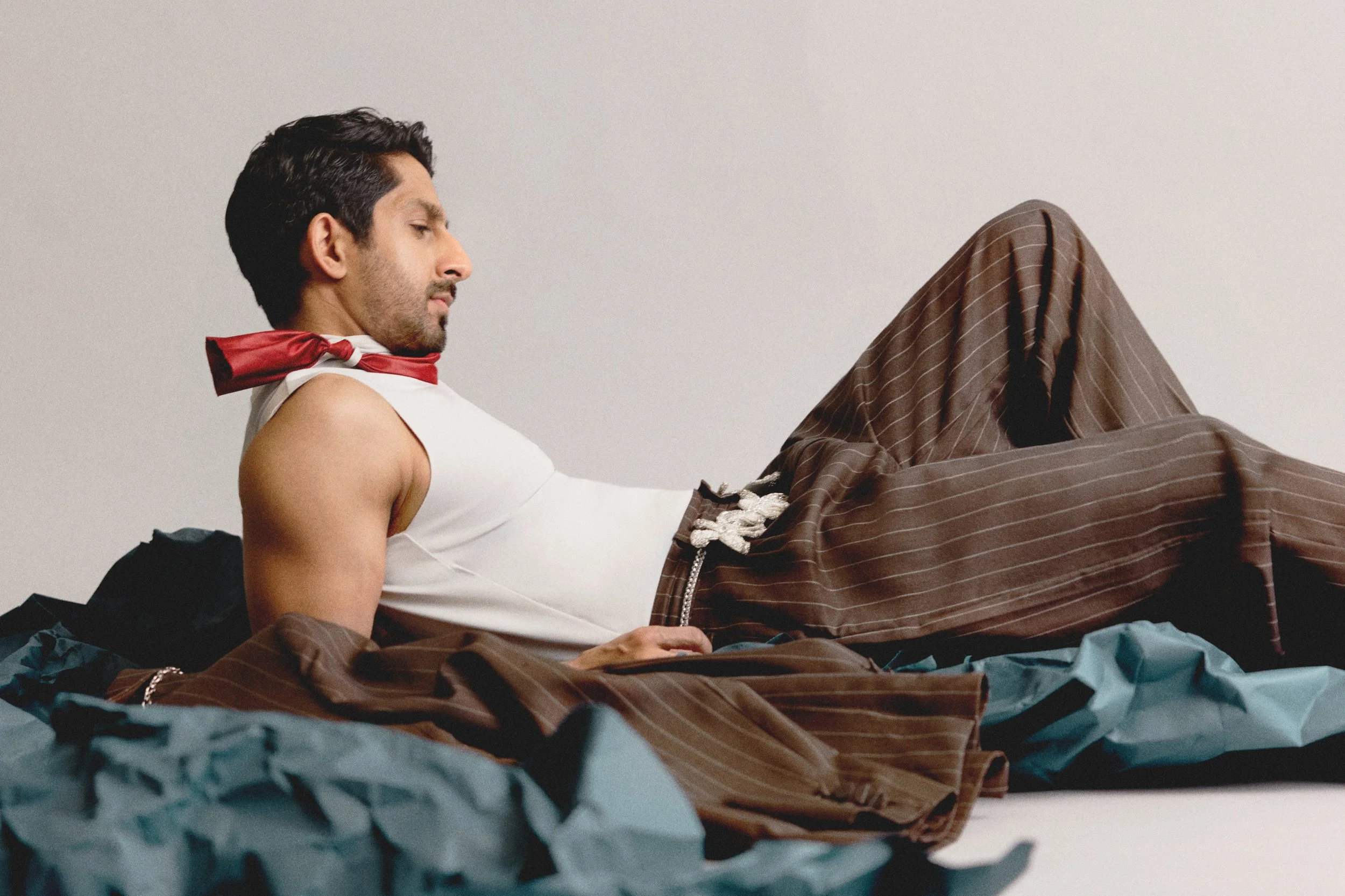
Suit & Belt - David Koma, Top - 8ON8
“When you first enter the world of Industry, there’s an authentic feel to it,” Radia says. “By putting a microscope on that world, it exposes universal truths we can all relate to — ambition, class, the desire to be on top. The dialogue is sharp, edgy, hypermodern. The complexity of the characters keeps people guessing.”
“By putting a microscope on that world, it exposes universal truths we can all relate to — ambition, class, the desire to be on top.”
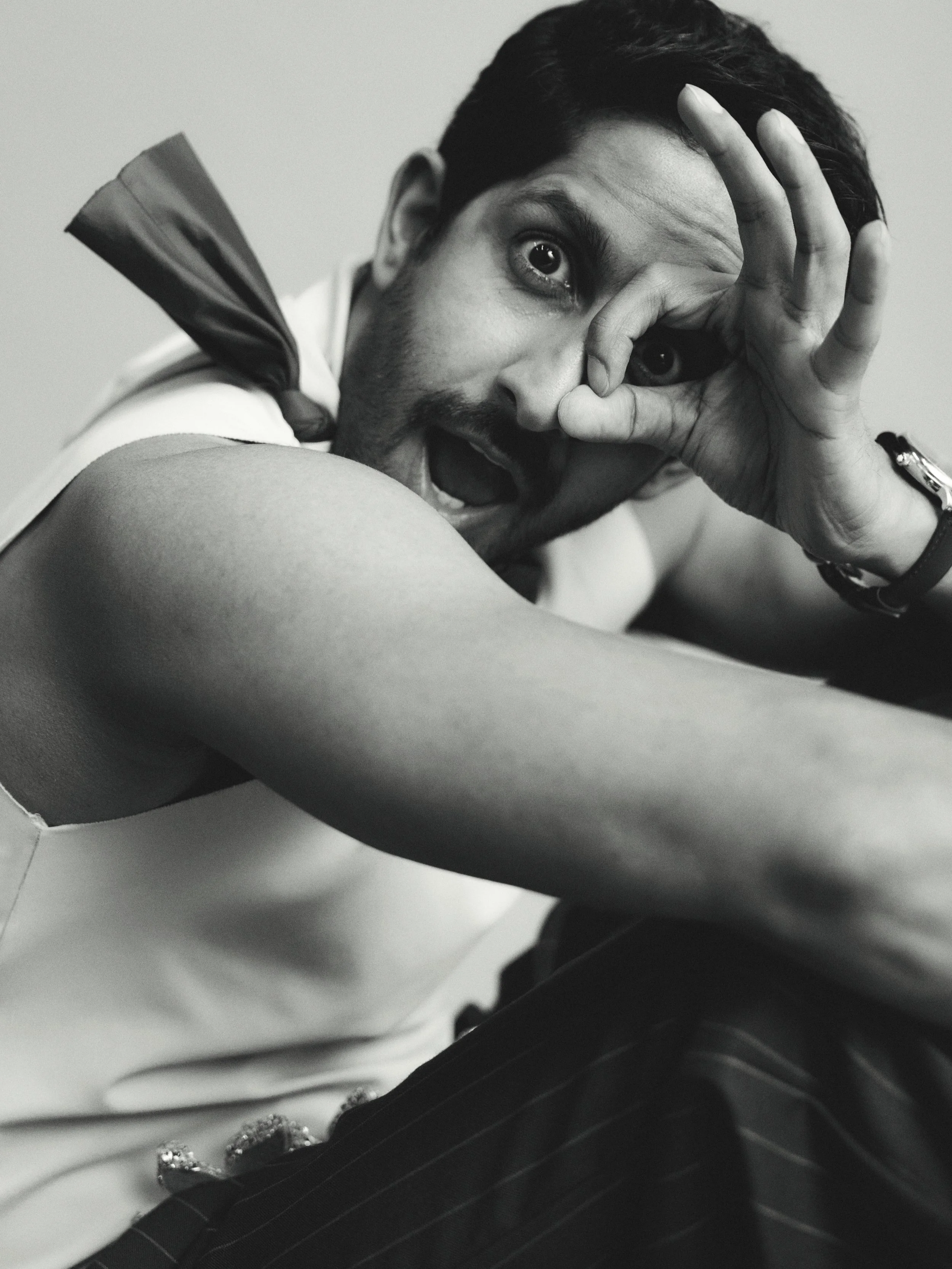
Suit & Belt - David Koma, Top - 8ON8, Watch - Montblanc
Season four expands that world outward. Harper (Myha’la) and Yasmin (Marisa Abela), now ostensibly living the lives they set out to have as Pierpoint graduates, are drawn into a high-stakes cat-and-mouse game when a splashy fintech darling bursts onto the London scene. Yasmin navigates a volatile relationship with tech founder Sir Henry Muck (Kit Harington), while Harper finds herself pulled into the orbit of enigmatic executive Whitney Halberstram (Max Minghella). Their twisted friendship — always combustible — begins to warp further under the pressure of money, power, and proximity to real influence.
Against that glossy, global backdrop, Rishi’s story feels almost claustrophobic by comparison. He is no longer defined by proximity to power, but by what happens when control disappears.
“I always played Rishi as someone who was taught masculinity meant control,” Radia explains. “Control of money, control of emotions, control of perception. Now that control’s been taken away, you see what happens when that belief collapses.”
It’s here that Industry becomes quietly incisive in its portrayal of modern masculinity. Rishi is, by Radia’s own assessment, the show’s most overtly hyper-masculine character — loud, dominant, performative. Yet season four positions him in the uncomfortable space between old ideas of masculinity and new emotional realities.
“Vulnerability is seen as weakness in his world,” Radia says. “Masculinity is being redefined right now, and Rishi hasn’t quite caught up. He’s caught between those two ideas, and that gap is painful to watch.”
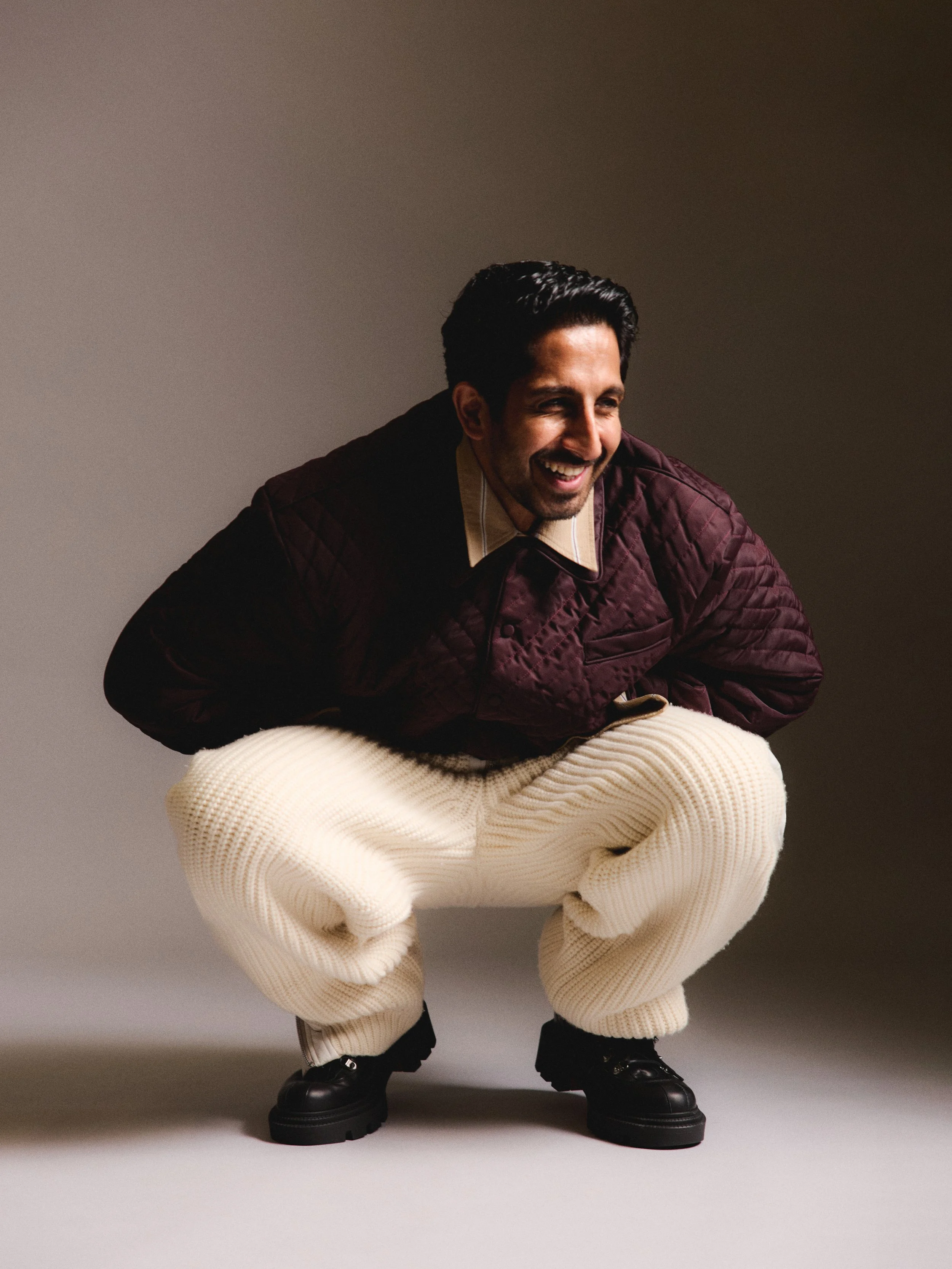
Full Look - Denzil Patrick, Boots - Christian Louboutin
“Rarely is a South Asian man shown in a position of strength, or as the object of desire. What Industry did was take a familiar character type and place him in a body we haven’t seen before. He behaves like many men in that world do — he just happens to be South Asian.”
One of Industry’s quiet achievements has been its approach to representation — present, precise, and unforced. Rishi is not written as a “South Asian character” in any traditional sense; his ethnicity is incidental, not explanatory. That distinction matters deeply to Radia.
“People like him — like me — just don’t exist on TV or film very often,” he says. “Rarely is a South Asian man shown in a position of strength, or as the object of desire. What Industry did was take a familiar character type and place him in a body we haven’t seen before. He behaves like many men in that world do — he just happens to be South Asian.”
It’s a philosophy Radia carries beyond the show. While representation has undeniably shifted in recent years, he’s clear that visibility alone isn’t enough.
“Visibility isn’t the finish line,” he says. “The real shift has to happen behind the scenes — who’s writing the stories, who’s making decisions, who’s allowed to be messy and morally complicated on screen. We’ve moved beyond tokenism, but we haven’t reached equality.”
“Visibility isn’t the finish line”
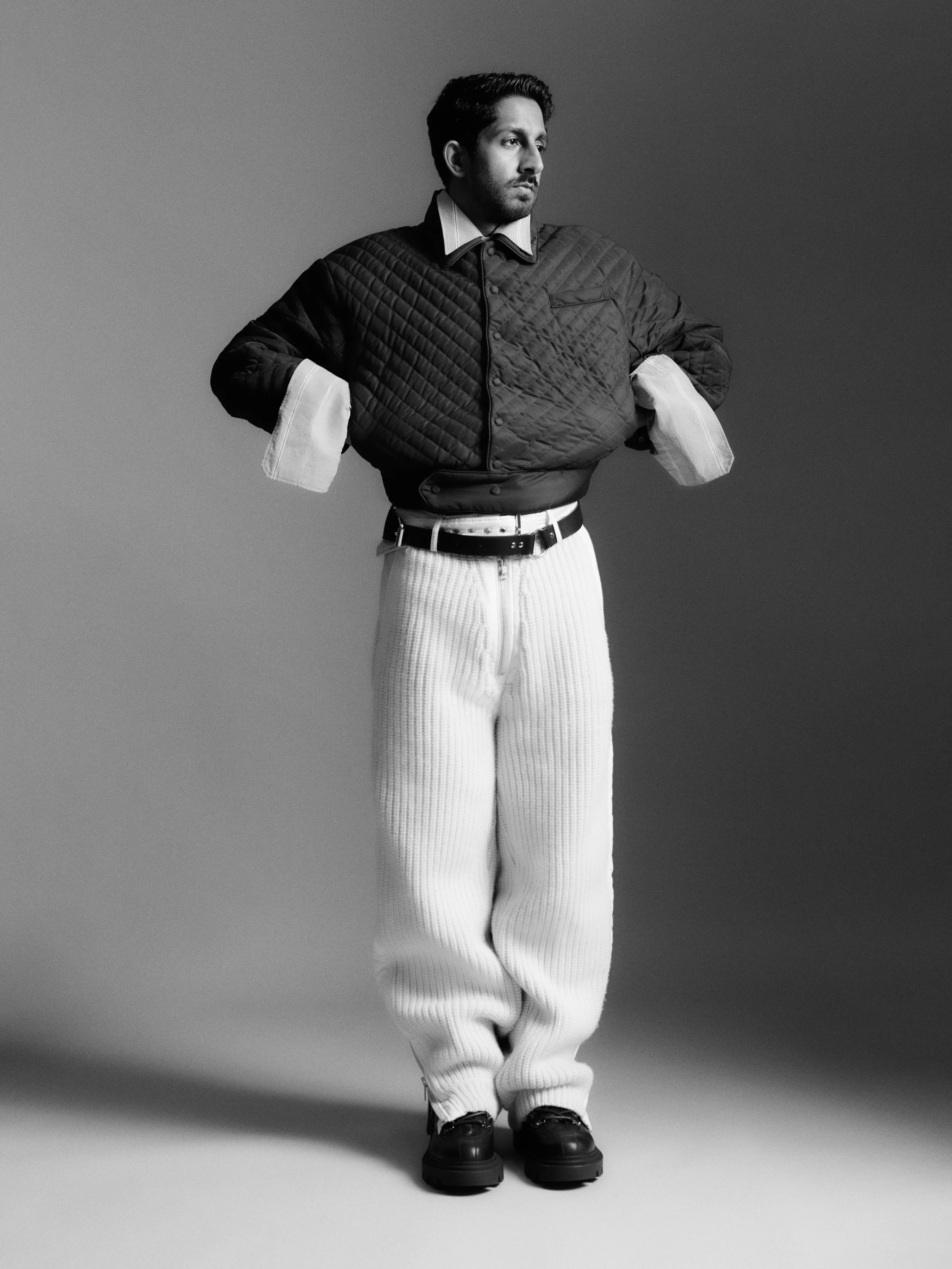
Full Look - Denzil Patrick, Boots - Christian Louboutin
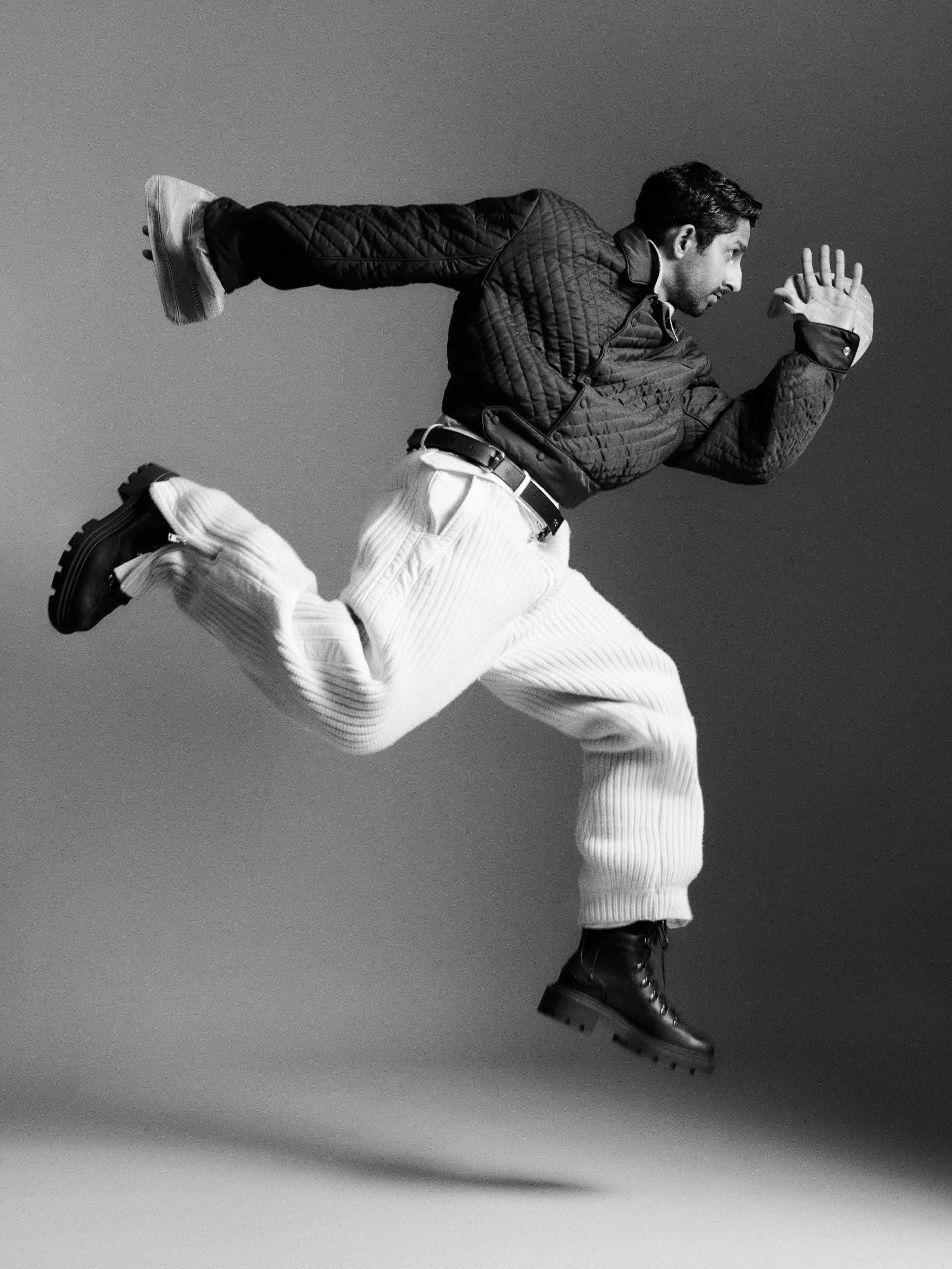
Full Look - Denzil Patrick, Boots - Christian Louboutin
Radia’s own career reflects a deliberate resistance to easy categorisation. Acting since the age of 17, he has worked fluidly across television, film and theatre, from Britz opposite Riz Ahmed to three seasons of The Good Karma Hospital, which earned him the Eastern Eye Best Actor Award. On stage, he starred opposite Jesse Eisenberg in The Spoils in the West End. More recently, he’s led BBC Alba’s first Gaelic crime thriller An t-Eilean, playing DCI Ahmed Halim — a role far removed from the financial chaos of Pierpoint.
“I’ve never played a straight line,” he says. “I follow curiosity rather than control. I’m drawn to characters who look impressive on the surface and then unravel when you look closer. Charm is easy. Messy characters are hard. The work has to scare me a little.”
That instinct-first approach extends to his process. Radia didn’t attend drama school, instead trusting observation and intuition — habits formed by proximity rather than preparation. Friends and family in finance gave him behavioural touchstones; films like Margin Call and The Big Short provided tonal reference points. Jeremy Strong’s character in the latter, in particular, helped shape early ideas about Rishi’s energy.
“I’m drawn to characters who look impressive on the surface and then unravel when you look closer.”
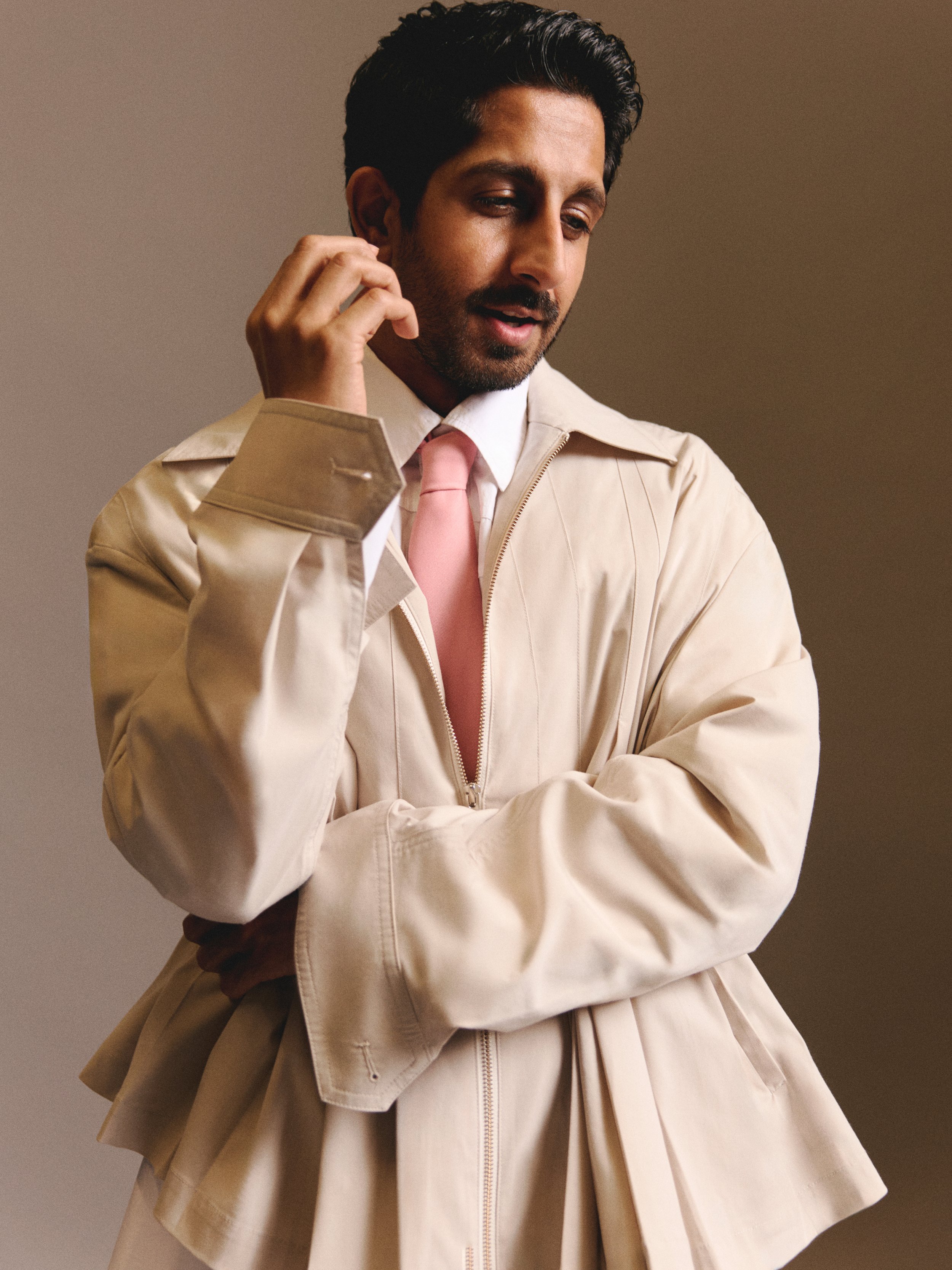
Full Look - Feng Chen Wang
“A lot of it isn’t conscious,” he admits. “You’re watching, absorbing, and suddenly you realise you’ve played something a certain way.”
The collaborative nature of Industry has allowed that instinct to flourish. Down and Kay, now also directing, have remained open to dialogue — particularly where cultural specificity is concerned — while still preserving the element of surprise Radia values.
“I like learning about Rishi at the same pace as the audience,” he says. “They listen to response. Rishi could’ve stayed a side character, but they opened that door and explored what was behind it.”
As season four unfolds, that door leads somewhere quieter, darker, and more uncertain. Rishi is no longer defined solely by his job — a dangerous loss of identity in a world where worth is measured in numbers and performance.
“He’s dealing with grief, survival, being a widower, a father,” Radia says. “Someone who no longer works in the world that defined him. I just hope audiences watch with compassion. Some people feel sorry for him, some blame him. I want people to watch with an open mind and see where the story goes.”
Follow Sagar Radia on Instagram.
The new season of Industry starts on BBC One on 12 January 2025.