
Dispatches from Elsewhere - Japan
Words & Photography - Will Thompson
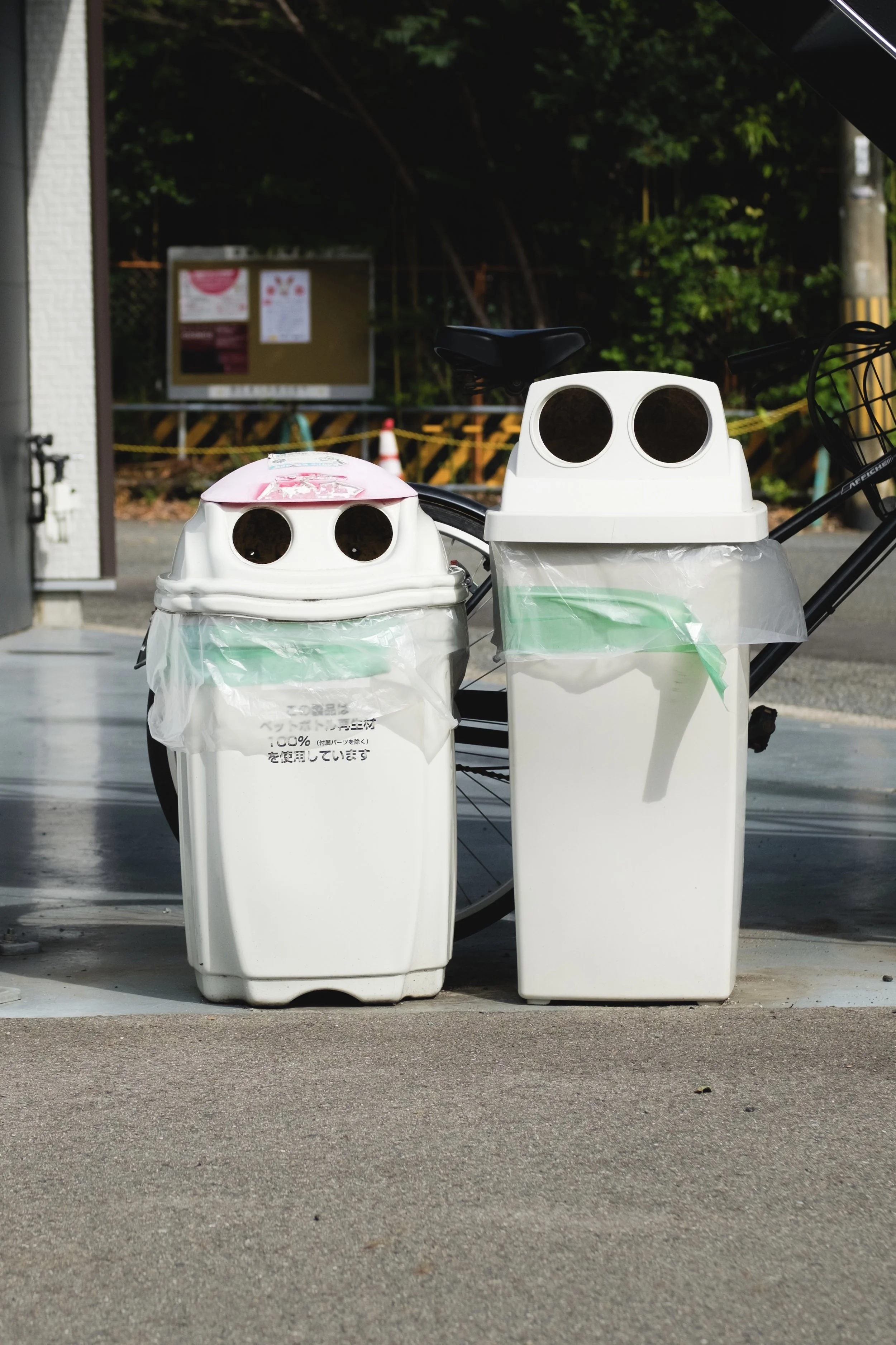
Japan seems to top everyone’s travel wish list - and for good reason. It’s an astonishing country, filled with the friendliest people, the tastiest food, the most cutting-edge of technology. It’s like stepping into the future, a future where trains run on time and nobody litters.
Despite reports of over tourism, it’s still possible to have a trip that feels authentic. The most popular tourist route (referred to often as The Golden Route) varies from source to source, but typically encompasses Tokyo, Osaka, Kyoto & Hiroshima. It’s an easy, well-trodden route through some of Japan’s most iconic cities. It’s the route I’d recommend for your first trip, and the route I took myself.
TOKYO
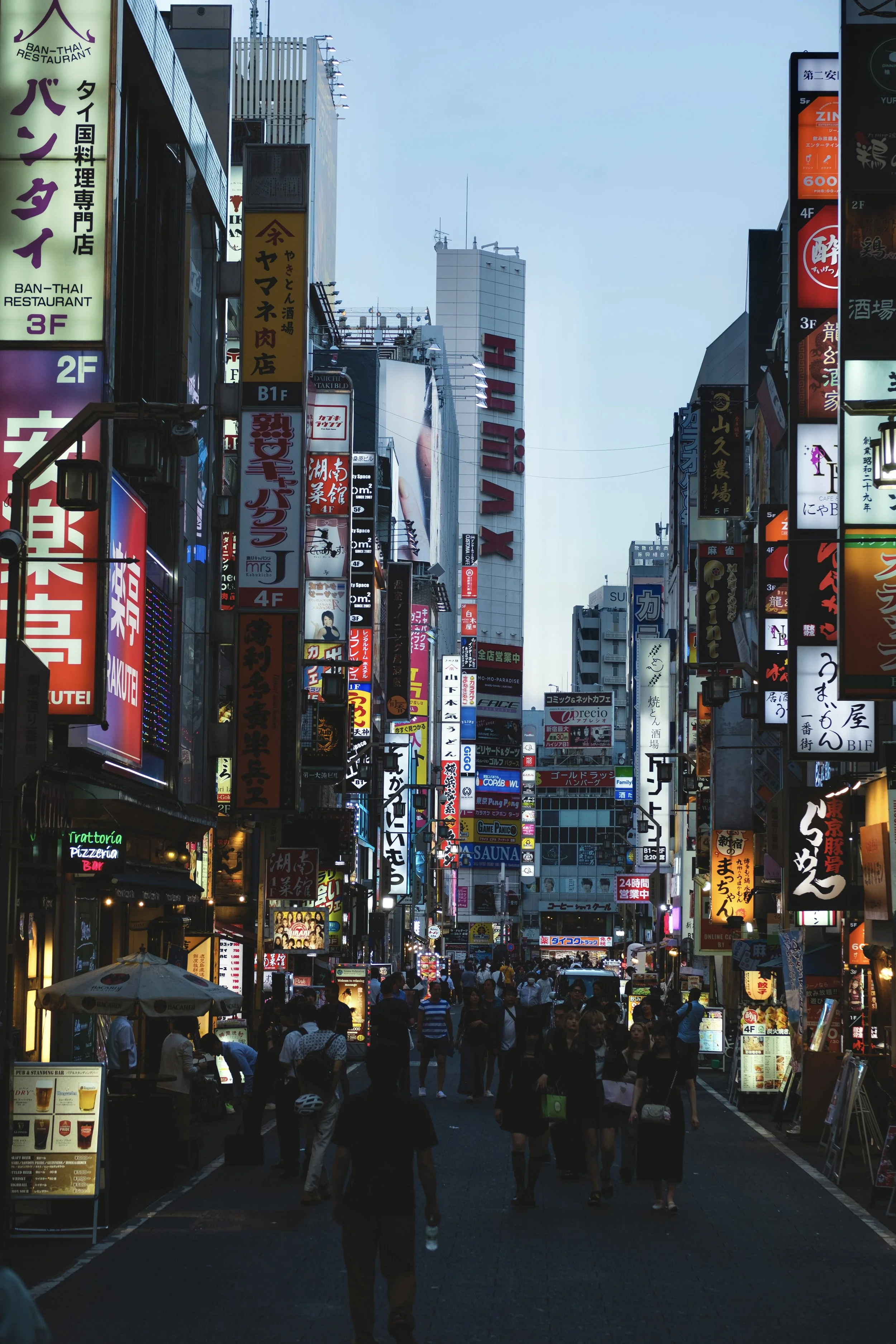
I landed, bleary eyed, into Haneda airport at around 6am. From here, it was a short trip into the centre of the city. I opted to stay in Akasaka, a vibrant district famous for its restaurants and bars, away from the touristic bustle of areas such as Shinjuku or Shibuya. I checked in to Henn Na Hotel, which was quiet, affordable, comfortable and clean. The hotel receptionist was also a robot, and whilst I’m not sure this was strictly necessary, it felt incredibly Japanese.
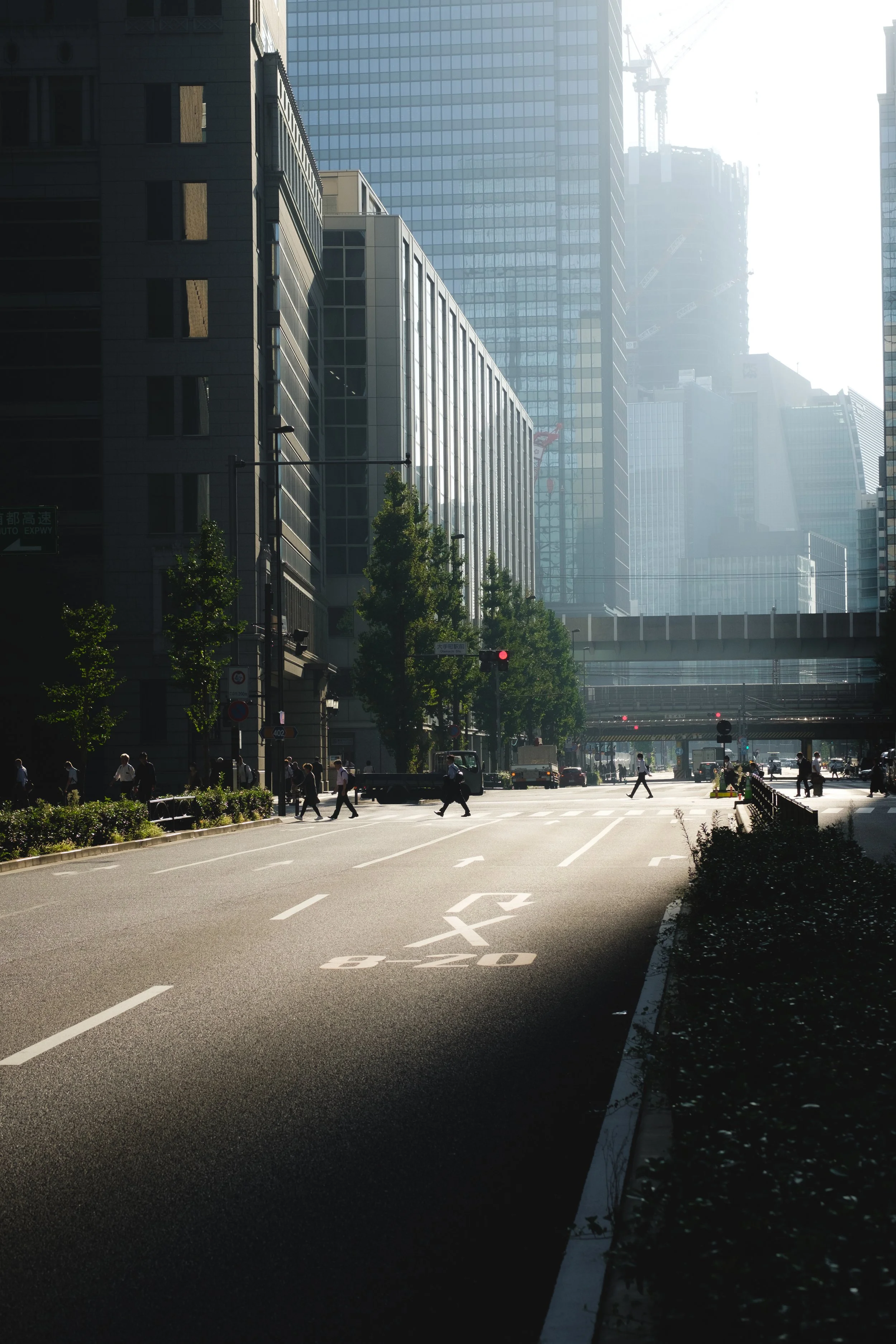
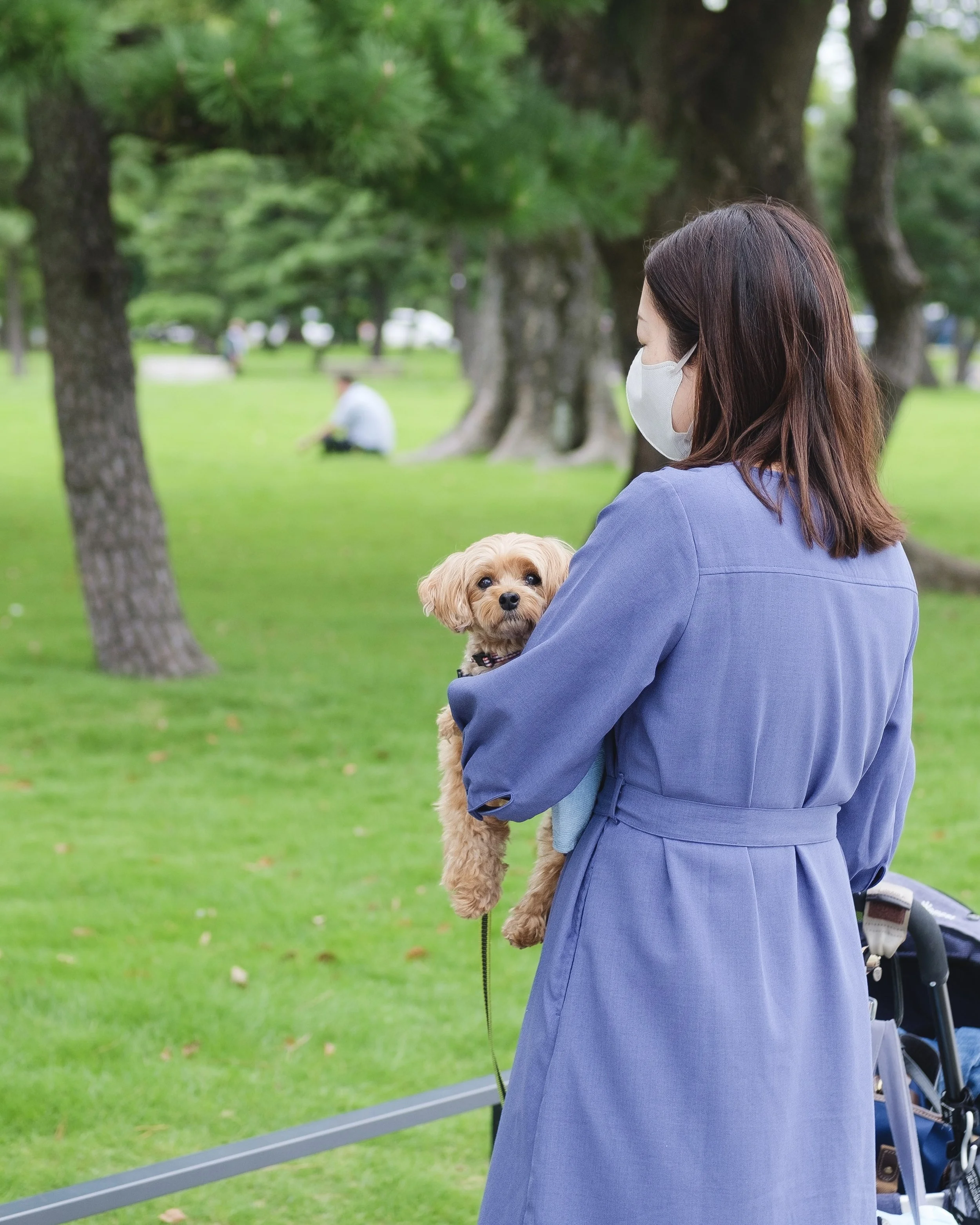
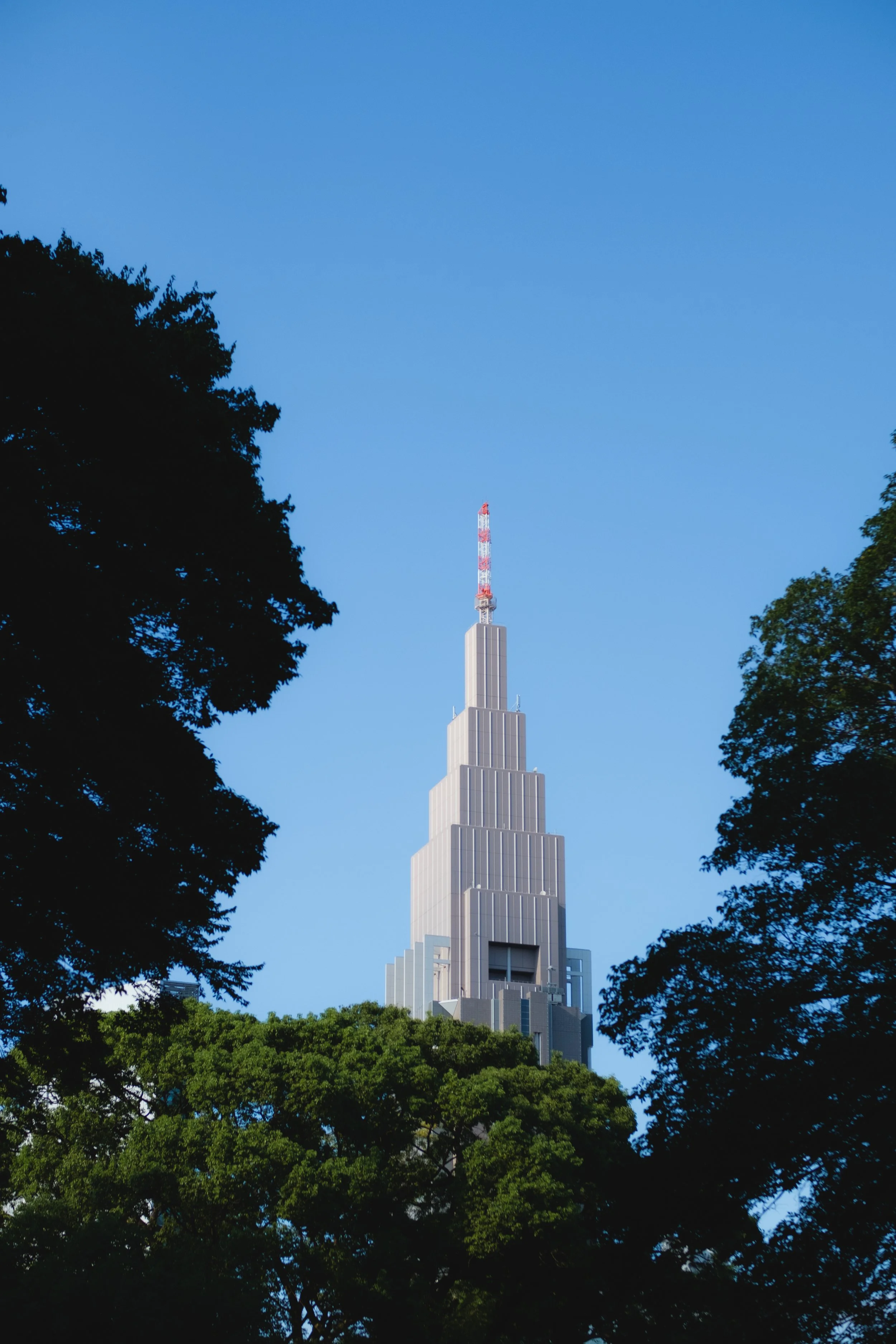
For me, it’s the perfect location - served conveniently by several metro stations - and if you’re an avid walker like me, major sights such as the Imperial Palace, Meiji Jingu Shrine and Shibuya Crossing all under an hour away. On that, I’d definitely recommend walking if possible; the charm of Tokyo is so often found on the side streets or parks connecting the major areas.
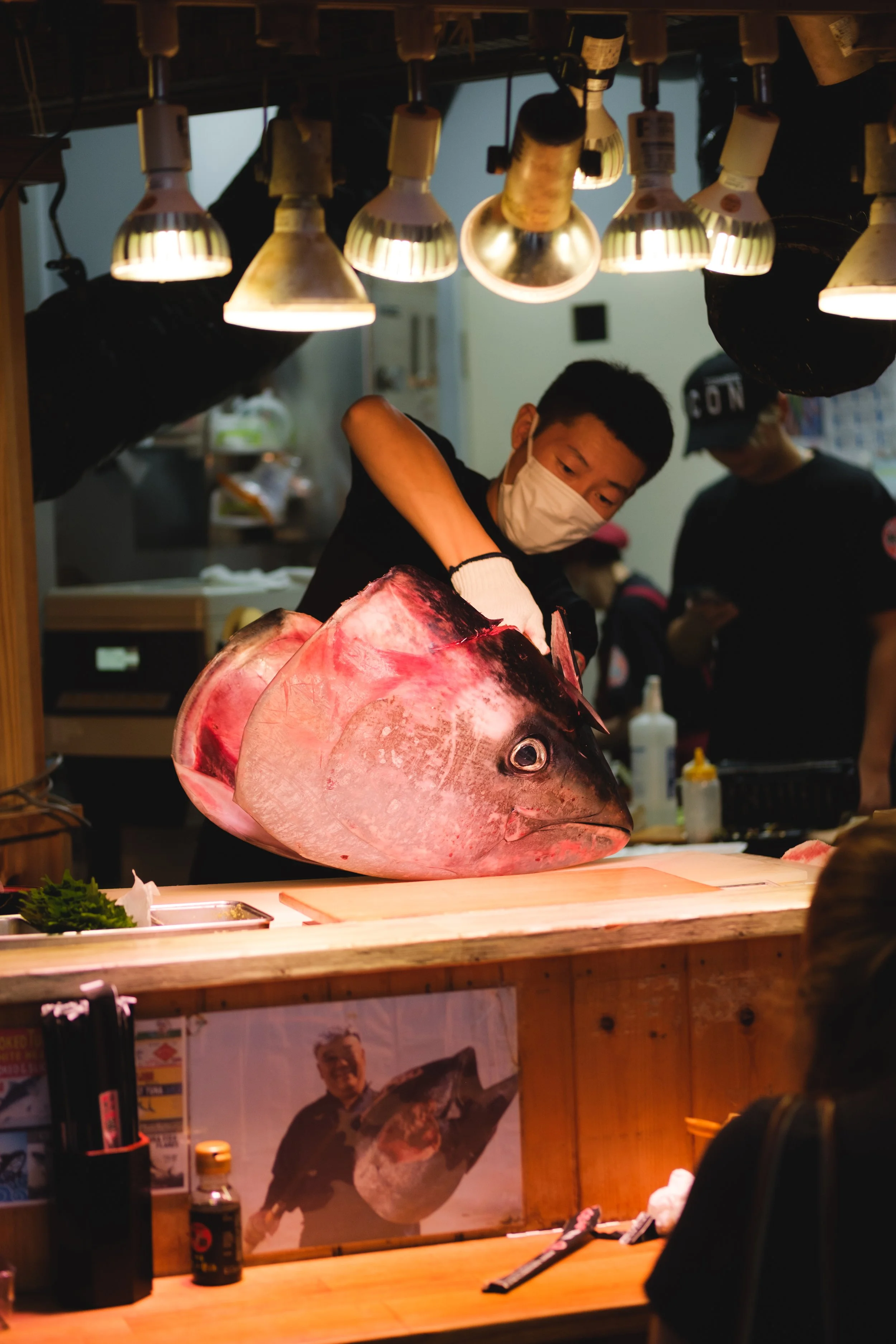
Moreover, you’ll need the steps to work up an appetite. Tokyo has food for every price point. If you’re feeling profligate, head to Sushi Shin by Miyakawa, located on the 38th floor of the Mandarin Oriental. The sushi is exceptional, prepared for you table-side by a master chef (ours had trained for 35 years). Get there early enough to enjoy the changing view, from sunset through to twilight.
If, perhaps, you’d prefer something a little more prudent, head to Tatsunoya Shinjuku Otakibashidori, one of the most well-regarded ramen places in the whole of Tokyo. Once you’ve managed to master the confusing queuing system (they don’t take reservations), you’ll be served the most delicious, steaming bowl, full to the brim with soup, noodles and meat, for a little over £5.
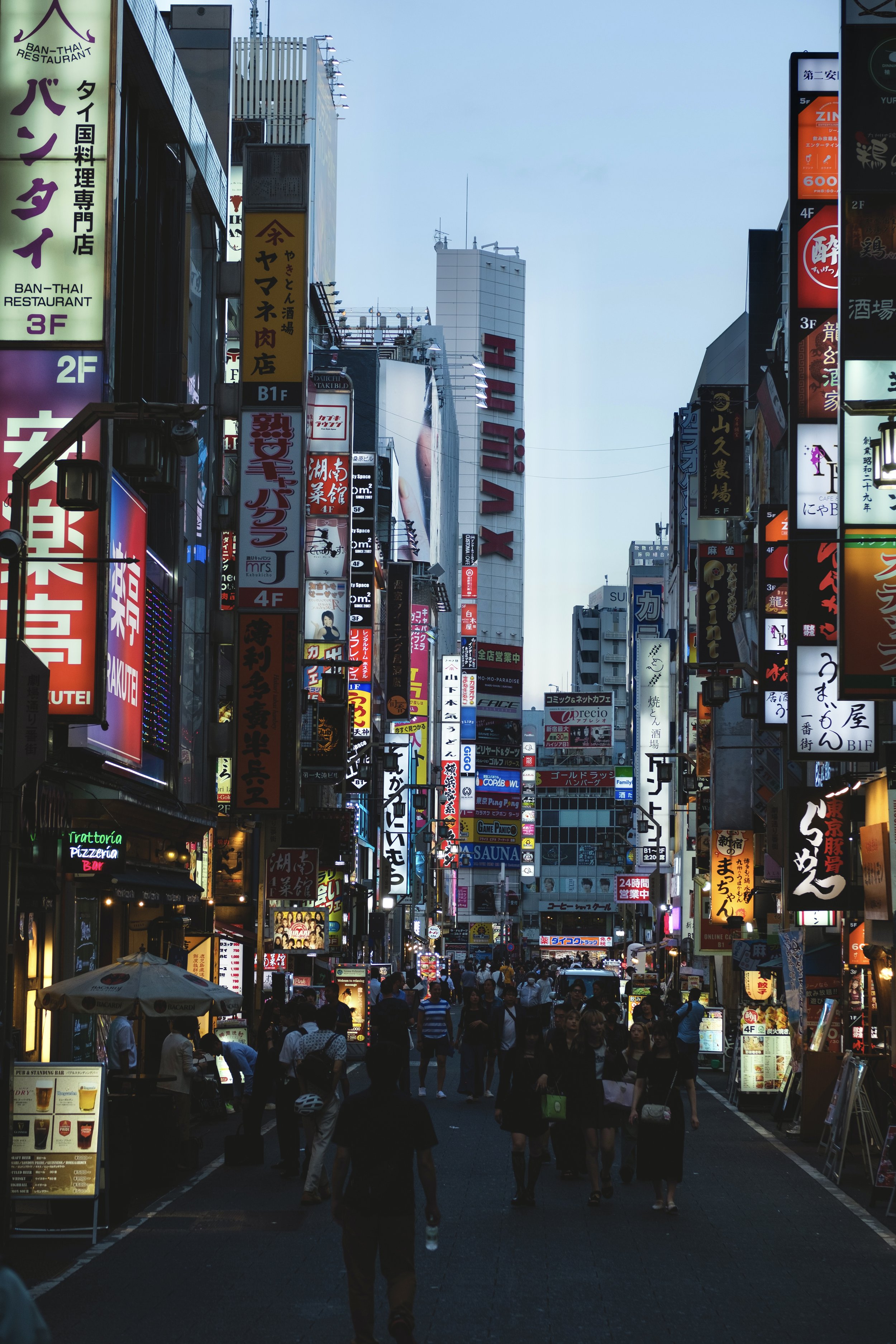
Afterwards, enjoy a night out in the Golden-Gai district - chocked full of tiny bars and pubs - some so small they can only hold four guests. No recommendations here, I’m afraid, as that would be spoiling the fun. Ensure to take your time wandering up and down the streets before you find a bar that best suits your vibe, and jump straight in.
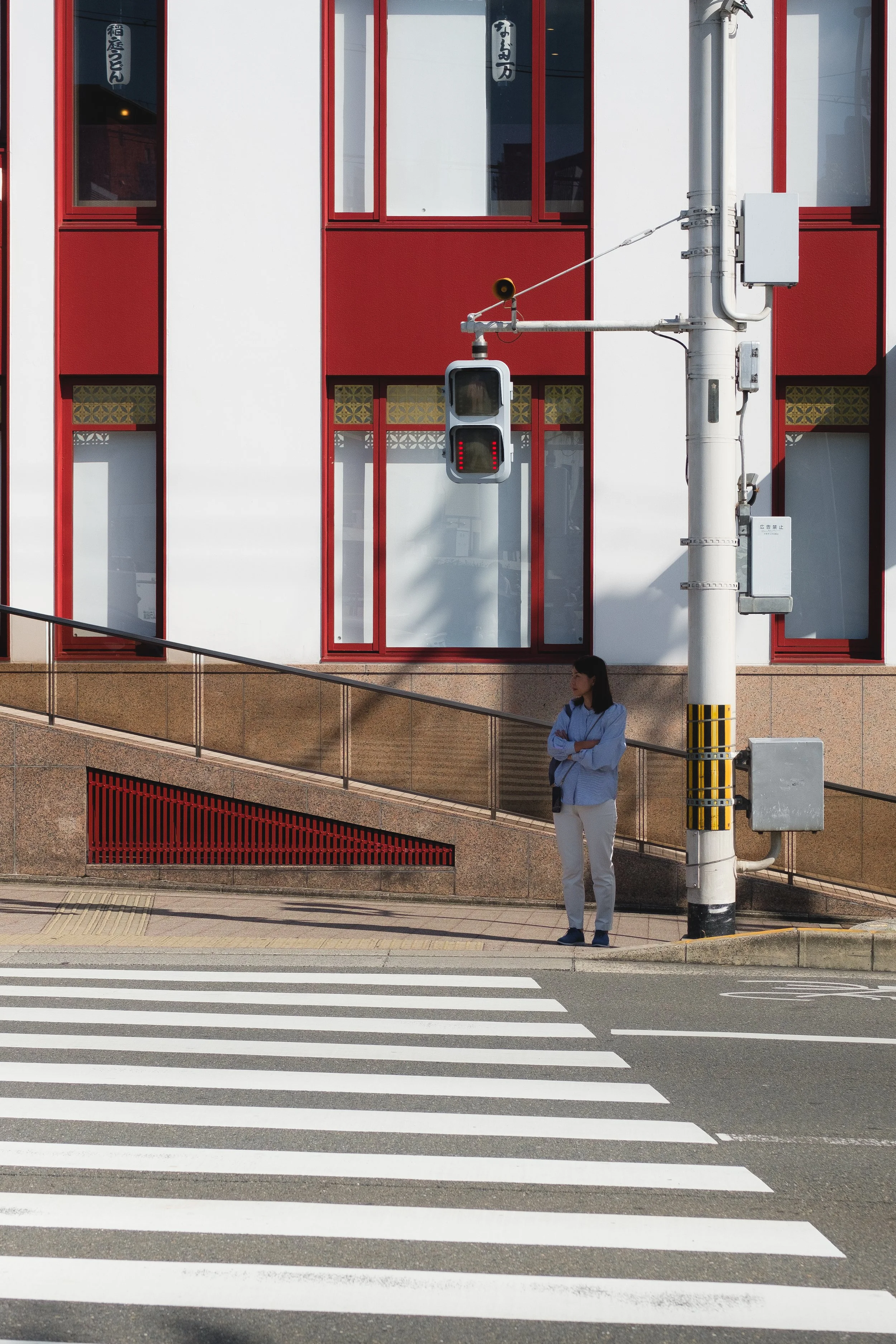
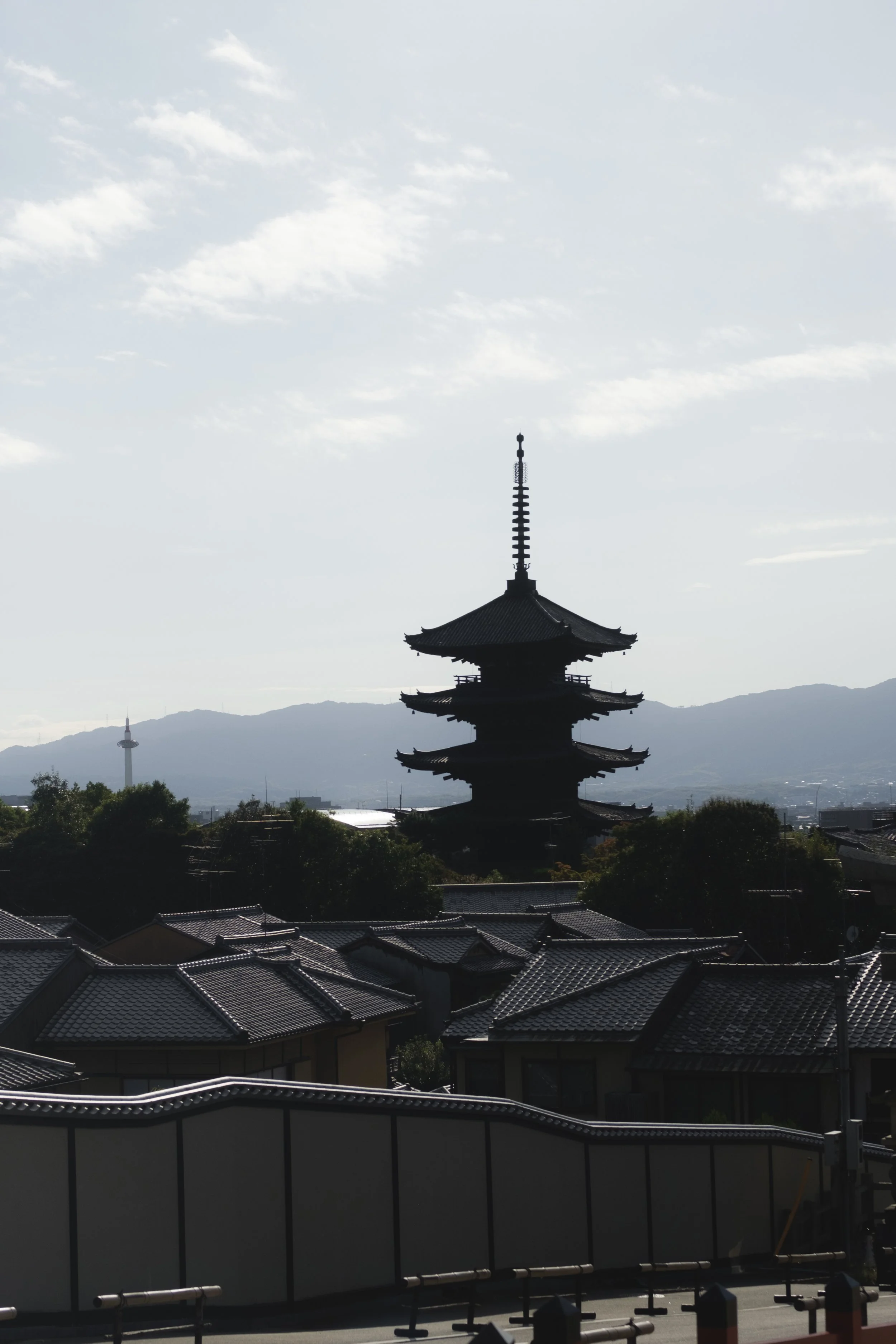
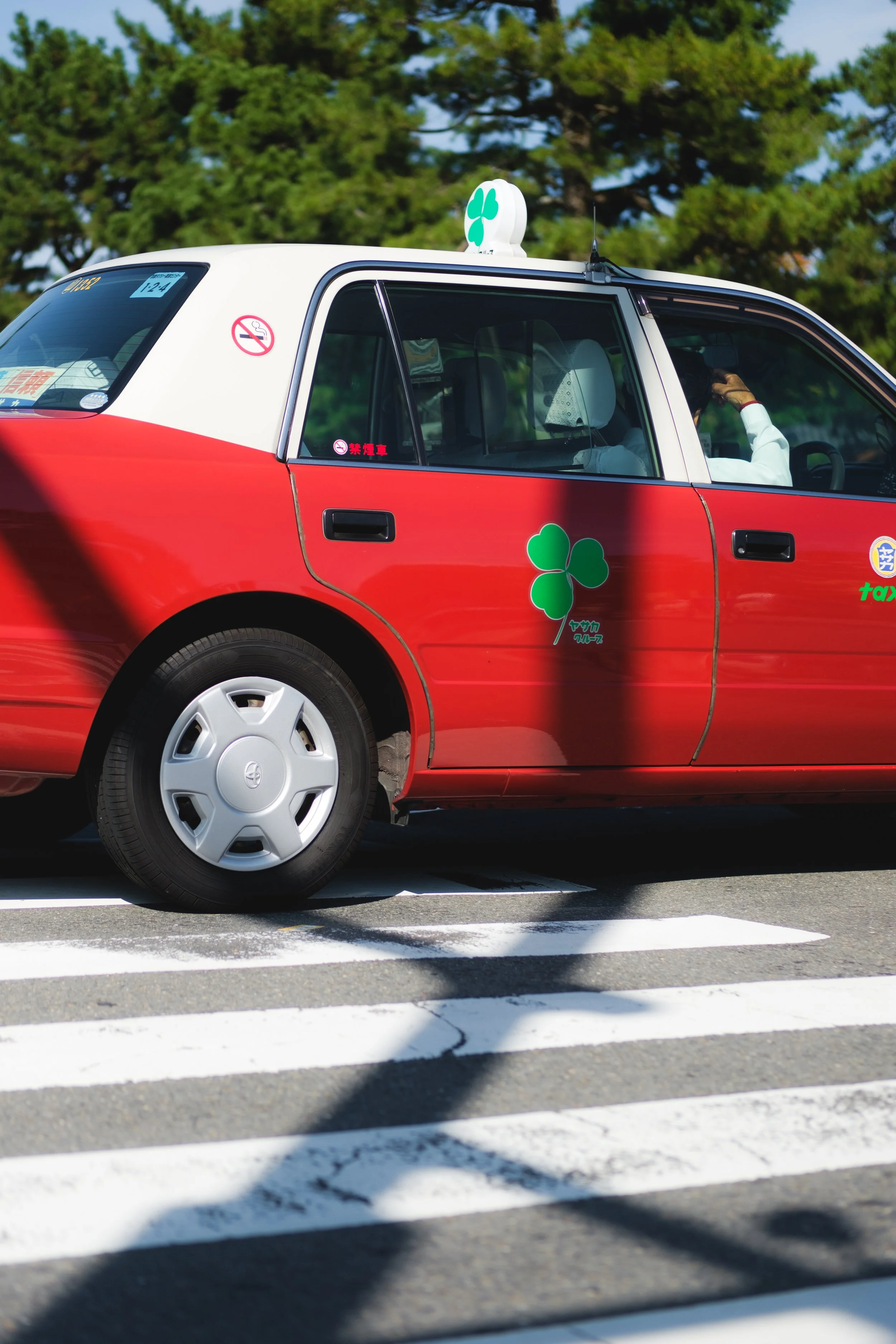
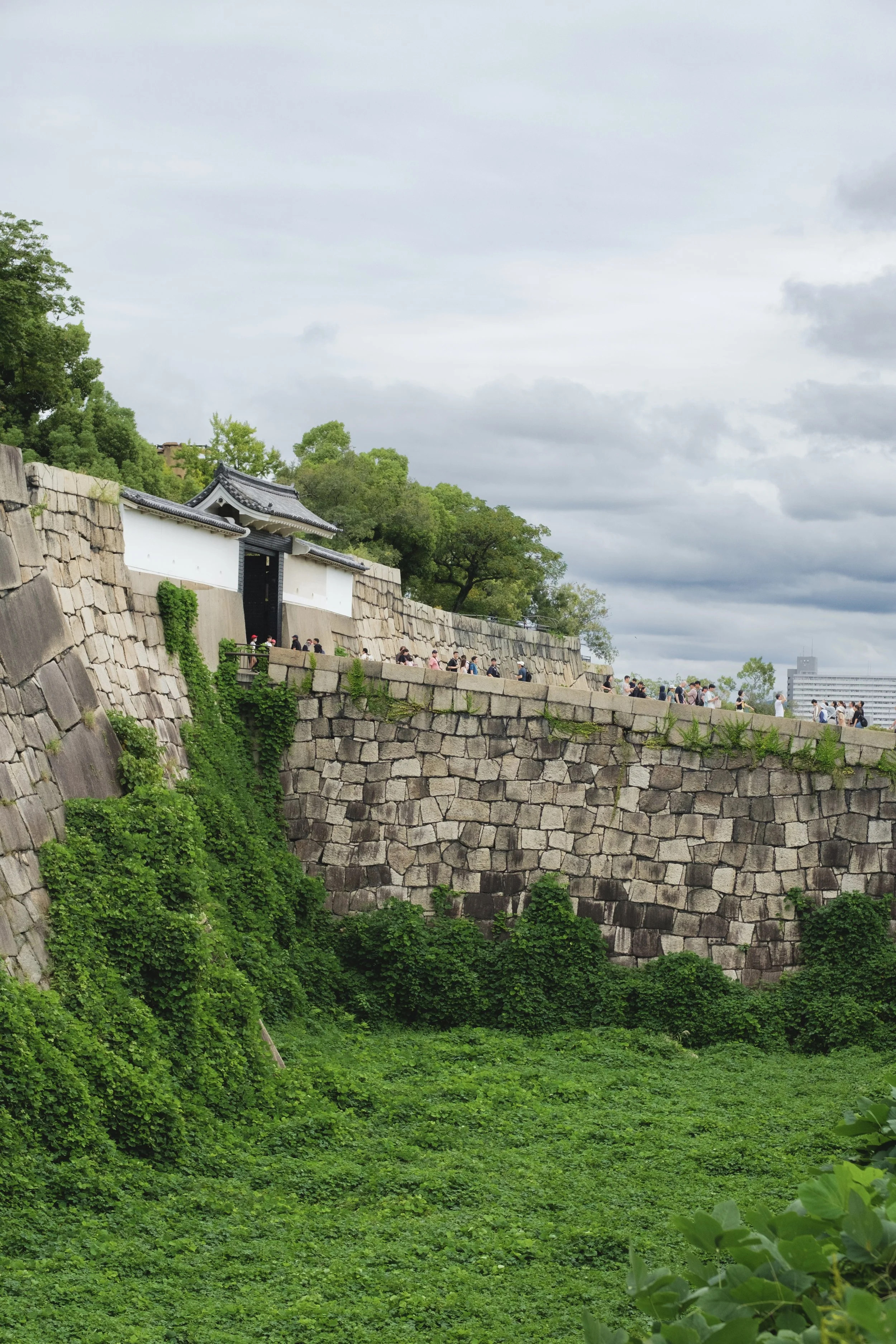
KYOTO
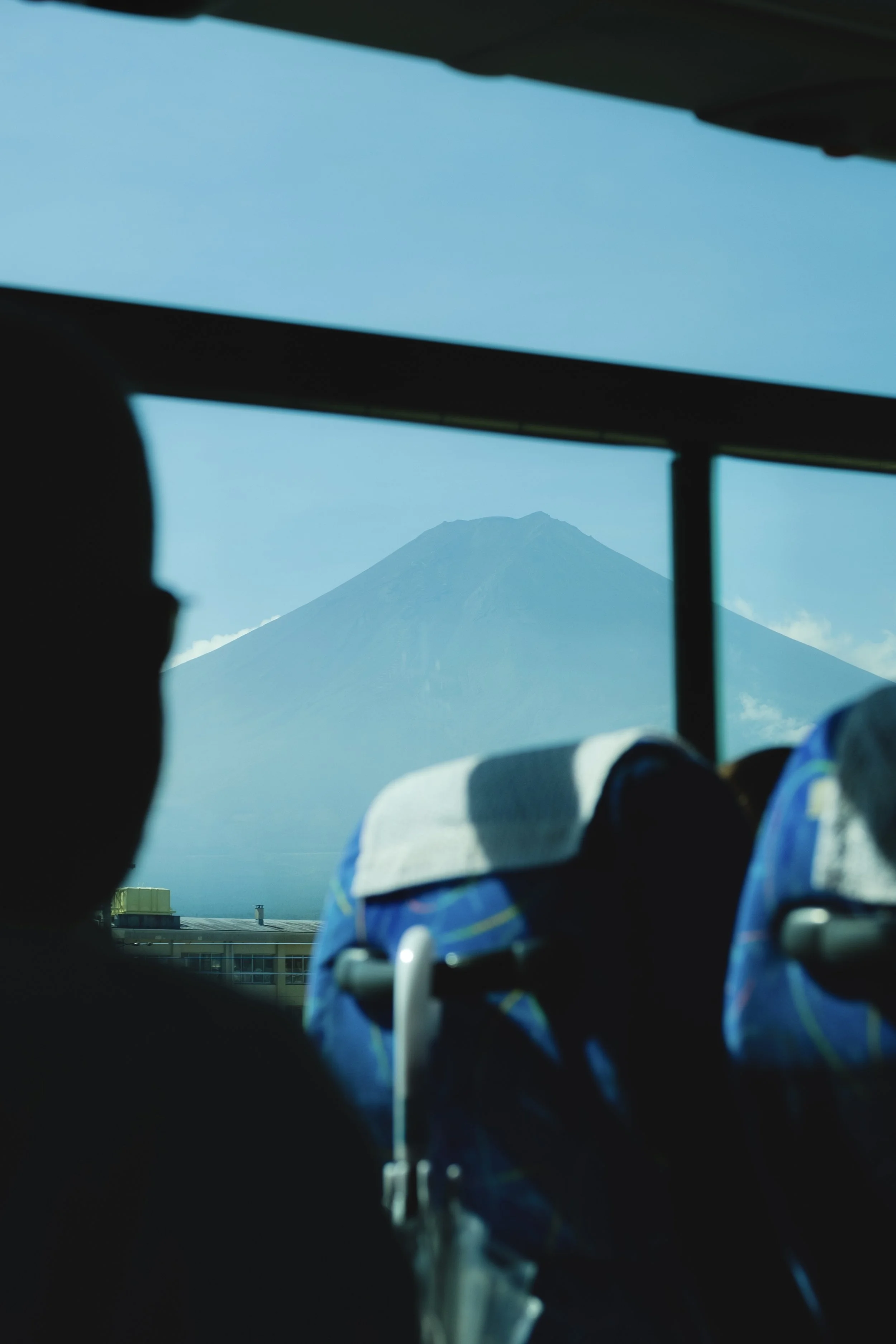
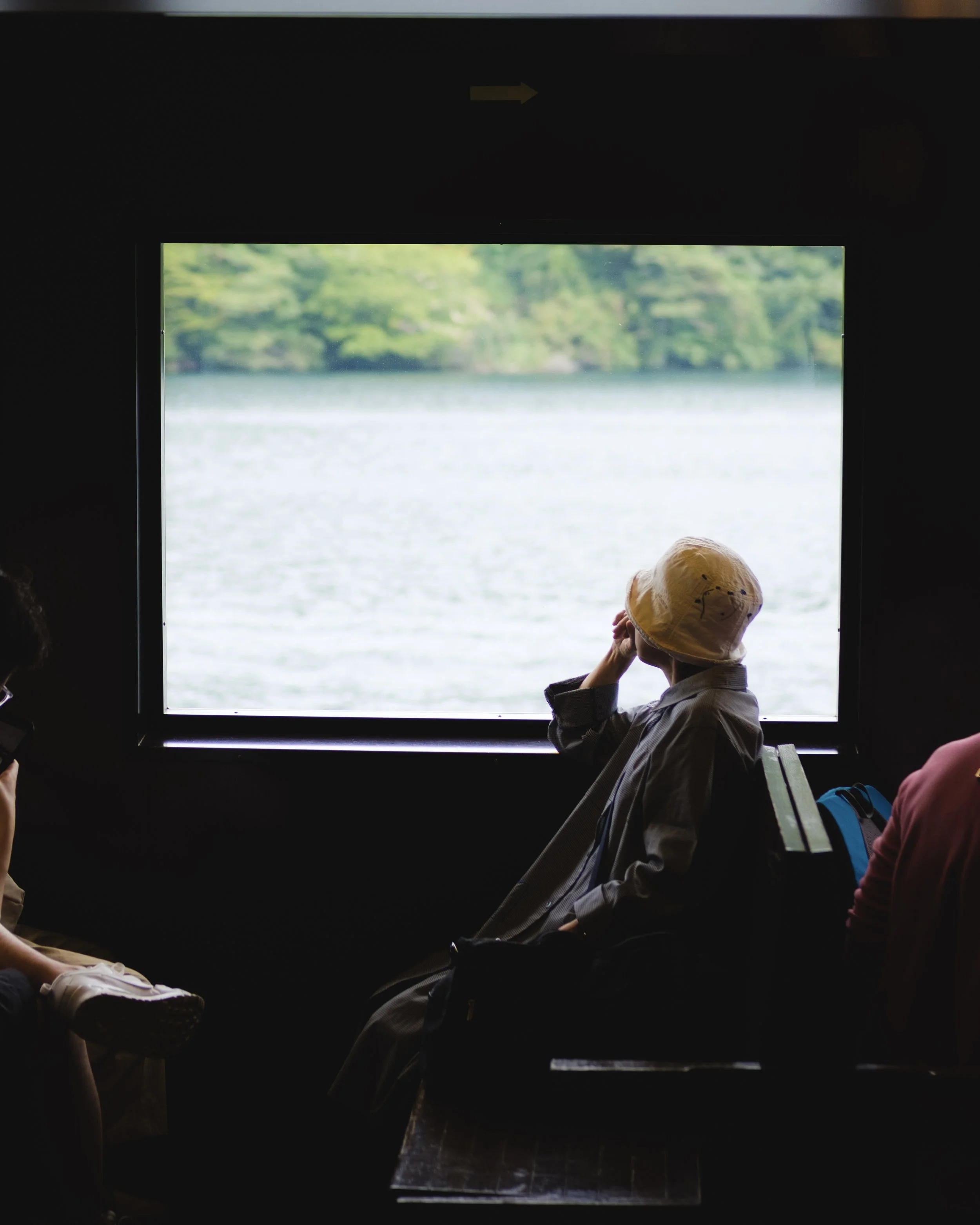
I took the Shinkansen (bullet train) from Tokyo to Kyoto, looking out of the window for the entirety, glued to the changing landscape. If you’d like to see Mount Fuji, book seats D or E for a view you won’t forget.
Kyoto was once the capital of Japan, packed full of temples, shrines and historic sights. I stayed at Asai, a hotel with beautifully decorated, shoe-box sized rooms. It’s located on a quiet street, near enough to the main drag. Two to three nights will be sufficient.
Those drawn by viral fame will want to head to Kichi Kichi Omurice, where getting a reservation is much like getting a Glastonbury ticket, and you’ll pay-over-the odds for an entertaining meal. It’s a fun and unique experience, so I won’t be too harsh. Otherwise, head to Komefuku Shijo Karasuma for exceptional tempura and seafood, although leave an extra 30 minutes for the queue beforehand. If sake is your thing, head to Sizuk, a modern bar just north of the station, where the affable owner will guide you through the vast collection.
Gion is the old town and with patience you’ll be able to spot an authentic geisha, although the legions of tourists may well obscure your view. Whilst Gion’s definitely worth a visit, I’d instead recommend the beautiful (and peaceful!) Philosopher’s Path, a stunning river-side walk best taken on a sunny day.
OSAKA
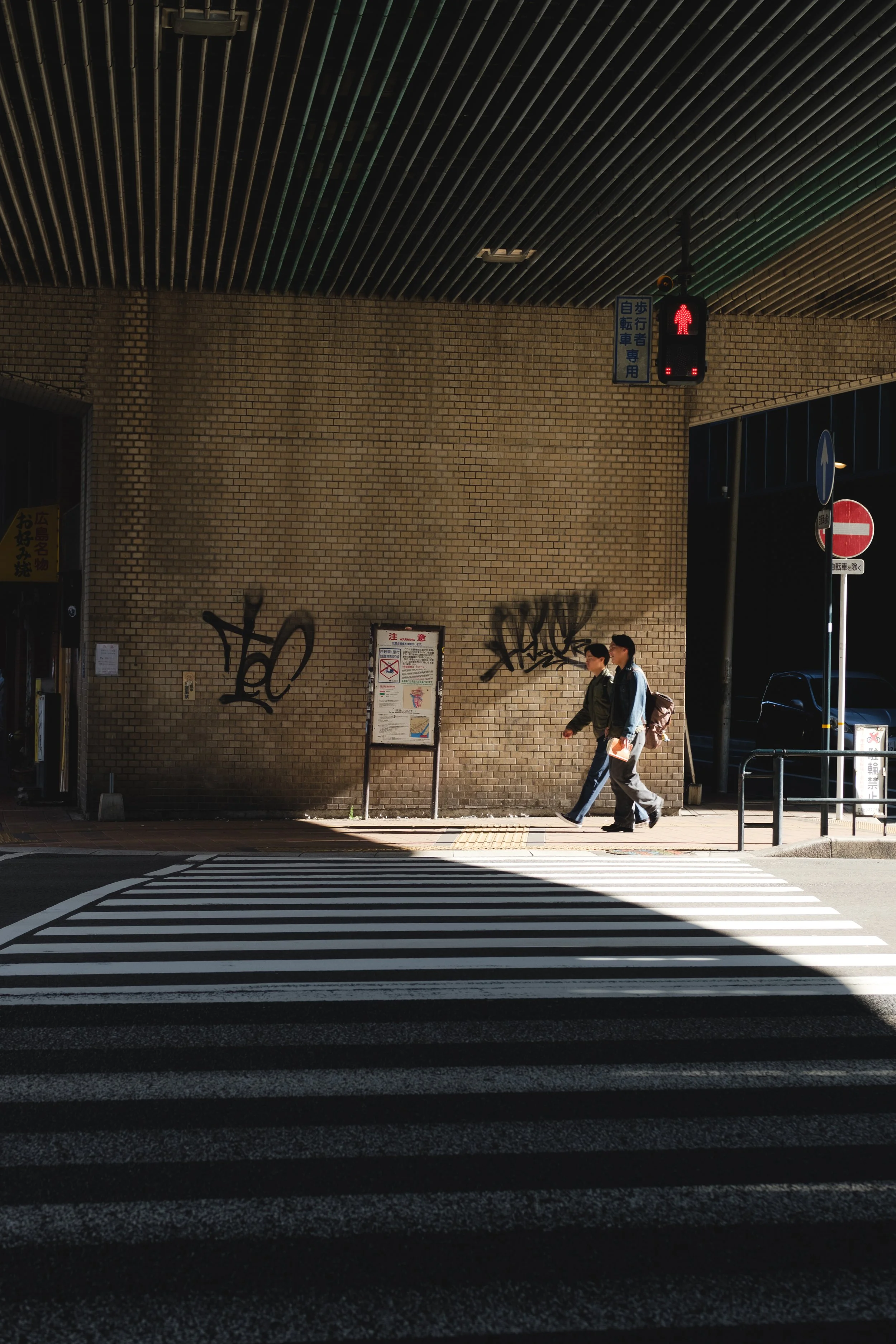
Osaka was described to me as the Shoreditch of Japan - a little grittier than the other cities - and that description is fairly fitting. I found it a little overwhelming at times, but it’s also a lot of fun. Head for the Hotel The Leben for immaculate rooms and modern interiors in the heart of the Shinsaibashi region.
I stumbled upon the effortlessly cool Club Sakagami Part 3, a restaurant nestled behind the love hotels of the Umeda district. Small, traditional dishes are cooked over hot coals and presented beautifully. The waiter encouraged me to try some of their more adventurous dishes, including rare chicken and raw baby squid. Some I was more glad to try than others. Overall, it was a fantastic meal. If you’re in the market for sushi, head to Sakae Sushi for a basic but traditional experience run by a husband and wife duo - he makes the food, she waits the tables.
In terms of sights, Shinsekai is quite an experience. It’s a series of streets with huge, lit up exteriors and neon signs. It’s Osaka’s answer to Camden Market: not a place to linger, but definitely worth seeing. Osaka also acts as a jumping off point to Nara, where wild deers roam freely around the street, and bow respectfully to humans - it has to be seen to be believed.


HIROSHIMA
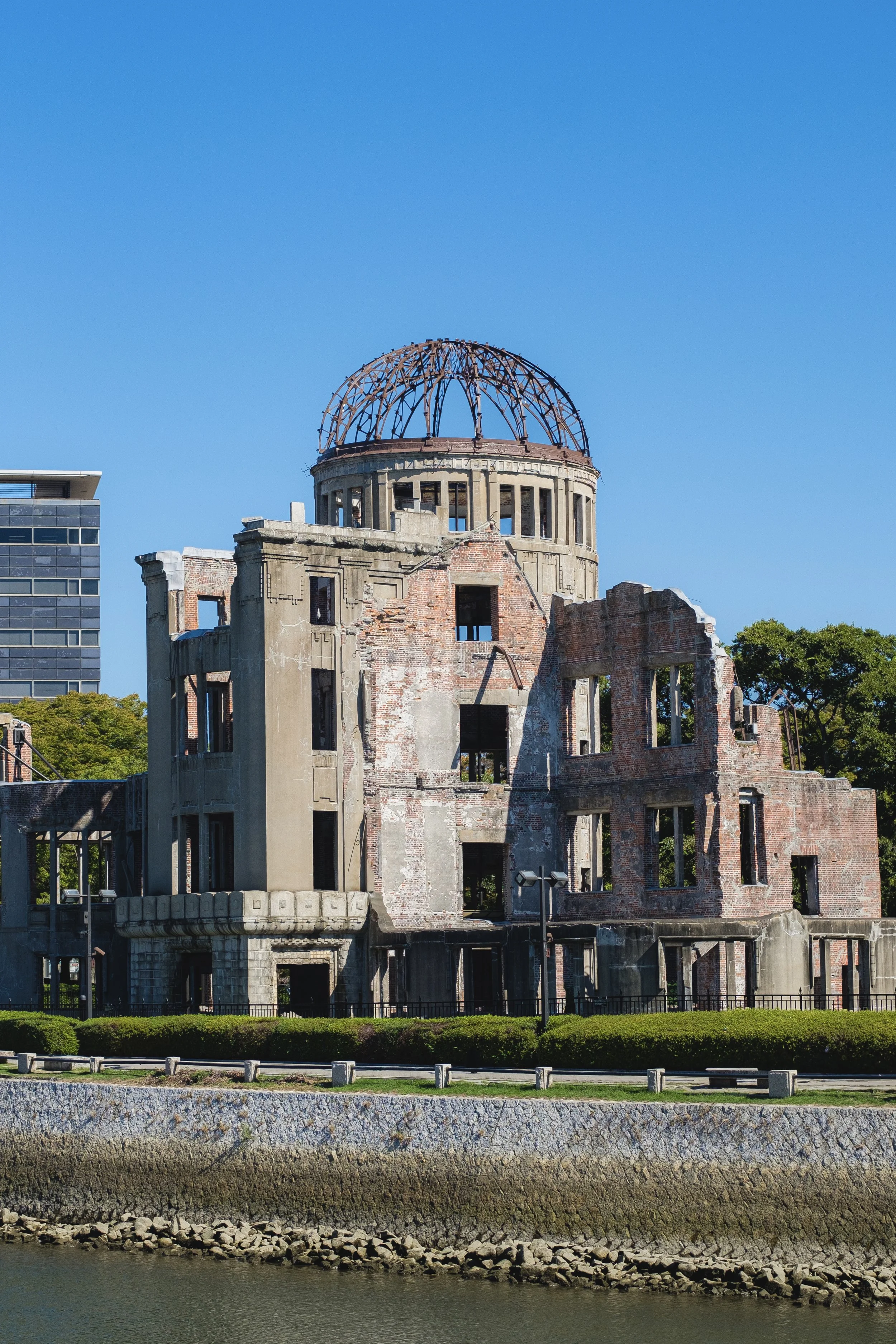
Hiroshima is a captivating place. It is imbued with the most awful history. The Atomic Bomb Dome and Peace Memorial Museum are incredibly harrowing, but thoughtful and fascinating. I gave myself plenty of time to process afterwards; you’ll need it too.
Hiroshima is great for so many reasons - it’s an incredibly fun city too. Far from being defined by the past, Hiroshima is home to some of the best bars and restaurants I found all trip. Our Store is a small neighbourhood bar serving refreshing local beers and a great selection of small plates. Okonomimura is a building full of vendors specialising in Okonomiyaki - a type of Japanese pancake. It’s rough and ready, but an amazing experience. One night I walked the streets of Osugacho, where an overzealous bar man served me a glass of sake from a barrel with two dead snakes in it. An experience indeed.
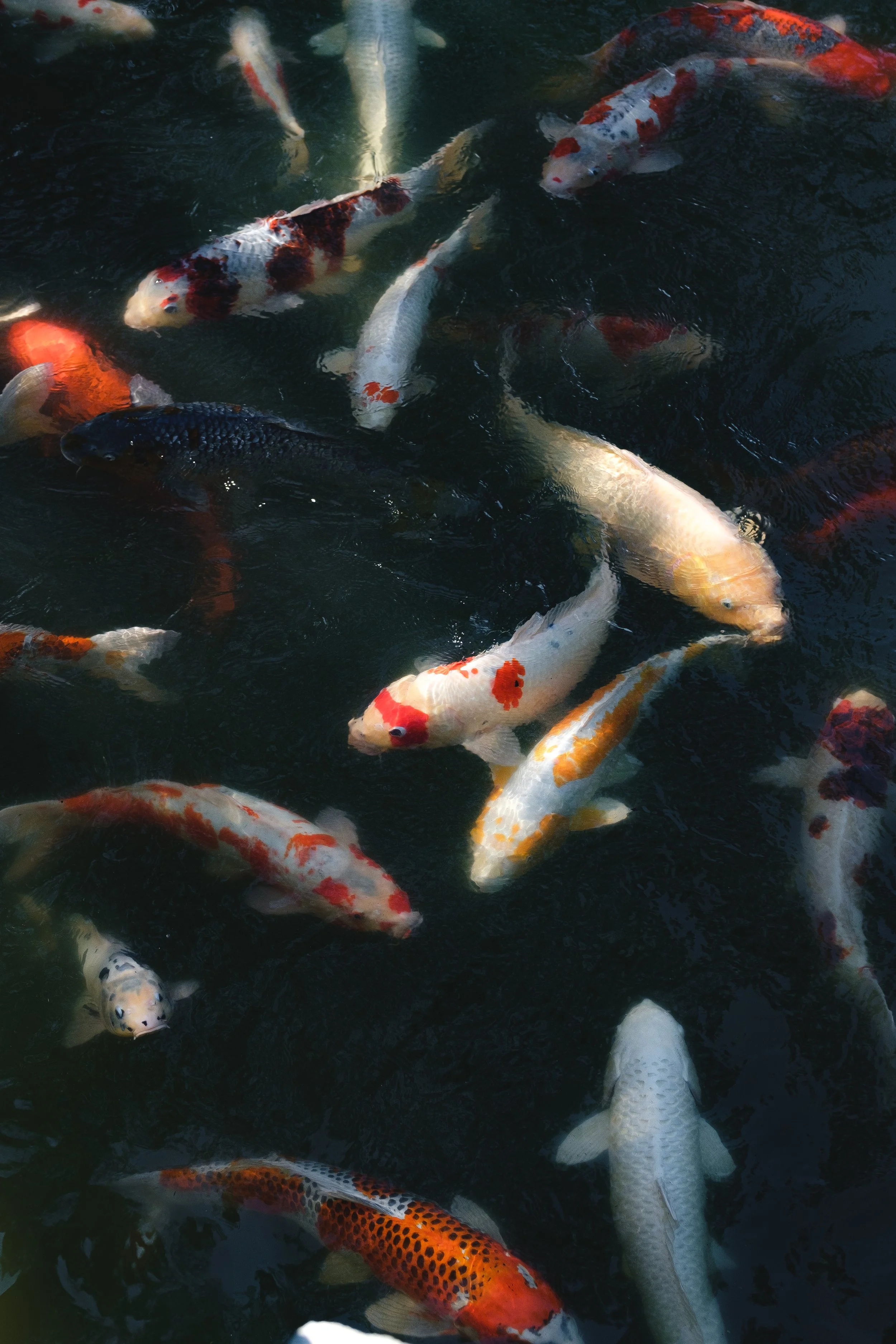
Shukkei-en Garden is an oasis in the city: beautifully kept, tranquil, and home to hundreds of koi carp (which you can feed for a few hundred yen). Some are around four feet long. Afterwards, make sure to also stroll along the banks of the Kyobashi River. For your hotel, KIRO is perfectly central, and has a relaxed, minimalist feel - it’s reasonably priced too.