
At The Pass: Tom Aikens on Muse, Memory and the Future of Fine Dining
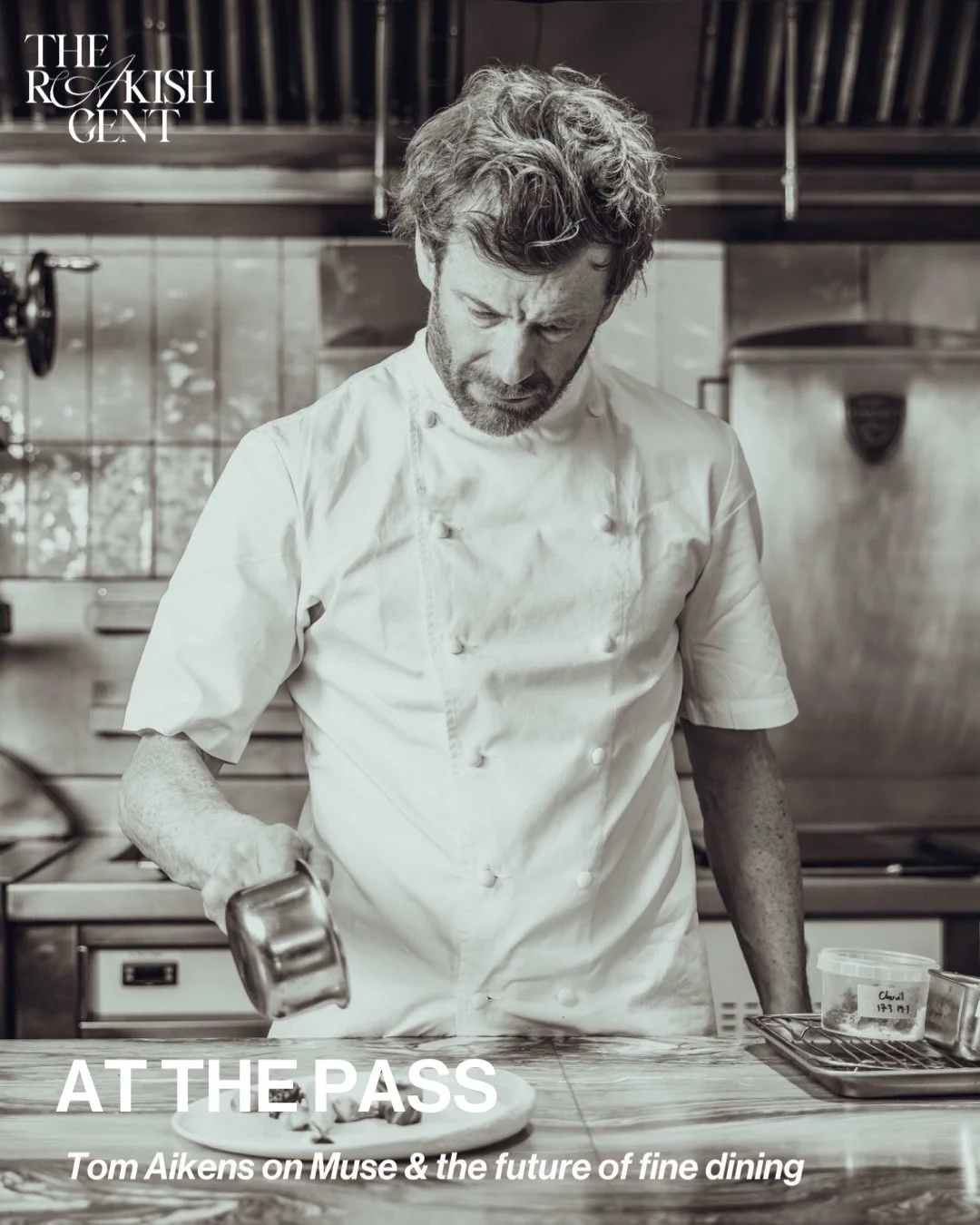
When Tom Aikens talks about success now, it sounds markedly different from the language that once defined him. At 26, he became the youngest British chef ever to earn two Michelin stars, a milestone that instantly positioned him among the most formidable talents in British cooking. Yet, as he reflects today, the achievement carried as much weight as it did exhilaration.
“Achieving two Michelin stars at such a young age was a huge moment, but it also came with an enormous amount of pressure and stress,” he says. “It wasn’t a feeling of relief — it was more a sense of pride and excitement for the team, and recognition that all the hard work had been noticed.” At the time, Aikens was already a restaurant owner, and the responsibility was immediate and tangible. “Looking back, my definition of success has changed. Stars are still very important, but they’re not the sole measure.”
That recalibration of values sits at the heart of Muse, his Belgravia restaurant that opened in January 2020 and swiftly earned a Michelin star of its own. With just 23–25 covers, Muse is not about grandeur or theatre. Instead, it is about intimacy, narrative, and a deeply personal form of hospitality. “Success now is about building something sustainable, leading well, and creating experiences that people genuinely connect with — for guests and for the team,” Aikens explains. “Longevity, consistency, and pride in the culture you create matter just as much as accolades.”
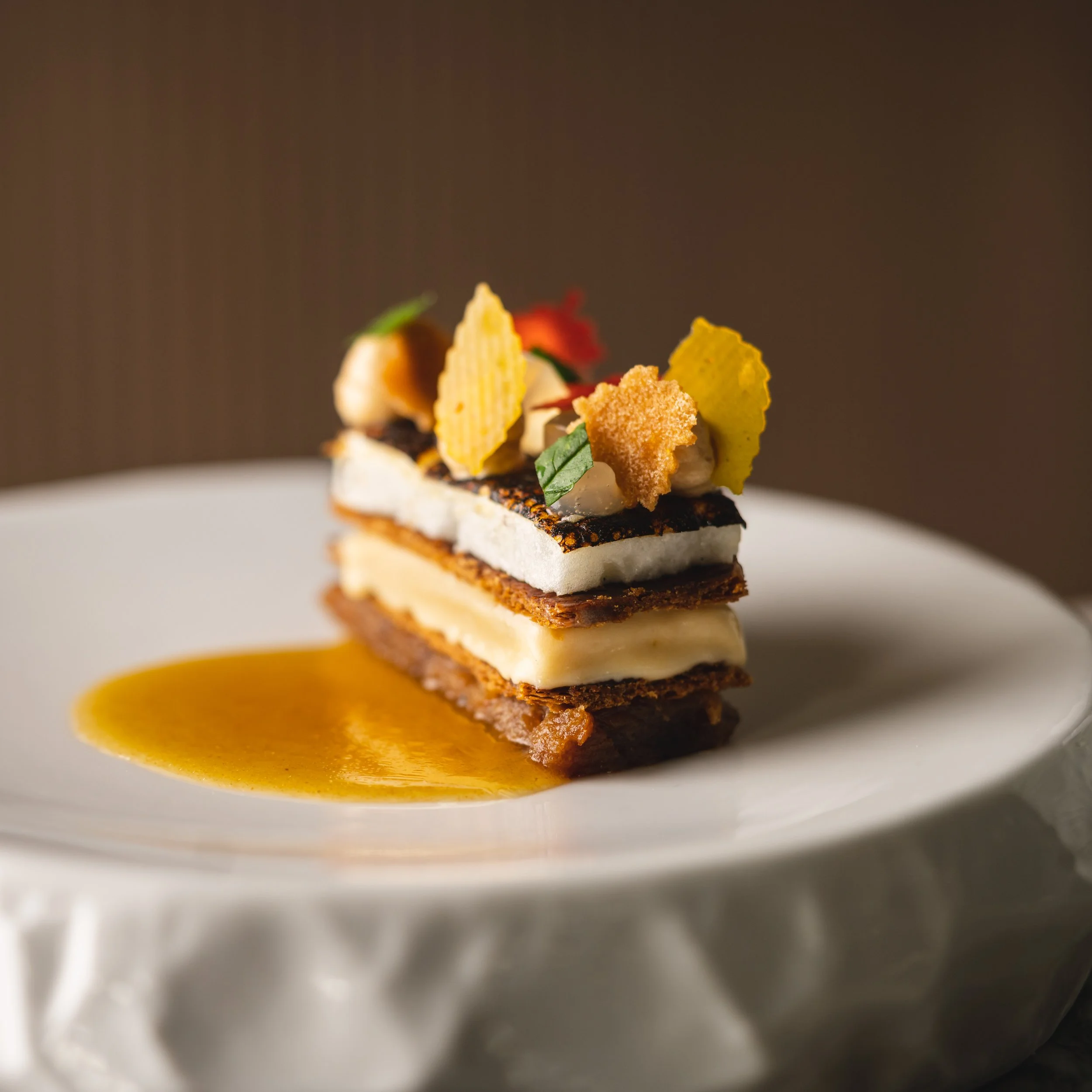
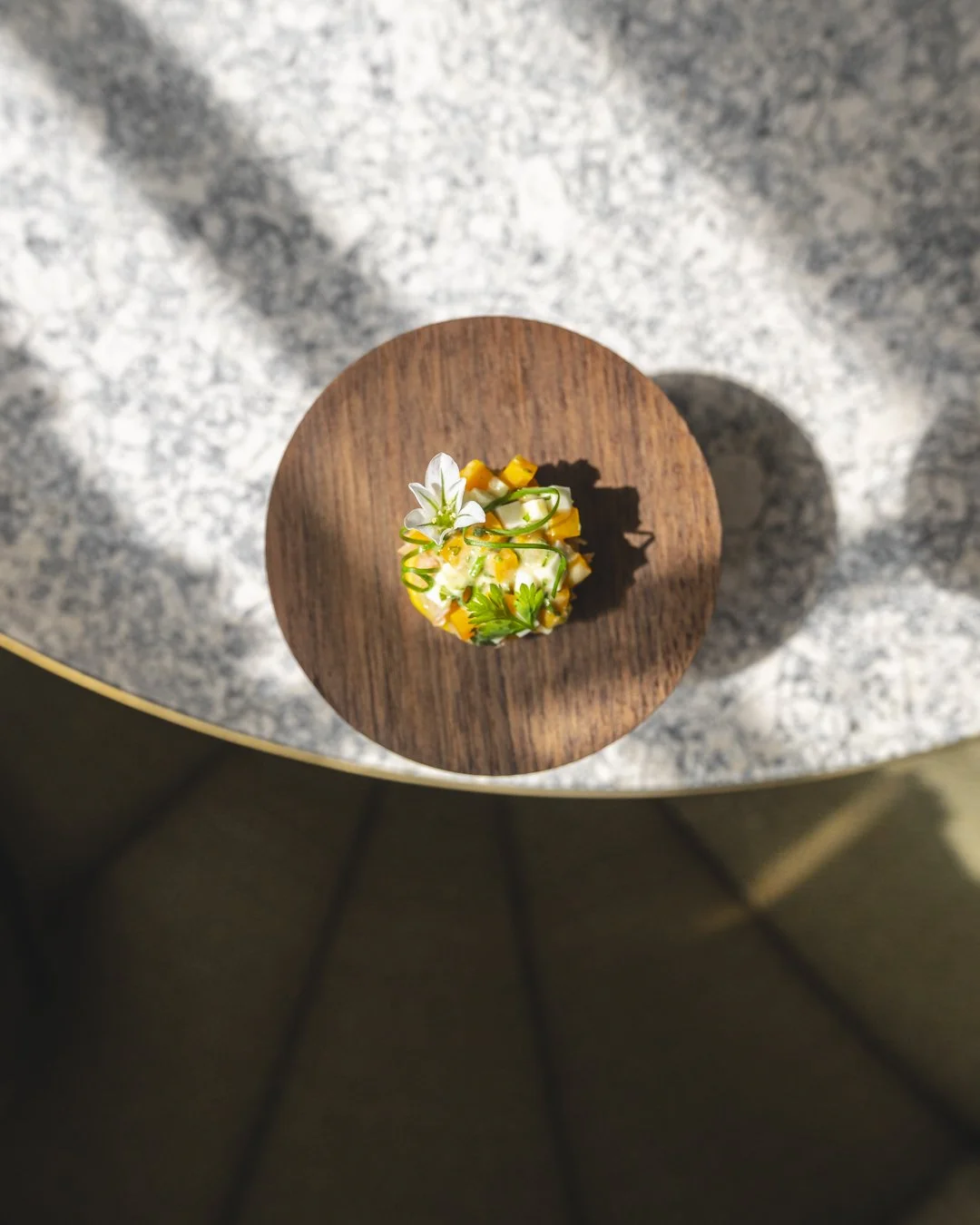
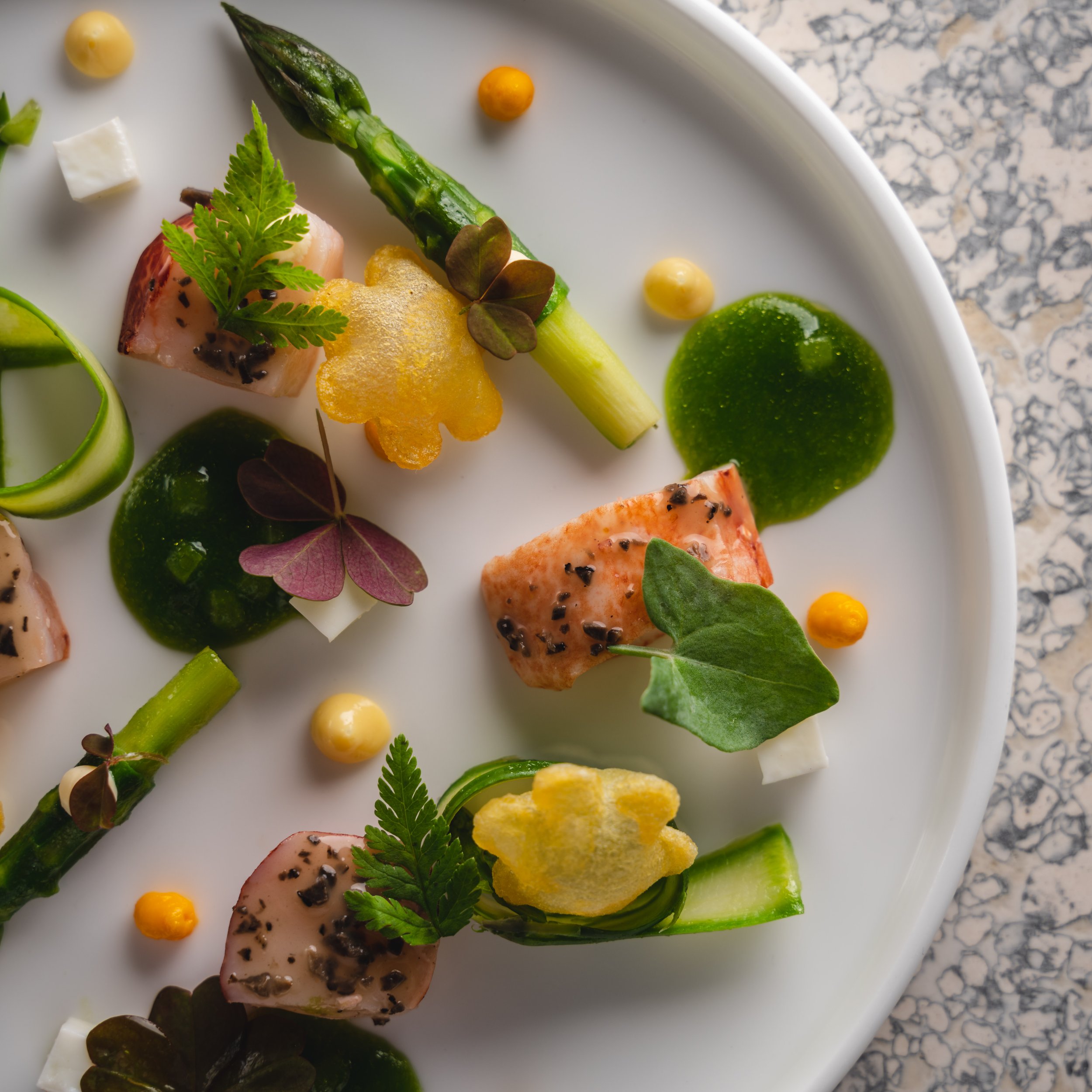
Muse is built on memory. Each dish is informed by a personal moment from Aikens’ life, whether a childhood experience or a formative point in his career. For him, this approach is less a conceptual device and more a natural extension of how he has always understood food. “Food has always been connected to memory, emotion, and a sense of place,” he says. Growing up in Norfolk, Aikens’ earliest relationship with cooking was shaped in his parents’ garden. “We produced much of our own fruit and vegetables. From a young age, I learned how ingredients grow, how the seasons shape flavour, and how rewarding it is to nurture something from seed to plate.”
Those early rituals — picking berries with his twin, turning fruit into jam, watching rows of vegetables develop — still inform his cooking today. “Those formative moments shaped how I understand food,” he says. At Muse, the menu evolves constantly, guided by those memories and by the availability of exceptional British produce. “Story-led dining allows guests to connect not just with flavour, but with the meaning behind each dish,” he explains. “It creates a more intimate, thoughtful experience — one that feels personal, engaging, and distinct from traditional fine dining.”
That sense of intimacy is reinforced by the scale of the restaurant itself. Spread across two floors and designed to feel more like a private home than a formal dining room, Muse deliberately rejects the intimidation often associated with Michelin-level restaurants. “Scale makes an enormous difference to hospitality,” Aikens says. “With just over 20 covers, we’re able to give every guest the attention they deserve. We have the time and the team to cater to people personally, rather than delivering a one-size-fits-all experience.”
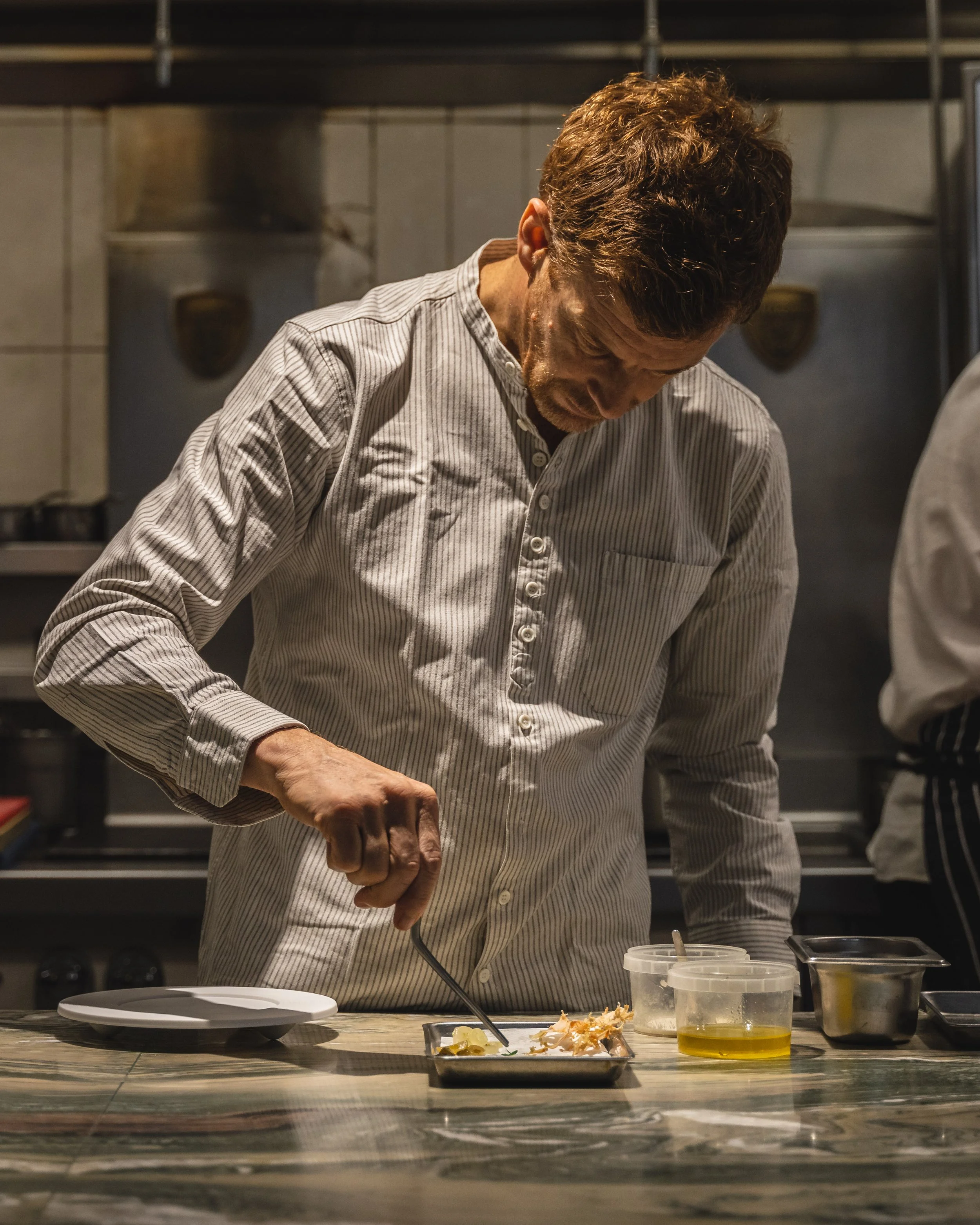
For Aikens, this personal connection is increasingly synonymous with luxury. “I do think intimacy is becoming a marker of luxury — guests value feeling known, cared for, and comfortable,” he says. The journey through Muse reflects that ethos. Guests arrive into what feels like a front room, coats are taken, and they are guided upstairs, as though being welcomed deeper into someone’s home. “It gives them a sense of access — a quiet glimpse into the Michelin dining world — but in a way that feels warm and cosy rather than intimidating.”
Challenging the formality of fine dining was a conscious decision, though not at the expense of refinement. “Challenging formality doesn’t mean losing care or attention to detail,” Aikens insists. “At every point of the service, guests should feel looked after and considered.” The tone is relaxed but precise, friendly yet polished. “For me, it’s about striking the balance between relaxed and refined: an experience that feels comfortable and human, but still thoughtful, polished, and memorable.”
That philosophy extends beyond service into the structure of the menu itself. Recently, Aikens introduced the ALC Menu — a flexible alternative to the traditional tasting format, offering larger main courses at the same price point as the tasting menu. The decision came not from trend-watching, but from listening. “Not everyone wants a long, ten-course experience,” he says. “For some people it can feel like too much of a time commitment, while others simply want to enjoy the main dishes they’re most excited about.”
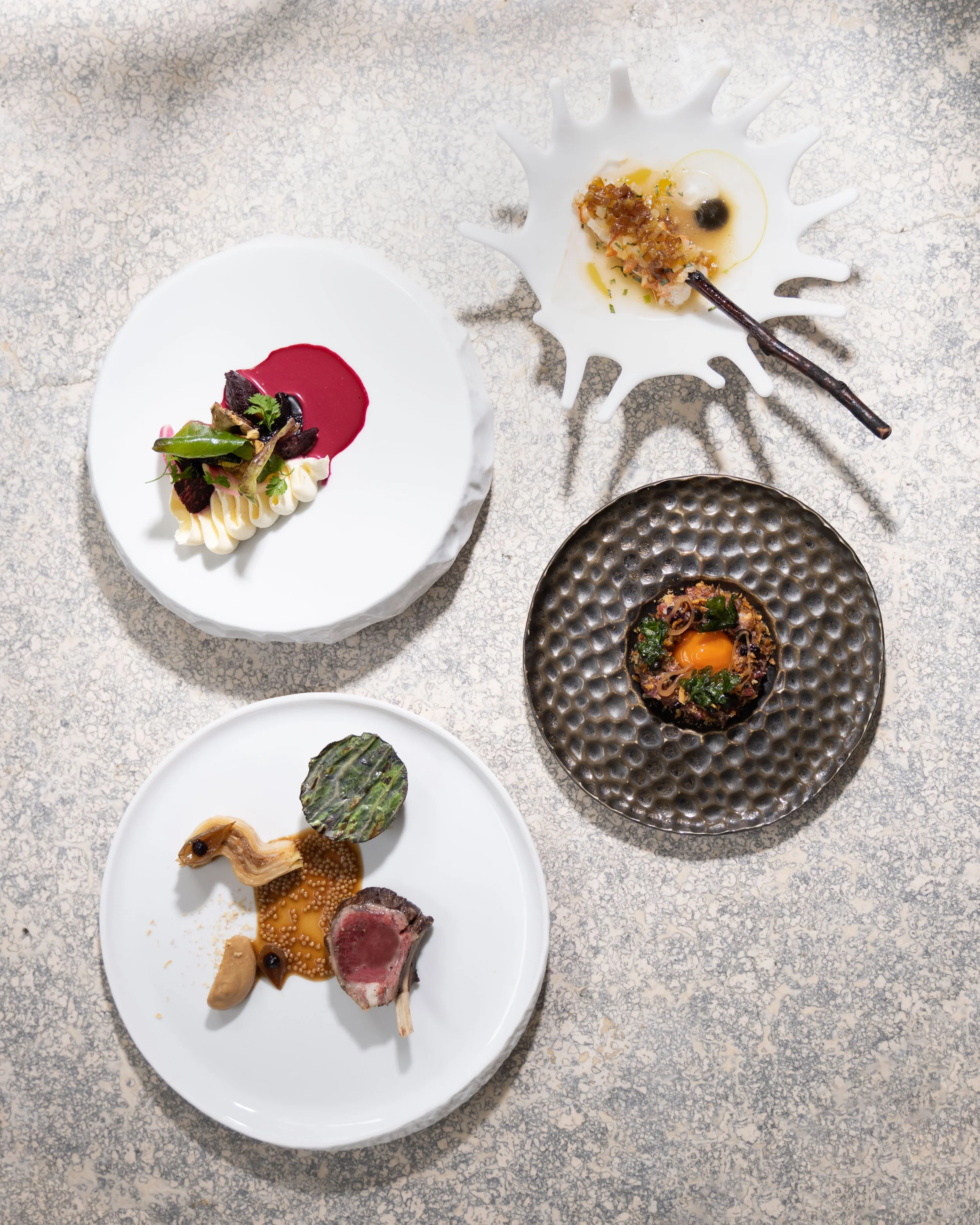
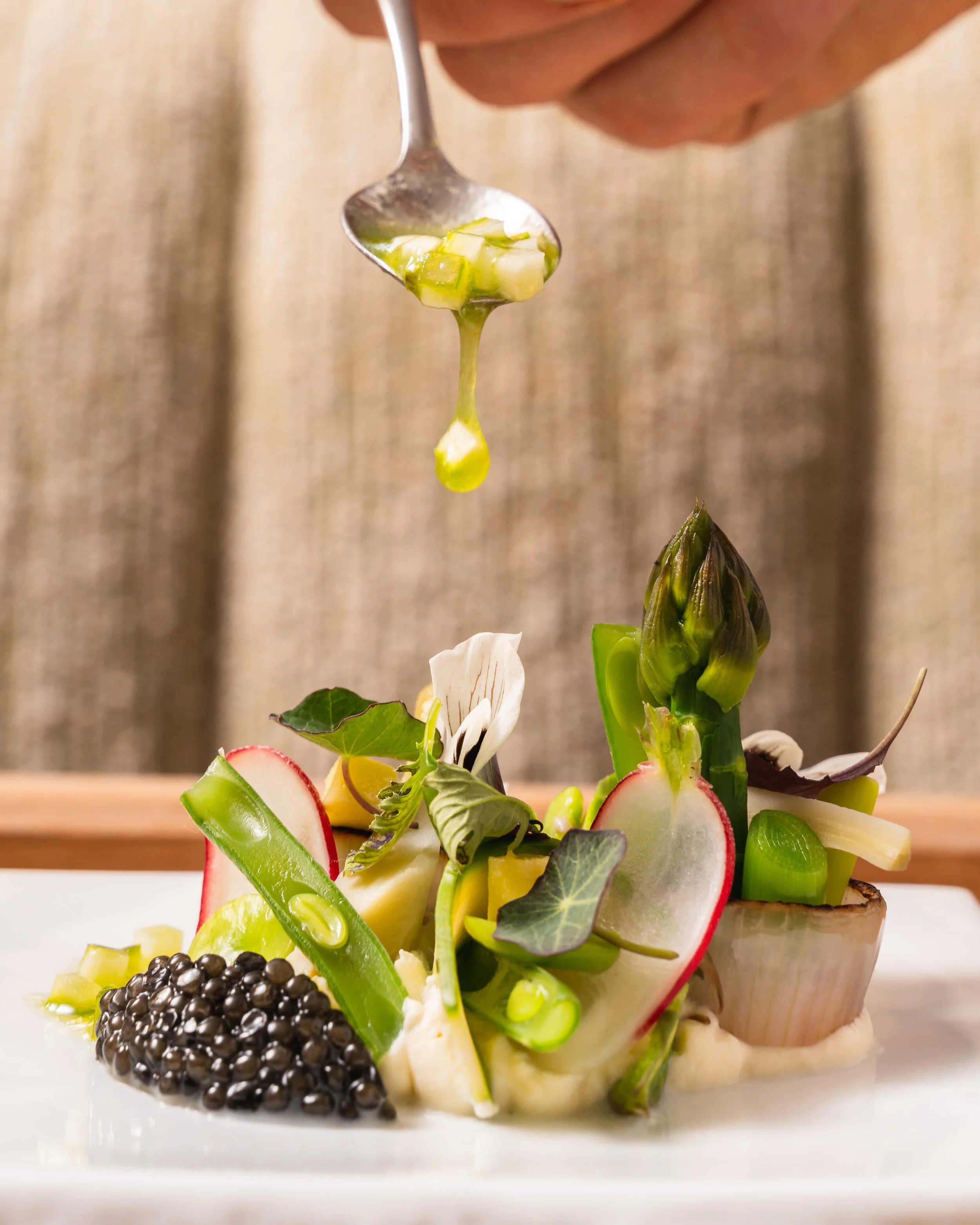
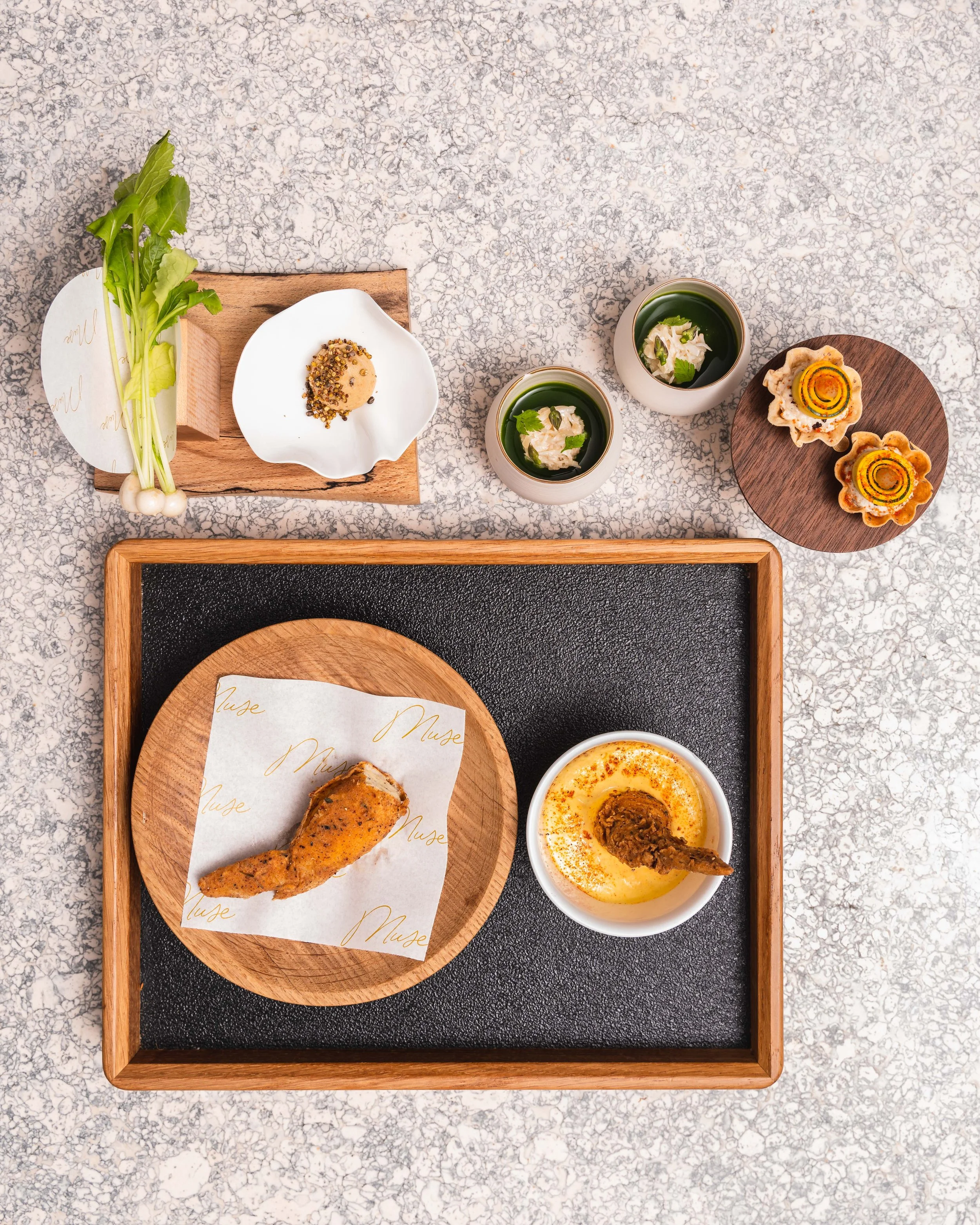
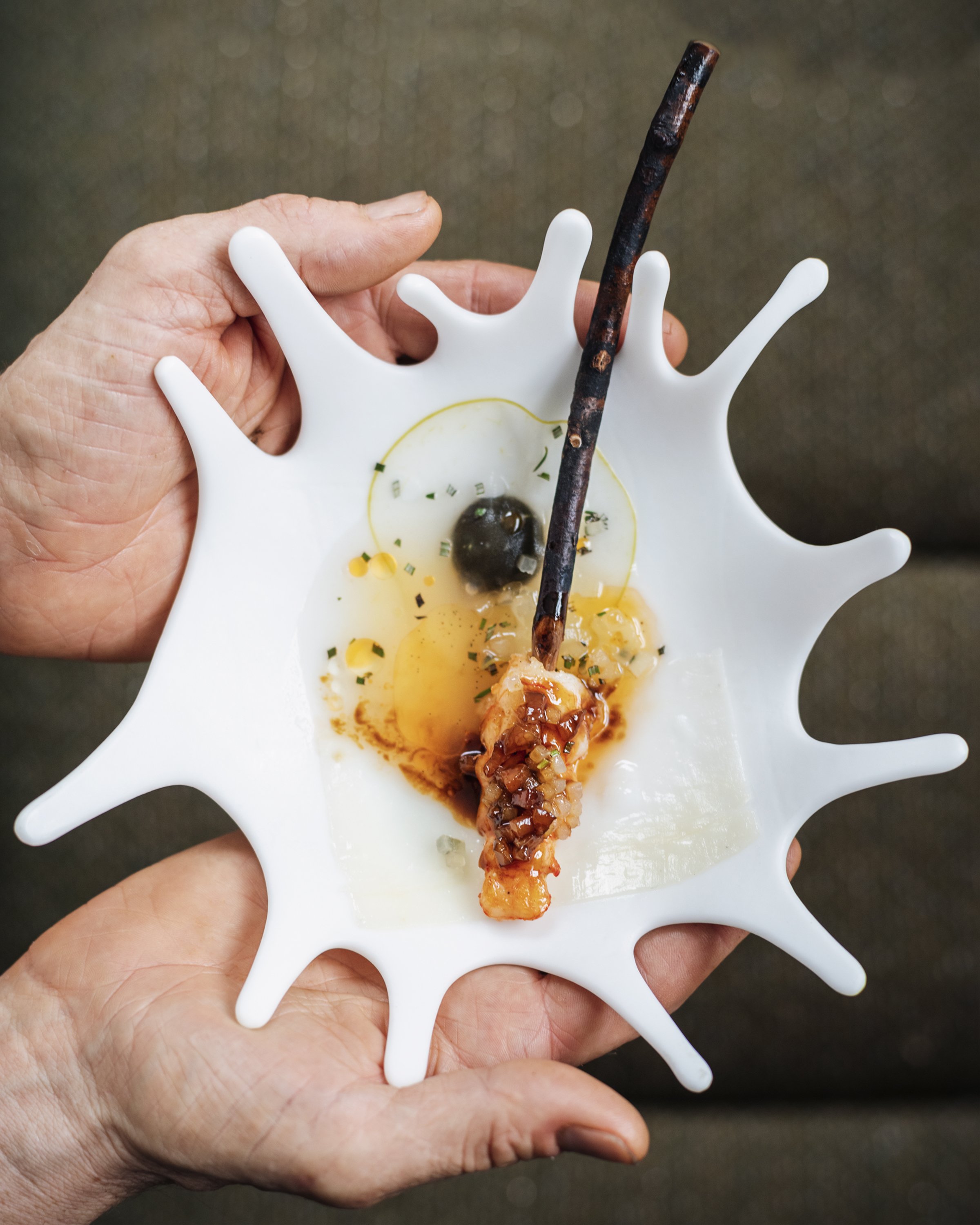
The ALC Menu reflects a broader belief that fine dining should be responsive, not prescriptive. “Guests still want something special, but they also want it to fit naturally into their lives,” Aikens explains. “Offering flexibility allows people to eat in a way that feels right for them, while still experiencing the level of thought, technique and care that defines Michelin-level cooking.”
He is clear that the classic tasting menu still has its place. “When done well, it can be a really special, immersive experience,” he says. But he also believes it must evolve. “In cities like London especially, diners have more choice than ever and live very busy lives. Fine dining needs to work for people, not ask people to work around it.” The future, in his view, lies in understanding how people want to dine today, without diluting intent or quality.
Atmosphere and comfort, Aikens argues, are now as critical as technique. At Muse, that manifests in an experience guests often describe as unexpectedly personal. “Guests often say it feels like they’re eating at my kitchen table while I’m cooking for them,” he says. “That balance — excellence without formality — is where fine dining needs to be heading.”
This rethinking comes at a time when hospitality is under intense pressure. Rising costs, staffing challenges, and shifting expectations have exposed the fragility of old models. “We can’t rely on them anymore,” Aikens says. “We have to be smarter, more flexible, and more honest about how restaurants are run.” For him, sustainability is as much cultural as financial. “Creating healthier working environments, better work-life balance, and clearer career progression is essential if we want to attract and retain talent.”

Menu design, too, must be realistic. “We need to deliver quality rather than complexity for complexity’s sake,” he says. Today’s diners, he notes, care deeply about how an experience makes them feel — not just how many courses they’re served. “If the industry can focus on thoughtful hospitality, strong leadership, and realistic business models, we can maintain excellence while building something that lasts.”
As one of Britain’s most influential chefs, Aikens is acutely aware of the responsibility that comes with his position. “The role of a senior chef today goes far beyond cooking,” he says. Leadership now encompasses how people are treated, how ingredients are sourced, and how restaurants operate within their communities. A long-standing advocate of farm-to-table cooking, he emphasises that this has always been about more than seasonality. “It’s about supporting local farmers, fishermen, and British producers. Putting money back into the local economy is vital.”
Ultimately, Muse represents a more reflective chapter in Aikens’ career — one shaped by experience, perspective, and a quieter confidence. When asked what he hopes guests take away from the restaurant, his answer is simple. “I hope guests leave Muse feeling inspired and connected — to the food, the atmosphere, and a more personal side of my culinary journey.”
Book a table at Muse.