
AT THE PASS: Alex Dilling at Hotel Café Royal
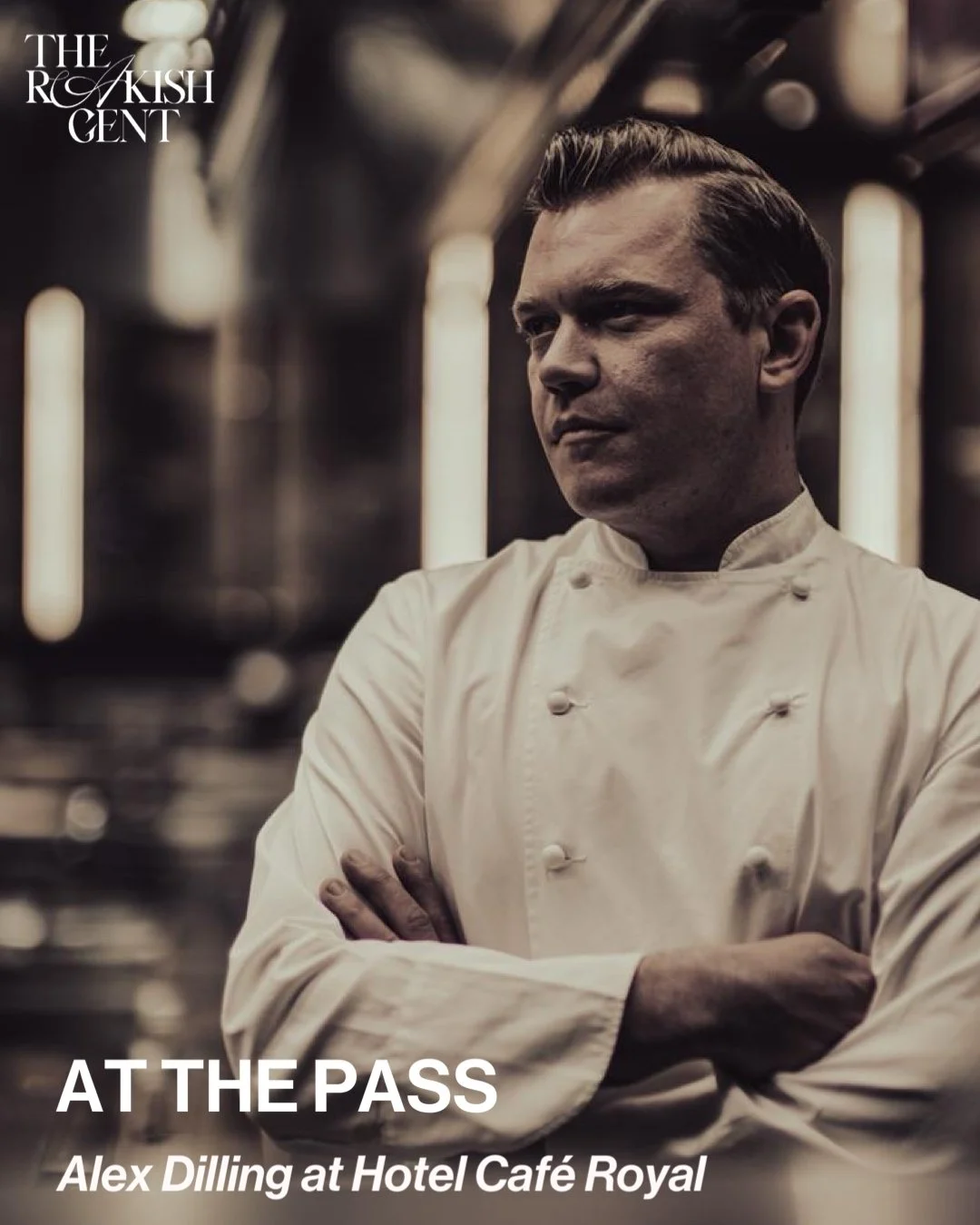
Inside Alex Dilling’s two-Michelin-starred restaurant at Hotel Café Royal, we meet the London-born chef redefining French fine dining — and discover why, for Dilling, true luxury is about far more than what is on the plate.
There are few London addresses with quite the cultural weight of Hotel Café Royal. Sitting on Regent Street, the building has long been associated with the city’s appetite for glamour, conversation and excess. Oscar Wilde held court here; generations of Londoners have passed through its doors. Today, on the first floor, another kind of conversation is taking place — one centred on the food of London-born chef Alex Dilling.
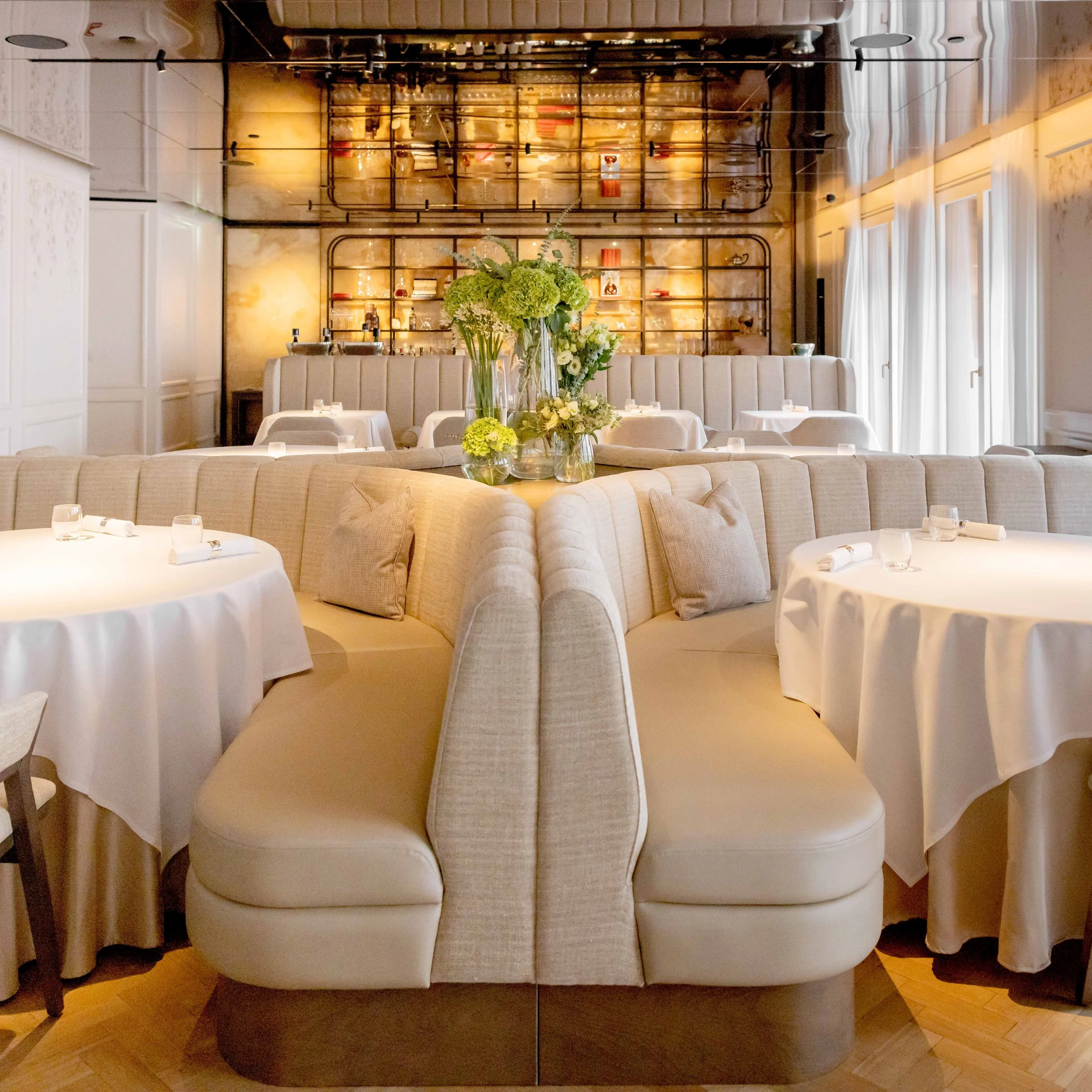
Dilling’s restaurant is deliberately intimate. With just 34 seats overlooking the curve of Regent Street, Alex Dilling at Hotel Café Royal is a remarkably self-contained world within one of London’s grandest hotels. It is also a restaurant that achieved something extraordinary: two Michelin stars just seven months after opening in September 2022.
That achievement could easily have become the defining story. Dilling, however, seems more interested in what comes next.
His career has been built on the rigour of classical French cooking. After training at Westminster, he worked under Alain Ducasse in New York before returning to London and working alongside Hélène Darroze, eventually leading kitchens including The Greenhouse in Mayfair. Ducasse and Darroze remain important influences, but Dilling's cooking today is not an exercise in reproducing the past. Rather, it takes the discipline of French gastronomy and applies it to a distinctly contemporary idea of pleasure.
“The discipline has definitely stayed with me,” he tells The Rakish Gent. “The standards, organisation, repetition and attention to detail are things I still believe are essential if you want to cook at this level consistently.”
What has changed is his approach to the people responsible for delivering those standards. Dilling rejects the idea that fear and hierarchy are necessary ingredients in a great kitchen. His preference is to explain the reasoning behind a dish or technique rather than simply demand obedience. It is a subtle distinction, but one that says much about the chef he has become.
There is also a strong sense of responsibility towards the next generation. Dilling remains in contact with Westminster, where he trained, and the restaurant has taken work-experience chefs from the school. For all the talk of Michelin stars and elite kitchens, there is something refreshing about a two-star chef still being interested in where young cooks begin.
Perhaps that same sense of perspective explains his attitude towards Michelin.
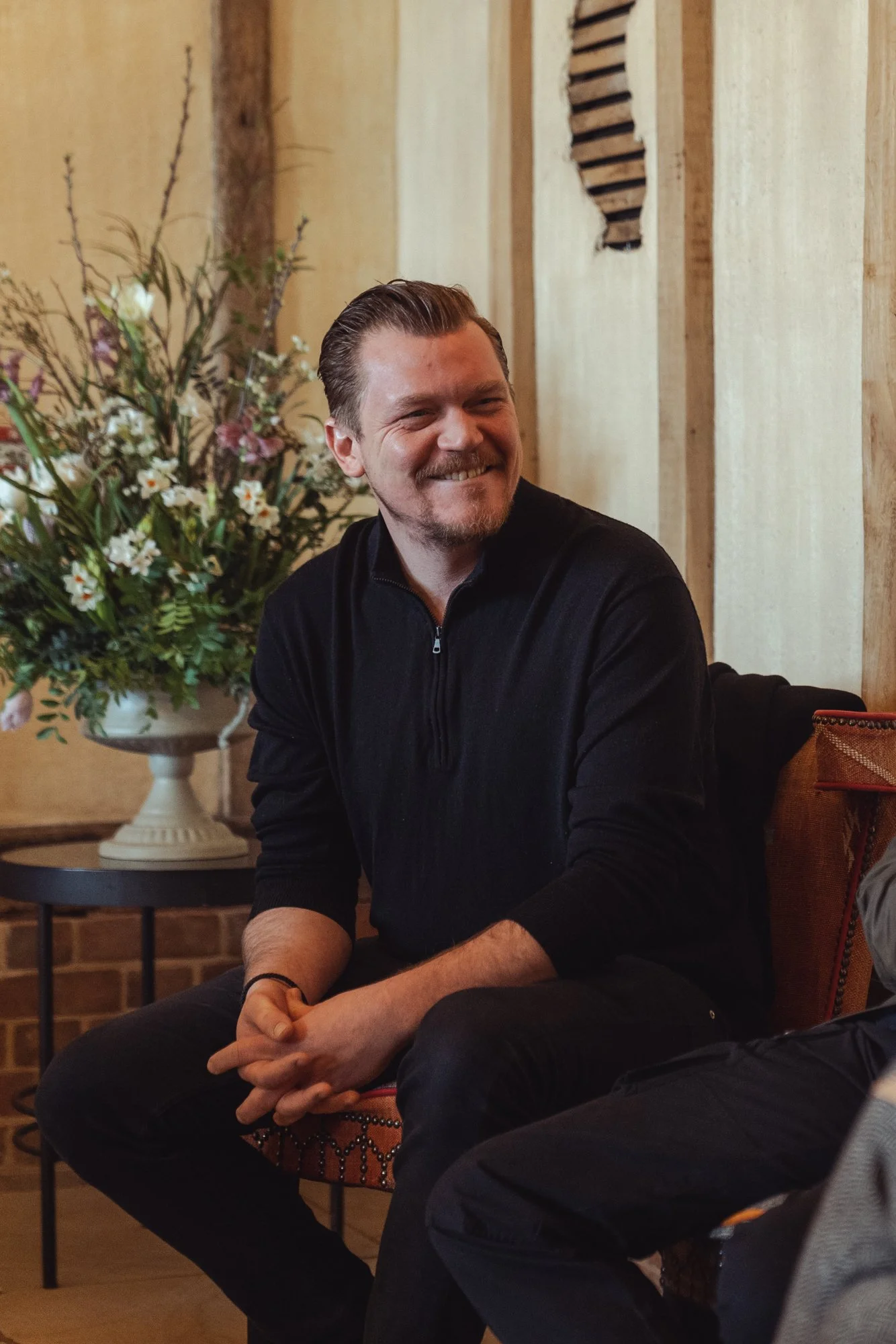
Two stars in seven months would be enough to make most restaurants feel the pressure of expectation. For Dilling, the recognition was certainly significant, particularly after opening a restaurant during the difficult aftermath of Covid. But he was determined not to let the stars dictate the food.
“The stars are something we’re extremely proud of, but they have to be the result of what we do, rather than the reason we do it,” he says.
It is a useful distinction when considering the restaurant itself. Alex Dilling doesn't feel like a restaurant constructed around the idea of being a two-Michelin-starred restaurant. It feels like a restaurant constructed around Alex Dilling.
That distinction begins with the food.
His cooking is unmistakably French in its technical foundation, but Dilling is wary of allowing technique to become the point. “The guest shouldn’t necessarily be thinking about how technically difficult something was to produce,” he says. “They should just think it tastes delicious.”
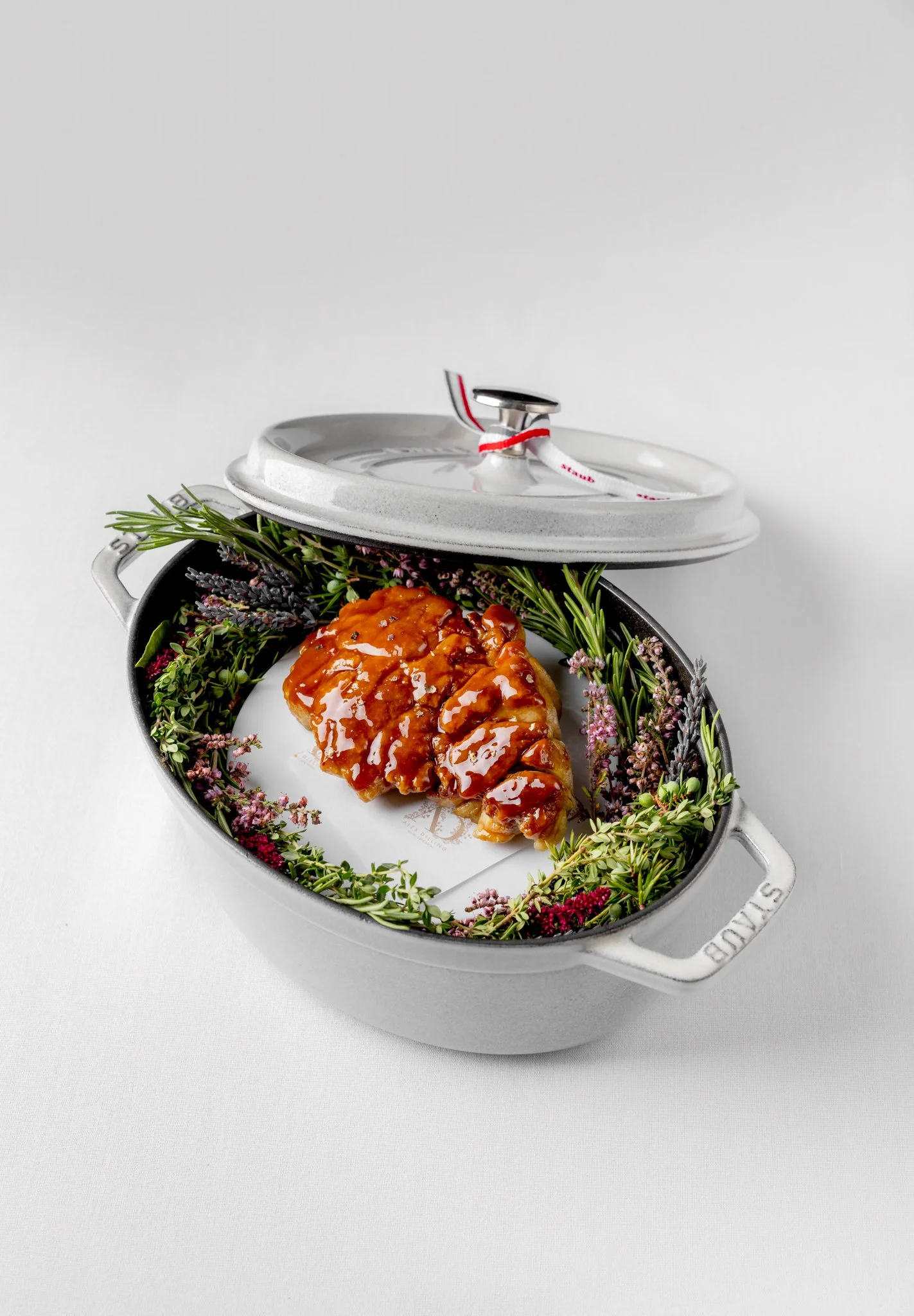
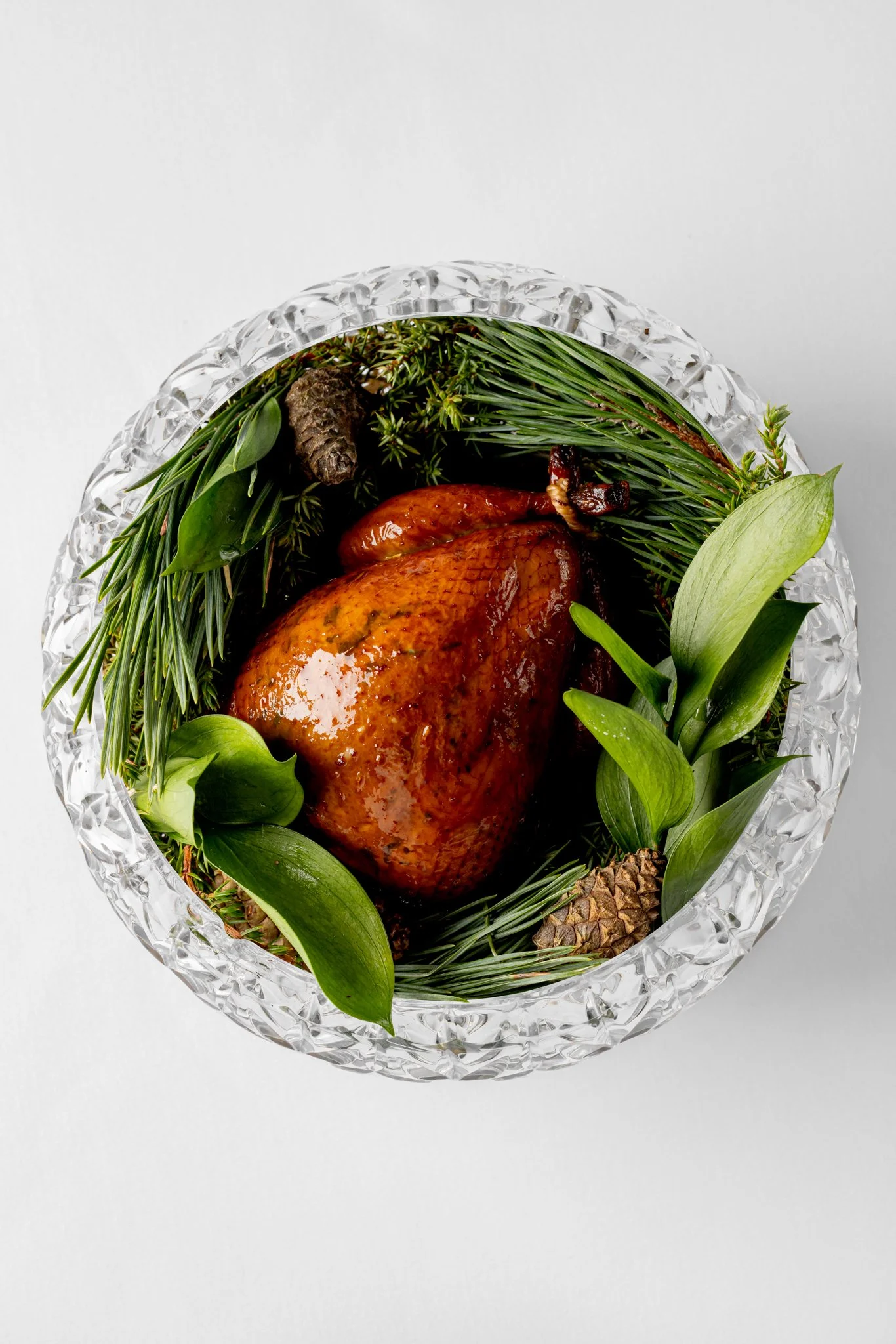
One of the clearest expressions of that philosophy is his Hunter Chicken, a dish inspired by the classic French Chicken Chasseur. It is a clever example of how Dilling approaches tradition: rather than abandoning the classics in search of novelty, he uses them as a starting point and takes them somewhere personal.
There is a similar logic to his approach to refinement. Dilling admits that, earlier in his career, there was a temptation to put everything he knew onto one plate. Experience has taught him that knowing what to leave out can be just as important as knowing what to put in.
“Every component needs a reason to be there,” he says.
That restraint was evident during our own meal.
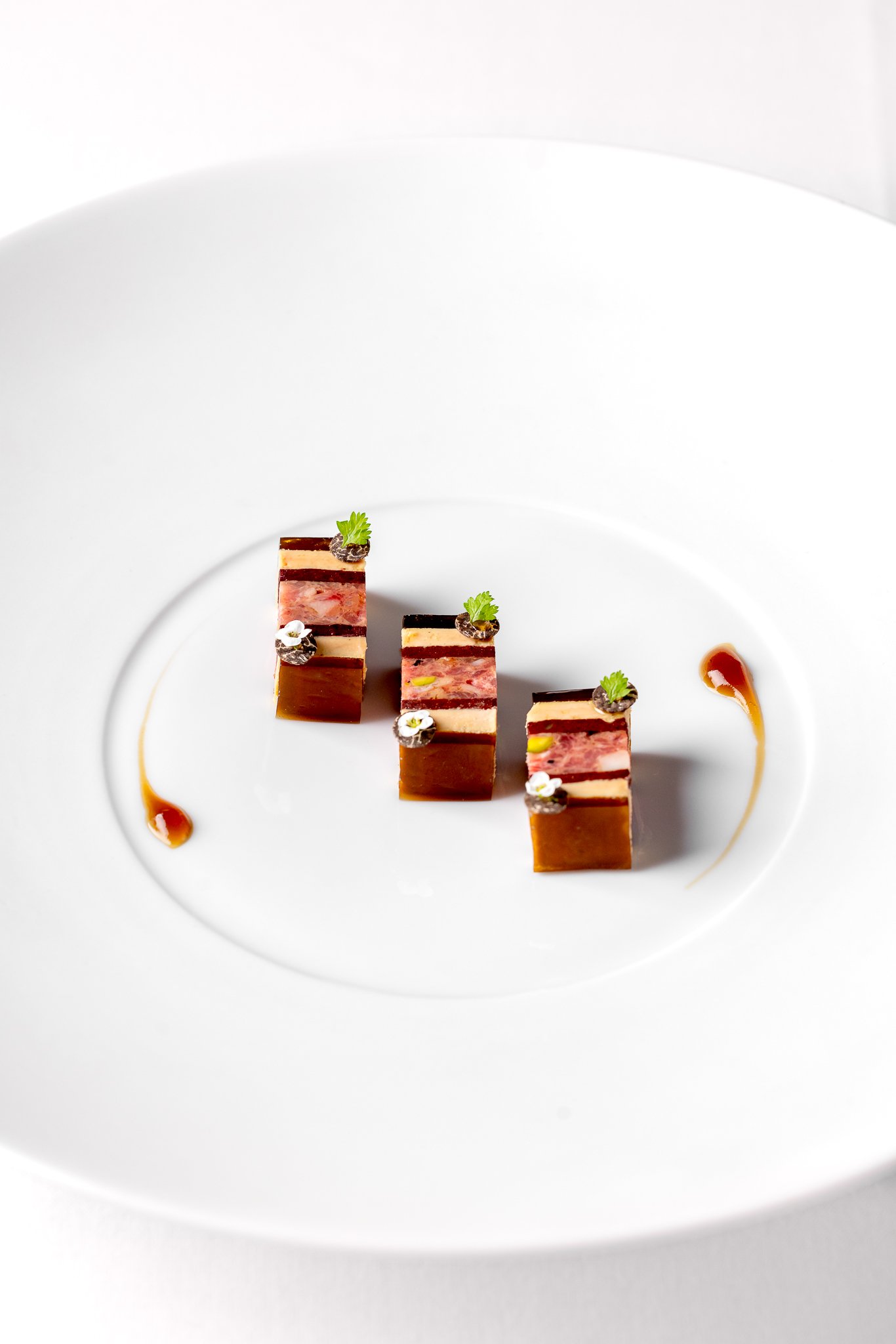
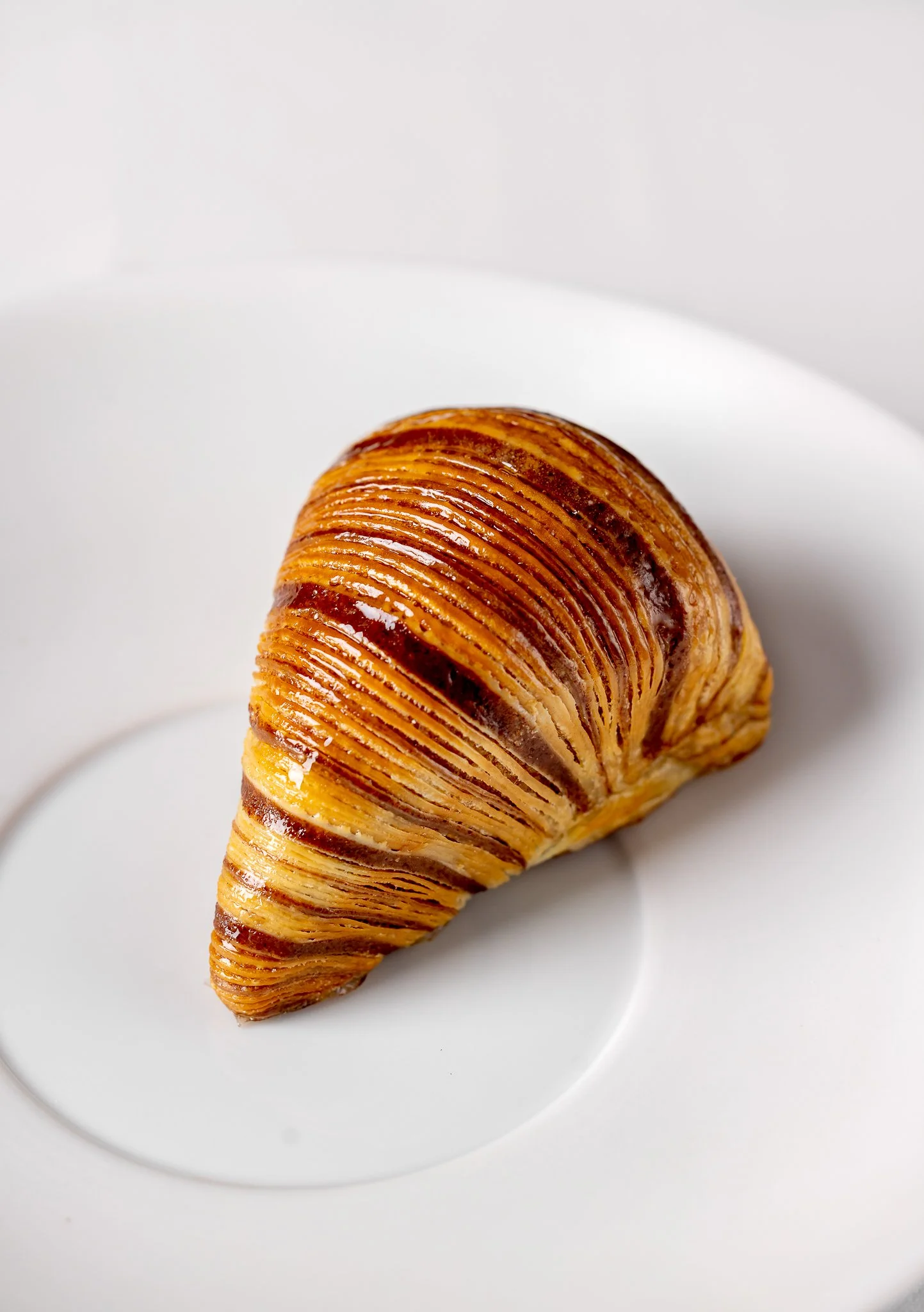
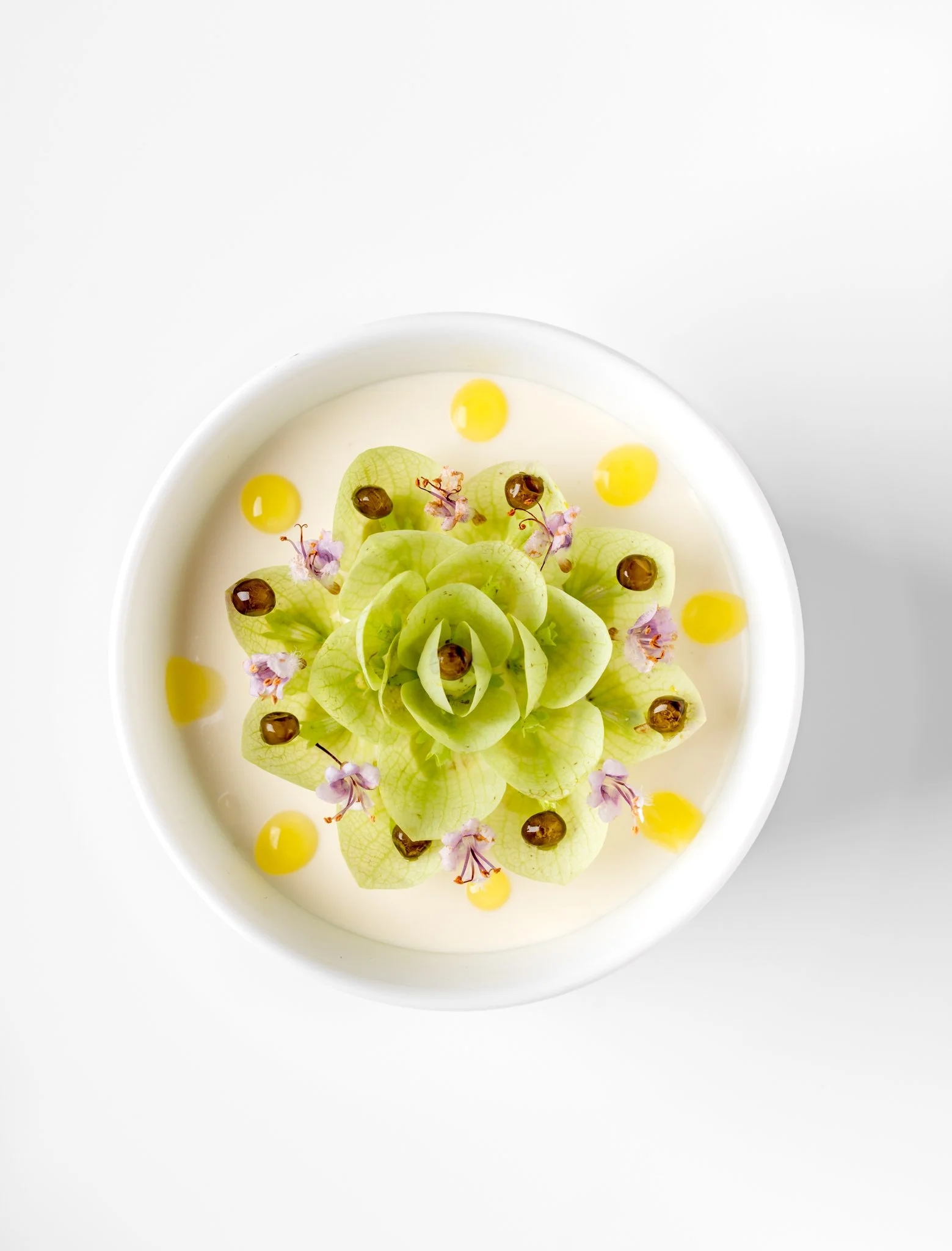
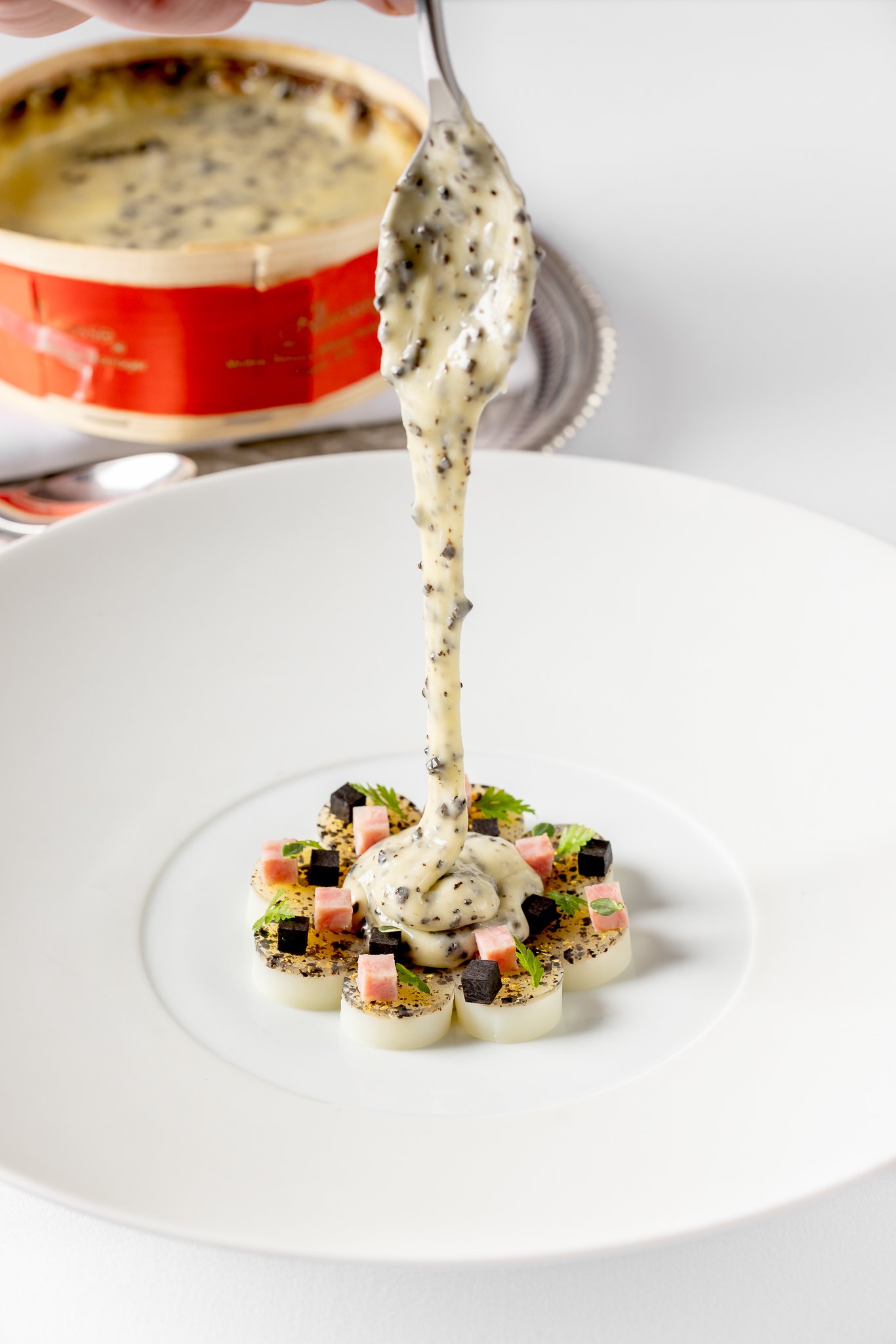
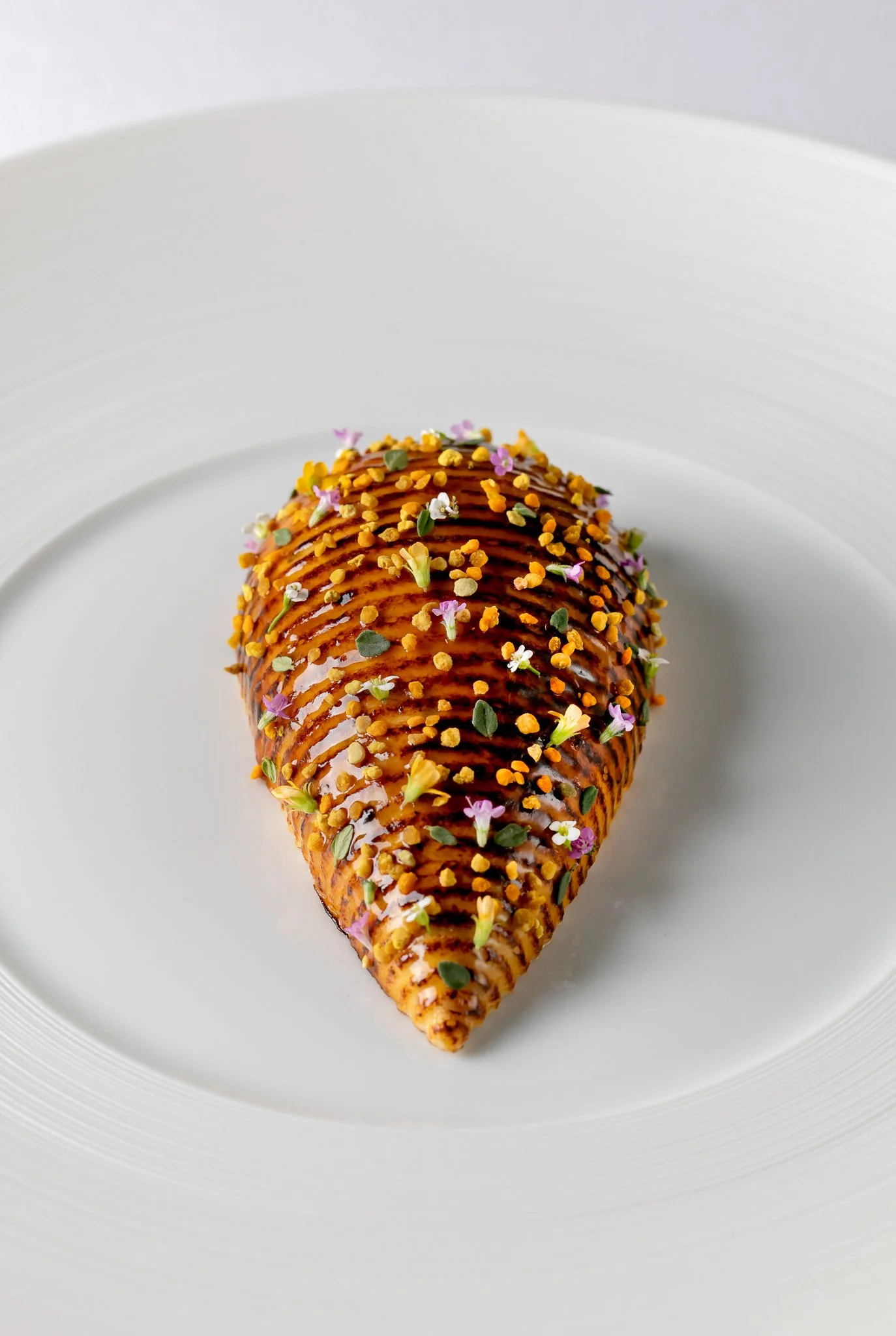
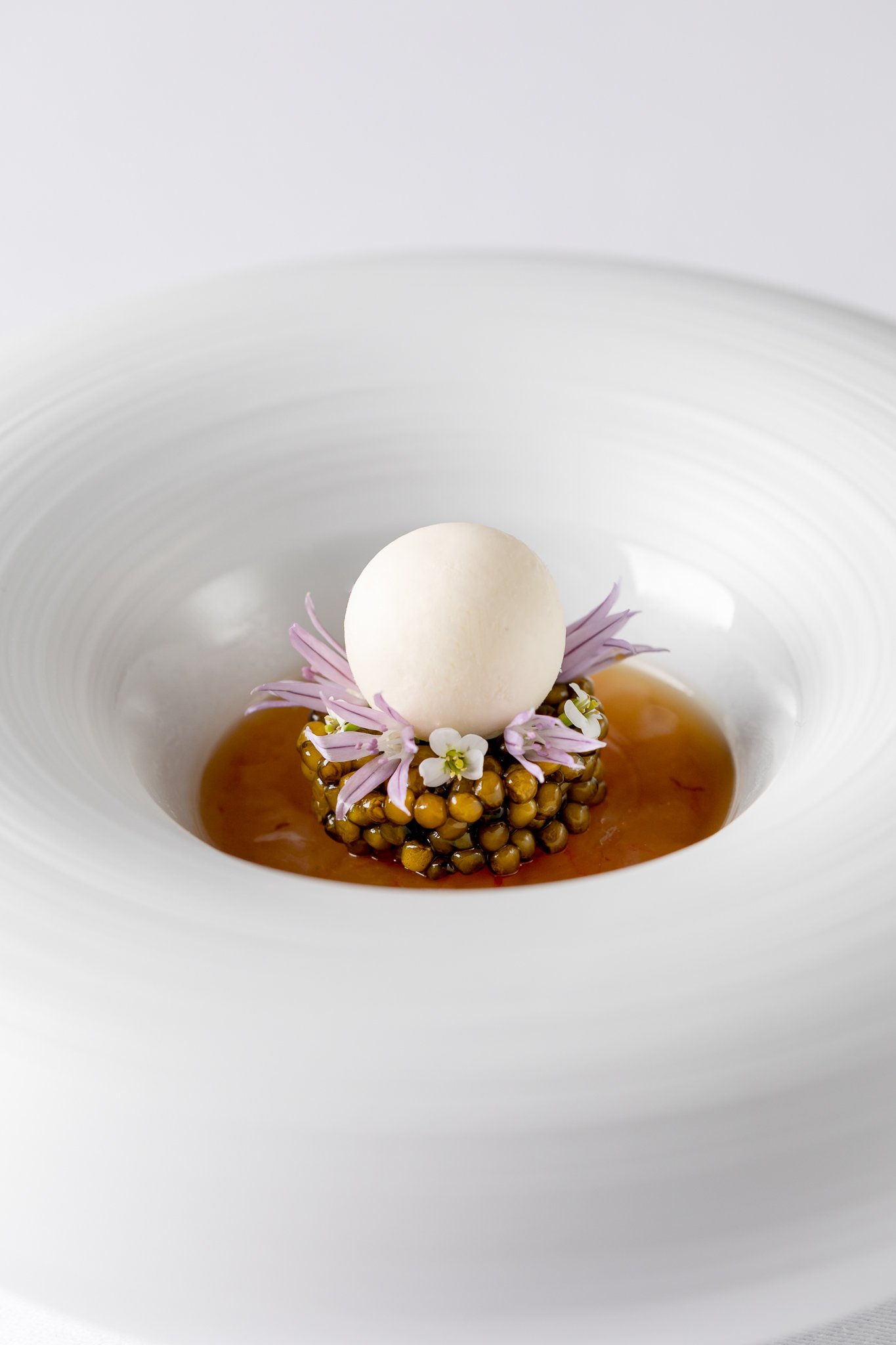
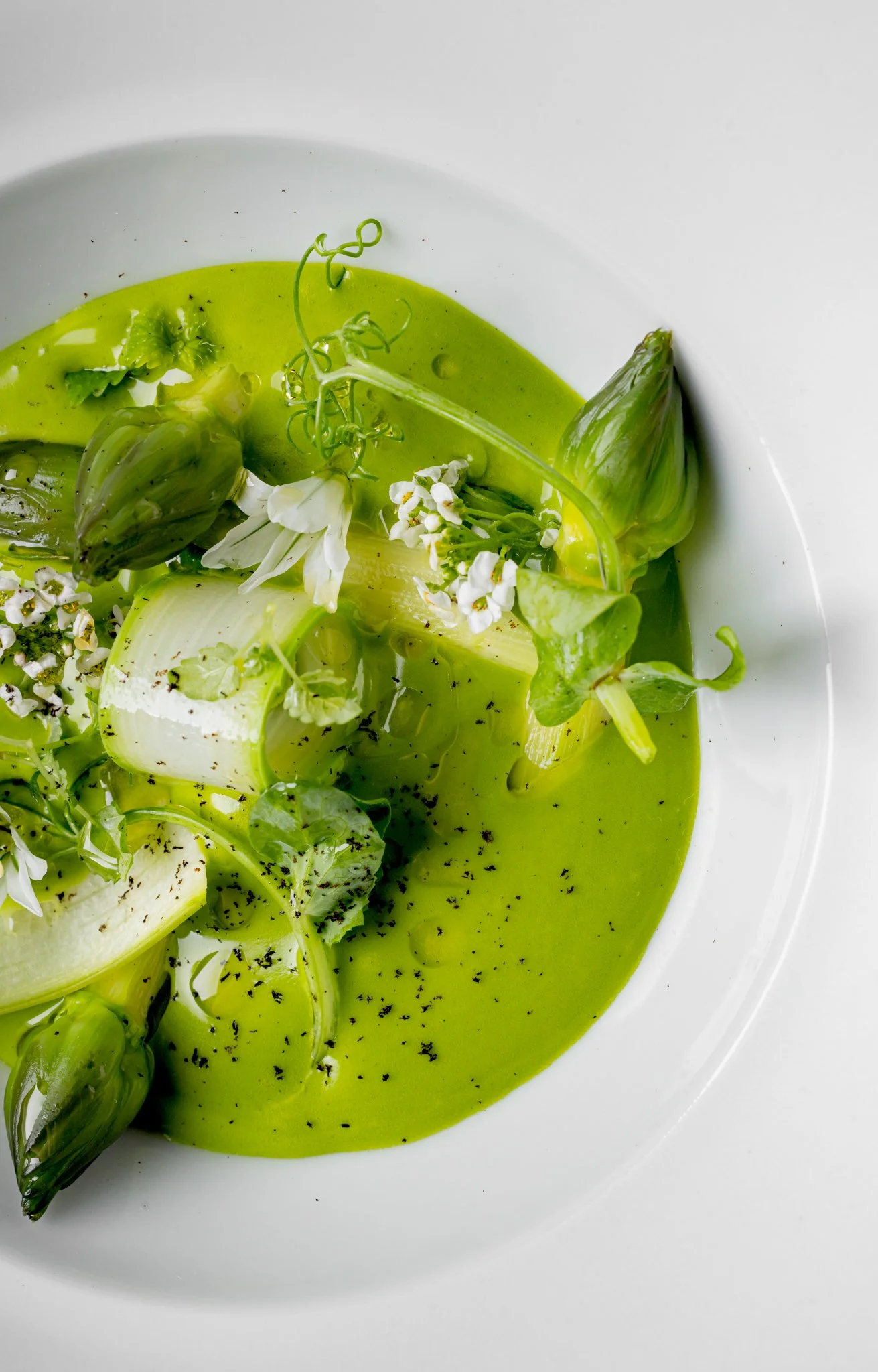
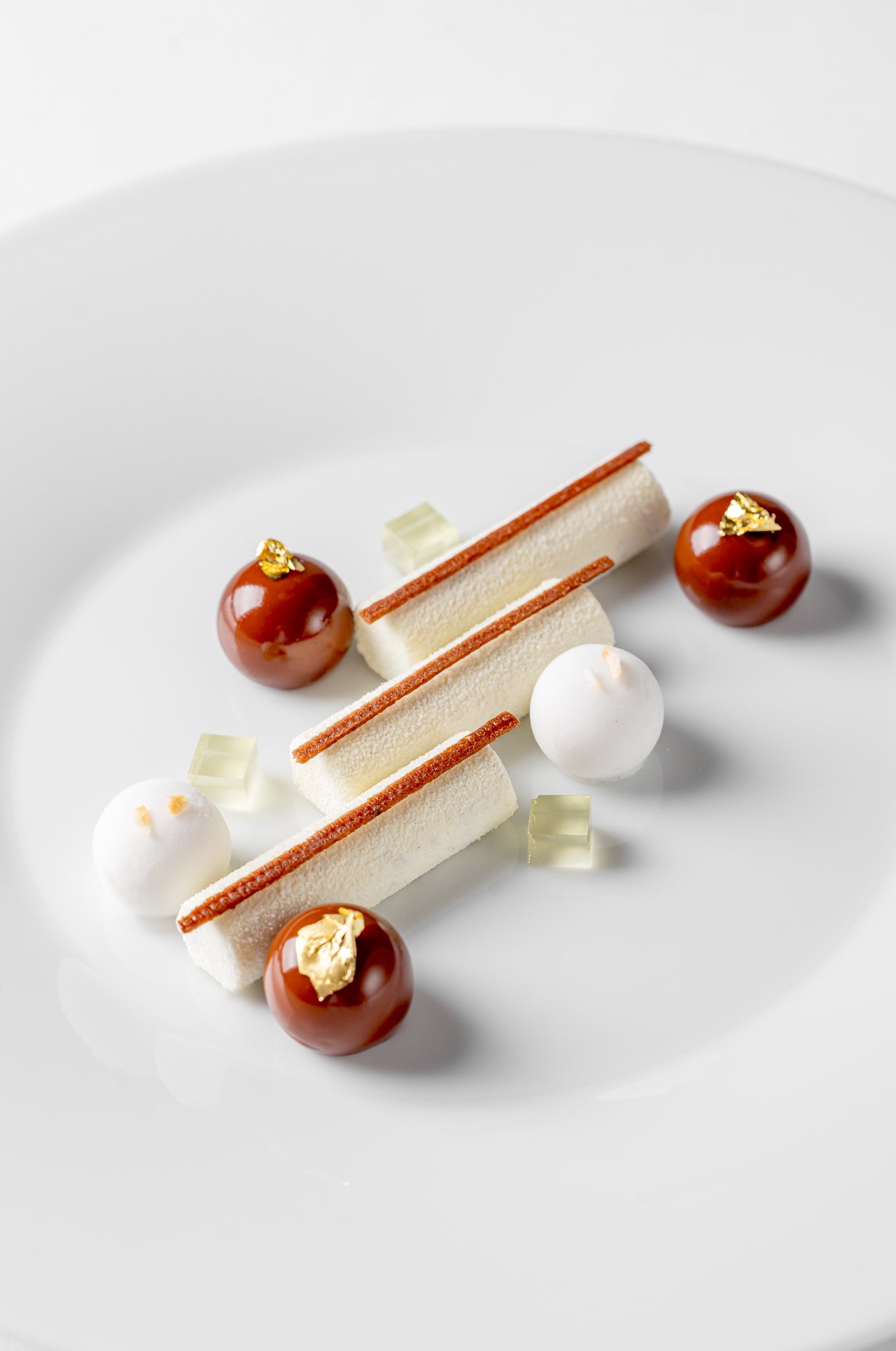
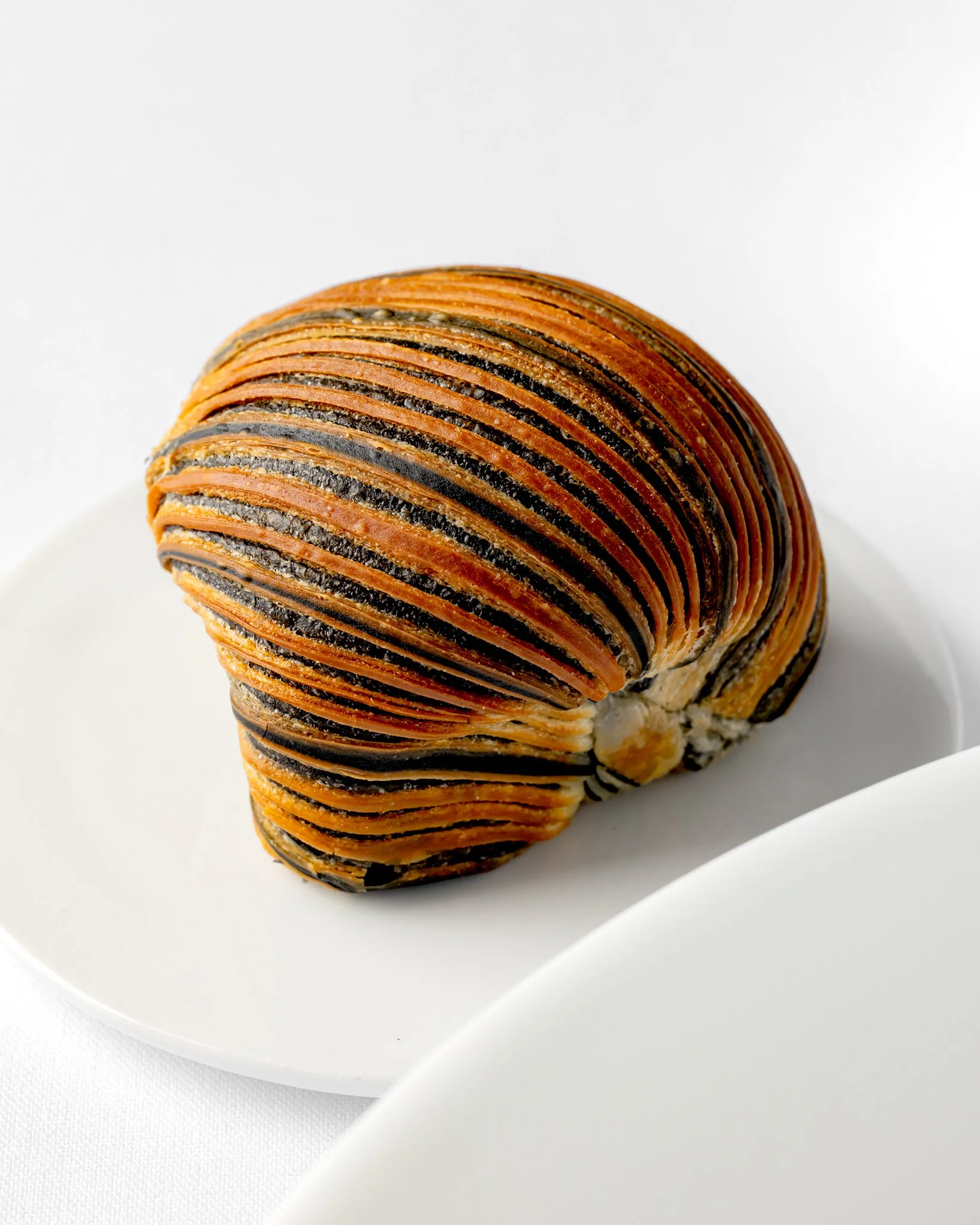
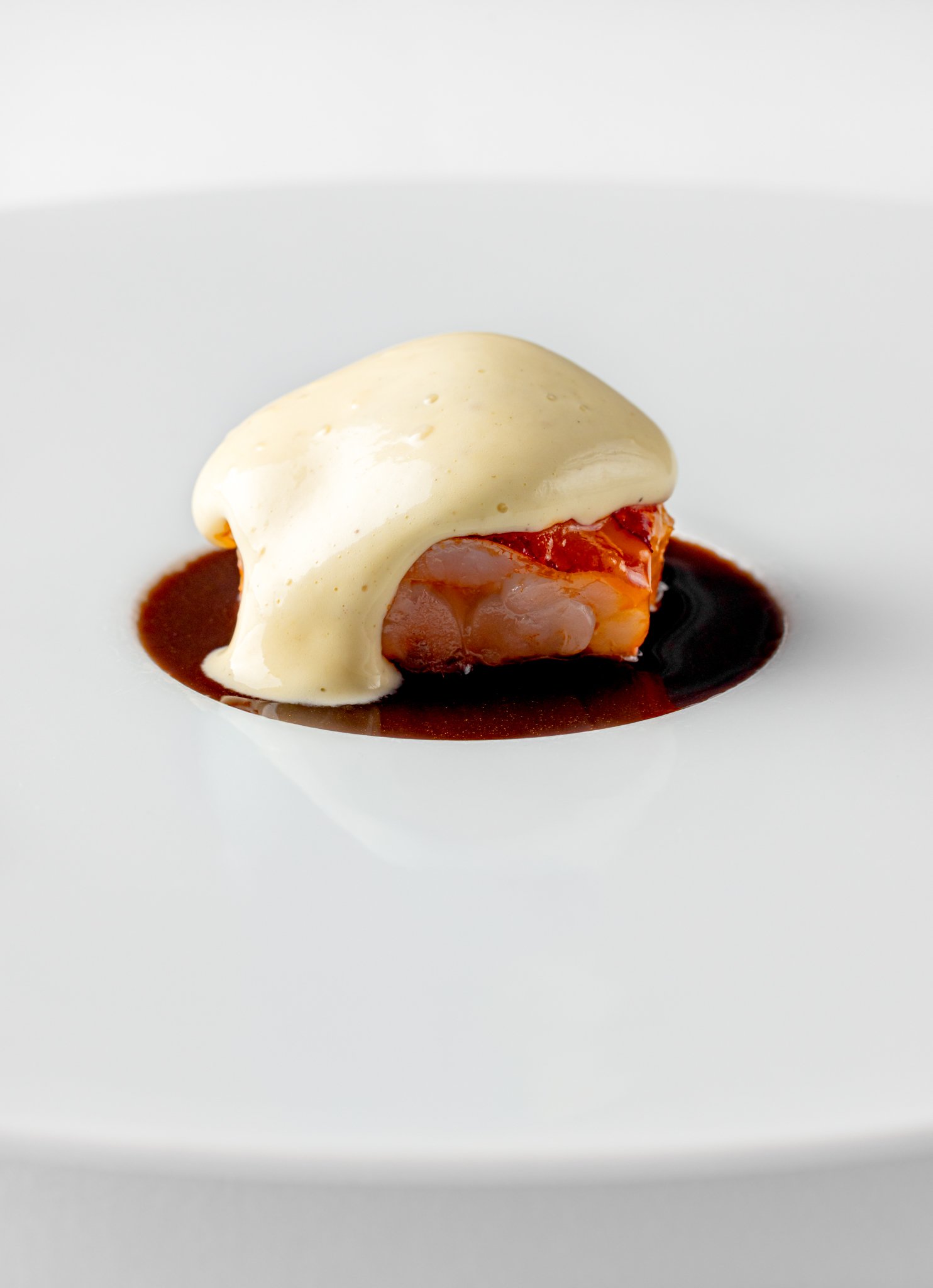
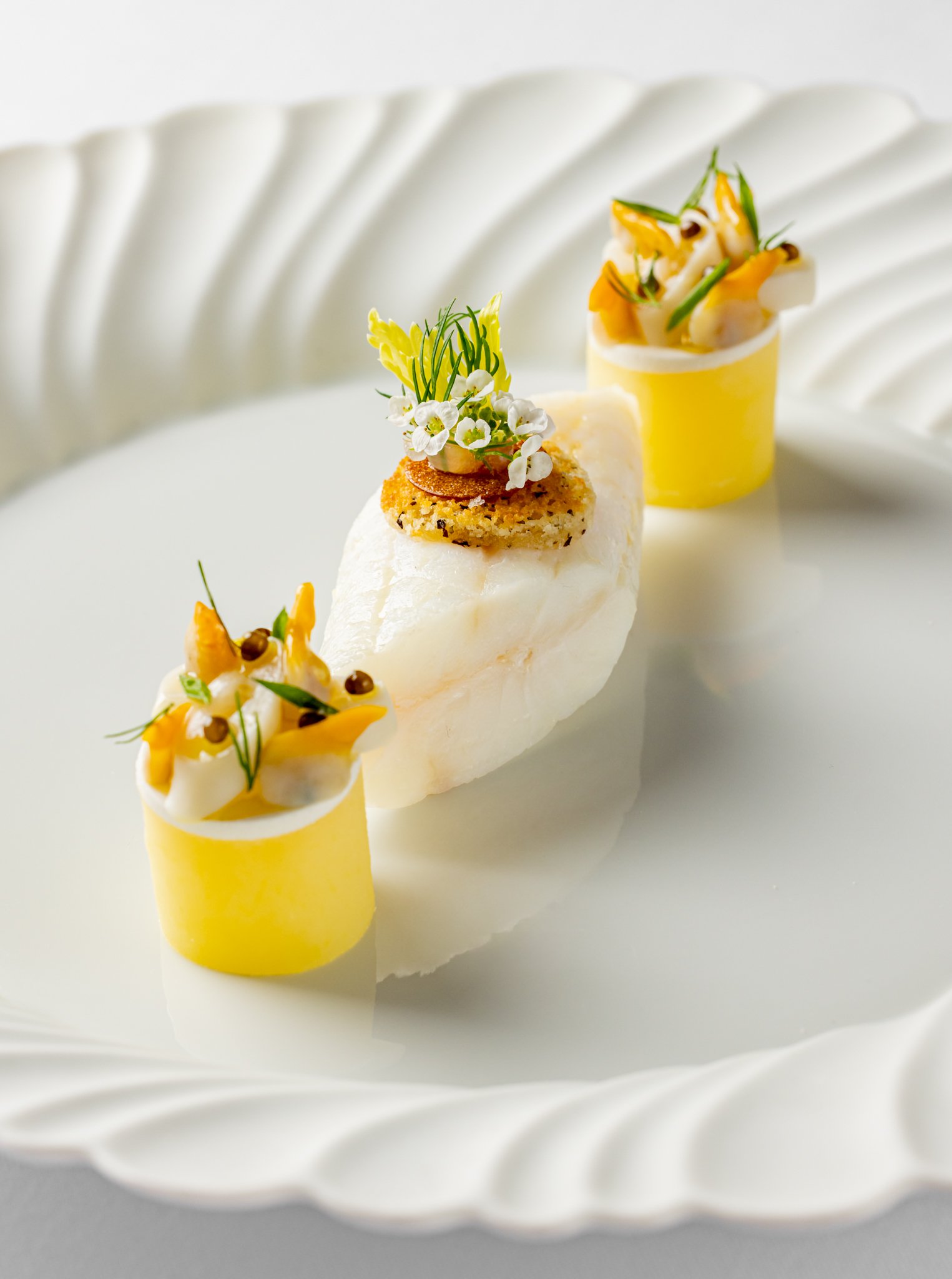
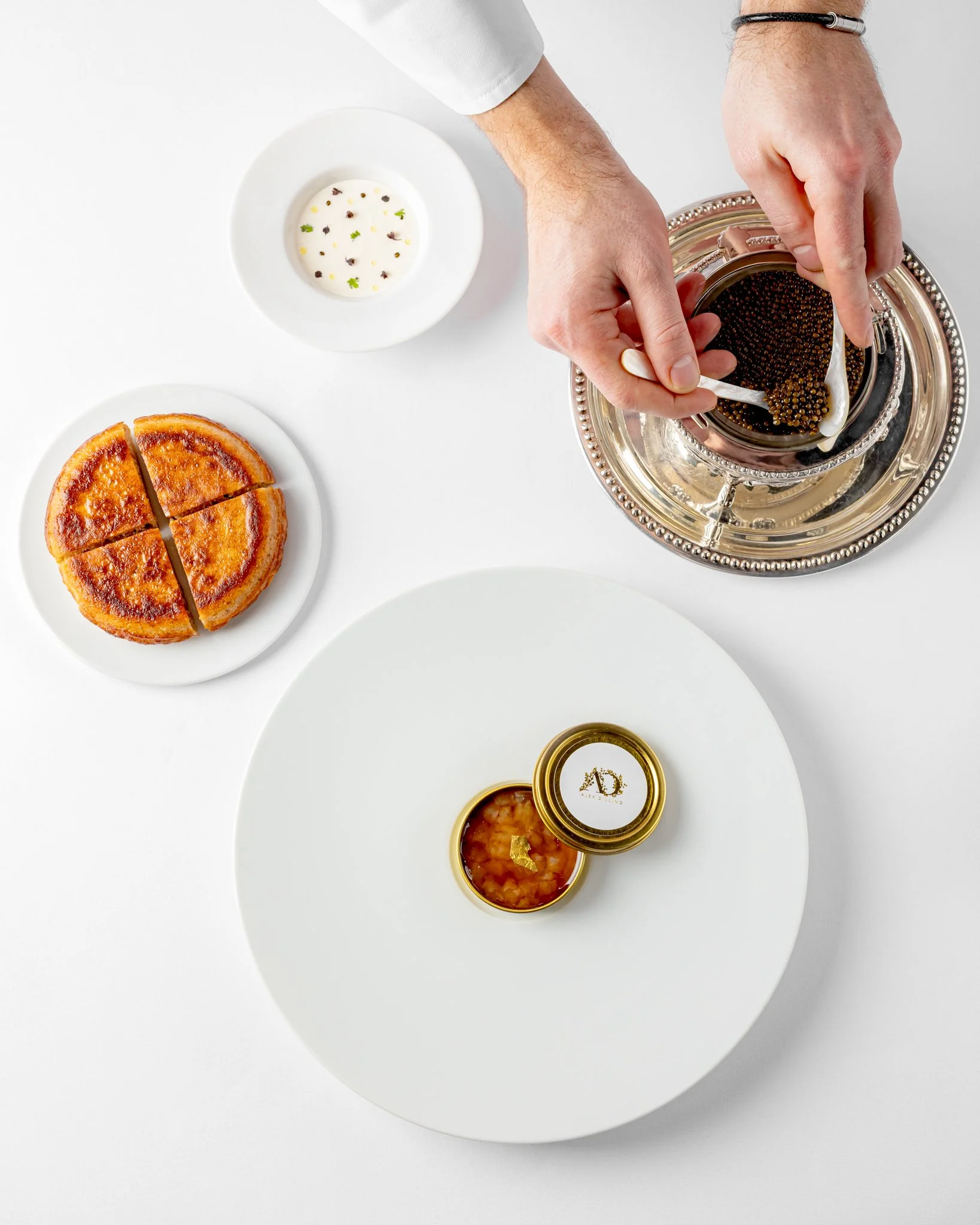
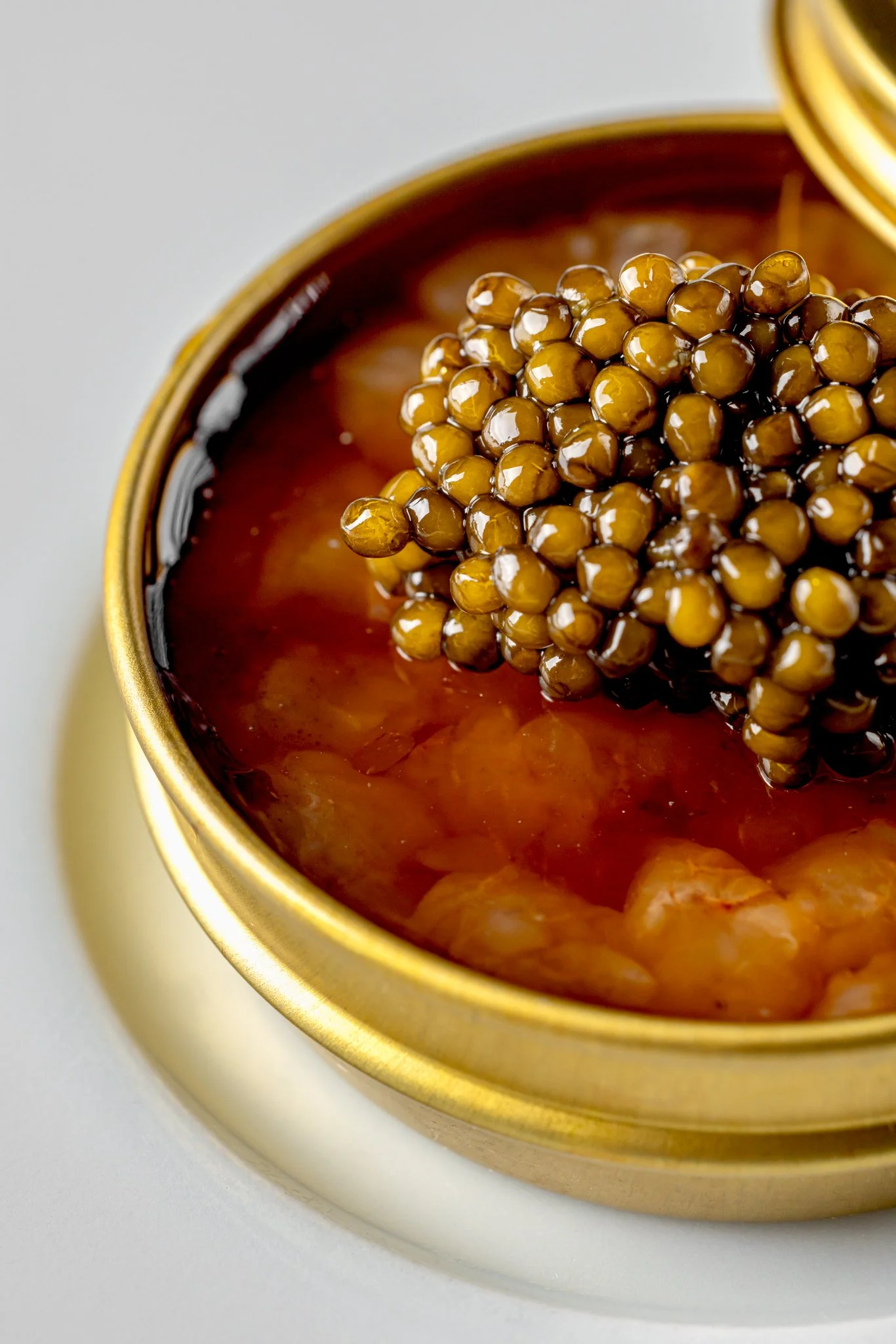
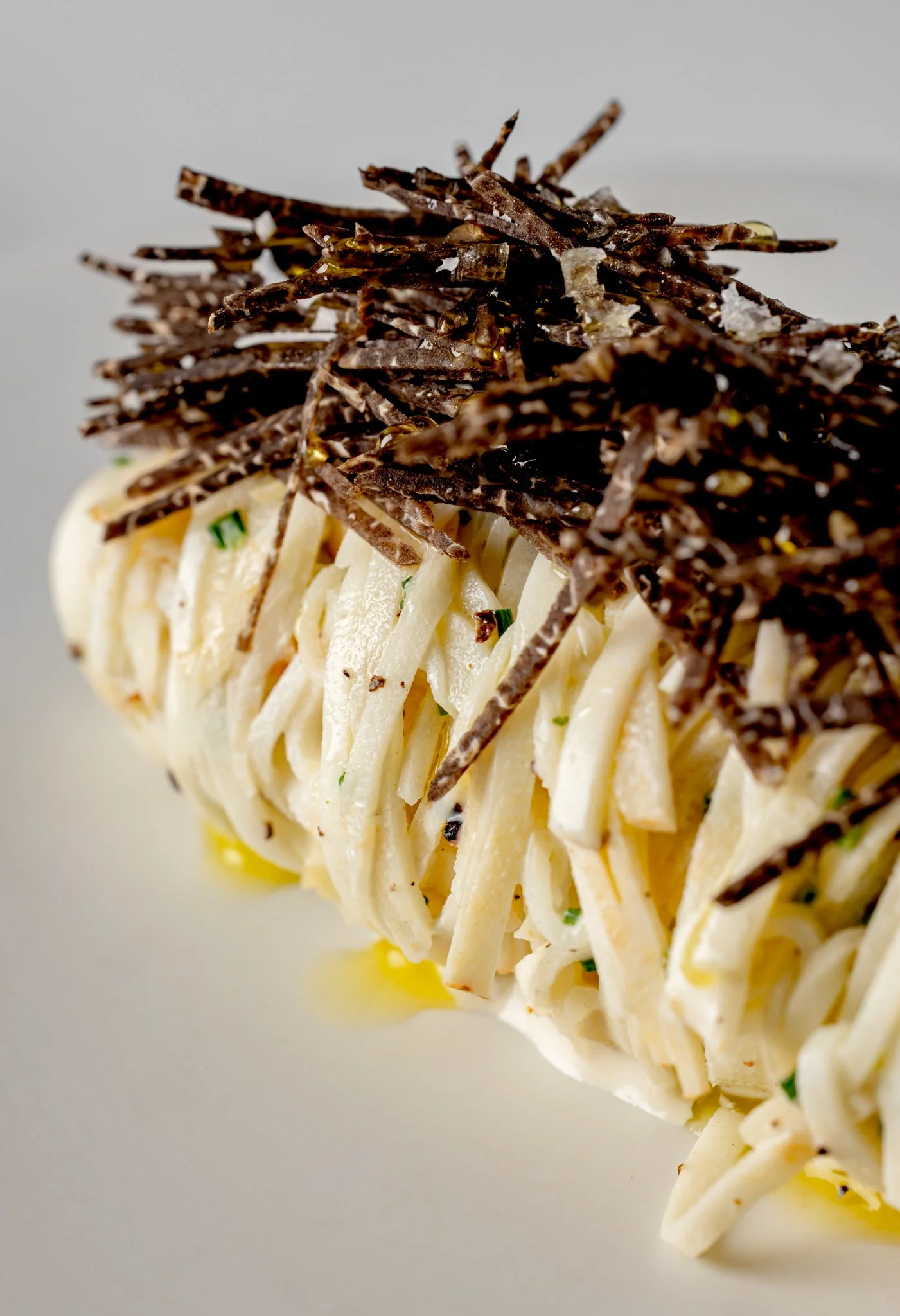
The tasting menu began with Aged Kaluga Caviar, sweetcorn, pomelo and Gambero Rosso — an immediately luxurious combination, but one given lift and freshness by the sweetness of the corn, acidity of pomelo and delicacy of the prawn. It was a fitting introduction to Dilling's particular interpretation of luxury: opulent ingredients, certainly, but never simply presented as proof of their price.
That point becomes important when Dilling talks about what luxury means to him now.
“For me, luxury has never simply meant expense,” he says. “There can be as much luxury in an incredible British vegetable at the perfect point in its season as there is in caviar.”
His definition is increasingly about attention: the sourcing, preparation, service and atmosphere that surround an ingredient. In other words, luxury is not necessarily the ingredient itself, but the amount of thought that goes into making someone experience it at its best.
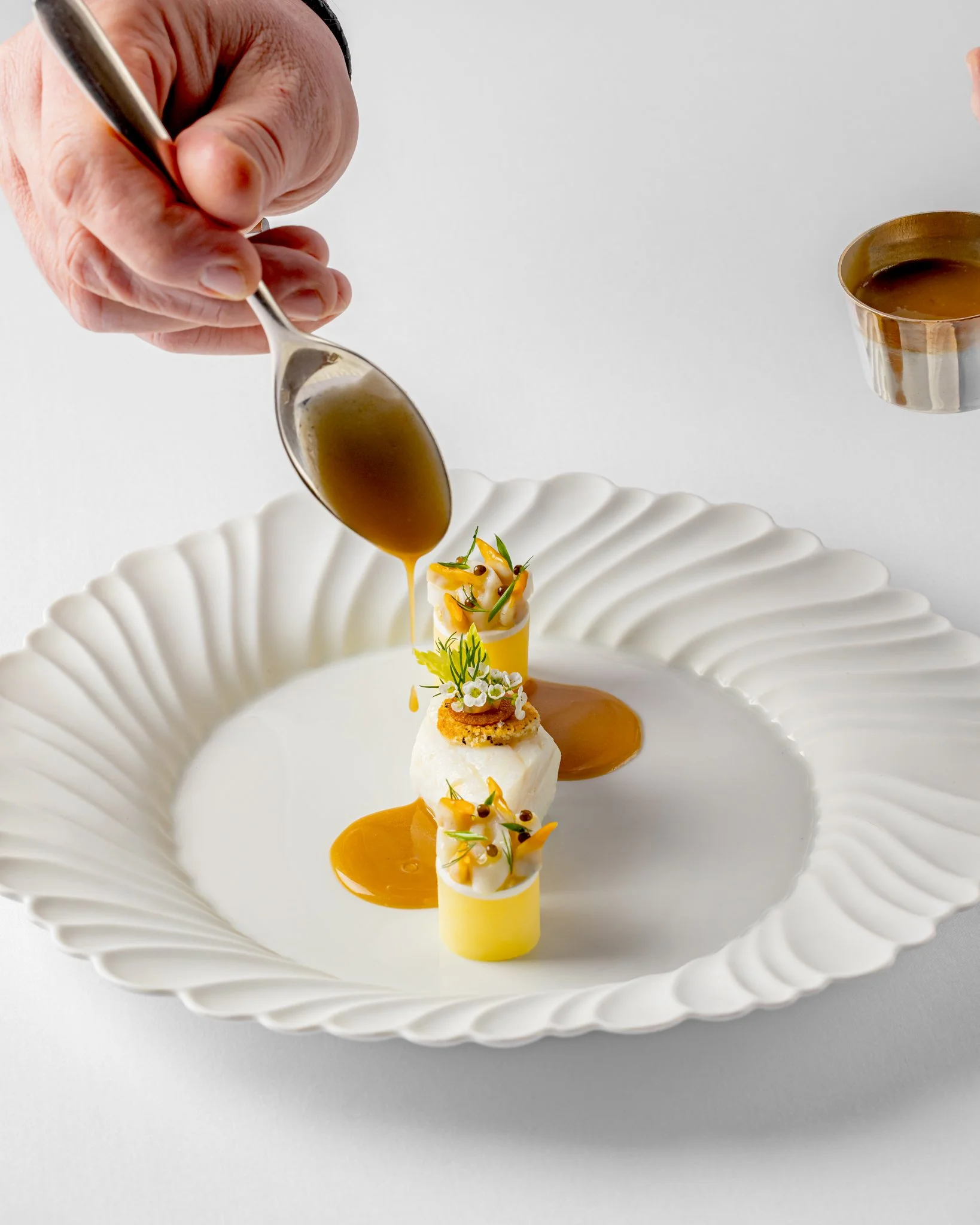
The Cornish Brill with cuttlefish and Basque chorizo demonstrated another side of the menu. There was the refinement one expects from a restaurant of this level, but also a sense of appetite. Dilling is not interested in food that exists simply to be admired. His own test is straightforward: is it delicious?
That may sound obvious, but it is surprisingly revealing. Fine dining can sometimes become preoccupied with architecture, technique and theatre. Dilling seems intent on keeping pleasure at the centre of the equation.
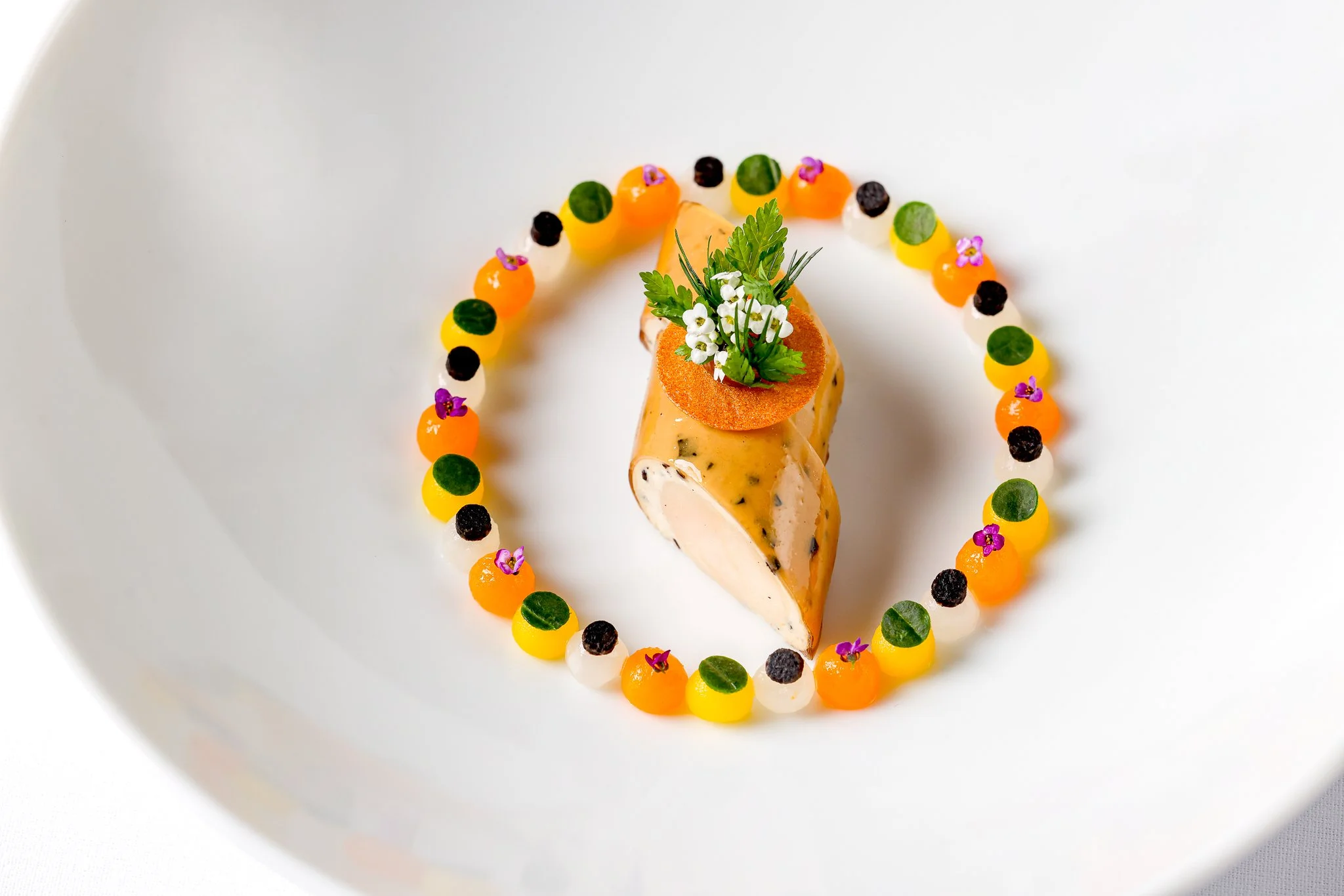
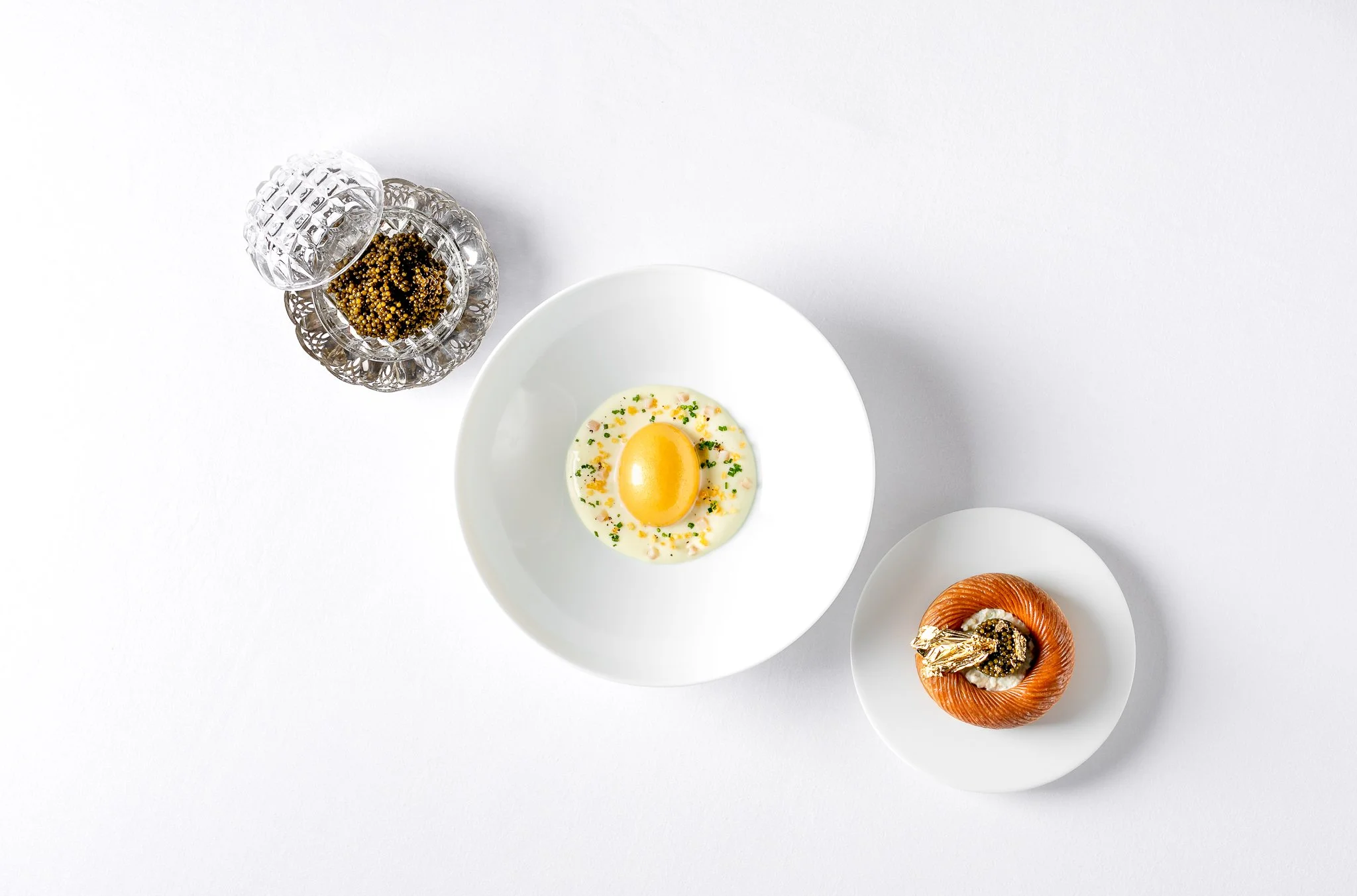
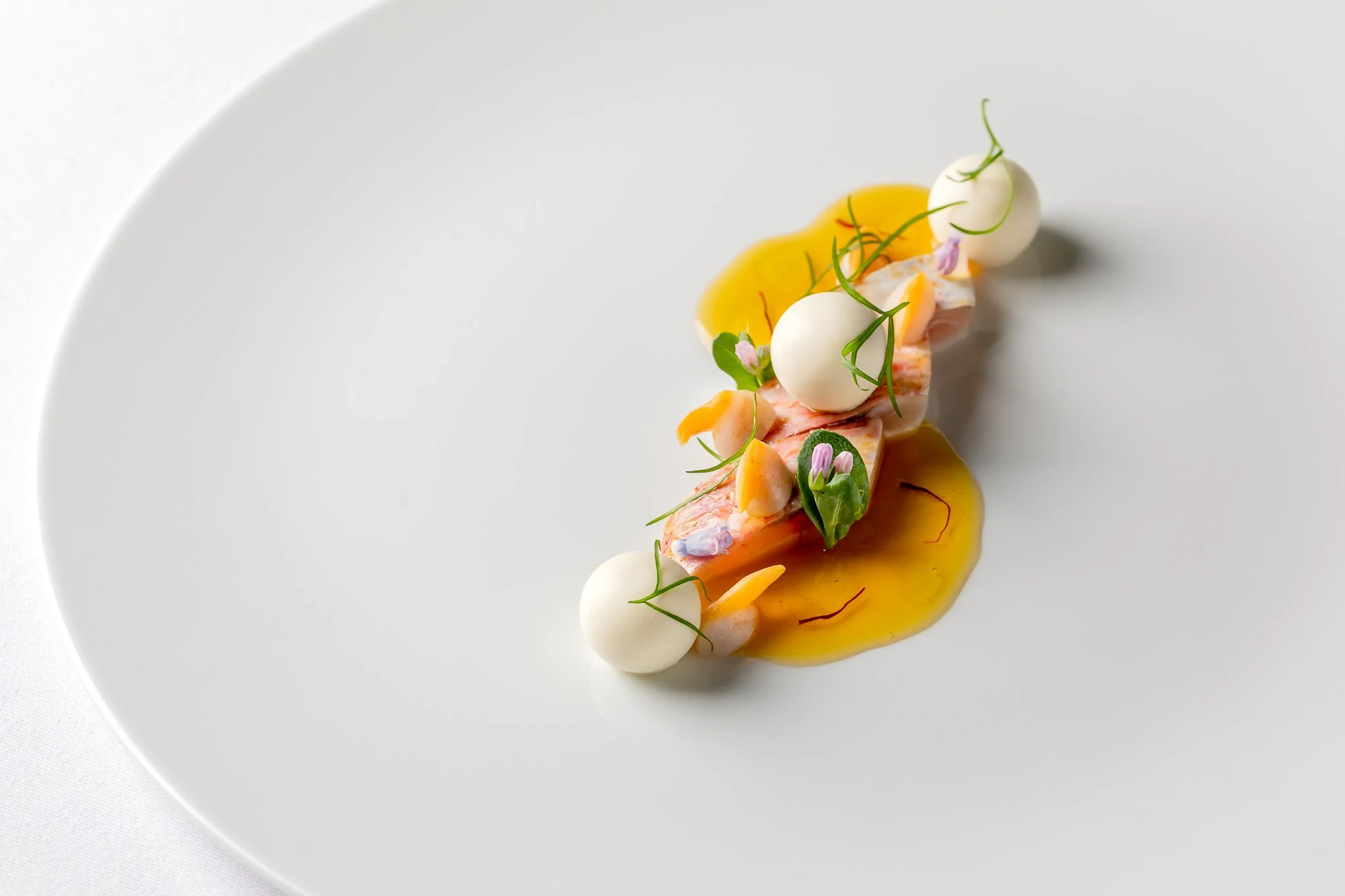
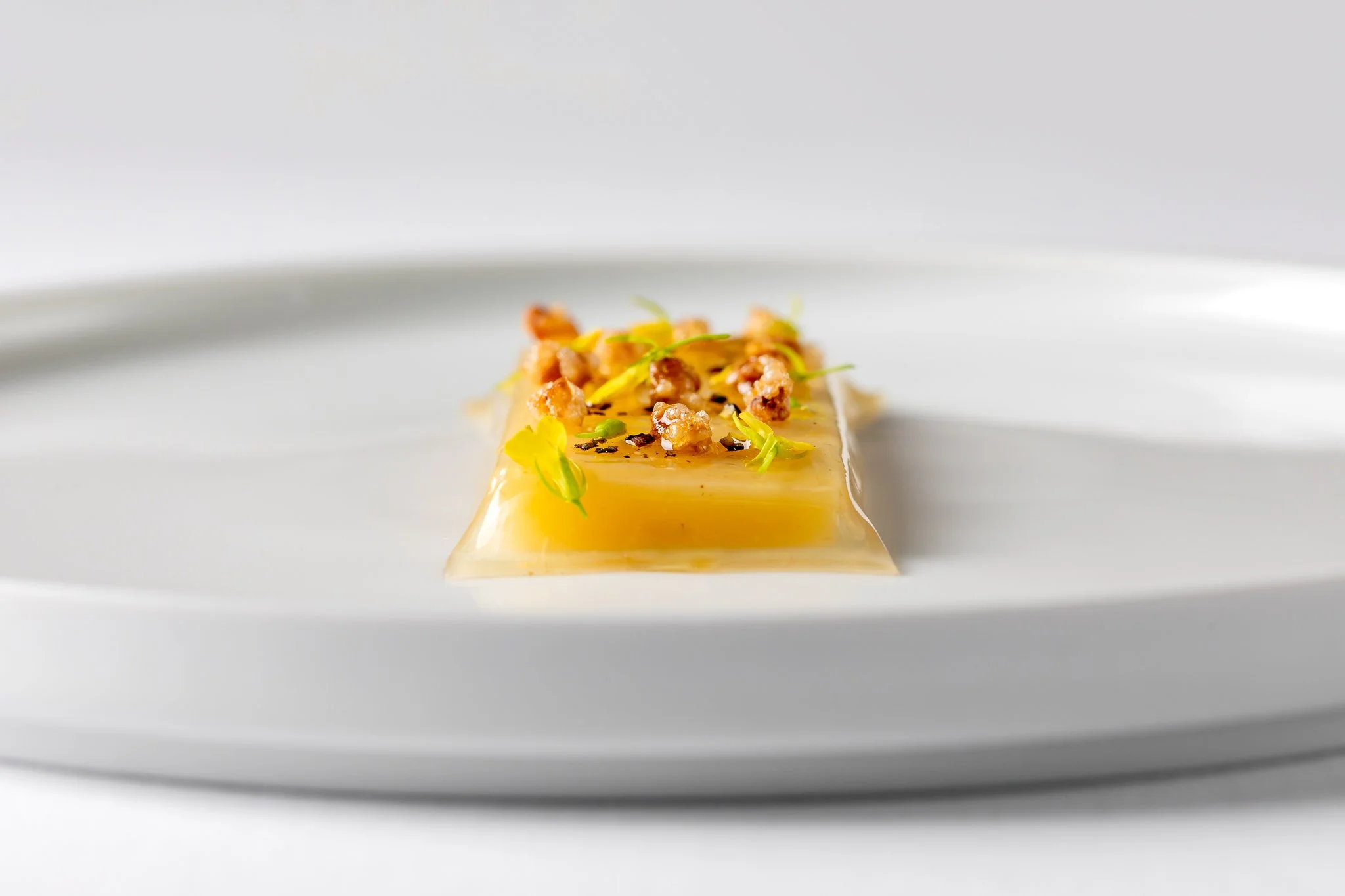
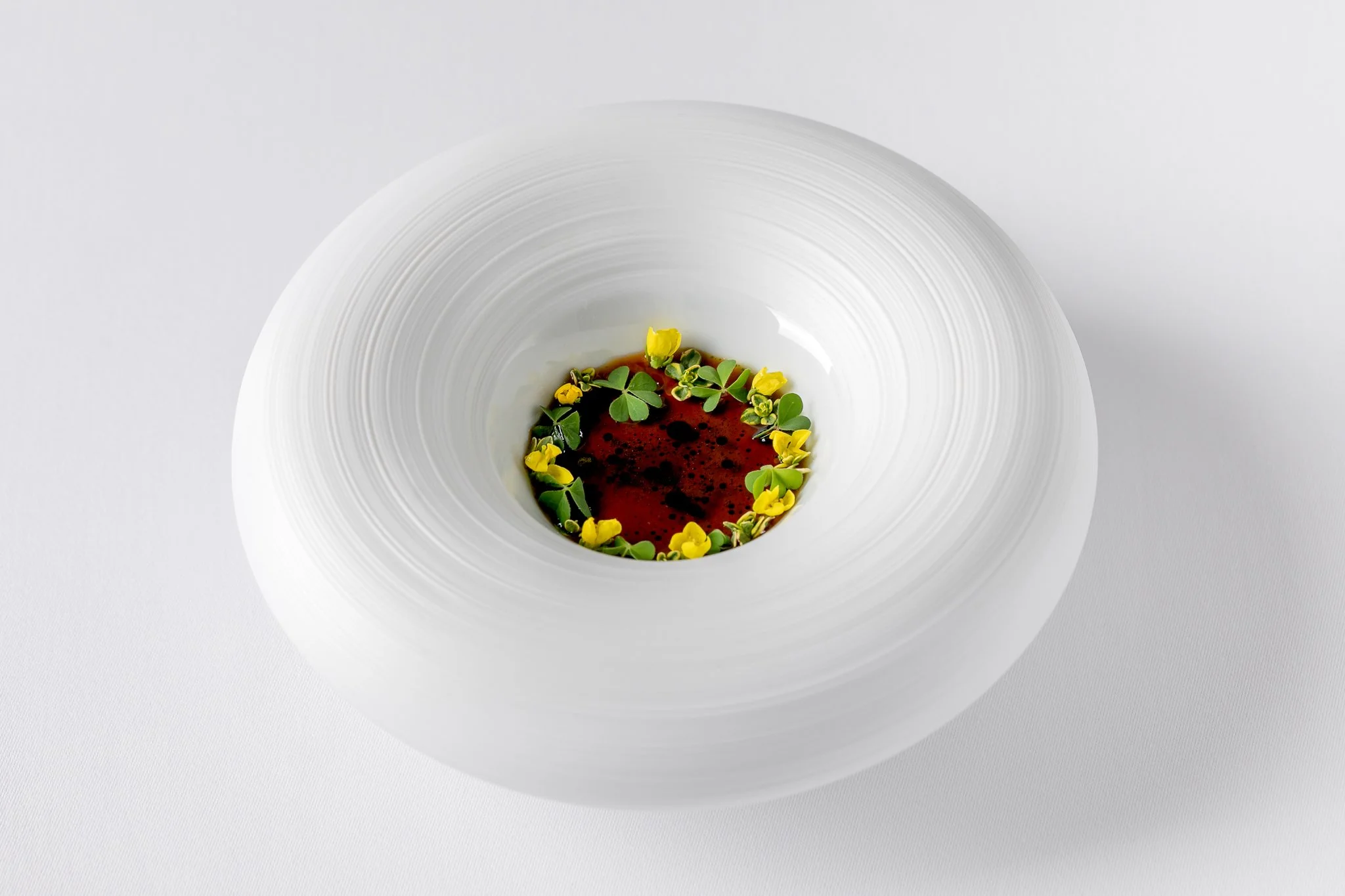
The Hunter Chicken that followed was perhaps the most telling dish of the meal. It is a dish with enough classical DNA to satisfy the chef's French instincts, but enough personality to feel like his own. The Albufera sauce brings richness and depth, while the underlying idea remains recognisable and comforting.
It also illustrates why Dilling's food does not feel weighed down by its classical references. He knows the rules well enough to bend them.
The restaurant itself follows much the same philosophy.
Dilling was determined from the beginning that the restaurant should not simply become another dining room within Hotel Café Royal. The hotel provides the address and the extraordinary history, but Alex Dilling has its own identity, team and point of view.
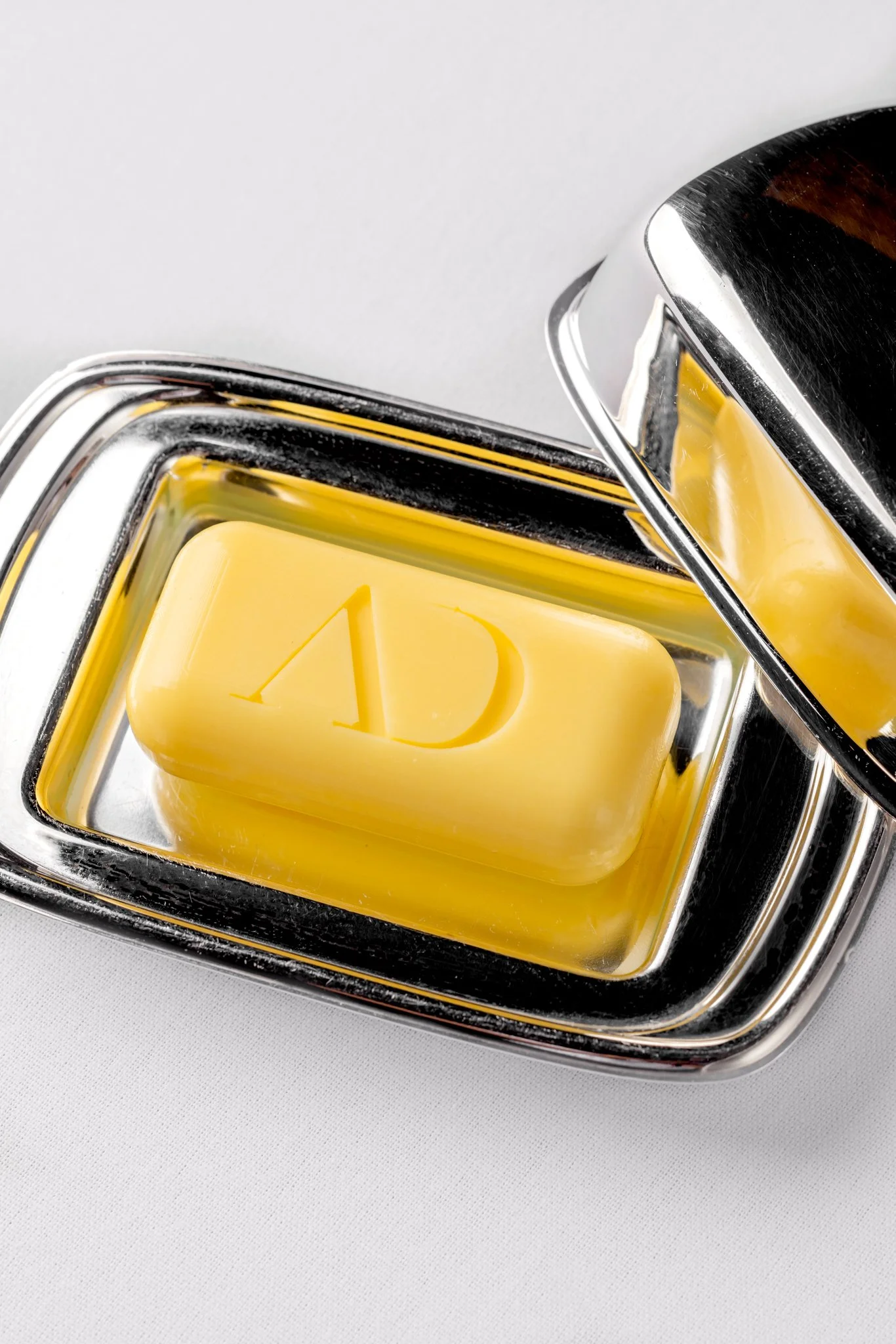
That identity extends well beyond the plate. Dilling and his wife and business partner, Victoria Sheppard, have considered the design, music, tableware and smaller details of the restaurant with the same attention he applies to the kitchen. Some pieces are antiques from their own families; others come from established French silversmiths, alongside details sourced from the British high street.
The result is elegant without feeling overly precious.
That matters because Dilling is equally clear about the kind of atmosphere he wants to create. There is no expectation that guests should arrive knowing the rules of fine dining. The service is polished, but not stiff; knowledgeable, but not intimidating.
“Nobody should feel that they need to know the rules before walking into a restaurant,” he says.
It is an attitude that was apparent during our visit. The experience felt considered without becoming ceremonious for the sake of it. And, perhaps unusually for a restaurant at this level, there was a sense that the team genuinely wanted the table to enjoy itself.
That philosophy is shared with Victoria, whose role extends across the business and the guest experience. Dilling is emphatic that food and hospitality cannot be separated. A technically perfect dish means little if the guest does not feel looked after.
The couple discuss the restaurant constantly, but the structure around them is equally important, with a general manager and head sommelier leading the floor. Victoria's attention to detail is directed towards everything from events and partnerships to understanding who is coming through the door. The restaurant's hospitality is therefore not an afterthought to the food; it is part of the same system.
Dilling's thinking about leadership is similarly modern. He believes the industry has historically made it unnecessarily difficult for talented people to build long careers, particularly through its culture, hours and outdated ideas about leadership. For him, genuine progress will not be measured by how often hospitality talks about representation, but by who is actually sitting in senior positions.
That same pragmatism informs his thoughts on the future of fine dining.
Guests today travel more, eat more widely and have greater choice. A restaurant cannot simply rely on technical brilliance or expensive ingredients to justify the experience. Dilling believes diners need to feel that the time and money they have spent were worthwhile.
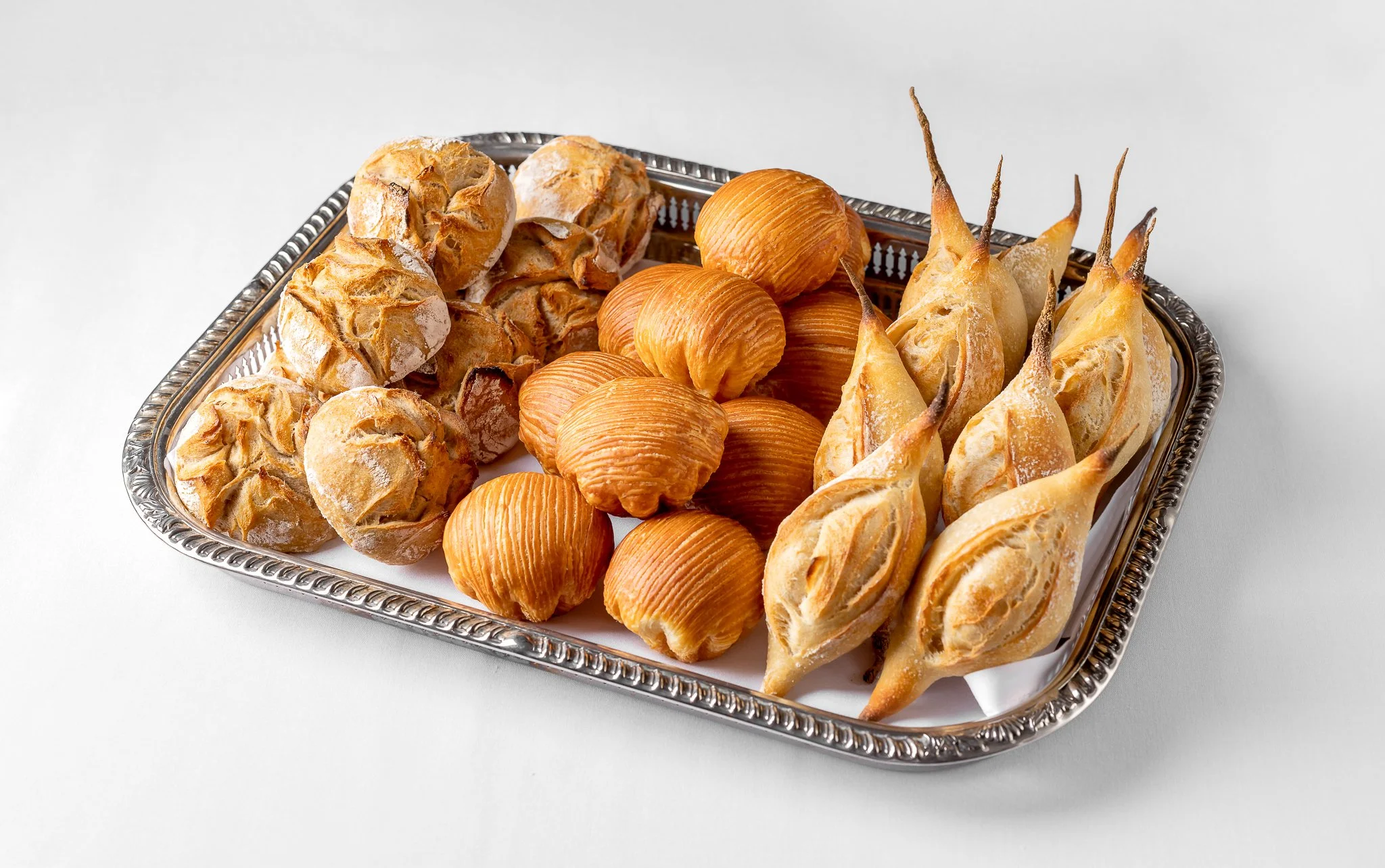
That includes taking dietary requirements seriously. Victoria is coeliac, and the restaurant has developed a substantial gluten-free offering, including three types of handmade gluten-free bread. It is a small example of a broader point: luxury hospitality has to be attentive to the individual rather than simply deliver a predetermined performance.
The final stages of our meal brought that philosophy into sharper focus.
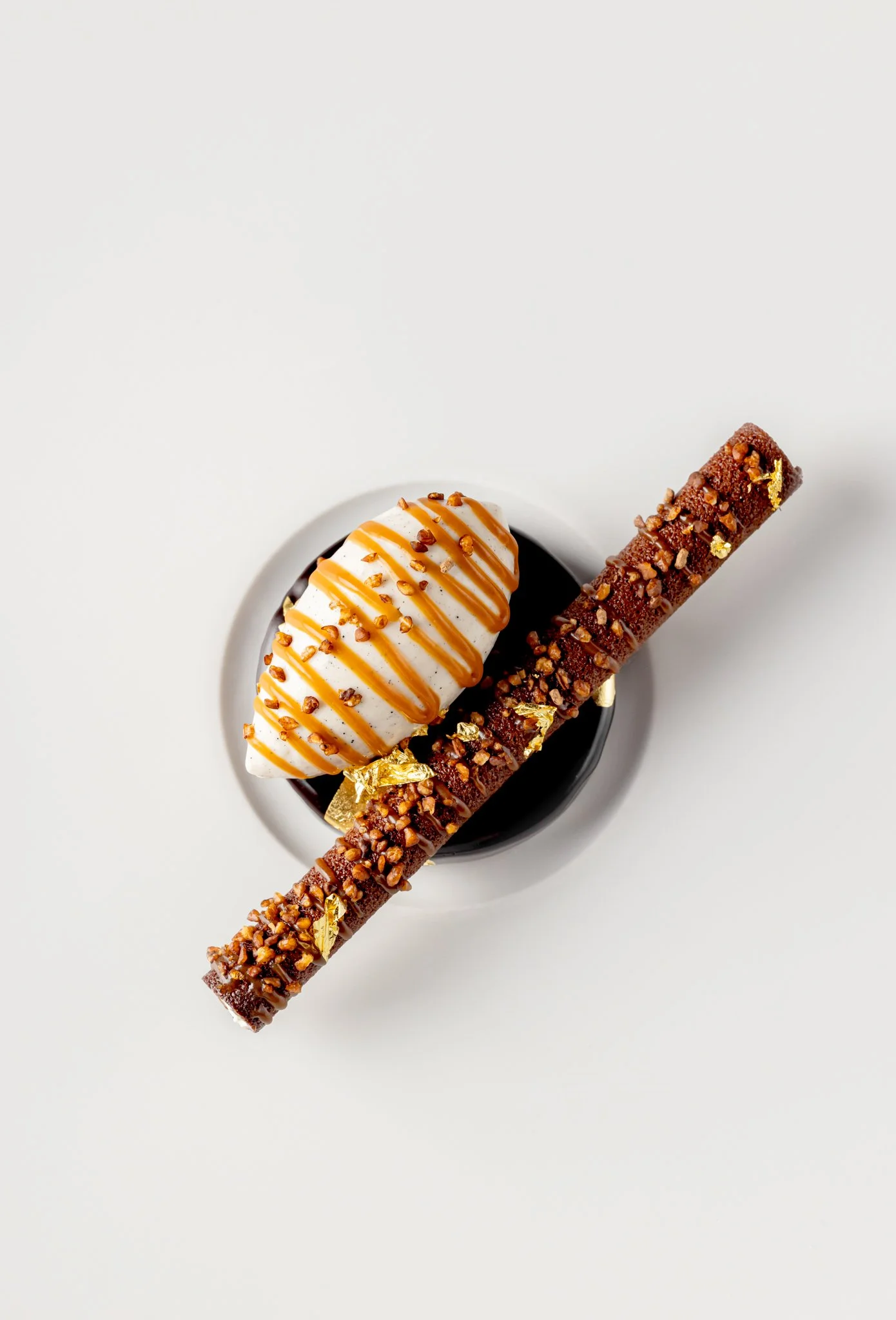
Peru 60% Chocolate with muscovado, sobacha and brown butter was rich but carefully balanced, before Gourmandise à Partager provided the appropriately generous final flourish. The menu had moved from caviar and seafood through the richness of the Hunter Chicken and into dessert without feeling like a sequence of disconnected technical exercises.
For Dilling, that progression is crucial. A tasting menu is not simply a collection of good dishes; it is an experience that unfolds over several hours. Richness, pacing, service and atmosphere all have to work together.
It is perhaps this understanding of the whole experience that best explains the restaurant's success.
Dilling is still obsessed with standards. He still believes in repetition, discipline and the relentless pursuit of improvement. But he no longer believes perfection means controlling everything. Instead, he talks about consistency and progression: whether the dish is cleaner than it was six months ago, whether service can be smoother, whether the restaurant can continue to move forward.
And move forward it does. The menu evolves quickly, sometimes from week to week.
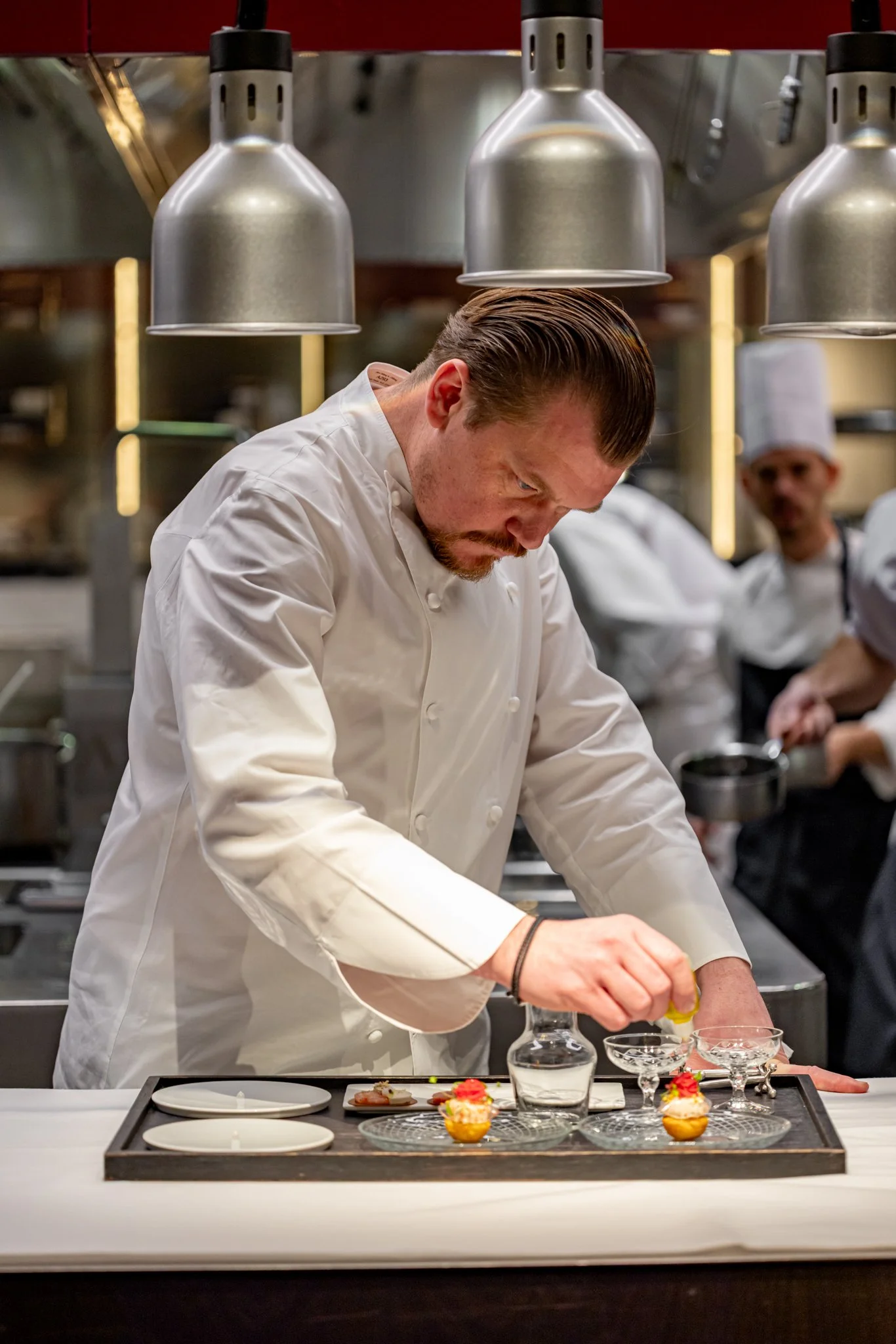
After our meal, Dilling came out to meet us himself, and later took us through the kitchen. It was a fitting end to an experience built around the idea that the restaurant should feel personal. Behind the immaculate plates and two Michelin stars was a chef who was still curious enough to show guests where the work happens.
Perhaps that is the most interesting thing about Alex Dilling at Hotel Café Royal. It is a restaurant with every reason to be self-conscious about its status, yet its chef seems more interested in cooking something delicious, looking after his guests and making the next service better than the last.
Two Michelin stars are the recognition. They are not the point.
At Alex Dilling, the point is the experience.
Alex Dilling at Hotel Café Royal
68 Regent Street, London W1B 4DY
Two Michelin stars | 34 seats
Modern French gastronomy
Tasting menu: £215 per person at the time of writing.
Reservations are recommended. Book a table at Alex Dilling at Hotel Café Royal.