
Cuisine For Kings - London’s Oudh 1722
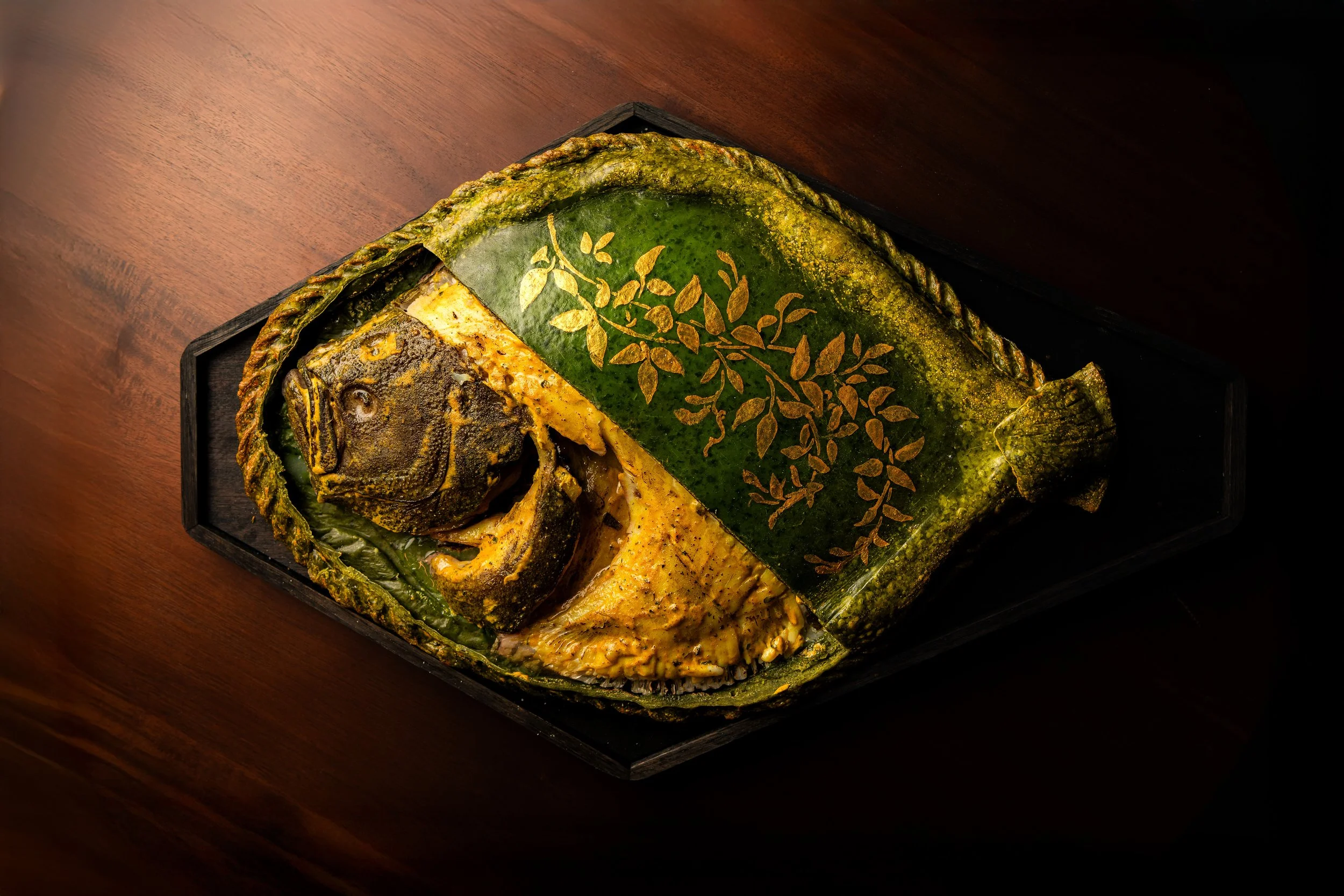
As acclaimed chef Aktar Islam arrives in the capital with Oudh 1722 – his new Indian restaurant – we tuck in for a culinary journey that celebrates the often overlooked region of Lucknow
Words - Devinder Bains
First, let’s get a hard fact out of the way. My mum makes the best Indian food in the Midlands. But coming a very close second is Aktar Islam, head chef at Opheem, the only two Michelin-star Indian restaurant in Birmingham, and one of only two in the UK, and four worldwide.
Living in London, both of these connoisseurs of Indian cuisine are regularly inaccessible to me, which is why my interest was piqued when I heard that Islam was launching his next venture, Oudh 1722, in Borough.
While Opheem’s culinary influences sweep up the best of Pakistan, India, Kashmir and beyond, Oudh 1722 focuses on Awadhi cuisine from the Lucknow region of North India – recognised by UNESCO as a Creative City of Gastronomy. A combination of Mughal, Persian, and Central Asian flavours meets royal traditions and local cooking techniques, which result in aromatic, subtly spiced dishes where texture is as essential as flavour. Islam showcases his take on the region’s famous melt-in-the-mouth kebabs, slow-cooked curries, moreish biryanis, and much more.
With doors at Oudh 1722 opening earlier this month, The Rakish Gent was one of the first to sample the food, drinks and atmosphere at Oudh 1722. So, did Opheem’s younger sibling live up to the family name? And how did their fancy gulab jamun dessert compare with my mum’s traditional, sweet and sticky masterpiece?
Even before you enter Oudh 1722, there is a clear message that this is not Opheem, and maybe any attempts of comparison should be left at the, somewhat difficult to spot, door. Unlike the original venue in Birmingham, where you can’t miss the bold signage and can even peek through the windows at diners in the decadent setting, here in Borough, blink and you’ll miss the entrance to the listed, Victorian building. Once inside, the three floors are a maze of contemporary, relaxed interiors and soft lighting, which gives the feel of a trendy New York townhouse rather than an old-school fine dining establishment. That’s not to say that the link to Indian heritage is lost. The warm colour palette of neutrals and greens, natural materials and bespoke ceilings make the antique pieces sourced directly from Lucknow look right at home. So, comparisons with Opheem stop here, you could say this is an edgier, younger cousin rather than a copycat sibling.
Once we’ve confirmed our reservation on the ground floor, we head to the third floor bar, melting into plush, oversized armchairs in the speakeasy-style lounge. Choosing from the cocktail menu is fun; reading through the flavours of South Asia that have made their way into the drinks – be they fresh takes on classics or unique concoctions dreamed up by the Oudh 1722 team of mixologists. We opted for the Sharma Chai – a cream sherry cocktail with masala cordial and naan bread distillate – and the mango chutney Margherita with mezcal, tequila, mango chutney and chilli. Both drinks are as refreshing as they are innovative, with every flavour listed coming through with each separate sip.
After the cocktails, we made our way down to the dining area on the second floor, which spans a number of small connecting rooms and feels more intimate than the ground floor open-plan space with display kitchen. The restaurant offers 80 covers, and both floors have tables for pairs and groups. We took our seats near a corner of the middle room, as waiting staff and the sommelier rushed between tables replacing drinks and dishes for diners who had bypassed the bar and were well into the hefty taster menu.
In hindsight, if we had paid more attention to the generous quantities of food, we may not have gone so hard on the first of what would be six courses – many of which included multiple dishes – all full-sized portions rather than smaller taster versions. And with one of us being a pescatarian, full-sized alternative dishes were provided in addition to the default dish on the menu.



What ensued was close to three glorious hours of eating and drinking, where the non-stop desire to keep the tastebuds happy fought the gut’s need for a pause in the culinary agenda.
The first of the starters was the deliciously fresh shorba, a traditional soup with peas, asparagus and wild garlic – brought out in both lamb and mushroom varieties. This was followed by the ‘Naashta’ course, translating as breakfast in English, the first element of which was a single gol guppa – a round, hollow, crispy fried shell stuffed with potato, sprouting moong and a spice and herb filled jaljeera watery soup – so brittle was the casing that it shattered on entering the mouth leading to an explosion of flavours. Second, was a giant selection of pappad (papadums) served with tangy chutneys – so moreish that we didn’t leave a single crumb on a plate that started life piled so high there was a fear of toppling every time we moved.
Stuffed with pappad, it was time to move onto the first of the kebab courses. The gilawat kebabs, which are famous for their soft, mousse-like texture, are reported to have originally been created for a toothless Lucknow royal who insisted on being served kebabs. They look firm but spread like butter when you take your knife to them. We were served both lamb and mushroom varieties with warm, paper-thin roomali roti. Having never tried this dish before, it was as surprising as it was succulent, with the lamb version being one of the highlights of the whole meal.
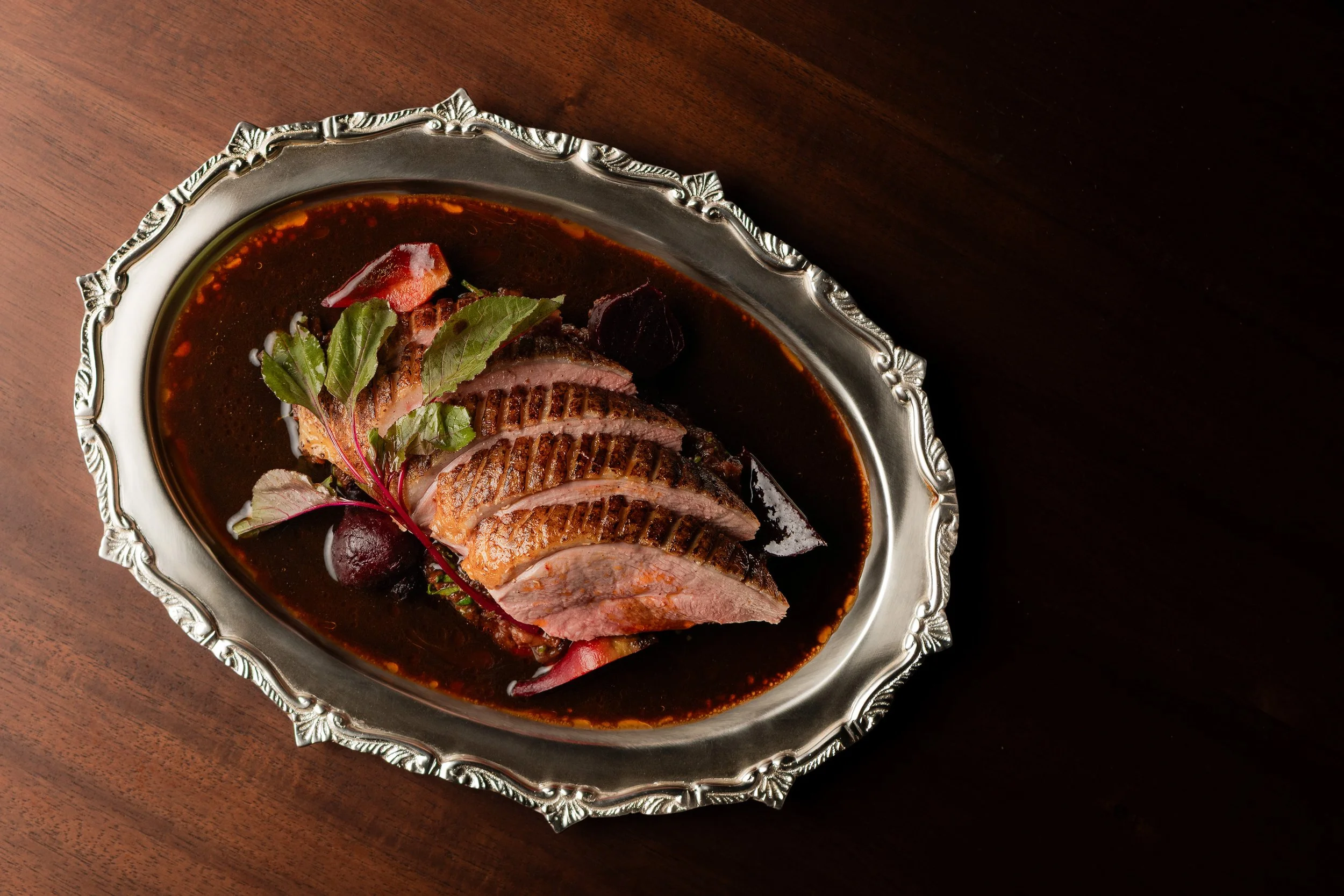
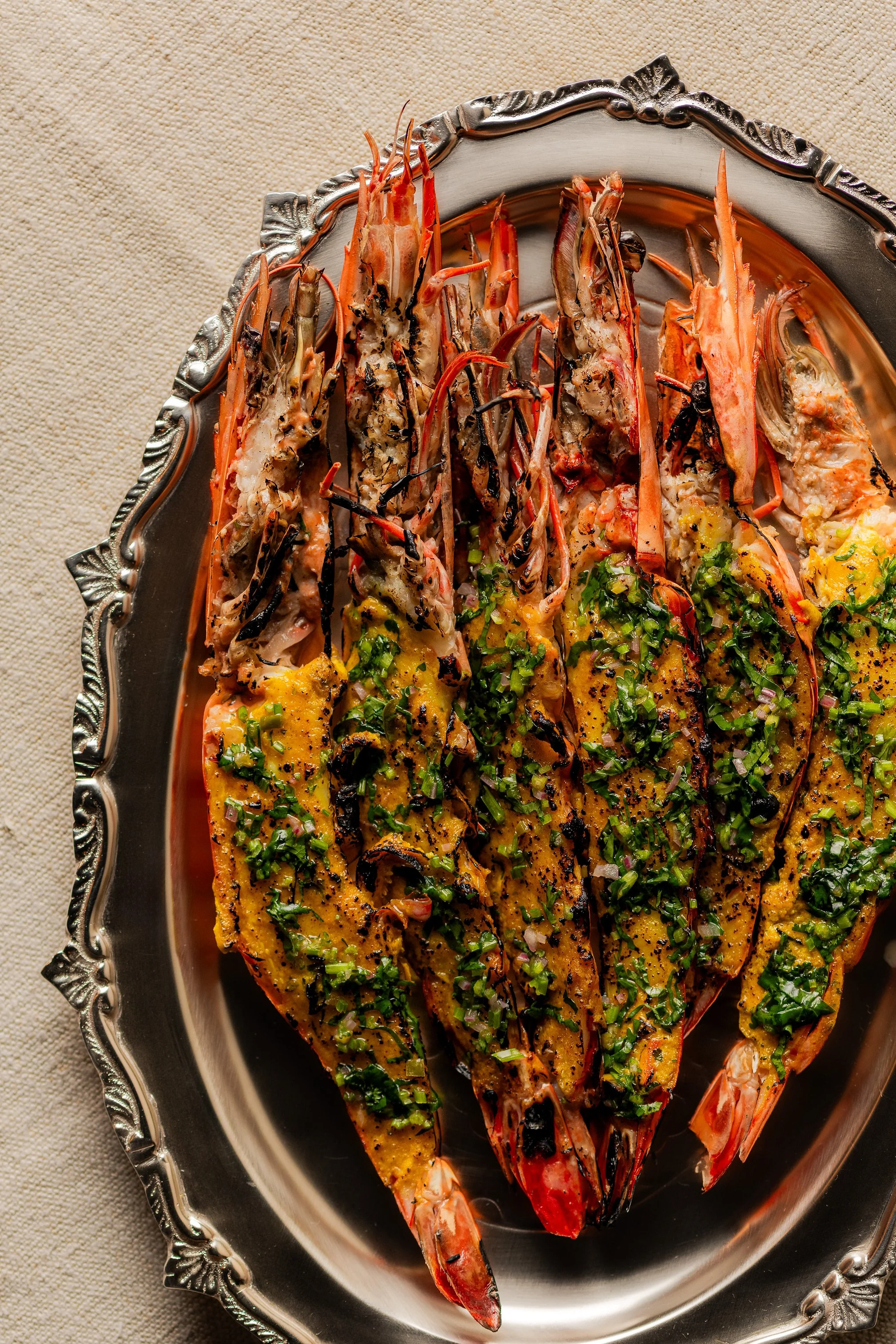
The selection of charcoal and grilled kebabs came next, exhilarating every one of the senses. The malai murgh (chicken leg marinated in cream, cardamon and black cumin) came with the big yellow foot still attached, that didn’t put us off the juicy, tender meat, which fell off the bone with ease. The stunning aroma of the chaap (marinated lamb cutlets with pomegranate seeds and cloves) came through in the taste, the meat itself surprisingly light but filling. The lasooni jhinga (king prawn with garlic and raw mango) looked as exquisite as it tasted, and the dahi paneer with cultured cream and fenugreek had a strength of rich flavours which were balanced out by the luxuriously soft texture.


It was definitely time for a breather, we finished the glasses of English sparkling that had been served when we arrived at our table and let the sommelier choose our next drink from over 300 bottles of wine on offer, the list largely focussing on small, independent estates.
Before we knew it, dishes from the ‘Dum & The Curries of Awadh’ course of the menu started to arrive – complete with additional non-red meat alternatives. We worked around the table, dipping pillow-soft garlic, coriander and ghee naan breads in and out of the the creamy yellow lentil dal sultani, the fragrant machhli qaliya (Awadhi fish curry), the kaddu ki qorma (pumpkin korma), and mopping up every last bit of the standout dish of the night; the silky, butter chicken-style gulnaar (tandoor chicken with smoked tomato and cream).
In addition to all the curries, were two versions of the slow cooked biriyani dum dishes, the sizes of which still managed to overwhelm the packed table. These were the mutanjan dum biriyani (oxtail with aged basmati rice) and the Lucknowi kofta pilau (spiced chickpea and soy dumplings in an aromatic rice base with seasonal vegetables). Despite being full to bursting, and generally not being a huge fan of rice dishes, the vegetarian kofta pilau was one of the favourite dishes of the night – delicate and moreish.

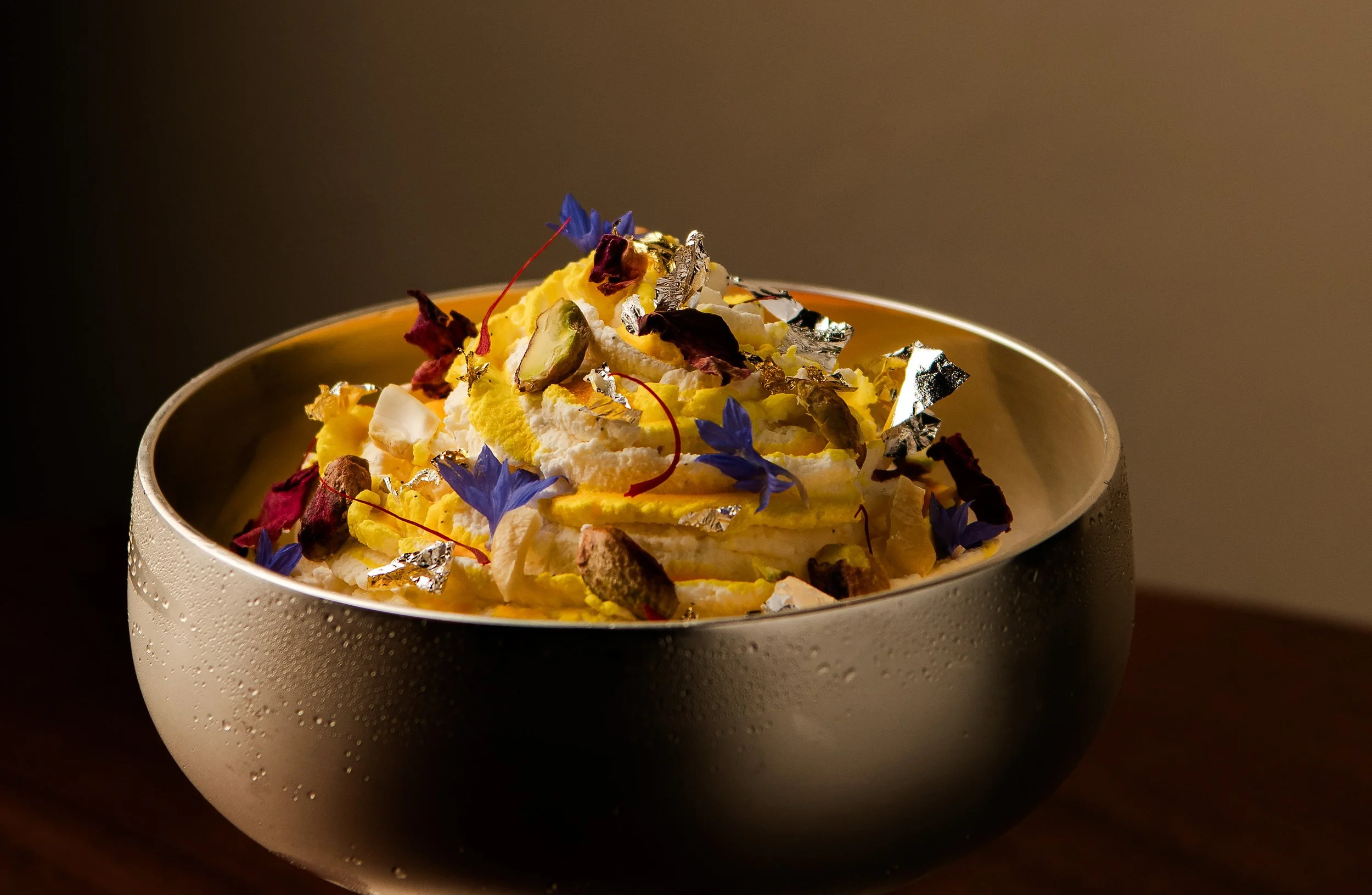
At this point, with stomachs telling us there was no more room, dessert arrived. I’ve never turned down a gulab jamun (fried dough ball soaked in a sweet, sticky sugar syrup) and I wasn’t about to start now. Rolled into a longer cylindrical form rather than the usual spherical balls, it still had all of the sweetness and lightness of its traditional counterpart. The orange shavings add a kick of citrus but not enough to overpower the original flavour, while the side of Chantilly cream would offset the rich sugary taste for those who might find it overwhelming. Kudos to the second dessert too; a twist on the crispy chikki dessert, with chocolate ganache, peanuts and sesame brittle – a masterclass in embracing nuts and seeds to make an exquisite little dish.
Impressive cuisine aside, the pace of the experience was a real treat, there’s no rushing in either the restaurant or bar. This is a space of relaxation, no matter your mood – downstairs near the open plan kitchen for a louder, vibrant environment, upstairs for a more gentle buzz, where long conversations over a slow, well-thought out dinner are had.
Oudh 1722 has the food, drinks and atmosphere to compete with the best of the Indian restaurants in the capital, where it will likely outrun them, is in its decision to focus on the gastronomy of an often underrepresented region, one which more than deserves its flowers. Oudh 1722, at its core is a journey of discovery, as much as it is a tasty dinner.
Book a table at Oudh 1722.