
DINING OUT: KOL
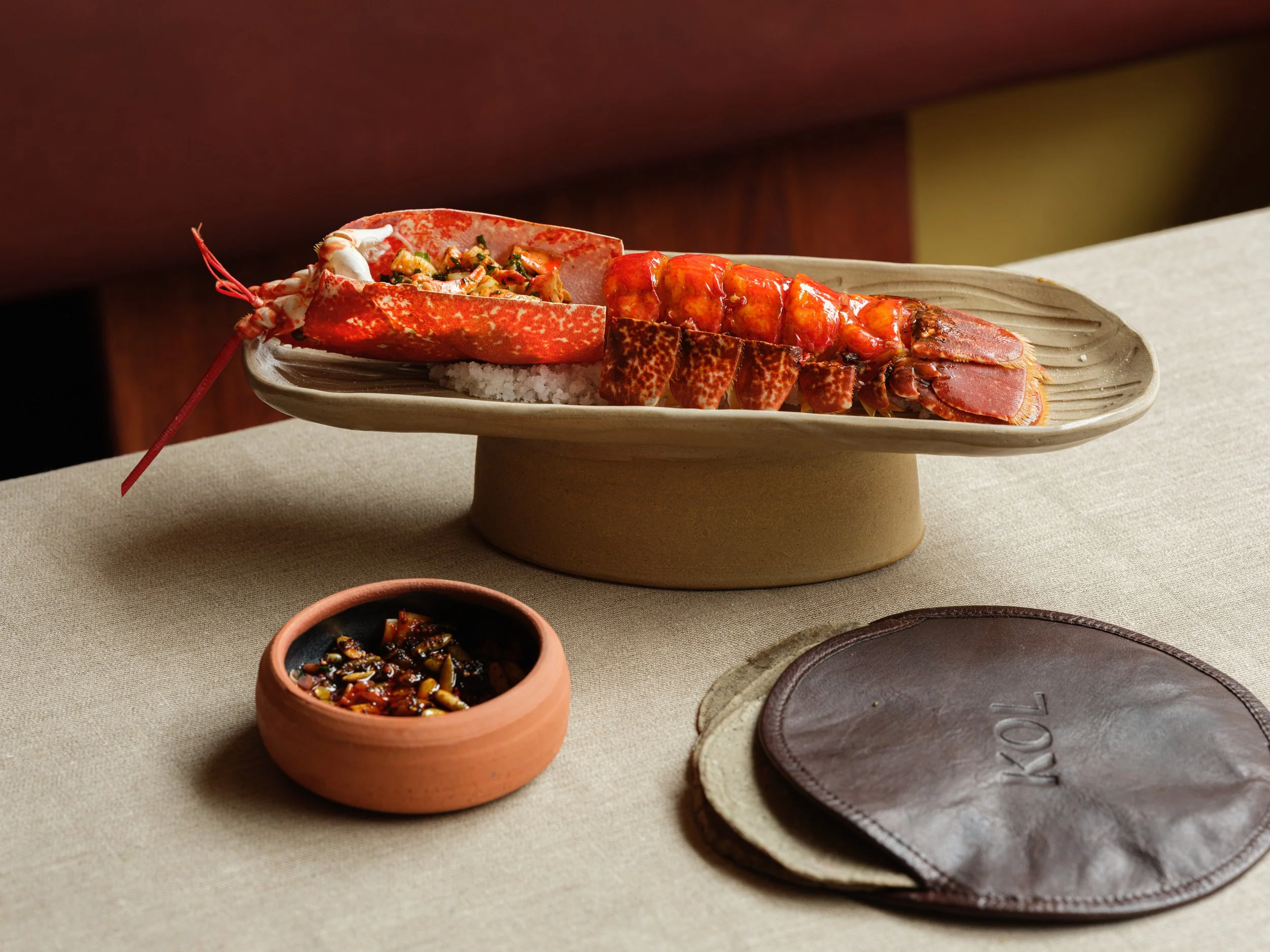
Chef Santiago Lastra’s Michelin-starred vision, where Mexican heritage meets British produce in Marylebone
In a city that prides itself on eating well, KOL has managed something rare: it has changed expectations. Four years after opening in Marylebone, Chef Santiago Lastra’s Mexican restaurant is no longer spoken about as a curiosity or a clever idea executed well, but as a destination in its own right. One Michelin star, a place on The World’s 50 Best Restaurantslist, and a dining room that remains booked weeks ahead all point to the same conclusion — KOL is now part of London’s culinary fabric.
What makes KOL compelling isn’t just its accolades, but the clarity of Lastra’s vision. This is Mexican food, unapologetically so, yet almost everything on the plate is British. Corn, chillies and chocolate are the only ingredients imported from Mexico. Everything else — from shellfish to game, dairy to vegetables — is sourced in the UK and reinterpreted through Mexican techniques, memory and research. It’s a philosophy that sounds academic, even austere, but in practice feels warm, expressive and deeply personal.
Lastra’s path to this point is as layered as his cooking. Born in Mexico City and raised in Cuernavaca — “the city of eternal spring” — his early interests leaned more towards mathematics than the kitchen. Problem-solving, research and structure appealed to him long before service and recipes did. Cooking arrived almost by accident: a crab dip made from the back of a Ritz Crackers packet, followed by a part-time job at an Italian restaurant at 15. From there, things accelerated quickly.
Spain came first, with time at Europa Restaurante in Pamplona, followed by formal training back in Mexico, then a return to Spain and a defining period at Mugaritz. While completing a Master’s in Culinary Innovation at the Basque Culinary Centre, Lastra became absorbed by the idea that cooking could be a form of research — not just about flavour, but culture, history and place. That mindset would come to define everything he has done since.
Copenhagen followed, not to Noma as many of his peers did, but to the Nordic Food Lab, where Lastra began researching tortillas made from Nordic grains. The project sparked something bigger. He started cooking Mexican-inspired food using local ingredients wherever he travelled, staging pop-ups across 27 countries. France, Japan, Russia, Turkey, Hong Kong — each stop added another layer to his understanding of how cuisine adapts, survives and evolves.
The turning point came in 2016, when René Redzepi asked him to project-manage Noma’s Mexico pop-up in Tulum. Immersed once again in his homeland, Lastra travelled extensively, researching ingredients, markets and communities across the country. It reframed his relationship with Mexican food entirely. Rather than nostalgia, what emerged was pride — and a desire to represent Mexico with depth, nuance and seriousness on the global stage.
London, perhaps unexpectedly, became the ideal place to do that. It offered a curious, well-travelled audience, a comfort with spice, a strong connection to Mexico, and a media landscape capable of reshaping perceptions. When KOL opened in 2020, it did so quietly, but with absolute confidence.
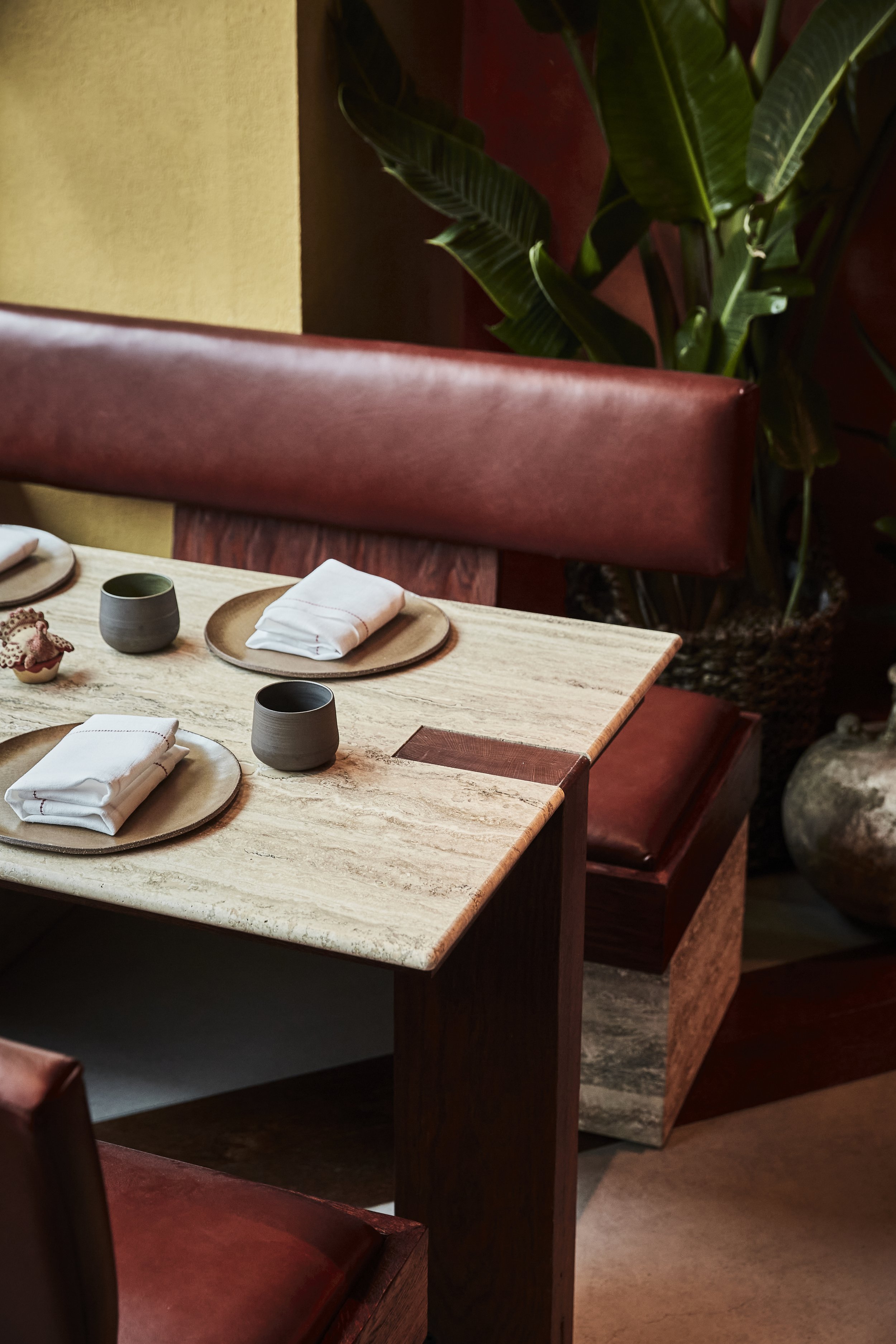
Our experience today begins upstairs in the main dining room, centred around an open kitchen that reinforces the sense of care and respect given to each dish. The interiors are earthy and tactile — stucco, clay and travertine offset by oak, elm and leather — with a palette of burnt orange, soft yellows and dusty pinks that subtly reference the streets of Mexico without veering into pastiche. Downstairs, the chef’s table and mezcaleria offer a more intimate, moodier counterpoint.
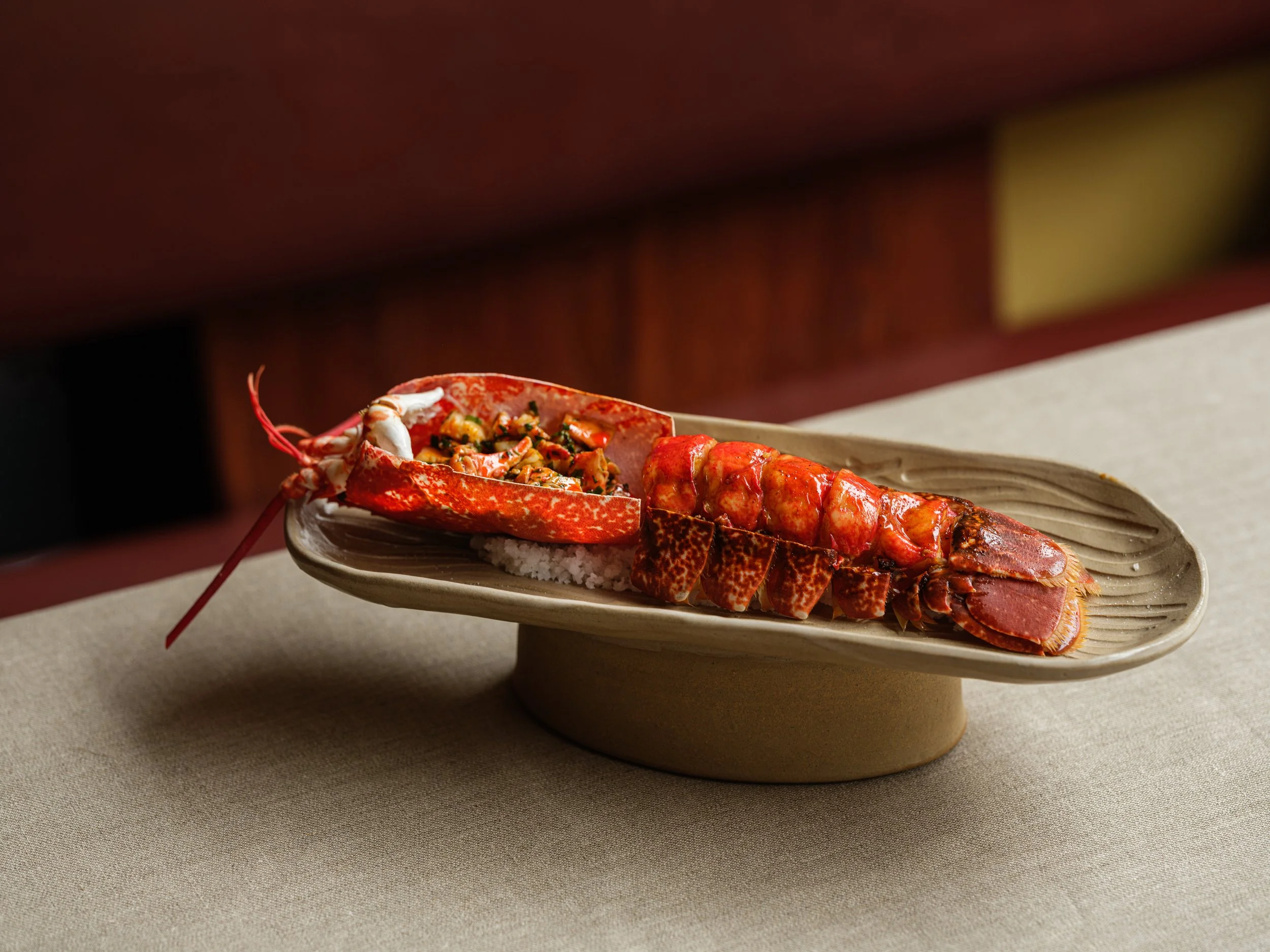
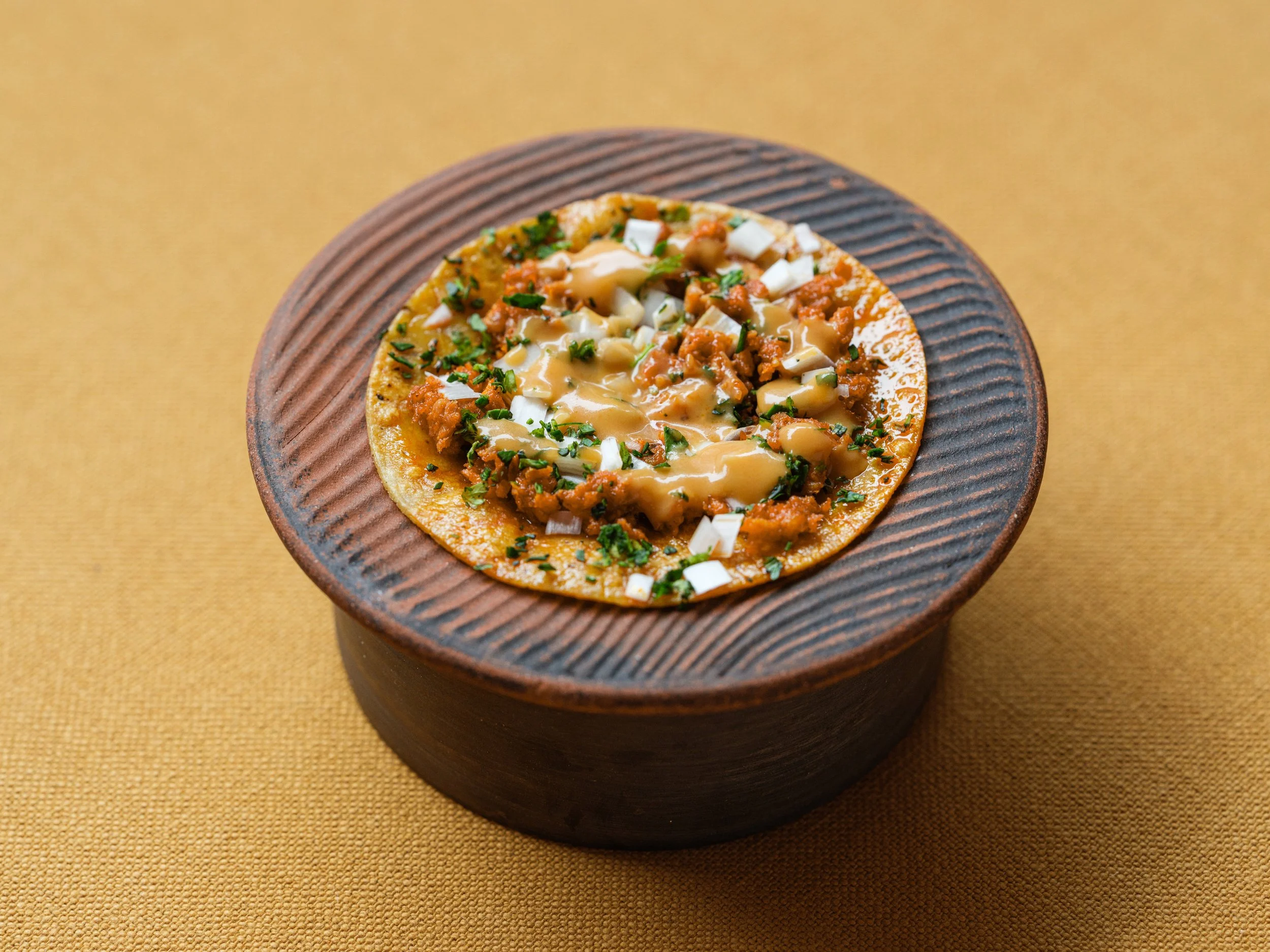
The menu is structured, but never rigid. At its core is a tasting menu — currently £145 for seven courses, with optional supplements — that honours familiar Mexican foundations such as mole, masa and ceviche, while constantly reshaping them. The Langoustine Taco, notably, is the only dish to have remained on the menu since opening, and with good reason. It’s precise, clean and quietly confident, allowing the sweetness of the shellfish to shine against the structure of the tortilla.
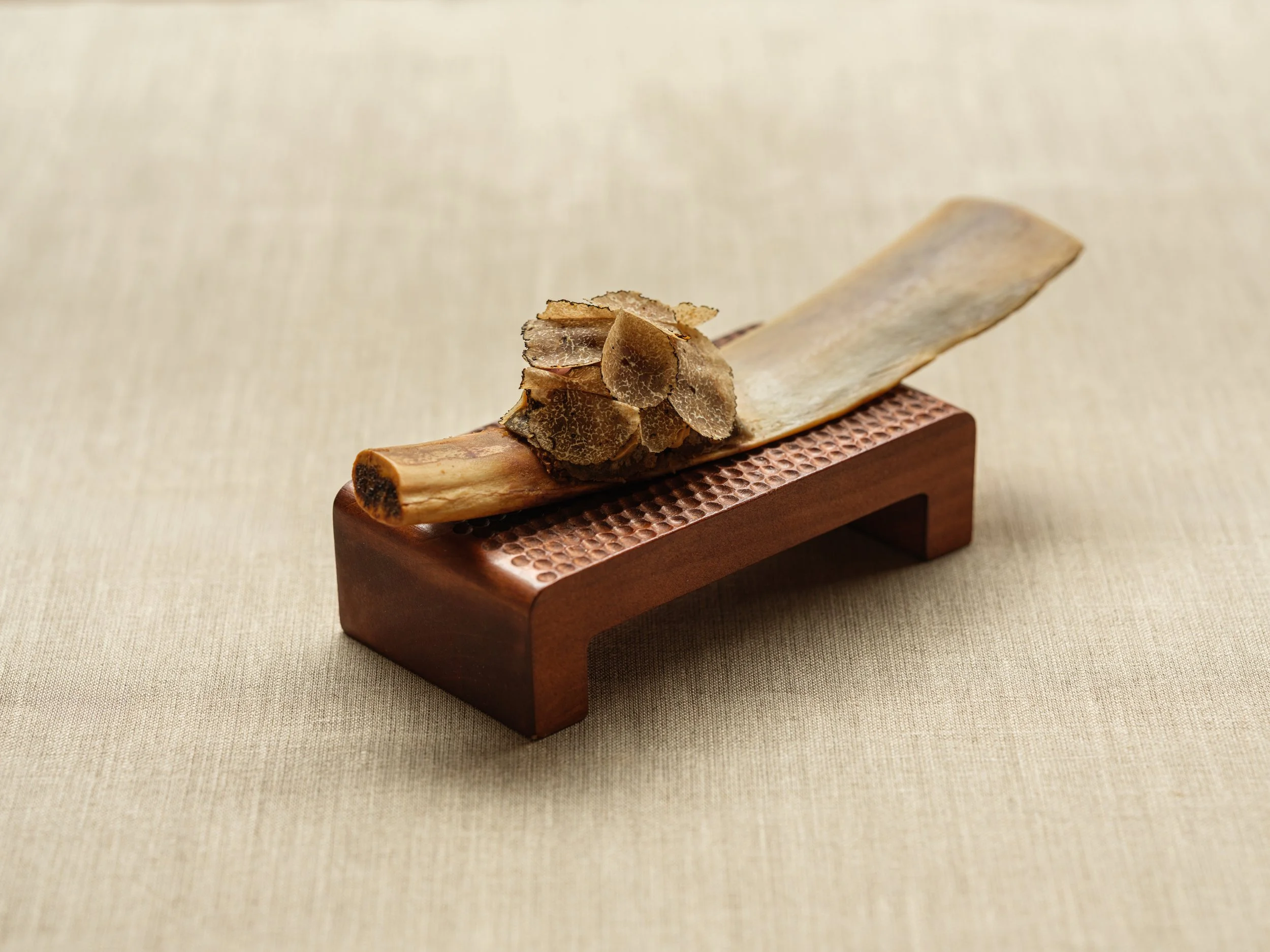
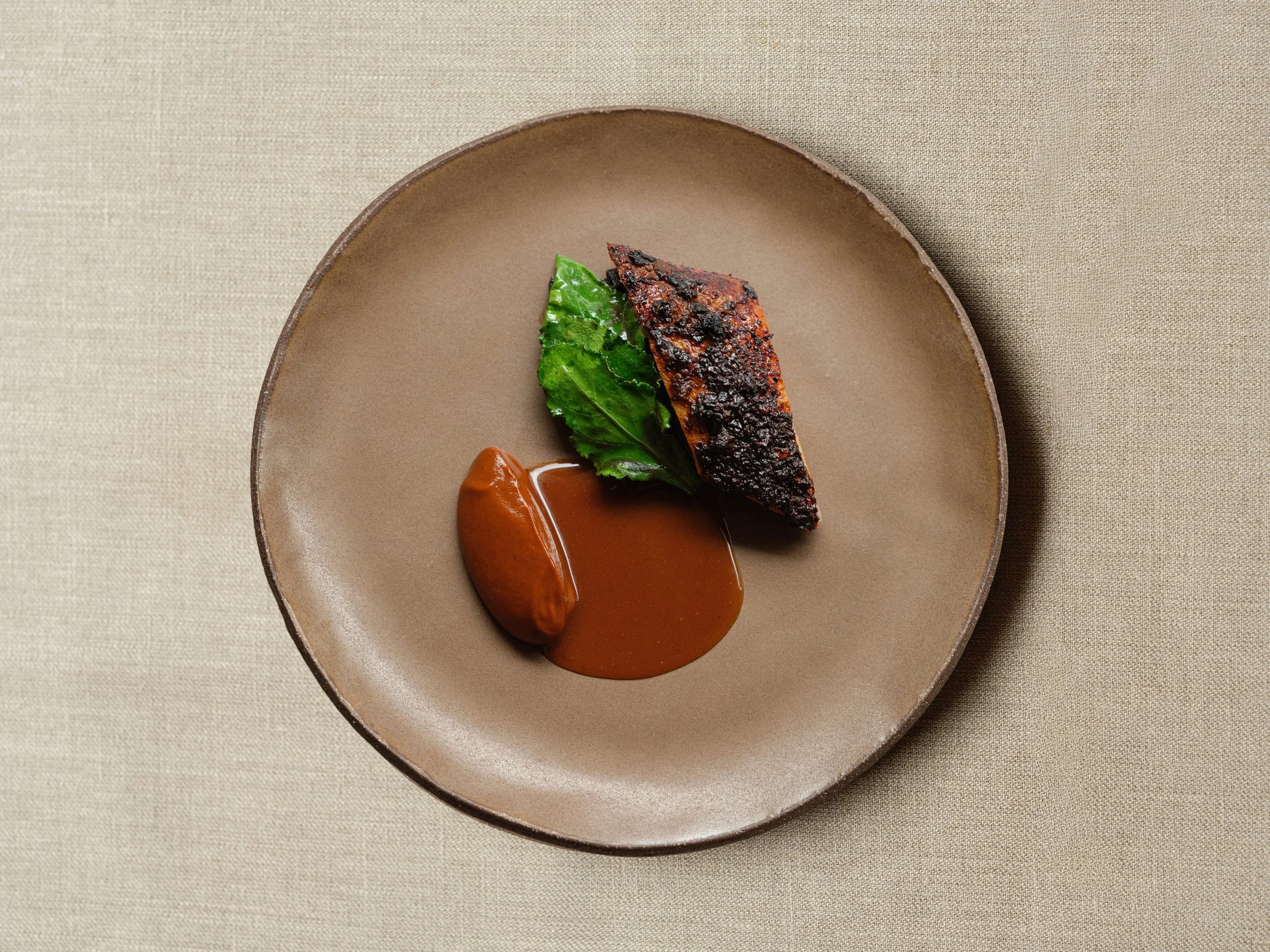
Other standouts include the short rib quesadilla, rich and deeply savoury without heaviness, and the duck mole — a dish that encapsulates Lastra’s ability to balance complexity with restraint. Layers of spice, bitterness and depth unfold gradually, never overwhelming the quality of the meat. These are dishes that reward attention, but never demand it.
Wine plays an equally important role. The list focuses exclusively on organic and biodynamic producers from Central and Eastern Europe, chosen for their minerality and structure — robust enough to stand up to the intricacy of the food. Pairings range from considered to ambitious, with mezcal options offering an alternative lens through which to experience the menu.
What’s striking about KOL is how composed it feels. There is no sense of chasing trends or courting spectacle. Instead, it operates with the assurance of a restaurant that knows exactly what it is, and why it exists. Lastra’s background in research is evident, but so is his warmth. This is food designed to communicate — not just flavours, but stories, landscapes and identity.
Four years in, KOL feels less like a statement and more like a conversation — one that continues to evolve. Ranked 49th on The World’s 50 Best Restaurants list in 2025, it stands as proof that Mexican cuisine, when treated with the same rigour and respect afforded to Europe’s great culinary traditions, belongs at the very top of the global table.
Book a table at KOL.